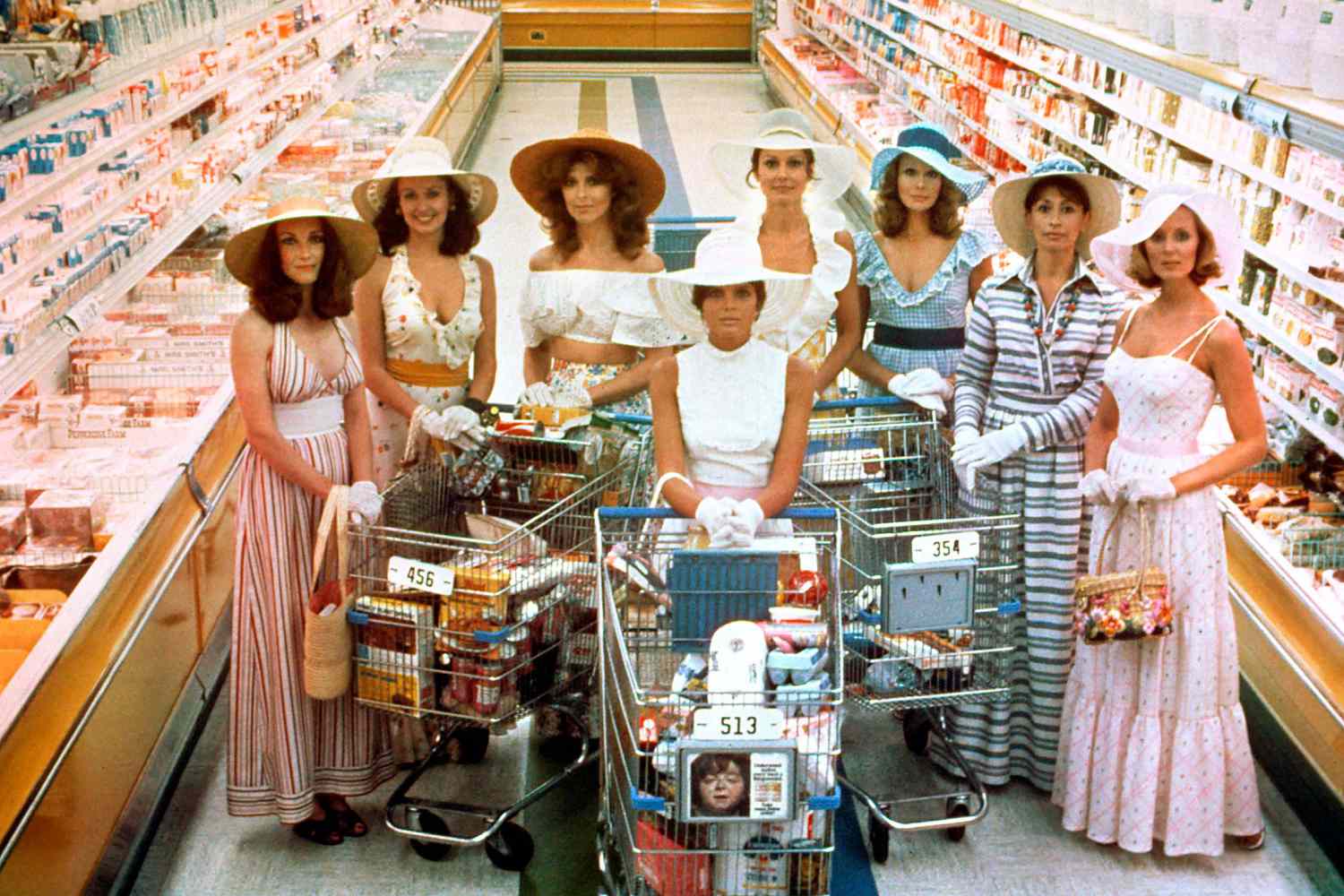
johnbowe.info – Bryan Forbes’ 1975 film, The Stepford Wives, is a chilling psychological thriller that explores the dark underbelly of suburban life. The film follows Joanna Eberhart (Nicole Kidman), a successful photographer who moves with her family to the idyllic town of Stepford, Connecticut. As she settles into her new life, she begins to notice strange occurrences among the town’s women, who seem eerily perfect and submissive.
A World of Facades
Stepford is a town where appearances are everything. The women are beautiful, the homes are immaculate, and the men are successful. However, beneath the surface, a sinister secret lurks. Joanna soon discovers that the women of Stepford are not what they seem. They are, in fact, lifelike androids, created by a group of men to serve their every whim.
A Satirical Look at Gender Roles
The Stepford Wives is a powerful satire that critiques traditional gender roles and the expectations placed on women. The film suggests that the perfect suburban housewife is a myth, a construct created to control and subjugate women. By portraying the women of Stepford as robotic and emotionless, the film exposes the dehumanizing effects of such a lifestyle.
A Masterful Blend of Horror and Satire
The film’s blend of horror and satire is both disturbing and thought-provoking. The eerie atmosphere, coupled with the unsettling performances of the Stepford Wives, creates a sense of unease and dread. The film’s underlying message about the dangers of conformity and the suppression of individuality is timeless.
A Cult Classic
The Stepford Wives has become a cult classic, inspiring numerous adaptations and reimaginings. The film’s exploration of themes such as identity, control, and the nature of reality continues to resonate with audiences today. It is a chilling reminder of the potential dangers of a society that values conformity over individuality.