The Secret Life of Pets 2 (2019): Full of Adventures and Heart

johnbowe.info – The Secret Life of Pets 2, released in 2019, is the animated sequel to the 2016 hit film The Secret Life of Pets, produced by Illumination Entertainment. Directed by Chris Renaud, this movie continues to explore the unseen world of domesticated animals when their owners are away. With vibrant animation, entertaining characters, and lighthearted humor, The Secret Life of Pets 2 delves deeper into the inner lives of its charming animal protagonists.

This sequel introduces new characters while bringing back fan-favorites, blending comedic action with emotional moments. The movie, aimed at children but enjoyable for all ages, is packed with adventures, humor, and a gentle moral about courage and family.

Plot Overview: A Tale of Three Stories

Unlike the first film, The Secret Life of Pets 2 follows three separate storylines that intertwine toward the end. Each of these subplots revolves around different characters and their unique experiences.

1. Max’s New Life and Overcoming Fear

The main protagonist, Max (voiced by Patton Oswalt, replacing Louis C.K.), is a Jack Russell Terrier who is grappling with major changes in his life. Max’s owner, Katie, gets married and has a baby named Liam, causing Max to feel protective and overly anxious about the child’s safety. This anxiety grows to the point where Max develops a nervous tic, prompting Katie to take the family, including Max and his sidekick Duke (voiced by Eric Stonestreet), on a trip to the countryside.

In the country, Max meets Rooster, a no-nonsense farm dog voiced by Harrison Ford. Rooster teaches Max valuable lessons about facing his fears and embracing the unpredictability of life. Through their interactions, Max learns to loosen up and trust his instincts, culminating in his newfound confidence in protecting Liam without letting fear control him.

2. Gidget’s Mission to Retrieve Max’s Favorite Toy

Meanwhile, Max’s Pomeranian friend Gidget (voiced by Jenny Slate) has her own adventure back in the city. Max entrusts her with his favorite toy, a squeaky bee named Busy Bee. However, when Gidget accidentally loses the toy in an apartment full of cats, she must embark on a rescue mission.

To succeed, Gidget enlists the help of the hyperactive cat Chloe (voiced by Lake Bell) to teach her how to “be a cat” in order to infiltrate the feline-filled apartment. This subplot is a humorous and lighthearted journey of Gidget navigating the challenges of pretending to be a cat and showcasing her unwavering loyalty to Max.

3. Snowball’s Superhero Adventure

In the third subplot, Snowball, the adorable but eccentric rabbit voiced by Kevin Hart, believes he is a superhero after his owner starts dressing him in superhero costumes. Snowball’s delusions of grandeur lead him into a dangerous adventure when he teams up with a fearless Shih Tzu named Daisy (voiced by Tiffany Haddish). Daisy asks for Snowball’s help to rescue a white tiger named Hu from an abusive circus owner.

This subplot is action-packed, as Snowball and Daisy infiltrate the circus, dodge villains, and face off against wolves. Snowball’s antics and exaggerated hero persona provide many laughs, but the storyline also has moments of heart as they fight for the tiger’s freedom.

Themes and Character Development

Facing Fears and Personal Growth

The central theme of The Secret Life of Pets 2 revolves around overcoming fears and growing through new experiences. Max’s story is the heart of the movie in this regard, as his journey to conquer his anxiety mirrors the real-world challenges of dealing with parental fears and adapting to changes. Rooster’s tough-love approach teaches Max that life is full of risks, but courage comes from facing those risks head-on.

Gidget’s subplot emphasizes determination and loyalty. Her willingness to dive into unfamiliar territory for Max’s sake showcases her bravery and resourcefulness. This storyline adds comic relief while reinforcing the idea that friendships often require us to step outside our comfort zones.

Snowball’s adventure brings out themes of heroism and justice, but also plays with the idea of identity. Snowball, who imagines himself as a superhero, gets a chance to act out his fantasy while learning that real heroism comes from selflessness and helping others.

The Importance of Family

Family plays an important role throughout the movie. Max’s bond with Liam grows stronger, highlighting how relationships can evolve over time. Max initially struggles with his protective instincts, but eventually learns to embrace his role as both a guardian and a loyal companion. The family dynamics are subtly depicted, showing how pets can become integral members of a household.

Similarly, the friendships between the animal characters feel like an extended family, with each pet having a role in helping one another. Whether it’s Gidget stepping up for Max or Snowball’s determination to rescue the tiger, their sense of community reflects the importance of connection and support.

Humor and Animation Style

Comedic Elements

One of the strengths of The Secret Life of Pets 2 is its blend of humor and heart. The movie relies heavily on physical comedy, quirky animal behavior, and witty banter. Kevin Hart’s performance as Snowball is a comedic highlight, bringing an over-the-top energy that keeps the audience laughing throughout his scenes. The absurdity of Gidget trying to act like a cat, complete with failed attempts at feline grace, provides another layer of humor that appeals to both kids and adults.

The film’s lighthearted tone ensures that even the more intense moments, like the rescue mission at the circus, are softened by comedic beats. Illumination’s signature animation style lends itself well to slapstick humor, with exaggerated character movements and expressions that enhance the comedy.

Vibrant Animation and Visuals

Visually, the film is a treat for the eyes. The animation is colorful and vibrant, capturing the essence of both urban life and the tranquility of the countryside. Each setting feels distinct, from the bustling streets of New York City to the serene farm where Max meets Rooster. The attention to detail in the animation makes each scene visually engaging, especially the dynamic action sequences like Snowball’s rescue mission.

The animals are animated with expressive faces, adding depth to their personalities. For example, Max’s nervous twitches and wide-eyed expressions reflect his anxiety, while Gidget’s fluffiness and energetic movements emphasize her determination. The film’s vibrant color palette and fluid animation contribute to its overall appeal.

Reception and Critical Response

Box Office Success

The Secret Life of Pets 2 performed well at the box office, grossing over $430 million worldwide. While it didn’t surpass the financial success of the first film, it still proved to be a popular choice for family audiences, drawing in both children and adults with its adorable characters and fun adventures.

Critical Reception

Critics were generally positive about the film, praising its humor and charming characters. While some felt that the movie’s multiple storylines made it feel more episodic and less cohesive than its predecessor, most agreed that the film succeeded in providing wholesome entertainment for families.

The performances of the voice actors, particularly Kevin Hart, Patton Oswalt, and Harrison Ford, were frequently highlighted as standouts. Hart’s portrayal of Snowball was seen as a comedic gem, and Ford’s gruff, no-nonsense Rooster added a layer of wisdom to the story.

Audience Appeal

Audiences appreciated the film’s lighthearted tone and fun adventures. The movie’s appeal lies in its relatability, as many pet owners can recognize elements of their own pets in the film’s characters. The humor, heartwarming moments, and fast-paced action ensured that The Secret Life of Pets 2 was a hit with younger viewers, while the underlying messages of courage and family resonated with older audiences.

Conclusion: A Fun and Heartwarming Sequel

The Secret Life of Pets 2 builds on the charm of the original film, offering viewers more insight into the lives of their favorite animated pets. With its multiple storylines, humorous moments, and touching themes of bravery and family, the movie successfully entertains while delivering a meaningful message. The film’s vibrant animation and lovable characters ensure that it remains a delightful watch for audiences of all ages.
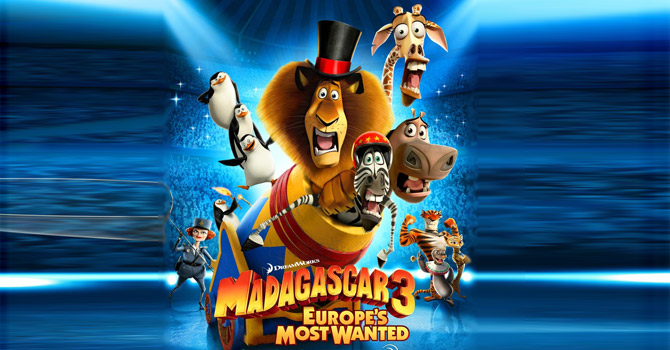
Madagascar 3: Europe’s Most Wanted (2012)

johnbowe.info – “Madagascar 3: Europe’s Most Wanted” is the third installment in the popular “Madagascar” franchise, produced by DreamWorks Animation. Released in 2012, this animated feature continues the adventures of the beloved animals who escaped from the Central Park Zoo and ended up in Madagascar in the first film. Directed by Eric Darnell, Tom McGrath, and Conrad Vernon, the movie builds on the humor, heart, and vibrant animation that made its predecessors so successful. As the characters travel across Europe in a new quest, “Madagascar 3” delivers an exciting rollercoaster ride filled with zany moments, memorable characters, and unexpected twists.

Plot Summary: From Escape to Circus Dreams

The film picks up with Alex the lion, Marty the zebra, Melman the giraffe, and Gloria the hippo still stuck on the island of Madagascar, trying to return to New York. They discover that the penguins have hijacked a European tour bus, leading the gang to follow them in hopes of getting back home. Their journey takes them across Europe, eventually landing in Monte Carlo, where they encounter the ferocious animal control officer, Captain Chantel DuBois, who is obsessed with capturing Alex.

The plot takes a surprising turn when the zoo animals decide to hide out at a struggling circus in Europe. Realizing that the circus is in dire need of a makeover, they decide to lend their unique talents to save the circus, while also continuing to evade the relentless DuBois. The story blends elements of friendship, self-discovery, and the pursuit of dreams, all while delivering energetic, slapstick humor.

New Challenges and New Characters

The movie introduces new characters that bring fresh energy to the already established cast. Vital to the circus storyline is Gia, a beautiful and agile jaguar who works as an acrobat, and Stefano, a flamboyant, overly enthusiastic Italian sea lion with a passion for performing. There is also a humorous array of circus animals that become part of the gang’s journey, including the grumpy but loveable circus ringmaster, who adds additional comic relief.

The dynamic between these new characters and the familiar zoo animals highlights a theme of friendship and teamwork. Each member of the group brings a unique skill set to the table, whether it’s Marty’s quirky sense of humor, Melman’s hypochondria, or Alex’s role as the reluctant leader. As the circus animals collaborate with their zoo counterparts, they find themselves working together to create a successful performance and defy the odds stacked against them.

A Frenzied Pursuit

Captain DuBois, a new antagonist in the series, is introduced as a dangerous and determined animal control officer with an intense obsession with capturing Alex. She is relentless in her pursuit of the zoo animals, and her exaggerated, almost villainous behavior adds an extra layer of comedy and danger to the story. DuBois is voiced by Frances McDormand, and her character brings an element of suspense and action to the otherwise lighthearted narrative.

DuBois’ pursuit of the animals, combined with the circus theme, allows for high-speed chases, clever escapes, and jaw-dropping acrobatics. The action sequences are fast-paced and filled with slapstick humor, making for a thrilling and visually captivating experience for viewers of all ages. The tension between DuBois and the zoo animals becomes one of the central points of the film, keeping the audience on the edge of their seats as they root for the protagonists to escape.

Stunning Animation and Visual Spectacle

One of the most striking features of “Madagascar 3: Europe’s Most Wanted” is its eye-popping animation. DreamWorks Animation takes full advantage of the film’s European setting, creating vibrant and dynamic visuals that immerse the audience in a colorful world of circus performances, dazzling street scenes, and breathtaking chases. The animation is visually stunning, with intricate details and smooth motion that bring the characters and their surroundings to life.

The circus scenes, in particular, showcase the creative talent behind the animation, with elaborate performances that include acrobatics, trapeze artists, and tightrope walkers. The vibrant colors and kinetic energy of these sequences are not only visually spectacular but also serve as metaphors for the characters’ emotional growth as they chase their dreams and confront their fears.

Thematic Elements: Pursuing Dreams and Finding Belonging

At its heart, “Madagascar 3” explores themes of self-discovery, following one’s dreams, and finding a sense of belonging. Throughout the film, the characters grapple with their desires to return home while learning more about themselves and the value of teamwork. The circus becomes a metaphor for the search for purpose and identity, as each character is forced to step out of their comfort zone in order to contribute to the team.

For example, Alex must overcome his fears of performing in front of others and rediscover his love for the spotlight. Meanwhile, Marty, who’s always been the comedic, carefree character, starts to realize that his wild nature may be just what the circus needs to succeed. Melman, despite his anxious and hypochondriacal tendencies, learns that he is more capable than he thought. Together, they discover that the greatest adventure is finding where they truly belong.

Humor and Heart: A Perfect Combination

The humor in “Madagascar 3” is typical of the series: fast-paced, slapstick, and filled with clever one-liners. The film balances its comedic moments with heartfelt sequences that resonate with viewers of all ages. The animals’ journey toward self-acceptance and understanding each other’s strengths is both funny and inspiring. From Melman’s unlikely romance with the circus giraffe, to the penguins’ antics, to DuBois’ over-the-top antics, the film offers a perfect blend of light-hearted humor and deeper emotional moments.

The Soundtrack: Music That Moves the Story

The soundtrack of “Madagascar 3” plays a crucial role in setting the tone for the movie, with an energetic and upbeat collection of songs that perfectly complement the film’s lively action. The music, which features a mix of pop and orchestral elements, elevates the circus performances and adds an extra layer of excitement to the movie. One of the most memorable tracks is the song “Firework” by Katy Perry, which accompanies a stunning circus scene and amplifies the emotional stakes.

In addition to the energetic soundtrack, the film also features a diverse array of original compositions that help set the atmosphere in various locations, from the streets of Monte Carlo to the backstage of the circus. The music serves not only to entertain but to enhance the emotional impact of the story.

Conclusion: A Fun, High-Energy Adventure for All Ages

“Madagascar 3: Europe’s Most Wanted” is a visually stunning, action-packed animated film that combines humor, heart, and a celebration of following one’s dreams. The movie stays true to the spirit of the first two installments while adding exciting new elements, including the introduction of new characters, a fresh circus storyline, and an engaging new villain in Captain DuBois. The vibrant animation, fast-paced action, and memorable characters make this movie a hit for audiences of all ages.
As the zoo animals work together to save the circus and escape the clutches of DuBois, they come to realize that their greatest adventure may not be returning home, but discovering where they truly belong. Whether you’re a fan of the franchise or new to the series, “Madagascar 3: Europe’s Most Wanted” offers an unforgettable ride that is sure to leave audiences smiling.

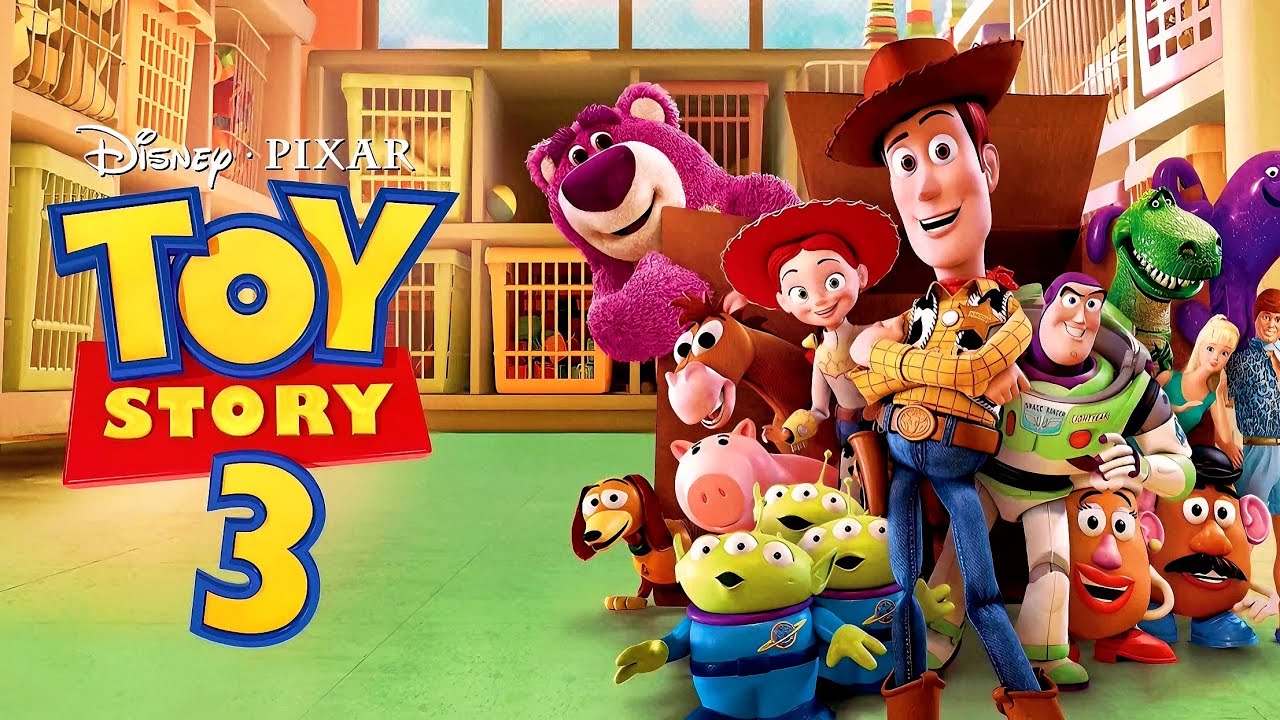
Toy Story 3 (2010): A Heartfelt Conclusion to a Beloved Franchise

johnbowe.info – Toy Story 3, released in 2010, marked the final chapter of an unforgettable journey for Woody, Buzz Lightyear, and the rest of the beloved toy gang. Directed by Lee Unkrich and produced by Pixar Animation Studios, it was the third installment in the Toy Story series, a groundbreaking franchise that had reshaped animated storytelling since its inception in 1995.

The film not only concludes the toys’ adventures but also explores complex themes of growing up, change, and the inevitable passage of time. Its emotional depth, alongside its innovation in animation and storytelling, made it a cultural milestone in both the animation industry and cinema as a whole.

A New Beginning for the Toys

The Setup: Andy’s Growing Up

At the start of Toy Story 3, the beloved group of toys faces a new challenge: their owner, Andy, is preparing to leave for college. As a result, the toys are left to confront the harsh reality that their purpose in life might be coming to an end. The opening scenes convey the bittersweet nature of the toys’ predicament, as they realize that Andy has outgrown them. This change in the status quo is an emotional turning point, as the toys must grapple with their shifting role in Andy’s life.

The Dilemma: What Happens to Toys When They’re No Longer Needed?

The central dilemma in Toy Story 3 revolves around what happens to the toys when they are no longer loved or needed. This question has been explored before in the series, but now, the stakes feel higher. The toys face the reality of being discarded, and they must navigate this existential crisis. Their journey is deeply symbolic, representing both the physical process of growing up and the emotional transition from childhood innocence to adulthood.

A Journey Into the Unknown: The Move to Sunnyside Daycare

The Decision to Leave: Misunderstandings and New Beginnings

The toys’ initial hope is that Andy will either keep them in his attic or pass them down to a younger child. However, a series of misunderstandings leads to them being donated to Sunnyside Daycare, a seemingly utopian place where toys are loved and played with by children.

Sunnyside initially appears to be a paradise, where toys are guaranteed to find new life. But as the toys soon discover, things are not as perfect as they seem. The daycare is ruled by Lotso, a bear who once had a loving owner but was abandoned and replaced by a newer toy. Lotso’s bitter and authoritarian leadership creates a dystopian environment for the toys, revealing the darker side of the daycare.

A Powerful Villain: Lotso the Bear

Lotso, the main antagonist of Toy Story 3, serves as a foil to the otherwise lighthearted and optimistic tone of the series. His backstory adds significant depth to his character. Once a favorite toy of a young girl named Daisy, Lotso was discarded and replaced, which left him emotionally scarred and bitter. This history explains why he becomes so manipulative and cruel, even towards his fellow toys. Lotso’s desire for control and his twisted view of loyalty highlight the darker side of abandonment and the emotional scars that toys—like people—carry from their pasts.

The Breakout Plan: Friendship and Loyalty Amidst Adversity

Once the toys discover the true nature of Sunnyside, they embark on a daring plan to escape and return to Andy. This escape sequence is filled with action and suspense, showcasing the strength of their friendship and the loyalty they share for one another. The toys’ bond is what carries them through their most difficult moments, emphasizing the series’ central themes of loyalty, love, and the importance of never giving up on those you care about.

The Heartbreaking Farewell: A Satisfying Yet Emotional Conclusion

The Climax: Saying Goodbye

As the toys make their way back to Andy’s house, the emotional stakes rise. In a moving sequence, the toys are finally faced with the choice of whether to stay with Andy or be left behind. Andy, now an adult, decides to pass on his beloved toys to a new child, a gesture that symbolizes his own growth and maturity. This moment is one of the most powerful in the series, as it not only marks the end of the toys’ journey but also signals Andy’s own transition into adulthood.

The goodbye scene—where Andy plays with each of his toys one last time—strikes a deep emotional chord with audiences. It’s an acknowledgment of the passage of time and the bittersweet nature of letting go. The toys’ ultimate fate is not to be forgotten but to be cherished and loved by a new child, continuing the cycle of life in a new generation.

The Emotional Resonance: Themes of Growth and Transition

The emotional weight of Toy Story 3 lies in its exploration of universal themes like growing up, letting go, and the inevitable changes that life brings. It resonates with audiences of all ages, particularly those who grew up with the first Toy Story films. For younger viewers, the film offers an introduction to the concept of moving on from childhood; for older viewers, it serves as a reflection on their own experiences of letting go of childhood memories and facing the responsibilities of adulthood.

The Legacy of Toy Story 3: A Timeless Masterpiece

Critical Reception and Cultural Impact

Upon its release, Toy Story 3 was met with universal acclaim, with critics praising its emotional depth, innovative animation, and strong storytelling. The film was a commercial success, grossing over $1 billion worldwide, making it one of the highest-grossing films of all time at the time. It became a cultural touchstone, resonating deeply with fans who had grown up with the series.

The film was not only a box office success but also received multiple accolades, including five Academy Award nominations. It won the Oscar for Best Animated Feature and was nominated for Best Picture—an unprecedented honor for an animated film at the time.

The End of an Era: A Fitting Conclusion to the Trilogy

Toy Story 3 is widely regarded as one of the greatest animated films ever made. Its ability to balance humor, action, and heartfelt moments makes it a standout in the Toy Story franchise. The film perfectly ties up the series, providing closure for both the characters and the audience. The toys’ final journey encapsulates the message of the series: that while life changes and childhood comes to an end, love, loyalty, and friendship remain eternal.

Even as it serves as a conclusion to the trilogy, Toy Story 3 is a testament to Pixar’s storytelling mastery. The film’s ability to blend nostalgia with emotional resonance has made it an enduring classic for audiences of all ages.

Conclusion: The Legacy Lives On

While Toy Story 3 marked the end of Andy’s story, it also ensured the continued relevance of the Toy Story universe. The film’s conclusion left an indelible mark on both fans and critics alike, and even in the years following its release, it remains a benchmark for storytelling in animated cinema.

For many, Toy Story 3 is not just a movie about toys—it’s a poignant reflection on growing up, the bittersweet nature of change, and the importance of cherishing the memories that define our childhood. It’s a fitting end to a trilogy that has touched the hearts of generations.

The Princess and the Frog (2009): A Disney’s Hand-Drawn Legacy

johnbowe.info – Released in 2009, The Princess and the Frog marked Disney’s highly anticipated return to traditional hand-drawn animation, following nearly a decade of dominance by computer-generated imagery (CGI) in the animation industry. Directed by the legendary Disney duo Ron Clements and John Musker, who had previously directed hits like The Little Mermaid (1989) and Aladdin (1992), this film brought the magic of Disney’s classic animation style back to the big screen, while also delivering a fresh, modern take on the fairy tale genre.

The Princess and the Frog is notable for several reasons, including its pioneering inclusion of Disney’s first African American princess, Tiana, its vibrant New Orleans setting, and its unique take on the classic Frog Prince story. Featuring a captivating soundtrack by composer Randy Newman, and a cast of memorable characters, the film is filled with humor, heart, and a message of hard work and perseverance.

This article will explore the background, story, characters, themes, music, and the legacy of The Princess and the Frog, examining how this film became a pivotal moment for Disney as it bridged the gap between the studio’s hand-drawn past and its CGI-dominated future.

The Making of The Princess and the Frog

Disney’s Return to Hand-Drawn Animation

By the mid-2000s, Disney’s animation department was facing a crossroads. The studio’s earlier success with traditional animation, exemplified by the Disney Renaissance films of the 1990s, had been overshadowed by the rise of CGI animation, led by Pixar and DreamWorks. Films like Toy Story (1995) and Shrek (2001) had revolutionized the animation landscape, leading Disney to phase out hand-drawn animation in favor of CGI. However, the decision left some fans longing for the artistic charm and nostalgic magic of Disney’s hand-drawn classics.

In 2006, Disney made a bold move by acquiring Pixar, and John Lasseter, co-founder of Pixar, became Chief Creative Officer of both Pixar and Disney Animation Studios. Lasseter, a lifelong fan of traditional animation, spearheaded efforts to bring back hand-drawn animation as part of Disney’s legacy. The Princess and the Frog became the studio’s first hand-drawn animated feature since 2004’s Home on the Range, signaling a return to Disney’s roots.

A Modern Take on a Classic Tale

The story of The Princess and the Frog is loosely based on the 2002 novel The Frog Princess by E.D. Baker, which itself is a retelling of the classic Brothers Grimm fairy tale The Frog Prince. However, Clements and Musker, along with Disney’s creative team, decided to set the film in a unique and historically rich setting: 1920s New Orleans. This choice not only provided a visually stunning backdrop for the film, but also allowed for the integration of the city’s rich cultural elements, including its vibrant jazz scene, Creole cuisine, and voodoo mysticism.

Additionally, The Princess and the Frog was groundbreaking for featuring Disney’s first Black princess, Tiana, a character who would go on to become a beloved role model for young viewers around the world. Tiana’s story stands out from traditional princess narratives by emphasizing hard work, determination, and the belief that dreams come true through effort and perseverance, rather than simply wishing on a star.

Musical Collaboration with Randy Newman

Music plays a central role in The Princess and the Frog, with composer Randy Newman (known for his work on Pixar films like Toy Story and Monsters, Inc.) crafting a soundtrack that perfectly complements the film’s setting. Newman, a New Orleans native, drew inspiration from the city’s jazz and blues traditions, incorporating elements of gospel, Dixieland, and zydeco into the score. The music not only captures the essence of 1920s New Orleans, but also adds emotional depth to the film’s key moments.

Songs like “Almost There” and “Friends on the Other Side” became iconic parts of the film, contributing to its critical success and earning The Princess and the Frog two Academy Award nominations for Best Original Song.

The Story of The Princess and the Frog

Setting the Scene: 1920s New Orleans

The film opens in the bustling city of New Orleans during the 1920s, a time of jazz music, lively parties, and cultural diversity. Amid this vibrant backdrop, we meet Tiana (voiced by Anika Noni Rose), a hardworking and ambitious young woman who dreams of one day owning her own restaurant. Tiana works multiple jobs to save money for her dream, inspired by her late father, who shared her passion for cooking and envisioned opening a family restaurant before his untimely death.

Unlike traditional Disney princesses, Tiana does not rely on magic or fairy godmothers to achieve her dreams. Instead, she believes in hard work and perseverance, famously stating, “The only way to get what you want in this world is through hard work.”

A Royal Visitor and a Magical Twist

The story takes a magical turn when Prince Naveen (voiced by Bruno Campos), a fun-loving and carefree prince from the fictional kingdom of Maldonia, arrives in New Orleans. Naveen’s carefree lifestyle has led him into financial trouble, and his parents have cut him off from their fortune until he marries into wealth. While in New Orleans, Naveen is tricked by the sinister Dr. Facilier (voiced by Keith David), a shadowy witch doctor who uses voodoo magic to turn Naveen into a frog.

In a twist on the classic Frog Prince tale, Naveen, now in frog form, believes that a kiss from a princess will break the spell. He mistakes Tiana, who is dressed as a princess for a masquerade ball, as the one who can save him. Reluctantly, Tiana agrees to kiss Naveen in exchange for his help in funding her restaurant. However, the kiss backfires, and instead of turning Naveen back into a human, it turns Tiana into a frog as well.

A Journey Through the Bayou

Now both frogs, Tiana and Naveen embark on an adventure through the Louisiana bayou, seeking help to reverse the curse. Along the way, they encounter a cast of quirky characters, including Louis (voiced by Michael-Leon Wooley), a trumpet-playing alligator who dreams of joining a jazz band, and Ray (voiced by Jim Cummings), a lovesick Cajun firefly who pines for the evening star, which he believes is his lost love, Evangeline.

As Tiana and Naveen navigate the dangers of the bayou and race against time to break the spell, they begin to learn important lessons about life, love, and what it truly means to achieve one’s dreams. Naveen, who starts out as a spoiled and self-centered prince, begins to appreciate Tiana’s hard work and determination, while Tiana learns to balance her ambition with the importance of love and companionship.

The Villain: Dr. Facilier and His Shadowy Dealings

The primary antagonist of the film is Dr. Facilier, also known as “The Shadow Man,” a charismatic but malevolent witch doctor who practices dark magic. Facilier manipulates Prince Naveen and his valet, Lawrence, in a bid to gain control of New Orleans and increase his own power. His use of voodoo and his ability to summon shadowy spirits add a sense of danger and mysticism to the film.

Dr. Facilier’s menacing musical number, “Friends on the Other Side,” is one of the film’s standout moments, showcasing his cunning nature and dark ambitions. As a villain, Facilier stands alongside Disney’s most iconic antagonists, using charm and manipulation to achieve his goals rather than brute force.

The Climax and Resolution

As the story reaches its climax, Tiana and Naveen, still in their frog forms, must race to stop Dr. Facilier’s evil plot and find a way to return to their human forms before it’s too late. In the end, it is love that breaks the spell. Tiana and Naveen realize that they have fallen in love with each other, and in a touching moment of selflessness, they decide to remain frogs if it means they can be together.

However, after a wedding ceremony in the bayou, Tiana becomes a princess by marriage, and her kiss with Naveen finally breaks the curse, turning them both back into humans. With their newfound love and shared dreams, Tiana and Naveen return to New Orleans, where Tiana achieves her goal of opening her very own restaurant, aptly named Tiana’s Palace.

The Characters of The Princess and the Frog

Tiana

Tiana, voiced by Anika Noni Rose, is a groundbreaking character in Disney’s history as the studio’s first Black princess. She is a hardworking, independent, and determined young woman who dreams of owning her own restaurant, inspired by her father’s passion for cooking. Unlike traditional Disney princesses who rely on magic or external forces to achieve their dreams, Tiana is driven by her belief in hard work and perseverance.

Throughout the film, Tiana’s character arc revolves around finding balance between ambition and love. While she initially prioritizes her dream of owning a restaurant above all else, she eventually learns that life is about more than just hard work—it’s about love, friendship, and enjoying the journey.

Prince Naveen

Prince Naveen, voiced by Bruno Campos, is a charming and carefree prince who undergoes significant character growth over the course of the film. At the beginning, Naveen is self-centered and frivolous, living a life of luxury and expecting others to solve his problems. However, his transformation into a frog and his time spent with Tiana help him realize the value of hard work and selflessness.

Naveen’s relationship with Tiana is central to the film’s narrative, and their contrasting personalities—Tiana’s pragmatism and Naveen’s carefree attitude—create a dynamic that evolves into a genuine, loving partnership.

Dr. Facilier

Dr. Facilier, voiced by Keith David, is the film’s main antagonist and one of Disney’s most memorable villains. Known as “The Shadow Man,” Facilier is a voodoo practitioner who uses dark magic to manipulate others for his own gain. His menacing presence and charismatic charm make him a formidable foe, and his ability to summon shadowy spirits adds an eerie sense of danger to the film.

Facilier’s ultimate goal is to gain control of New Orleans and amass power through his dealings with dark forces. His character is a reminder of the dangers of ambition without morality, contrasting sharply with Tiana’s more virtuous pursuit of her dreams.

Louis and Ray

Louis, voiced by Michael-Leon Wooley, is a jazz-loving alligator who dreams of playing trumpet in a human band. His love for music and his humorous personality provide comic relief throughout the film. Despite his fearsome appearance, Louis is a gentle soul with a passion for jazz, embodying the spirit of New Orleans.

Ray, voiced by Jim Cummings, is a Cajun firefly who serves as both comic relief and emotional heart of the film. His unrequited love for the evening star, whom he believes is his beloved Evangeline, adds a layer of poignancy to his character. Ray’s unwavering optimism and loyalty make him one of the film’s most beloved characters, and his ultimate fate is one of the movie’s most emotional moments.

Themes and Messages

Hard Work and Perseverance

One of the central themes of The Princess and the Frog is the importance of hard work and perseverance in achieving one’s dreams. Tiana’s journey is a testament to the idea that success does not come from wishing on a star, but from dedication, effort, and resilience. This theme is a refreshing departure from traditional fairy tales, where characters often rely on magic or destiny to achieve their goals.

Tiana’s father, who serves as her inspiration, instills in her the belief that “you gotta work hard to make your dreams come true,” a message that resonates throughout the film. While the film acknowledges the value of dreaming, it emphasizes that hard work is the key to turning those dreams into reality.

Love and Partnership

In addition to hard work, the film explores the theme of love and partnership. Tiana begins the film focused solely on her goal of opening a restaurant, but over the course of the story, she learns that life is about more than just ambition. Her relationship with Naveen teaches her the importance of love, companionship, and finding balance between work and personal life.

Naveen, on the other hand, learns that true love requires selflessness and commitment. His transformation from a carefree prince to a devoted partner reflects the film’s message that love is not just about romance, but about supporting each other’s dreams and growing together.

Self-Discovery

Both Tiana and Naveen undergo significant character growth and self-discovery throughout the film. Tiana learns to embrace love and friendship without sacrificing her ambitions, while Naveen discovers the value of hard work and responsibility. Their journey through the bayou serves as a metaphor for their personal growth, as they shed their old beliefs and emerge as better, more self-aware individuals.

The Power of Community

Set in the culturally rich and diverse city of New Orleans, The Princess and the Frog also highlights the importance of community and friendship. Tiana’s dream of opening a restaurant is rooted in her desire to bring people together, just as her father dreamed of doing. The film’s celebration of New Orleans culture—its music, food, and traditions—emphasizes the idea that success and happiness are best enjoyed when shared with others.

Legacy and Reception

Upon its release in December 2009, The Princess and the Frog was met with critical acclaim for its animation, music, and storytelling. It was praised for reviving the hand-drawn animation style that had made Disney famous and for introducing a new, diverse Disney princess who broke the mold of traditional fairy tale characters.

The film grossed over $270 million worldwide, making it a commercial success, though it did not reach the box office heights of later Disney films like Frozen (2013). Nevertheless, The Princess and the Frog holds a special place in Disney’s animation history as a transitional film that bridged the gap between the studio’s hand-drawn past and its CGI-dominated future.

Tiana quickly became a beloved figure in Disney’s pantheon of princesses, and her message of hard work and perseverance continues to resonate with audiences of all ages. The film also helped pave the way for more diverse representation in Disney films, with characters from different backgrounds and cultures being featured in subsequent productions.

In the years since its release, The Princess and the Frog has remained a fan favorite, and Tiana’s popularity has only grown. She has become a central figure in Disney parks, merchandise, and media, and a planned retheming of Disneyland’s Splash Mountain ride to Tiana’s Bayou Adventure is set to further solidify her legacy.

Conclusion

The Princess and the Frog (2009) is a landmark film in Disney’s animation history, representing both a return to the studio’s hand-drawn roots and a step forward in terms of diversity and storytelling. With its memorable characters, beautiful animation, and powerful messages about hard work, love, and self-discovery, the film has earned its place as a modern classic. Tiana’s journey from waitress to princess, grounded in determination and resilience, continues to inspire audiences, proving that with a little hard work—and a lot of heart—dreams really can come true.

Una sull’altra (One on Top of the Other, 1969)

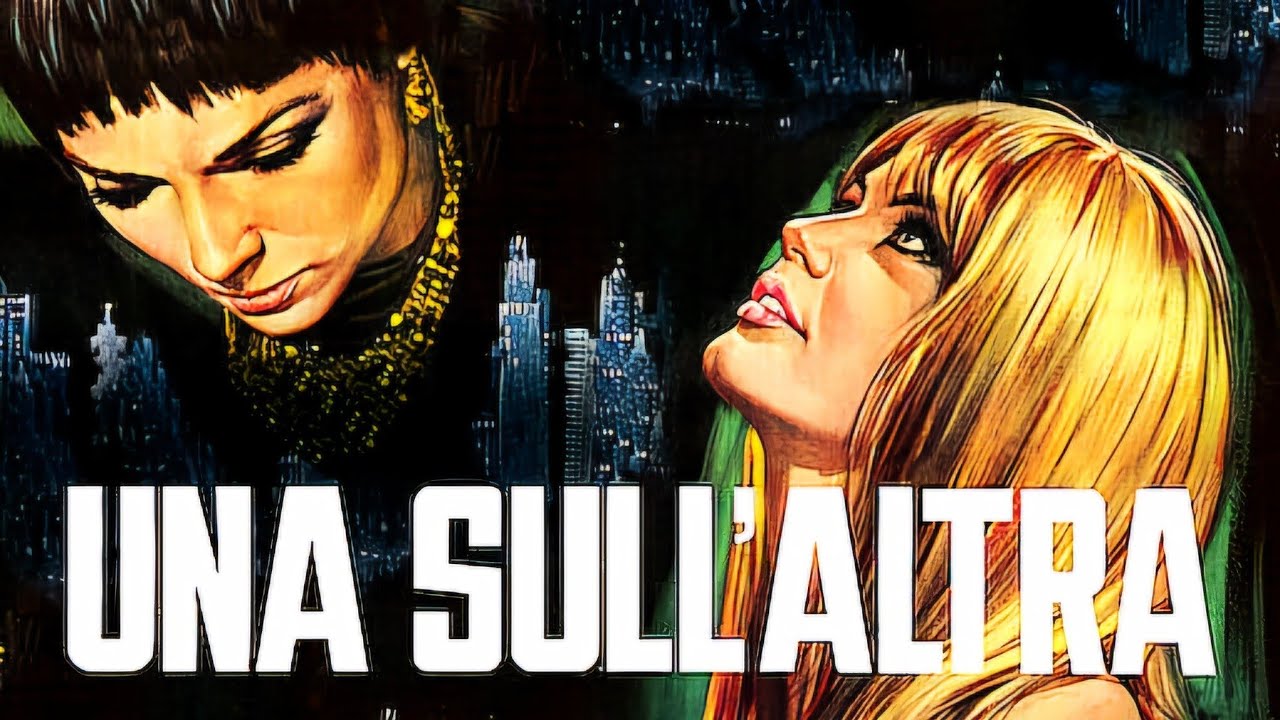
johnbowe.info – Una sull’altra (1969), also known internationally as One on Top of the Other, is a stylish and suspenseful giallo thriller directed by the legendary Italian filmmaker Lucio Fulci. Known for his contributions to the horror and thriller genres, Fulci’s work in Una sull’altra is a striking blend of psychological tension, intricate plotting, and striking visuals. As part of the giallo genre, which is defined by its mix of horror, mystery, and eroticism, the film delivers an experience that engages the audience both intellectually and viscerally.

The Plot of Una sull’altra

Una sull’altra follows the complex and twisted story of a successful but morally conflicted man, Dr. George Stark (played by the charismatic and often enigmatic Italian actor Jean Sorel), whose life begins to unravel after the mysterious death of his wife, Susan (played by the alluring and talented Marisa Mell). Stark is a well-respected physician who lives a comfortable life, but the sudden death of his wife leaves him emotionally shattered and questioning everything.

As Stark attempts to move on, he becomes increasingly obsessed with the circumstances surrounding her death, suspecting foul play. His suspicions lead him into a dark and convoluted world of deceit, murder, and betrayal. Stark’s investigation uncovers secrets about his wife that he never imagined, all of which send him deeper into a dangerous spiral where reality and illusion blur.

The film’s plot is filled with tension and unexpected twists as Stark begins to question the authenticity of everything around him. The narrative builds a sense of paranoia and unease, enhanced by the film’s atmospheric cinematography, which keeps the audience guessing until the very end.

Michele Lee’s Role in Una sull’altra

In Una sull’altra, Michele Lee takes on a supporting role, contributing to the film’s complex web of characters. While her role is not the central focus of the story, she plays a key part in the narrative’s development. Lee’s character is involved in the unfolding mystery, and her presence adds an extra layer of intrigue to the plot.

Michele Lee’s performance in the film is memorable for its subtlety and depth. As is common in giallo films, the female characters are often enigmatic and play a significant role in the narrative’s mystery and suspense. Lee’s character, while not always front-and-center, plays a crucial role in helping to reveal the secrets surrounding the murder, and her interactions with the lead character add emotional weight to the overall story.

Her portrayal in this film demonstrates her versatility as an actress, fitting seamlessly into the giallo genre with her quiet intensity and poise. As with many actors in giallo films, Lee’s role serves to complement the mystery and keep the audience hooked as they try to piece together the film’s intricate narrative.

A Giallo Thriller with Psychological Depth

Una sull’altra is a prime example of the giallo genre, a style of Italian thriller that combines elements of detective fiction with horror and eroticism. Giallo films are known for their stylish direction, graphic violence, complex plots, and often shocking twists. Fulci’s approach to this film is no different, blending suspense with psychological horror and character-driven tension.

The film’s narrative is a mix of mystery and crime thriller, with Stark’s descent into madness forming the backbone of the story. His obsessive quest for the truth is complicated by his psychological state, and the audience is left to question what is real and what is a figment of his troubled mind. As the mystery deepens, the film’s tone becomes increasingly surreal and unsettling, with Fulci’s direction pushing the boundaries of psychological horror.

The giallo genre is known for its use of visual and thematic motifs, such as the unreliable narrator, blurred lines between reality and fantasy, and the presence of graphic violence and eroticism. Una sull’altra embraces these elements, using them to enhance the tension and atmosphere of the film. The film’s shocking and sometimes explicit content is balanced with a slow-burn narrative, which keeps the viewer on edge and invested in the characters’ fates.

Lucio Fulci’s Direction and Cinematic Style

Lucio Fulci’s direction in Una sull’altra is masterful, demonstrating his skill in creating atmospheric and unsettling films. Known for his distinctive visual style, Fulci employs a variety of cinematic techniques to build tension and immerse the viewer in the story. The film’s use of close-ups, disorienting camera angles, and bold color contrasts all contribute to the sense of unease that permeates the narrative.

The film’s pacing is deliberate, building suspense gradually before unleashing moments of shocking violence or revelation. Fulci’s ability to blend horror, mystery, and psychological thriller elements makes Una sull’altra a standout in the giallo genre, which often embraces both mystery and horror elements but rarely with such a refined and unnerving approach.

Fulci’s work is also notable for its music, and Una sull’altra is no exception. The film’s score, composed by the talented Riz Ortolani, is haunting and evocative, underscoring the eerie atmosphere of the film and adding to its psychological intensity.

The Giallo Genre: Influence and Legacy

The giallo genre became hugely popular in Italy during the 1960s and 1970s, with films like Una sull’altra influencing not only Italian cinema but also horror and thriller films worldwide. Giallo films often featured a mix of detective fiction and horror, blending the investigative elements of mystery with the tension and terror of the slasher genre. These films frequently depicted graphic violence and sexual content, pushing the boundaries of what was acceptable in mainstream cinema at the time.

Directors like Dario Argento, Mario Bava, and Lucio Fulci became masters of the genre, using their films to explore themes of fear, identity, and the subconscious. Una sull’altra fits within this tradition, but it also brings Fulci’s own personal touch, incorporating surreal elements and psychological horror that would come to define many of his later works.

While the giallo genre experienced a decline in popularity during the 1980s, it has experienced a resurgence in recent years, with contemporary filmmakers citing these classic films as major influences on their own work. Una sull’altra, with its complex plot and unforgettable atmosphere, remains an essential film in the giallo tradition.

Conclusion

Una sull’altra (1969) is a standout example of the giallo genre, showcasing Lucio Fulci’s ability to create a chilling, suspense-filled thriller that keeps the audience on edge. With a complex plot, memorable performances, and striking cinematography, the film has earned its place as a significant work in the history of Italian cinema. Michele Lee’s role adds depth and intrigue to the story, while Fulci’s direction and Riz Ortolani’s haunting score elevate the film to a higher level of psychological tension and horror.

As a giallo film, Una sull’altra masterfully blends mystery, horror, and eroticism, making it a quintessential example of the genre’s ability to captivate audiences with its twists and emotional stakes. For fans of Italian thrillers and those looking to explore the world of giallo cinema, Una sull’altra remains a fascinating and essential film in Lucio Fulci’s impressive body of work.

Chailla Babu (1977): A Bollywood Thriller with Action & Suspense

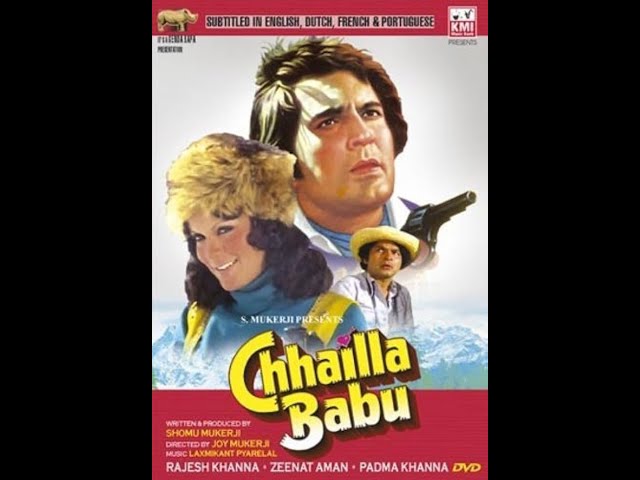
johnbowe.info – Released in 1977, Chailla Babu is a Bollywood thriller film directed by Sohanlal Kanwar. The film, featuring an intriguing plot, an ensemble cast led by Dharmendra and Hema Malini, offers a blend of suspense, action, and romance, typical of Bollywood thrillers of the late 1970s. Chailla Babu stands out for its engaging storyline, lively performances, and its approach to the genre, showcasing the popular elements of crime, mystery, and emotional twists. Though it may not be as well-remembered as some other classics of its era, Chailla Babu is notable for its entertainment value and is a fun watch for fans of Bollywood thrillers.

Plot Overview

Chailla Babu revolves around the character of Chailla Babu (Dharmendra), a man with a mysterious past and a reputation for being a troublemaker. Chailla lives a carefree life, often engaging in minor criminal activities, but he is also a man of principle who helps the oppressed when needed. Despite his rough exterior, Chailla has a hidden vulnerability and a sense of justice that complicates his life in the underworld.

The film follows Chailla’s journey as he becomes entangled in a larger conspiracy involving a series of criminal activities. He uncovers a plot that involves corrupt businessmen, politicians, and the exploitation of innocent people. As Chailla digs deeper into the mystery, he forms a bond with a woman named Ranjana (Hema Malini), who becomes a central part of the narrative.

Ranjana is a woman caught in the midst of the conspiracy, and her involvement with Chailla gradually leads to both romance and danger. As Chailla tries to unravel the web of deceit and corruption, he faces numerous challenges and enemies, including the corrupt police and powerful criminals who will stop at nothing to protect their interests.

Throughout the film, Chailla Babu must navigate the fine line between right and wrong, loyalty and betrayal, as he takes on the role of a reluctant hero. The story builds on suspense, emotional conflicts, and action-packed sequences, ultimately leading to a dramatic and thrilling climax.

Performances

Dharmendra’s portrayal of Chailla Babu is one of the key highlights of the film. Known for his strong on-screen presence and action-oriented roles, Dharmendra excels in the role of a man who is both rugged and noble. Chailla Babu’s character is complex—he is a criminal by circumstance but a hero at heart—and Dharmendra brings this duality to life with finesse. His performance as a man struggling with his past and seeking redemption in a world full of corruption resonates well with the audience.

Hema Malini, who plays Ranjana, delivers a solid performance as the woman caught in the conflict between love and duty. Her chemistry with Dharmendra is palpable, and their interactions add warmth and depth to the film’s otherwise suspenseful plot. Hema Malini’s grace and poise contrast well with the action-oriented nature of the film, and she proves once again why she was one of Bollywood’s leading actresses during the 1970s.

The supporting cast, including veteran actors like Pran, and Madan Puri, add further dimension to the story. Pran’s portrayal of a villain or antagonist in a thriller is always memorable, and here, he contributes significantly to the film’s tension and drama.

Music and Cultural Impact

The music of Chailla Babu is composed by the talented duo Kalyanji-Anandji, known for their ability to craft catchy and emotional tunes that enhance the narrative. The soundtrack of the film features a blend of action-packed background scores and romantic melodies, providing the perfect accompaniment to the film’s suspenseful tone.

One of the standout songs from the film is “Chailla Babu,” which is sung by Kishore Kumar. The song captures the essence of Chailla’s character—rough around the edges but with a sense of charisma and appeal. The music, along with its lyrics, helps to establish the character’s rebellious yet principled nature, making it an integral part of the film’s atmosphere.

Though Chailla Babu may not be remembered as a groundbreaking musical, its songs fit well within the context of the narrative and help enhance the film’s emotional and dramatic beats.

Legacy

Despite its moderate success at the box office, Chailla Babu remains an enjoyable Bollywood thriller with its fair share of action, suspense, and romance. The film’s blend of mystery and action, along with the performances of its lead actors, made it a solid entry in the thriller genre of 1970s Bollywood cinema.

Dharmendra’s portrayal of the titular character helped solidify his status as one of Bollywood’s most versatile actors, capable of playing both heroic and rugged roles. Hema Malini, too, continued to prove her ability to balance action-oriented roles with more traditional, romantic parts, further cementing her place as a leading lady of the era.

While Chailla Babu may not have reached the heights of some of Bollywood’s more iconic thrillers, it remains a noteworthy example of the genre, with its emphasis on action and suspense. The film captures the spirit of the late 1970s, a time when Bollywood films often combined multiple genres and explored themes of crime, love, and justice in a rapidly changing India.

Today, Chailla Babu is appreciated by fans of vintage Bollywood thrillers for its entertainment value, compelling performances, and its exploration of good versus evil, loyalty, and personal redemption.

Behzat Ç.: A Dark and Gritty Reflection of Modern Turkey

johnbowe.info – Behzat Ç.: Bir Ankara Polisiyesi (Behzat Ç.: An Ankara Detective Story), a Turkish crime drama that aired from 2010 to 2013, stands as a landmark television series that redefined the landscape of Turkish television. Its gritty realism, complex characters, and unflinching portrayal of crime and corruption in Ankara captivated audiences and garnered critical acclaim. The series’ popularity led to a feature film, further solidifying its impact on Turkish popular culture. This article explores the narrative, themes, characters, and lasting impact of Behzat Ç., both as a television series and a film.

Narrative: A Cynical Detective in a Corrupt World

Behzat Ç. centers around Behzat Ç. (Erdal Beşikçioğlu), a cynical and world-weary police chief in Ankara’s homicide department. Behzat Ç. is not your typical television detective; he is flawed, impulsive, and often operates outside the bounds of conventional police procedure. Haunted by personal tragedies and disillusioned by the corruption he witnesses within the system, Behzat Ç. navigates the dark underbelly of Ankara with a unique blend of cynicism, dark humor, and a deep-seated sense of justice.

The series follows Behzat Ç. and his team as they investigate a variety of complex and often disturbing crimes. Each case unfolds against the backdrop of Ankara’s urban landscape, revealing the social and political issues that plague the city. The narrative is characterized by its gritty realism, its complex plotlines, and its exploration of the moral ambiguities faced by law enforcement officers in a corrupt world.

Themes: Exploring the Dark Side of Modern Society

Behzat Ç. delves into several complex and often unsettling themes:

  • Corruption and Injustice: The series unflinchingly portrays the corruption that permeates various levels of society, including law enforcement and government. This theme resonated with audiences who were increasingly concerned about issues of corruption and accountability.   
  • Moral Ambiguity: Behzat Ç. avoids simplistic portrayals of good and evil. The characters, including Behzat Ç. himself, are often morally ambiguous, forced to make difficult choices in morally compromised situations.
  • Loss and Trauma: Behzat Ç.’s personal life is marked by tragedy and loss, which deeply affects his outlook and his approach to his work. The series explores the psychological toll that trauma can have on individuals and the ways in which it can shape their behavior.
  • The Search for Justice: Despite his cynicism and his unconventional methods, Behzat Ç. is driven by a deep-seated desire for justice. He is determined to find the truth and to bring criminals to justice, even when faced with significant obstacles.
  • Social Commentary: Through its crime narratives, the series offers sharp social commentary on various issues affecting Turkish society, including political corruption, social inequality, and the changing urban landscape of Ankara.

Characters: Complex and Unforgettable Personalities

The characters in Behzat Ç. are complex, flawed, and deeply memorable:

  • Behzat Ç. (Erdal Beşikçioğlu): Behzat Ç. is the heart and soul of the series. His cynical demeanor, his dry wit, and his deep-seated sense of justice have made him an iconic figure in Turkish television.
  • The Team: Behzat Ç.’s team consists of a group of dedicated and equally flawed detectives, each with their own unique personalities and backstories. Their camaraderie and loyalty to Behzat Ç. form a crucial element of the series.

Transition to Film: Expanding the Narrative

The popularity of the Behzat Ç. TV series led to a feature film, Behzat Ç.: Seni Kalbime Gömdüm (Behzat Ç.: I Buried You in My Heart), which further explored the characters and their world. The film retained the series’ gritty realism and complex storytelling, providing a satisfying continuation of the narrative.   

Lasting Impact: A Groundbreaking Series

Behzat Ç. had a profound impact on Turkish television, paving the way for more realistic and gritty crime dramas. Its unflinching portrayal of corruption and its complex characters resonated with audiences who were tired of more conventional television programming. The series has been praised for its strong writing, its exceptional performances, and its willingness to tackle difficult and often controversial topics.

Conclusion: A Dark Mirror to Modern Society

Behzat Ç. is more than just a crime drama; it is a dark and gritty reflection of modern Turkish society. Its exploration of corruption, moral ambiguity, and the search for justice has made it a landmark television series. The series and film continue to be remembered for their complex characters, their realistic storytelling, and their willingness to confront the darker aspects of contemporary life. Behzat Ç. remains a significant contribution to Turkish television history, pushing the boundaries of the crime drama genre and leaving a lasting impact on viewers.

“The Witch: Part 2. The Other One”: Expanding the Witch Universe

johnbowe.info – “The Witch: Part 2. The Other One” (마녀 Part2. The Other One), the 2022 sequel to the 2018 hit “The Witch: Part 1. The Subversion,” expands the mythology and action of its predecessor, introducing new characters and exploring the wider world of genetically enhanced individuals. While it retains the brutal action and supernatural elements, it shifts its focus, creating a different yet engaging experience.

A New Beginning: Escaping the Lab

The film opens with a devastating attack on a secret laboratory, where numerous genetically modified children are held captive. One of these children, a mysterious young girl (Shin Si-ah), manages to escape the carnage. This escape sets the stage for the film’s central conflict.

This opening sequence immediately establishes a larger scope than the first film. It hints at a wider network of facilities and a greater number of individuals with extraordinary abilities.

Encounters and Alliances: A World of Superpowered Individuals

The escaped girl finds refuge with Kyung-hee (Park Eun-bin) and her brother Dae-gil (Sung Yoo-bin), who are struggling to protect their farm from local gangs. Soon, various factions converge on their farm, all with their own agendas regarding the girl: the remnants of the organization from the first film, a mysterious group of superpowered individuals from Shanghai, and even the police.

This influx of characters creates a complex web of alliances and rivalries. The film becomes less about a single protagonist’s journey and more about the interactions between different groups with conflicting motivations.

Expanding the Mythology: Exploring Different Abilities

“The Witch: Part 2” delves deeper into the science behind the genetically modified individuals, showcasing a wider range of abilities. We see characters with enhanced strength, speed, telekinesis, and even the power to manipulate electricity.

This expansion of the mythology adds a new layer of excitement to the action sequences. The battles become more diverse and visually spectacular, showcasing the creative ways these powers can be used.

A Shift in Focus: From Personal Revenge to Larger Conflict

While “The Subversion” focused on Ja-yoon’s personal journey of revenge and self-discovery, “The Other One” shifts its focus to a larger conflict involving multiple factions vying for control of the escaped girl and the technology behind her abilities.

This shift in focus makes the sequel feel quite different from the first film. It’s less intimate and more concerned with world-building and setting up future installments.

Retaining the Brutal Action: A Visceral Spectacle

Despite the shift in focus, “The Witch: Part 2” retains the brutal and visceral action that made the first film so memorable. The fight scenes are intense and graphic, showcasing the destructive power of the genetically enhanced individuals.

The film doesn’t shy away from depicting violence, creating a thrilling and often disturbing viewing experience. The action sequences are well-choreographed and visually impressive, making them a highlight of the film.

A Stepping Stone for the Future: Expanding the Witch Universe

“The Witch: Part 2. The Other One” serves primarily as a bridge between the first film and future installments. It expands the mythology, introduces new characters, and sets the stage for a larger conflict.

While it may not have the same tight focus as the first film, it offers a compelling glimpse into the wider world of the “Witch” universe. It’s a must-see for fans of the first film who are eager to see where the story goes next. The film leaves many questions unanswered, ensuring anticipation for future chapters in this superpowered saga.

The Liberation of L.B. Jones: Race & Class in the American South

johnbowe.info – The Liberation of L.B. Jones (1970) is a controversial and largely forgotten film directed by William Wyler, a renowned filmmaker known for classics like Ben-Hur and The Best Years of Our Lives. This was Wyler’s final film, and it remains a stark and unflinching portrayal of race relations in the American South during the Civil Rights era.   

A Complex and Unlikable Protagonist

The film centers on L.B. Jones, a wealthy Black funeral director played by Roscoe Lee Browne. Jones is a complex and unlikable character, driven by a desire for revenge against his unfaithful wife, Emma, and her white lover, a local police officer. Jones’s pursuit of justice leads him down a dark and morally ambiguous path, highlighting the destructive power of anger and resentment.   

A Satirical Look at Racial Prejudice

While the film is a serious drama, it also contains elements of satire and dark comedy. The portrayal of the white characters, particularly the corrupt and bigoted law enforcement officers, is often exaggerated and grotesque. This satirical approach, however, did not resonate with audiences at the time and contributed to the film’s commercial failure.

A Divisive Legacy

The Liberation of L.B. Jones was a critical and commercial disappointment upon its release. Many critics found the film to be overly cynical and pessimistic, while others praised its bold and unflinching portrayal of racial injustice. The film’s divisive reception, combined with its challenging subject matter, has led to its relative obscurity in the years since its release.   

A Forgotten Gem Worth Rediscovering

Despite its flaws, The Liberation of L.B. Jones remains a fascinating and thought-provoking film. Its unflinching portrayal of racism and its exploration of the complexities of human nature make it a valuable contribution to the American film canon. While it may not be an easy watch, it is a powerful and disturbing reminder of a dark chapter in American history.

Diamond 33: A Forgotten Iranian Gem – A Deadly Game

johnbowe.info – Diamond 33 is a 1967 Iranian thriller directed by Dariush Mehrjui. This film, often considered a milestone in Iranian cinema, blends elements of espionage, suspense, and romance to create a unique and captivating cinematic experience.   

A Deadly Quest

The film follows the story of a young Interpol agent who is sent to Tehran to investigate the mysterious death of a scientist. The scientist, a brilliant mind, had discovered a revolutionary formula for synthesizing diamonds from oil. Now, a dangerous criminal organization is determined to steal this formula.   

A Blend of East and West

Diamond 33 is a fascinating blend of Eastern and Western cinematic influences. The film’s suspenseful plot and stylish cinematography are reminiscent of classic Hollywood thrillers, while its cultural setting and character dynamics reflect Iranian society and traditions.

A Cast of Intriguing Characters

The film features a talented cast of Iranian and international actors, including Nancy Kovack, an American actress known for her roles in Hollywood films. Her presence adds an exotic allure to the film and helps to bridge the gap between Eastern and Western cinematic sensibilities.   

A Forgotten Masterpiece

Despite its critical acclaim and cultural significance, Diamond 33 remains relatively unknown to Western audiences. This is a shame, as the film offers a unique and compelling cinematic experience. Its gripping plot, stylish direction, and strong performances make it a must-watch for fans of international cinema.

If you’re looking for a hidden gem of Iranian cinema, Diamond 33 is definitely worth discovering. It’s a film that transcends cultural boundaries and offers a timeless tale of intrigue, suspense, and the pursuit of knowledge.

The Stepford Wives: A Chilling Exploration of Suburbia

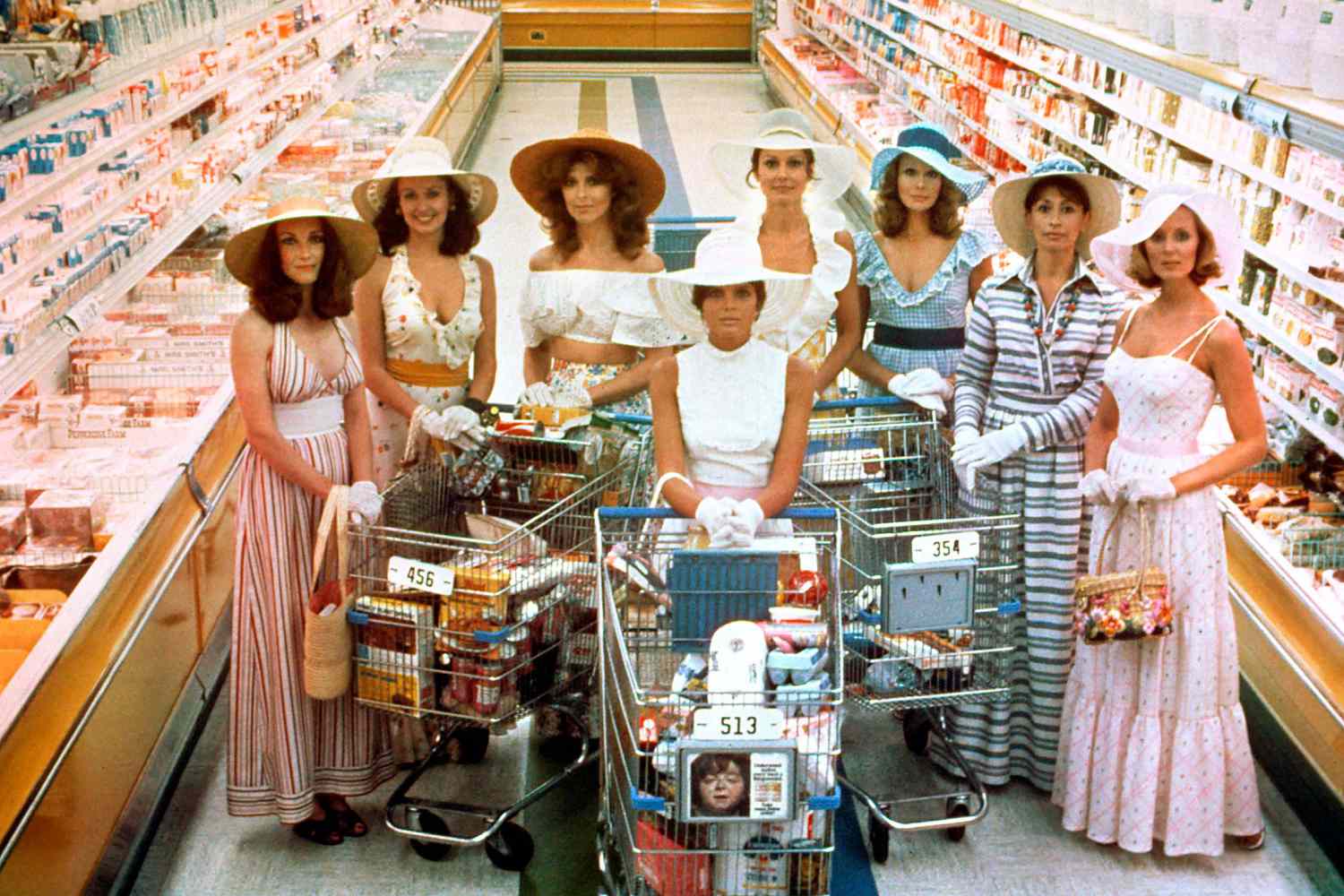
johnbowe.info – Bryan Forbes’ 1975 film, The Stepford Wives, is a chilling psychological thriller that explores the dark underbelly of suburban life. The film follows Joanna Eberhart (Nicole Kidman), a successful photographer who moves with her family to the idyllic town of Stepford, Connecticut. As she settles into her new life, she begins to notice strange occurrences among the town’s women, who seem eerily perfect and submissive.

A World of Facades

Stepford is a town where appearances are everything. The women are beautiful, the homes are immaculate, and the men are successful. However, beneath the surface, a sinister secret lurks. Joanna soon discovers that the women of Stepford are not what they seem. They are, in fact, lifelike androids, created by a group of men to serve their every whim.

A Satirical Look at Gender Roles

The Stepford Wives is a powerful satire that critiques traditional gender roles and the expectations placed on women. The film suggests that the perfect suburban housewife is a myth, a construct created to control and subjugate women. By portraying the women of Stepford as robotic and emotionless, the film exposes the dehumanizing effects of such a lifestyle.

A Masterful Blend of Horror and Satire

The film’s blend of horror and satire is both disturbing and thought-provoking. The eerie atmosphere, coupled with the unsettling performances of the Stepford Wives, creates a sense of unease and dread. The film’s underlying message about the dangers of conformity and the suppression of individuality is timeless.

A Cult Classic

The Stepford Wives has become a cult classic, inspiring numerous adaptations and reimaginings. The film’s exploration of themes such as identity, control, and the nature of reality continues to resonate with audiences today. It is a chilling reminder of the potential dangers of a society that values conformity over individuality.

The Lavender Hill Mob: An Iconic Ealing Comedy of 1951

johnbowe.info – “The Lavender Hill Mob,” released in 1951, is a classic British comedy film that stands as a notable example of post-war British cinema. Directed by Charles Crichton and produced by Ealing Studios, it features an exceptional performance by Alec Guinness, portraying a mild-mannered bank clerk with a penchant for adventure and crime.

Plot Overview

The film centers around Henry Holland, played by Alec Guinness, a seemingly unremarkable bank clerk responsible for overseeing the transport of gold bullion. After years of mundane service, Holland concocts a plan to steal a shipment of gold bars with the help of his eccentric neighbor, Alfred Pendlebury, portrayed by Stanley Holloway. Together, they devise an intricate scheme to melt the gold down and recast it into Eiffel Tower paperweights, making it easier to smuggle out of the country.

Characters and Performances

Alec Guinness’s portrayal of Henry Holland is one of the film’s highlights. His transformation from a meek clerk to a master criminal is both believable and entertaining. Stanley Holloway complements Guinness with his portrayal of Pendlebury, adding a layer of humor and charm to the criminal duo. The chemistry between the two leads plays a significant role in the film’s success.

Themes and Style

“The Lavender Hill Mob” explores themes of ambition, greed, and the allure of crime, wrapped in the comedic style typical of Ealing Studios. The film’s humor is derived from the absurdity of the situation and the characters’ attempts to maintain their ordinary lives while executing an extraordinary plan. Crichton’s direction ensures that the pacing keeps audiences engaged, balancing the comedic elements with moments of tension and suspense.

Legacy and Impact

Considered one of the finest Ealing comedies, “The Lavender Hill Mob” has left a lasting impact on British cinema. Its clever screenplay, penned by T.E.B. Clarke, won an Academy Award for Best Writing (Story and Screenplay). The film’s success contributed to the international reputation of Ealing Studios as a hub for quality comedic films.

Conclusion

“The Lavender Hill Mob” remains a beloved classic, celebrated for its wit, charm, and brilliant performances. It exemplifies the spirit of British comedy during the post-war era and continues to be a testament to the talents of Alec Guinness and the creative team at Ealing Studios. Whether appreciated for its humor or its clever narrative, the film holds an enduring place in cinematic history.

The Journey (2014): A Cinematic Exploration of Culture & Family

johnbowe.info – “The Journey” is a 2014 Malaysian film that beautifully captures the nuances of cultural differences and familial bonds. Directed by Chiu Keng Guan, the movie was a commercial success and resonated with audiences for its heartfelt portrayal of tradition and modernity.

Plot Overview

The story revolves around Uncle Chuan, a conservative father who values his traditions deeply, and his daughter Bee, who returns home from overseas with her British fiancé, Benji. The central tension arises when Bee and Benji’s wedding plans clash with Uncle Chuan’s traditional expectations. To bridge the cultural divide, they embark on a journey across Malaysia, which becomes a transformative experience for all involved.

Cultural Themes

The film is rich with cultural significance, highlighting the generational gap and the challenges of intercultural relationships. It delves into how love and understanding can transcend cultural barriers, offering a narrative that is both universal and uniquely Malaysian.

Reception

“The Journey” was praised for its stunning visuals and the authentic portrayal of Malaysian landscapes and cultures. It became the highest-grossing Malaysian film at the time, a testament to its wide appeal and powerful storytelling.

Conclusion

In conclusion, “The Journey” is more than just a film about a wedding; it’s a poignant exploration of identity, family, and the ties that bind. Its success is a reflection of its ability to touch on the universal themes of love and acceptance, making it a standout piece in Malaysian cinema.

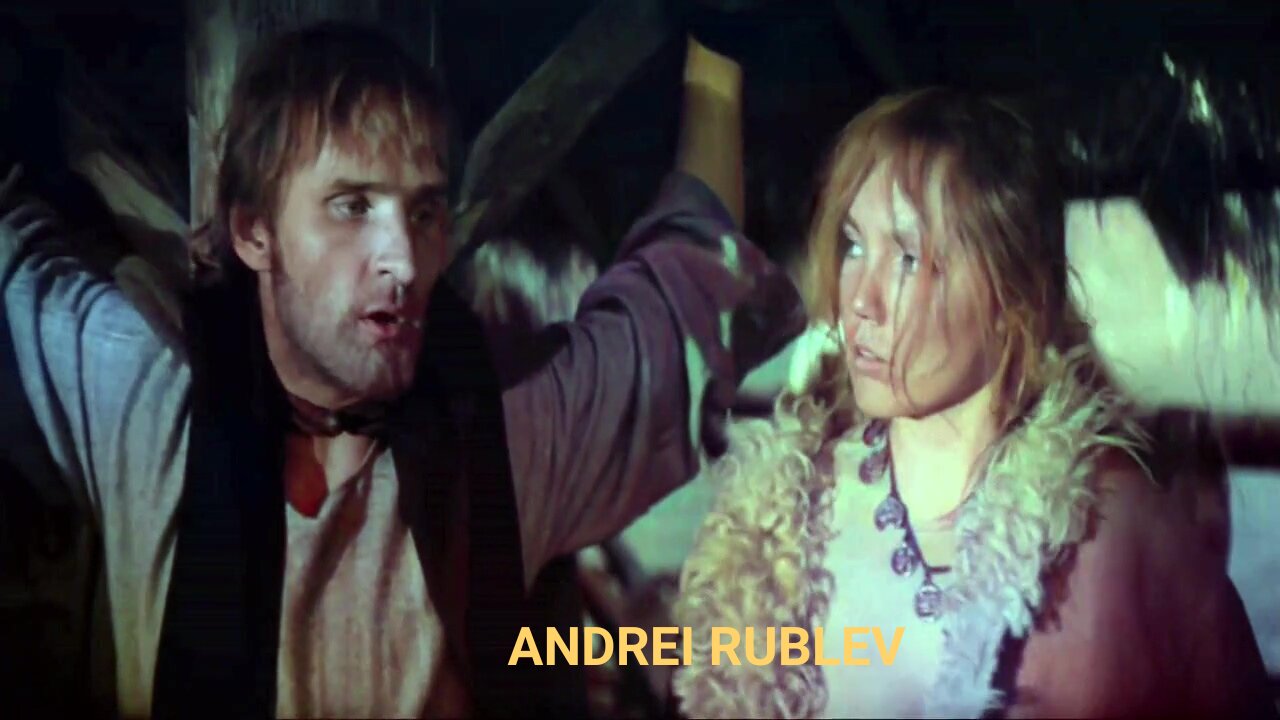
Exploring the Depths of Andrei Rublev (1966)

johnbowe.info – The 1966 film “Andrei Rublev,” directed by the visionary filmmaker Andrei Tarkovsky, stands as a monumental piece of cinematic art. This film offers a profound exploration of the life of Andrei Rublev, a 15th-century Russian icon painter, while delving into broader themes of faith, creativity, and the human condition amidst the tumult of medieval Russia.

Historical Context and Plot

Set against the backdrop of a turbulent period in Russian history marked by Tartar invasions and internal strife, “Andrei Rublev” chronicles the life and spiritual journey of the titular character. The film is structured into a series of episodes that depict Rublev’s evolution from an idealistic monk to a disillusioned artist, ultimately culminating in a spiritual and artistic rebirth.

Themes and Symbolism

Tarkovsky’s masterpiece is not just a biographical account but an allegorical meditation on the nature of art and the role of the artist in society. The film is rich with symbolism, exploring themes of faith, doubt, and redemption. It raises poignant questions about the relationship between suffering and creativity, illustrating how personal and societal turmoil can shape and redefine artistic expression.

Cinematic Techniques

“Andrei Rublev” is renowned for its innovative cinematic techniques. Tarkovsky employs striking visual imagery and a contemplative pacing that invites viewers to immerse themselves fully into the narrative. The use of black-and-white cinematography, interspersed with moments of color, enhances the film’s emotional and thematic depth, creating a visual poetry that is uniquely Tarkovsky’s.

Impact and Legacy

Despite facing censorship and limited distribution in the Soviet Union, “Andrei Rublev” has garnered critical acclaim and is celebrated as one of the greatest films of all time. Its influence extends beyond Russian cinema, impacting filmmakers and audiences worldwide with its profound exploration of the human spirit and the artist’s place in the world.

Conclusion

“Andrei Rublev” remains a timeless cinematic experience, offering viewers a profound reflection on the complexities of human existence and the enduring power of art. Tarkovsky’s masterpiece transcends its historical setting, resonating with universal themes of faith, resilience, and the transformative power of creativity.