
David Geffen: Billionaire Media Mogul Behind Hollywood’s Success

johnbowe.info – David Geffen is one of the most influential and successful figures in the entertainment industry. As the founder of major music and film companies, Geffen’s legacy spans decades of shaping pop culture through his strategic business moves. With a net worth that has placed him among the wealthiest people in the world, David Geffen’s career continues to inspire entrepreneurs and creatives alike. His wealth and success stem not only from his groundbreaking ventures in the music and film industries but also from his savvy investments in real estate and philanthropy.

Early Life and Career Beginnings

David Geffen was born on February 21, 1943, in Brooklyn, New York, to a Jewish family. He grew up in a working-class neighborhood, where he developed an early interest in the arts and entertainment. After attending the University at Buffalo and graduating with a degree in English, Geffen moved to California to pursue a career in the entertainment industry.

Geffen’s journey began in the entertainment business with a job at the William Morris Agency as a mailroom clerk, where he quickly learned the ins and outs of Hollywood. His first major success came when he helped secure a record deal for singer-songwriter Joni Mitchell, leading to the founding of Asylum Records in 1970. Asylum became a highly successful label, signing top artists like The Eagles, Jackson Browne, and Linda Ronstadt.

The Creation of Geffen Records

In 1980, Geffen took a leap and founded his own record label, Geffen Records. This move proved to be an important milestone in his career. The label became known for its bold, genre-defying approach to music, signing major artists such as Aerosmith, John Lennon, and Cher. Under Geffen’s leadership, the label produced some of the biggest hits in the music industry, cementing his reputation as a powerful force in music.

Geffen sold Geffen Records to Universal Music Group in 1990 for a reported $550 million, adding significantly to his net worth. This sale set the stage for Geffen to expand his influence beyond music, leading to the creation of DreamWorks SKG.

DreamWorks SKG and Expanding Media Empire

In 1994, David Geffen co-founded DreamWorks SKG with fellow moguls Steven Spielberg and Jeffrey Katzenberg. The company was designed to merge the worlds of music, film, and television, and quickly became a major player in Hollywood. DreamWorks produced major films such as “Saving Private Ryan” and “Gladiator,” both of which were critically acclaimed and commercially successful. The studio’s films became known for their high quality and storytelling innovation, helping Geffen establish himself as a powerhouse in the entertainment world.

In 2006, DreamWorks was sold to Paramount Pictures for $1.6 billion, further increasing Geffen’s wealth. His ownership stake in DreamWorks continued to provide him with substantial income long after the sale, cementing his status as one of the most successful media moguls of his generation.

David Geffen’s Net Worth

As of 2025, David Geffen’s net worth is estimated to be $10 billion, making him one of the wealthiest people in the world. His fortune comes from his groundbreaking ventures in the music and film industries, as well as from his diverse investments in real estate, technology, and more. Geffen’s wealth continues to grow thanks to his long-term investments in lucrative properties, as well as his involvement in major business deals in entertainment.

Geffen’s net worth is bolstered by his stake in Universal Music Group (from his sale of Geffen Records), as well as his ownership in significant real estate holdings, including high-end properties in Malibu, New York, and Laguna Beach.

Real Estate Investments and Luxurious Lifestyle

David Geffen is well known for his luxurious lifestyle, which is reflected in his impressive real estate portfolio. One of his most notable acquisitions is a $165 million mansion in Malibu, California, which he bought in 1999. The mansion, located on a sprawling estate overlooking the ocean, is considered one of the most expensive private residences in the U.S. Geffen also owns a $70 million penthouse in New York City and several other luxury properties.

Geffen’s real estate investments are not only a source of wealth but also a reflection of his penchant for fine living. His properties are among the most sought-after and prestigious in the world, and his real estate holdings continue to appreciate in value.

Philanthropy and Charitable Contributions

David Geffen has also earned a reputation for his philanthropic efforts, making significant donations to causes such as health care, education, the arts, and social justice. Through his David Geffen Foundation, he has supported a range of charitable initiatives.

Some of Geffen’s most notable contributions include:

  • A $200 million donation to the David Geffen School of Medicine at UCLA, which became one of the largest contributions ever given to a medical school.
  • A $15 million donation to the renovation of the Geffen Playhouse, a well-known Los Angeles theater.
  • Support for AIDS research, including donations to organizations like the AIDS Healthcare Foundation.

Geffen’s commitment to philanthropy has had a profound impact on various causes, and his charitable donations continue to benefit many individuals and organizations.

David Geffen’s Legacy and Influence

David Geffen’s career has left an indelible mark on the entertainment industry. From his early days in the music business to his role in shaping Hollywood through DreamWorks, Geffen has been at the forefront of innovation in both music and film. His legacy as a visionary media mogul and successful entrepreneur is firmly cemented, and his influence will continue to shape the entertainment world for years to come.

With a net worth of $10 billion, David Geffen remains one of the wealthiest and most influential figures in Hollywood and beyond. His story is one of persistence, creativity, and business savvy, and he will undoubtedly continue to inspire future generations of entrepreneurs and creatives alike. Geffen’s impact on the entertainment industry, as well as his philanthropic contributions, ensure that his legacy will endure for decades to come.
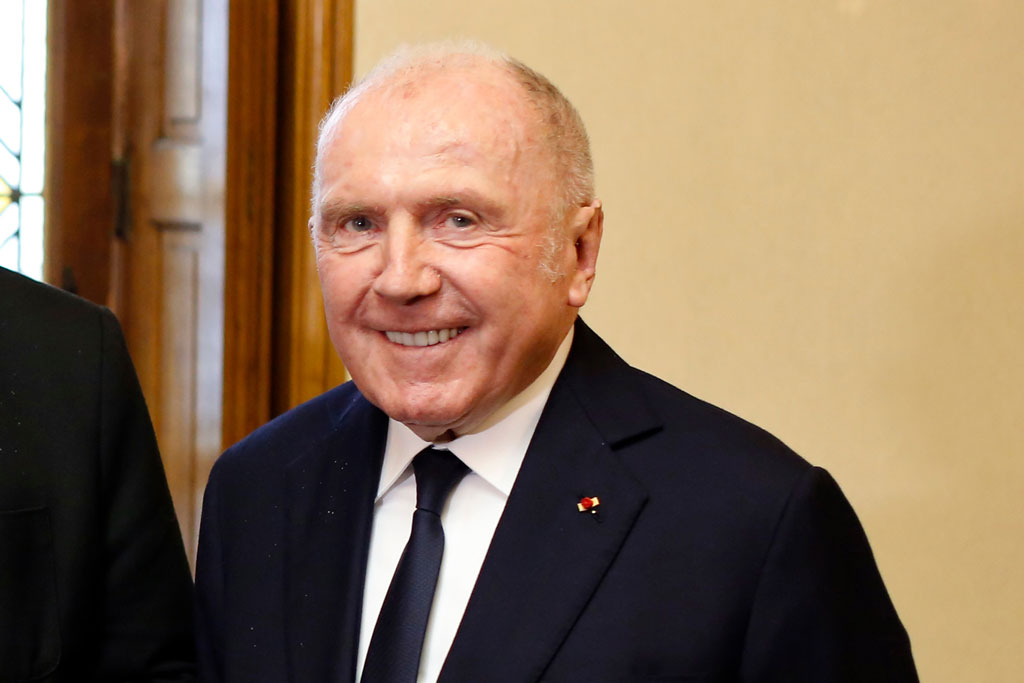
François Pinault: French Luxury Mogul – Kering’s Global Success

johnbowe.info – François Pinault is a prominent French billionaire entrepreneur, renowned for his transformation of Kering into one of the world’s leading luxury goods companies. As the founder of the Pinault family holding company, Pinault has played an instrumental role in shaping the global luxury market. Through strategic acquisitions, innovation, and a deep understanding of fashion and consumer behavior, he has turned Kering into a powerhouse in the fashion, sports, and lifestyle sectors. This article delves into François Pinault’s journey, his business ventures, and the significant impact he has had on the luxury goods industry.

Early Life and Background

François Pinault was born on August 21, 1936, in Les Champs-Géraux, a small village in Brittany, France. Growing up in a working-class family, Pinault was exposed to the values of hard work and perseverance from an early age. He began his career in the timber business, working with his father and eventually establishing his own company. Pinault’s early experience in the timber industry would lay the foundation for his future success in the business world.

Pinault’s entrepreneurial spirit was evident even in his youth. He moved to Paris in the 1950s, where he pursued a career in business. Over time, he expanded his reach into other industries, eventually shifting his focus toward luxury goods and fashion, which would later become the hallmark of his business empire.

The Founding of Pinault-Printemps-Redoute (PPR)

In 1963, François Pinault founded his first business, a timber trading company. Through a series of strategic acquisitions, he expanded his operations into the retail sector, and in the 1980s, he founded Pinault-Printemps-Redoute (PPR), a diversified multinational corporation. PPR initially focused on retail operations, but Pinault had larger ambitions for the company and began acquiring stakes in luxury brands, which would shape the company’s future trajectory.

Pinault’s early acquisitions included the French department store chain Printemps and the mail-order company Redoute, which gave PPR a strong presence in the retail market. However, it was his decision to pivot toward luxury goods that would ultimately define the company’s future success. In the 1990s, Pinault began acquiring luxury brands, including Gucci, Yves Saint Laurent, and Boucheron, transforming PPR into a dominant player in the luxury sector.

Transformation of PPR into Kering

In the early 2000s, Pinault made the bold decision to focus exclusively on luxury goods, shifting PPR’s strategy away from its retail and mail-order roots. Under his leadership, PPR divested its non-luxury assets and fully embraced its new identity as a luxury conglomerate. In 2013, PPR rebranded itself as Kering, signaling its transformation into a global leader in luxury fashion and lifestyle.

The strategic acquisition of iconic brands such as Gucci, Saint Laurent, and Alexander McQueen helped Kering solidify its position as one of the largest luxury goods companies in the world. François Pinault’s ability to identify and nurture high-end brands allowed Kering to outperform its competitors and become a key player in the global luxury market. His focus on innovation, sustainability, and artistic direction helped Kering maintain a competitive edge in an ever-changing industry.

Key Acquisitions and Business Strategy

François Pinault’s success in the luxury industry can be attributed to his keen business acumen and his ability to spot opportunities in the market. Throughout his career, Pinault has been known for making strategic acquisitions that have strengthened his company’s portfolio. Some of the most notable acquisitions include:

  1. Gucci Group: In the early 2000s, Pinault acquired the Gucci Group, which included renowned brands such as Gucci, Yves Saint Laurent, and Boucheron. This acquisition catapulted Kering into the luxury fashion world and allowed it to compete with industry giants like LVMH.
  2. Saint Laurent: Under the guidance of François Pinault, Kering acquired the iconic fashion house Yves Saint Laurent in 1999. The acquisition proved to be highly successful, and the brand became one of the most profitable in Kering’s portfolio.
  3. Balenciaga and Alexander McQueen: These high-fashion brands were added to Kering’s portfolio in the 2000s, further solidifying the company’s reputation for luxury and innovation.
  4. Sustainability Focus: In addition to luxury acquisitions, Pinault has been a strong advocate for sustainability in the fashion industry. Under his leadership, Kering has pioneered several initiatives aimed at reducing the environmental impact of its operations. The company has committed to sustainable sourcing of materials and is working toward a more transparent and ethical supply chain.

François Pinault’s business strategy revolves around the idea of fostering creativity and maintaining artistic integrity within the brands Kering owns. He believes that success in the luxury sector relies not only on financial growth but also on cultivating unique, high-quality products that resonate with consumers.

Philanthropy and Art Patronage

François Pinault is also known for his philanthropic endeavors, particularly in the arts. Throughout his career, he has been a passionate supporter of contemporary art and culture. Pinault has used his wealth and influence to establish and fund various art initiatives, including the Pinault Collection, which houses one of the most extensive collections of contemporary art in the world.

In 2006, François Pinault opened the Palazzo Grassi, a museum dedicated to contemporary art in Venice, Italy. In 2011, he expanded his art presence with the opening of the Punta della Dogana, another museum in Venice. These cultural investments reflect Pinault’s commitment to supporting the arts and promoting global appreciation for contemporary art.

Pinault’s philanthropic efforts also extend to environmental causes, as Kering has been actively involved in sustainability programs. The company’s commitment to reducing its environmental footprint aligns with Pinault’s broader vision of using business to effect positive change in society.

Personal Life and Legacy

François Pinault is married to Salma Hayek, a well-known actress and producer, with whom he has a daughter. The couple’s relationship has garnered significant media attention, but François Pinault has maintained a relatively private lifestyle despite his public stature. Pinault has consistently shied away from excessive publicity and prefers to focus on his business ventures and philanthropic activities.

Pinault’s legacy is likely to be defined by his extraordinary achievements in the luxury industry, where he has established himself as one of the most influential figures of his generation. Through Kering, he has reshaped the global fashion landscape, helping to build some of the most iconic luxury brands in the world. His commitment to creativity, sustainability, and social responsibility has set a new standard for how luxury companies can operate in the modern world.

Conclusion

François Pinault’s career is a testament to the power of strategic vision and innovation in building a business empire. Through his leadership of Kering and his astute acquisitions, he has created one of the most influential luxury conglomerates in the world. His commitment to nurturing creativity, supporting the arts, and promoting sustainability has not only transformed the luxury market but has also set a precedent for future generations of entrepreneurs. François Pinault’s legacy as a business mogul, philanthropist, and art patron will continue to shape the global landscape for years to come.

50 Cent: From Street Hustler to Hip-Hop Mogul

johnbowe.info – Curtis James Jackson III, known professionally as 50 Cent, is a name that resonates with success in the realms of music, business, and entertainment. Born on July 6, 1975, in Queens, New York, 50 Cent rose from humble beginnings to become one of the most influential figures in hip-hop. His journey from the streets to the top of the music charts is a remarkable story of resilience, talent, and entrepreneurial spirit.

Early Life and the Path to Music

Growing up in the tumultuous environment of South Jamaica, Queens, 50 Cent faced numerous challenges from an early age. His experiences with street life and the drug trade profoundly influenced his music, giving it an authenticity that resonated with listeners. In 1996, he began pursuing a career in music, eventually catching the attention of Jam Master Jay and honing his skills as a rapper.

Breakthrough with “Get Rich or Die Tryin’”

50 Cent’s career took a groundbreaking turn with the release of his debut studio album, “Get Rich or Die Tryin’,” in 2003. The album, featuring hits like “In Da Club” and “21 Questions,” was a commercial success and catapulted him to international fame. His gritty lyrics and charismatic persona captivated audiences, earning him accolades and establishing him as a major player in the hip-hop scene.

Expanding Horizons: Business Ventures and Acting

Beyond music, 50 Cent has proven himself to be a savvy businessman and actor. His ventures include the successful launch of G-Unit Records, clothing lines, and a stake in Vitaminwater, which netted him a substantial profit when the company was sold to Coca-Cola. Additionally, 50 Cent has made a name for himself in the entertainment industry, starring in films like “Get Rich or Die Tryin’” and producing the hit television series “Power.”

Overcoming Adversity and Legal Challenges

50 Cent’s journey has not been without its share of obstacles. He has faced multiple legal battles and financial setbacks, including a highly publicized bankruptcy filing in 2015. Despite these challenges, 50 Cent has consistently demonstrated resilience, using setbacks as stepping stones to further success. His ability to reinvent himself and adapt to changing circumstances has been a key factor in his enduring career.

Legacy and Influence in Hip-Hop

50 Cent’s impact on the music industry extends beyond his own discography. As a mentor and collaborator, he has helped shape the careers of numerous artists within his G-Unit collective and beyond. His influence is evident in the stylistic and thematic elements that continue to permeate hip-hop culture.

Conclusion: The Enduring Legacy of 50 Cent

50 Cent’s transformation from a street hustler to a hip-hop mogul is a testament to his determination, versatility, and business acumen. His contributions to music, business, and entertainment have left an indelible mark on popular culture. As he continues to evolve and expand his empire, 50 Cent remains a powerful figure whose legacy will inspire future generations.