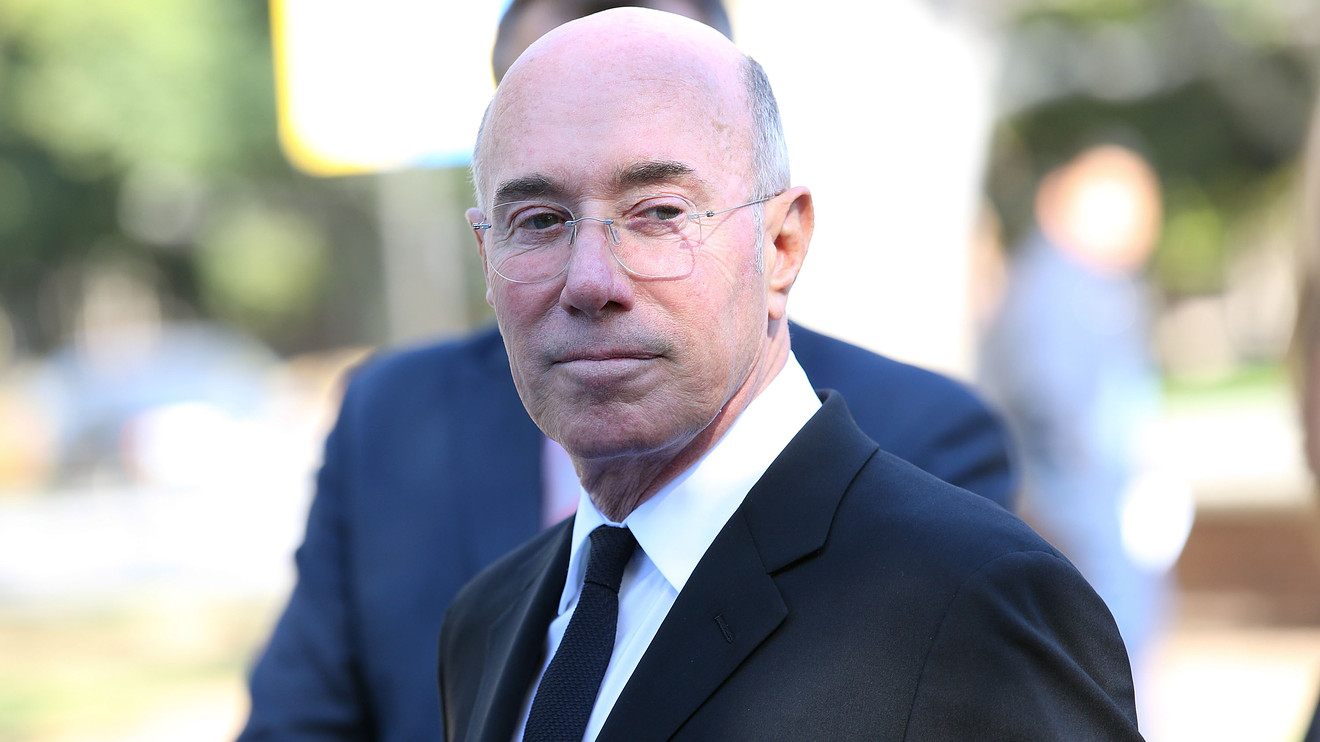
David Geffen: Billionaire Media Mogul Behind Hollywood’s Success

johnbowe.info – David Geffen is one of the most influential and successful figures in the entertainment industry. As the founder of major music and film companies, Geffen’s legacy spans decades of shaping pop culture through his strategic business moves. With a net worth that has placed him among the wealthiest people in the world, David Geffen’s career continues to inspire entrepreneurs and creatives alike. His wealth and success stem not only from his groundbreaking ventures in the music and film industries but also from his savvy investments in real estate and philanthropy.

Early Life and Career Beginnings

David Geffen was born on February 21, 1943, in Brooklyn, New York, to a Jewish family. He grew up in a working-class neighborhood, where he developed an early interest in the arts and entertainment. After attending the University at Buffalo and graduating with a degree in English, Geffen moved to California to pursue a career in the entertainment industry.

Geffen’s journey began in the entertainment business with a job at the William Morris Agency as a mailroom clerk, where he quickly learned the ins and outs of Hollywood. His first major success came when he helped secure a record deal for singer-songwriter Joni Mitchell, leading to the founding of Asylum Records in 1970. Asylum became a highly successful label, signing top artists like The Eagles, Jackson Browne, and Linda Ronstadt.

The Creation of Geffen Records

In 1980, Geffen took a leap and founded his own record label, Geffen Records. This move proved to be an important milestone in his career. The label became known for its bold, genre-defying approach to music, signing major artists such as Aerosmith, John Lennon, and Cher. Under Geffen’s leadership, the label produced some of the biggest hits in the music industry, cementing his reputation as a powerful force in music.

Geffen sold Geffen Records to Universal Music Group in 1990 for a reported $550 million, adding significantly to his net worth. This sale set the stage for Geffen to expand his influence beyond music, leading to the creation of DreamWorks SKG.

DreamWorks SKG and Expanding Media Empire

In 1994, David Geffen co-founded DreamWorks SKG with fellow moguls Steven Spielberg and Jeffrey Katzenberg. The company was designed to merge the worlds of music, film, and television, and quickly became a major player in Hollywood. DreamWorks produced major films such as “Saving Private Ryan” and “Gladiator,” both of which were critically acclaimed and commercially successful. The studio’s films became known for their high quality and storytelling innovation, helping Geffen establish himself as a powerhouse in the entertainment world.

In 2006, DreamWorks was sold to Paramount Pictures for $1.6 billion, further increasing Geffen’s wealth. His ownership stake in DreamWorks continued to provide him with substantial income long after the sale, cementing his status as one of the most successful media moguls of his generation.

David Geffen’s Net Worth

As of 2025, David Geffen’s net worth is estimated to be $10 billion, making him one of the wealthiest people in the world. His fortune comes from his groundbreaking ventures in the music and film industries, as well as from his diverse investments in real estate, technology, and more. Geffen’s wealth continues to grow thanks to his long-term investments in lucrative properties, as well as his involvement in major business deals in entertainment.

Geffen’s net worth is bolstered by his stake in Universal Music Group (from his sale of Geffen Records), as well as his ownership in significant real estate holdings, including high-end properties in Malibu, New York, and Laguna Beach.

Real Estate Investments and Luxurious Lifestyle

David Geffen is well known for his luxurious lifestyle, which is reflected in his impressive real estate portfolio. One of his most notable acquisitions is a $165 million mansion in Malibu, California, which he bought in 1999. The mansion, located on a sprawling estate overlooking the ocean, is considered one of the most expensive private residences in the U.S. Geffen also owns a $70 million penthouse in New York City and several other luxury properties.

Geffen’s real estate investments are not only a source of wealth but also a reflection of his penchant for fine living. His properties are among the most sought-after and prestigious in the world, and his real estate holdings continue to appreciate in value.

Philanthropy and Charitable Contributions

David Geffen has also earned a reputation for his philanthropic efforts, making significant donations to causes such as health care, education, the arts, and social justice. Through his David Geffen Foundation, he has supported a range of charitable initiatives.

Some of Geffen’s most notable contributions include:

  • A $200 million donation to the David Geffen School of Medicine at UCLA, which became one of the largest contributions ever given to a medical school.
  • A $15 million donation to the renovation of the Geffen Playhouse, a well-known Los Angeles theater.
  • Support for AIDS research, including donations to organizations like the AIDS Healthcare Foundation.

Geffen’s commitment to philanthropy has had a profound impact on various causes, and his charitable donations continue to benefit many individuals and organizations.

David Geffen’s Legacy and Influence

David Geffen’s career has left an indelible mark on the entertainment industry. From his early days in the music business to his role in shaping Hollywood through DreamWorks, Geffen has been at the forefront of innovation in both music and film. His legacy as a visionary media mogul and successful entrepreneur is firmly cemented, and his influence will continue to shape the entertainment world for years to come.

With a net worth of $10 billion, David Geffen remains one of the wealthiest and most influential figures in Hollywood and beyond. His story is one of persistence, creativity, and business savvy, and he will undoubtedly continue to inspire future generations of entrepreneurs and creatives alike. Geffen’s impact on the entertainment industry, as well as his philanthropic contributions, ensure that his legacy will endure for decades to come.
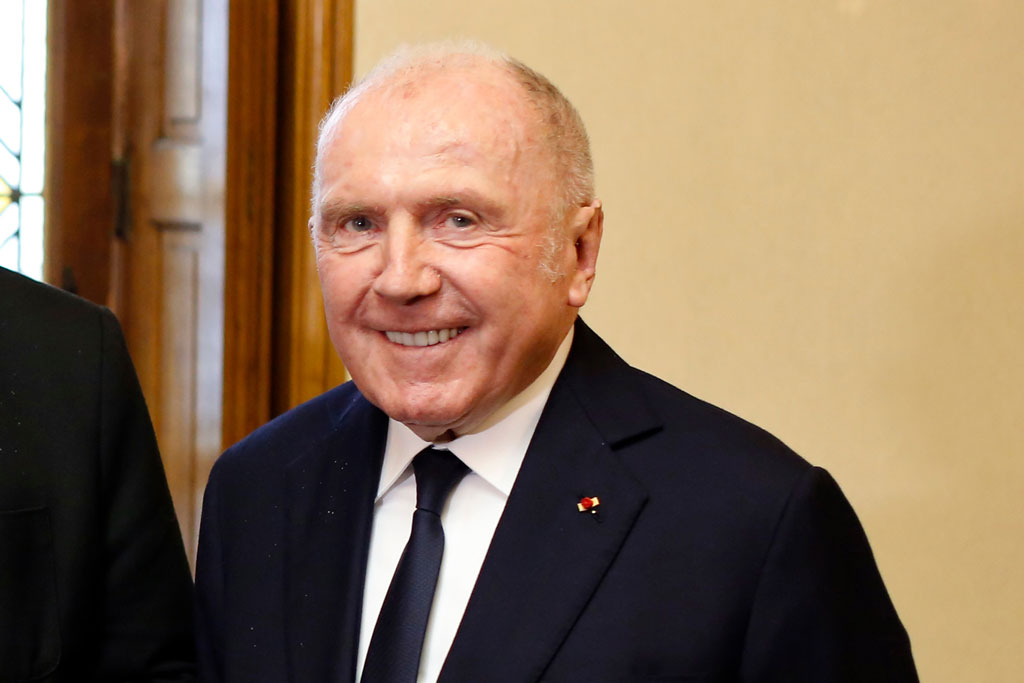

François Pinault: French Luxury Mogul – Kering’s Global Success

johnbowe.info – François Pinault is a prominent French billionaire entrepreneur, renowned for his transformation of Kering into one of the world’s leading luxury goods companies. As the founder of the Pinault family holding company, Pinault has played an instrumental role in shaping the global luxury market. Through strategic acquisitions, innovation, and a deep understanding of fashion and consumer behavior, he has turned Kering into a powerhouse in the fashion, sports, and lifestyle sectors. This article delves into François Pinault’s journey, his business ventures, and the significant impact he has had on the luxury goods industry.

Early Life and Background

François Pinault was born on August 21, 1936, in Les Champs-Géraux, a small village in Brittany, France. Growing up in a working-class family, Pinault was exposed to the values of hard work and perseverance from an early age. He began his career in the timber business, working with his father and eventually establishing his own company. Pinault’s early experience in the timber industry would lay the foundation for his future success in the business world.

Pinault’s entrepreneurial spirit was evident even in his youth. He moved to Paris in the 1950s, where he pursued a career in business. Over time, he expanded his reach into other industries, eventually shifting his focus toward luxury goods and fashion, which would later become the hallmark of his business empire.

The Founding of Pinault-Printemps-Redoute (PPR)

In 1963, François Pinault founded his first business, a timber trading company. Through a series of strategic acquisitions, he expanded his operations into the retail sector, and in the 1980s, he founded Pinault-Printemps-Redoute (PPR), a diversified multinational corporation. PPR initially focused on retail operations, but Pinault had larger ambitions for the company and began acquiring stakes in luxury brands, which would shape the company’s future trajectory.

Pinault’s early acquisitions included the French department store chain Printemps and the mail-order company Redoute, which gave PPR a strong presence in the retail market. However, it was his decision to pivot toward luxury goods that would ultimately define the company’s future success. In the 1990s, Pinault began acquiring luxury brands, including Gucci, Yves Saint Laurent, and Boucheron, transforming PPR into a dominant player in the luxury sector.

Transformation of PPR into Kering

In the early 2000s, Pinault made the bold decision to focus exclusively on luxury goods, shifting PPR’s strategy away from its retail and mail-order roots. Under his leadership, PPR divested its non-luxury assets and fully embraced its new identity as a luxury conglomerate. In 2013, PPR rebranded itself as Kering, signaling its transformation into a global leader in luxury fashion and lifestyle.

The strategic acquisition of iconic brands such as Gucci, Saint Laurent, and Alexander McQueen helped Kering solidify its position as one of the largest luxury goods companies in the world. François Pinault’s ability to identify and nurture high-end brands allowed Kering to outperform its competitors and become a key player in the global luxury market. His focus on innovation, sustainability, and artistic direction helped Kering maintain a competitive edge in an ever-changing industry.

Key Acquisitions and Business Strategy

François Pinault’s success in the luxury industry can be attributed to his keen business acumen and his ability to spot opportunities in the market. Throughout his career, Pinault has been known for making strategic acquisitions that have strengthened his company’s portfolio. Some of the most notable acquisitions include:

  1. Gucci Group: In the early 2000s, Pinault acquired the Gucci Group, which included renowned brands such as Gucci, Yves Saint Laurent, and Boucheron. This acquisition catapulted Kering into the luxury fashion world and allowed it to compete with industry giants like LVMH.
  2. Saint Laurent: Under the guidance of François Pinault, Kering acquired the iconic fashion house Yves Saint Laurent in 1999. The acquisition proved to be highly successful, and the brand became one of the most profitable in Kering’s portfolio.
  3. Balenciaga and Alexander McQueen: These high-fashion brands were added to Kering’s portfolio in the 2000s, further solidifying the company’s reputation for luxury and innovation.
  4. Sustainability Focus: In addition to luxury acquisitions, Pinault has been a strong advocate for sustainability in the fashion industry. Under his leadership, Kering has pioneered several initiatives aimed at reducing the environmental impact of its operations. The company has committed to sustainable sourcing of materials and is working toward a more transparent and ethical supply chain.

François Pinault’s business strategy revolves around the idea of fostering creativity and maintaining artistic integrity within the brands Kering owns. He believes that success in the luxury sector relies not only on financial growth but also on cultivating unique, high-quality products that resonate with consumers.

Philanthropy and Art Patronage

François Pinault is also known for his philanthropic endeavors, particularly in the arts. Throughout his career, he has been a passionate supporter of contemporary art and culture. Pinault has used his wealth and influence to establish and fund various art initiatives, including the Pinault Collection, which houses one of the most extensive collections of contemporary art in the world.

In 2006, François Pinault opened the Palazzo Grassi, a museum dedicated to contemporary art in Venice, Italy. In 2011, he expanded his art presence with the opening of the Punta della Dogana, another museum in Venice. These cultural investments reflect Pinault’s commitment to supporting the arts and promoting global appreciation for contemporary art.

Pinault’s philanthropic efforts also extend to environmental causes, as Kering has been actively involved in sustainability programs. The company’s commitment to reducing its environmental footprint aligns with Pinault’s broader vision of using business to effect positive change in society.

Personal Life and Legacy

François Pinault is married to Salma Hayek, a well-known actress and producer, with whom he has a daughter. The couple’s relationship has garnered significant media attention, but François Pinault has maintained a relatively private lifestyle despite his public stature. Pinault has consistently shied away from excessive publicity and prefers to focus on his business ventures and philanthropic activities.

Pinault’s legacy is likely to be defined by his extraordinary achievements in the luxury industry, where he has established himself as one of the most influential figures of his generation. Through Kering, he has reshaped the global fashion landscape, helping to build some of the most iconic luxury brands in the world. His commitment to creativity, sustainability, and social responsibility has set a new standard for how luxury companies can operate in the modern world.

Conclusion

François Pinault’s career is a testament to the power of strategic vision and innovation in building a business empire. Through his leadership of Kering and his astute acquisitions, he has created one of the most influential luxury conglomerates in the world. His commitment to nurturing creativity, supporting the arts, and promoting sustainability has not only transformed the luxury market but has also set a precedent for future generations of entrepreneurs. François Pinault’s legacy as a business mogul, philanthropist, and art patron will continue to shape the global landscape for years to come.

Ma Huateng: The Visionary Behind Tencent’s Global Success

johnbowe.info – Ma Huateng, better known as Pony Ma, is a name that has become synonymous with one of the largest and most influential technology companies in the world – Tencent. As the founder, chairman, and CEO of Tencent, Ma has transformed the company from a small startup into a global tech giant. With a vast portfolio that spans social media, gaming, fintech, and cloud services, Tencent under Ma’s leadership has had a profound impact on China’s tech industry and has shaped global digital trends.

Early Life and Education

Born on October 29, 1971, in Chaoyang, Guangdong Province, China, Ma Huateng’s early life was rooted in a traditional Chinese background. Growing up in a relatively modest family, he showed an early interest in technology and innovation. Ma excelled in his academic studies, particularly in the fields of mathematics and computer science, which laid the foundation for his future endeavors in the tech industry.

He attended Shenzhen University, where he graduated in 1993 with a degree in computer science. While his academic background provided a solid foundation for his career, it was his entrepreneurial spirit and foresight that ultimately set him on a path to revolutionize China’s internet landscape.

The Birth of Tencent

In 1998, Ma Huateng co-founded Tencent with his childhood friend Zhang Zhidong and a small team of developers. The company’s initial product was OICQ (later rebranded as QQ), an instant messaging service that would become the cornerstone of Tencent’s business. OICQ’s success in China was rapid, as it gained millions of users in a relatively short period. However, the company faced stiff competition, especially from international giants like ICQ and AOL.

Despite the competitive landscape, Ma’s vision and determination helped Tencent differentiate itself by adding innovative features such as online games, multimedia services, and other social networking tools to QQ. The expansion of QQ beyond simple messaging laid the groundwork for Tencent’s transformation into a multifaceted tech conglomerate.

Expansion into Social Media and Gaming

While QQ established Tencent’s presence in the Chinese internet market, Ma Huateng’s foresight led to the company’s expansion into various other sectors, most notably social media and online gaming.

  1. WeChat (Weixin): In 2011, Ma Huateng and his team launched WeChat, a mobile messaging app that would go on to become one of the most successful and widely used platforms in the world. WeChat offers an integrated suite of features, including text messaging, voice and video calls, social networking, online payments, e-commerce, and much more. The app has evolved from a simple messaging service into an all-encompassing super app, providing users with everything they need for daily life within a single platform. As of 2025, WeChat has over 1.2 billion monthly active users, making it a central part of China’s digital economy.

WeChat’s success has been a defining achievement for Ma Huateng and Tencent, not only consolidating Tencent’s dominance in China but also influencing how social media platforms operate globally. WeChat’s model of integrating various services into one platform has been emulated by companies worldwide.

  1. Gaming: Tencent’s foray into online gaming was equally transformative. The company quickly became a dominant player in the global gaming industry through strategic acquisitions and investments. Tencent owns Riot Games (the developer of the immensely popular game “League of Legends”) and has significant stakes in several other major gaming companies, including Epic Games (the creator of “Fortnite”) and Activision Blizzard.

Tencent’s gaming division, Tencent Games, has grown into one of the world’s largest and most profitable gaming companies. The company’s games have a massive global reach, and Tencent’s investment in eSports has helped to solidify its position as a key player in the gaming industry.

Diversification and Technological Innovation

Under Ma Huateng’s leadership, Tencent has diversified its portfolio far beyond gaming and social media. The company has invested heavily in various emerging technologies, including artificial intelligence (AI), cloud computing, fintech, and blockchain.

  1. Cloud Computing: Tencent Cloud, launched in 2013, is one of the leading cloud service providers in China. Tencent’s cloud computing business has grown rapidly, competing with international giants like Amazon Web Services (AWS) and Microsoft Azure. By focusing on AI-driven solutions and big data analytics, Tencent has positioned itself as a leader in the cloud sector, both domestically and internationally.
  2. Fintech: Tencent has also become a significant player in China’s booming fintech sector through WeChat Pay and QQ Wallet. These digital payment services have revolutionized how people make payments in China, reducing the need for cash and credit cards. WeChat Pay, in particular, has become an essential part of everyday life, enabling users to pay for everything from groceries to utility bills with a few taps on their smartphones.
  3. Artificial Intelligence (AI): Tencent has made significant investments in AI research and development, with a focus on applications in healthcare, education, and autonomous vehicles. The company’s AI Lab, which conducts cutting-edge research, has contributed to the development of AI technologies that power Tencent’s various products, including WeChat’s intelligent assistant and AI-based gaming experiences.
  4. Blockchain: Tencent has also shown interest in blockchain technology, establishing the Tencent Blockchain Lab to explore innovative uses for the technology. While Tencent’s blockchain efforts are still in the early stages, the company is working on projects related to digital currencies, supply chain management, and decentralized applications.

Leadership Style and Philosophy

Ma Huateng’s leadership style is known for being low-profile, pragmatic, and highly focused on long-term goals. Unlike many other high-profile tech moguls, Ma avoids public appearances and media attention, preferring to let the company’s products and innovations speak for themselves. His preference for staying out of the limelight has earned him a reputation as a quiet, yet highly effective leader.

Ma’s philosophy is rooted in a deep belief in technology’s ability to improve people’s lives. He has often emphasized that Tencent’s mission is to “improve the quality of life through internet services.” Under his leadership, Tencent has been committed to developing products that not only entertain but also enrich users’ lives through convenience, social connectivity, and business solutions.

Personal Life and Wealth

Ma Huateng is known for his private and low-key lifestyle. He is rarely seen in public and keeps details of his personal life largely out of the media spotlight. Ma is married, and although he is a relatively quiet figure, he has gained global recognition for his work at Tencent.

As of 2025, Ma Huateng’s net worth has consistently placed him among the richest individuals in the world. His wealth has primarily been derived from his significant stake in Tencent, which has grown exponentially in value over the years. Ma’s success story has made him one of China’s most influential business leaders and a key figure in the global tech industry.

Challenges and Criticism

Despite his immense success, Ma Huateng and Tencent have faced several challenges and criticisms over the years. In China, Tencent has been subject to increasing government regulation, particularly concerning data privacy, content censorship, and the regulation of online gaming. The Chinese government has imposed stricter rules on gaming and internet use, which has impacted Tencent’s operations.

Tencent has also faced scrutiny over issues related to user privacy, particularly with regard to data collection on platforms like WeChat. While the company has implemented measures to address these concerns, it continues to navigate the complex landscape of digital privacy regulations.

Additionally, Tencent’s dominance in the gaming sector has raised concerns about monopolistic behavior and the impact of gaming addiction among young people. However, Tencent has responded by implementing measures such as limiting screen time for minors and introducing gaming addiction prevention tools.

Conclusion: A Legacy of Innovation and Global Impact

Ma Huateng’s journey from a small tech startup to one of the most influential business leaders in the world is a story of vision, resilience, and strategic brilliance. Through Tencent, Ma has not only reshaped China’s digital landscape but has also had a profound impact on the global tech industry.

With his focus on innovation, diversification, and long-term growth, Ma Huateng has built Tencent into a multi-faceted conglomerate that continues to lead in areas such as social media, gaming, cloud computing, and fintech. As one of China’s most powerful business figures, Ma’s legacy will be defined by his contributions to the digital revolution and his ability to adapt to the ever-changing technology landscape.

As Tencent continues to evolve under Ma’s leadership, there is little doubt that his impact on the global tech industry will continue to grow, shaping the future of technology, social media, and digital innovation for years to come.