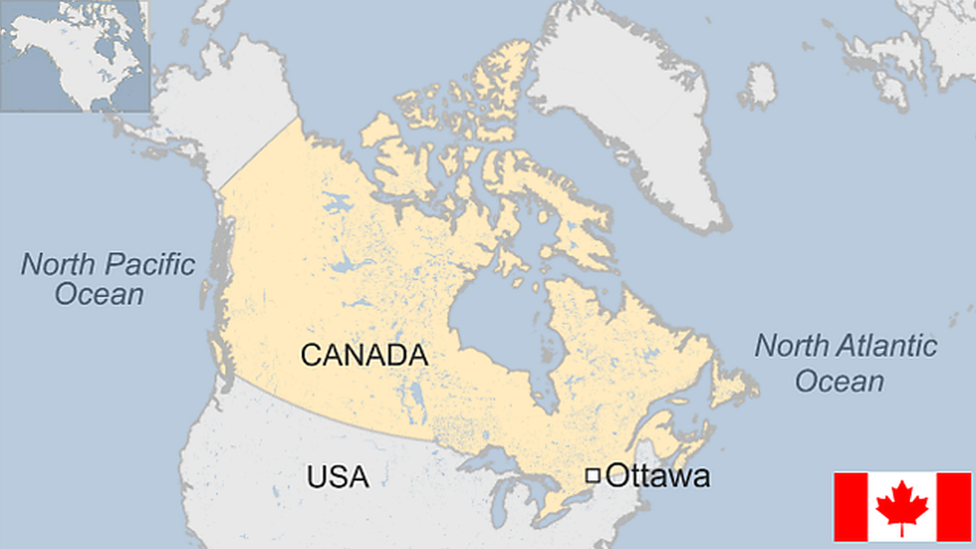
johnbowe.info – Canada, a country renowned for its vast landscapes and multicultural heritage, holds the distinction of being the second-largest country in the world by total area. Spanning across an impressive 9.98 million square kilometers, Canada is only surpassed in size by Russia. This article delves into the geographical, cultural, and economic aspects that make Canada a unique and significant nation on the global stage.
Geographical Overview
Canada’s immense size is a result of its extensive landmass, which stretches from the Atlantic Ocean in the east to the Pacific Ocean in the west, and northward into the Arctic Ocean. This vast expanse encompasses a diverse range of geographical features, including mountains, plains, forests, and tundra.
Diverse Landscapes
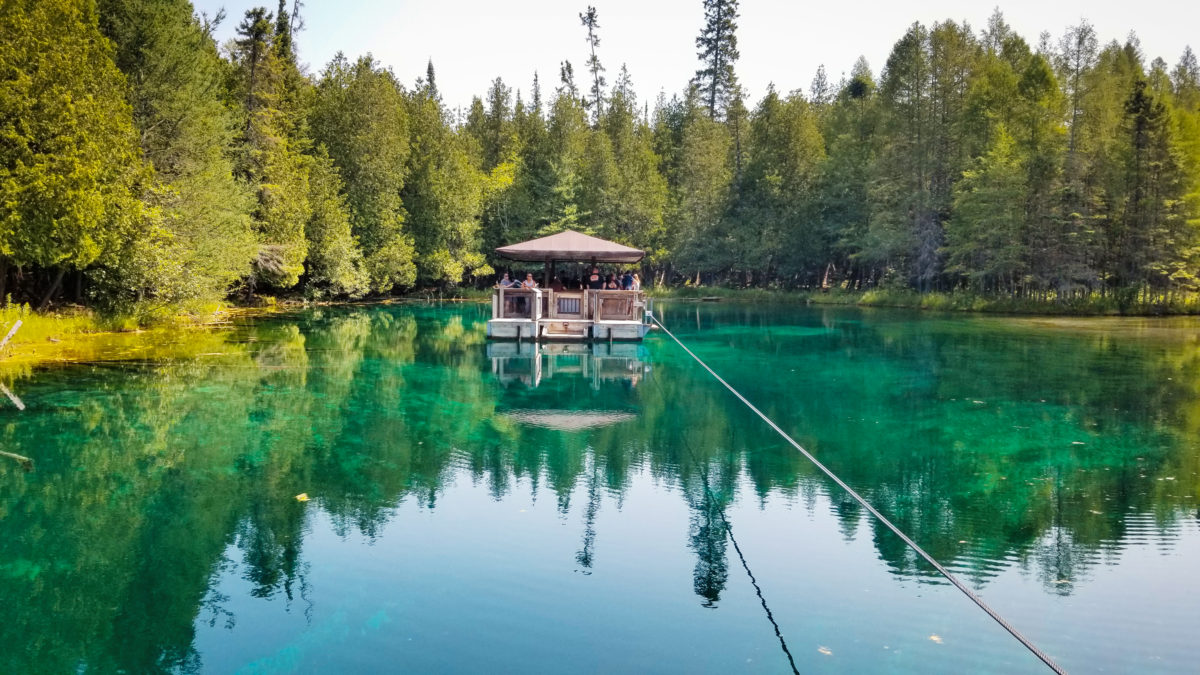
The country’s landscape is characterized by its natural beauty, with the Rocky Mountains in the west, the Great Lakes in the south, and the Arctic tundra in the north. Canada is also home to Niagara Falls, one of the most famous waterfalls in the world.
Climate Variations
Given its size, Canada experiences a wide range of climates, from the temperate maritime climate of the west coast to the subarctic climate of the northern territories. This diversity in climate contributes to the country’s rich biodiversity and offers a variety of outdoor activities for residents and visitors alike.
Cultural Tapestry
Canada’s cultural landscape is as diverse as its geographical one, with a population that reflects a blend of indigenous peoples, British, French, and a multitude of other ethnic groups. This multiculturalism is a defining feature of Canadian society, celebrated through festivals, cuisine, and art.
Multiculturalism
Canada’s multicultural policy, officially adopted in 1971, has fostered an inclusive society where people of different ethnicities, languages, and cultures can coexist and thrive. This policy has not only enriched Canadian society but has also contributed to its reputation as a welcoming country for immigrants.
Indigenous Cultures
The indigenous peoples of Canada, including First Nations, Inuit, and Métis, have a rich cultural heritage that dates back thousands of years. Their contributions to Canadian society are increasingly recognized, with efforts to preserve their languages, traditions, and rights.
Economic Strength
Canada’s economy is one of the largest in the world, driven by abundant natural resources, a well-educated workforce, and a stable political environment. The country is a leading exporter of natural resources such as oil, gas, minerals, and lumber.
Natural Resources
Canada’s vast natural resources have been a cornerstone of its economy, with the oil sands in Alberta being one of the largest deposits of crude oil in the world. Additionally, Canada is a significant producer of minerals such as nickel, gold, and uranium.
Innovation and Technology
Beyond natural resources, Canada has made significant contributions to innovation and technology. The country is home to a growing number of tech companies and startups, particularly in cities like Toronto, Vancouver, and Montreal. Canada’s commitment to research and development has led to advancements in fields such as artificial intelligence, clean technology, and biotechnology.
Conclusion
Canada’s status as the second-largest country in the world is a testament to its geographical vastness and cultural richness. From its stunning landscapes to its diverse population, Canada offers a unique blend of natural beauty, cultural heritage, and economic opportunity. As the country continues to grow and evolve, it remains a significant player on the global stage, celebrated for its inclusivity, innovation, and natural splendor.