Vatikan Gelar Pelantikan Paus Leo XIV Hari Ini, Upacara Sakral Digelar Terbuka di Santo Petrus

Link Slot : slot 5 ribu

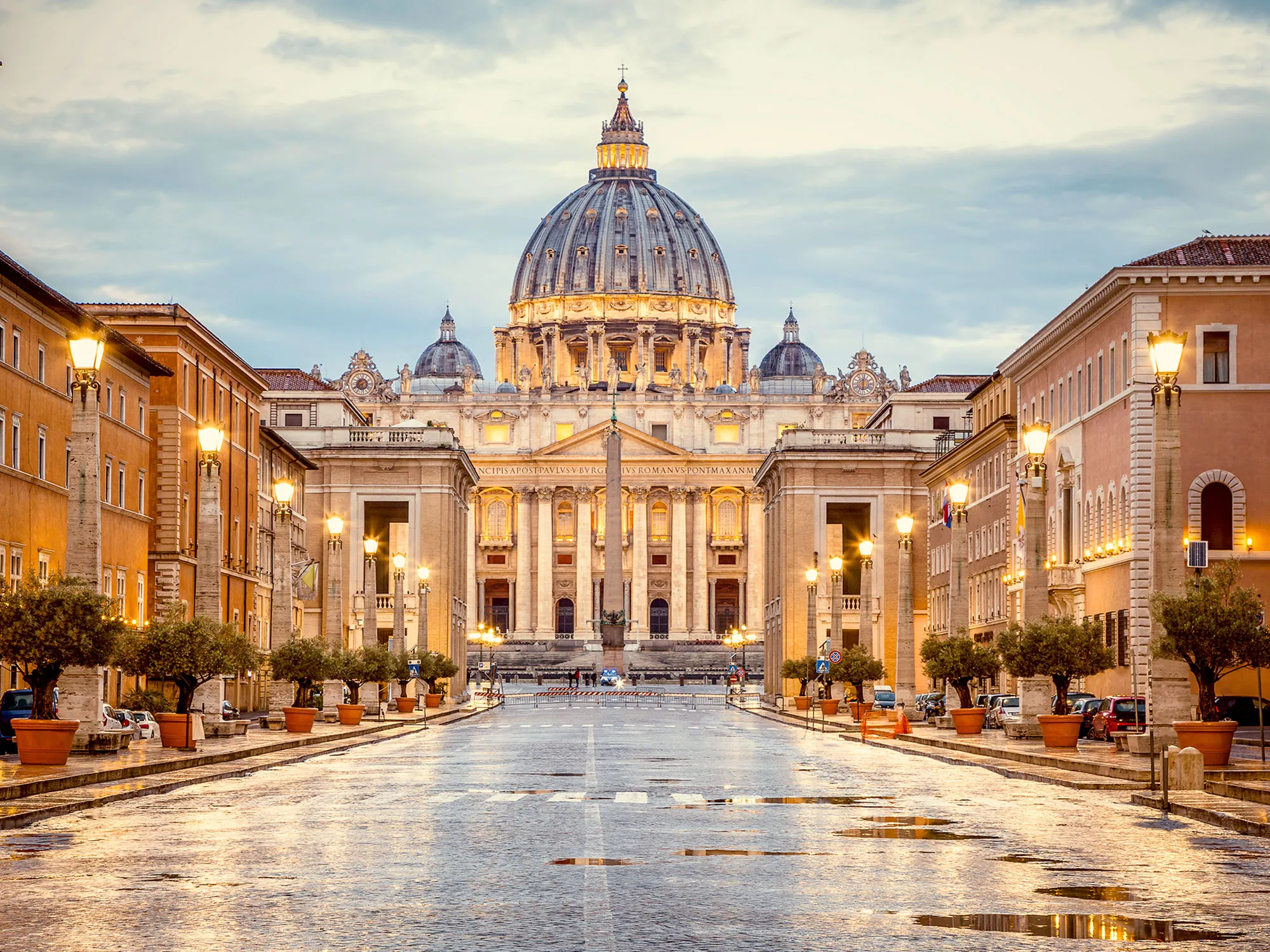
Vatikan hari ini menggelar upacara pelantikan resmi Paus Leo XIV sebagai pemimpin baru Gereja Katolik sedunia. Ribuan umat memadati Lapangan Santo Petrus sejak pagi untuk menyaksikan momen sakral yang digelar secara terbuka. Para kardinal, kepala negara, perwakilan diplomatik, serta pemimpin lintas agama turut hadir dan memberikan penghormatan kepada Paus terpilih.

Paus Leo XIV, yang sebelumnya menjabat sebagai Kardinal Giovanni Conti dari Italia, melangkah mantap menuju altar utama Basilika Santo Petrus. Ia mengenakan jubah putih kepausan dan menerima Palium serta Cincin Nelayan, dua simbol utama kepemimpinan Paus. Uskup Agung Roma memimpin prosesi pelantikan, sementara para imam dan pemimpin ordo keagamaan menyertai dalam doa dan pujian.

Vatikan membuka upacara ini untuk publik sebagai bentuk keterbukaan dan simbol persatuan umat. Kamera televisi internasional menyiarkan langsung momen bersejarah ini ke seluruh dunia, sementara umat di berbagai negara mengikuti pelantikan melalui layar lebar di gereja-gereja dan pusat komunitas Katolik.

Dalam homilinya, Paus Leo XIV menyerukan perdamaian, persaudaraan antarbangsa, dan perlindungan terhadap kaum miskin serta terpinggirkan. Ia berjanji akan melayani umat dengan rendah hati dan setia terhadap ajaran Kristus. “Saya mengajak seluruh umat untuk berjalan bersama, tanpa meninggalkan siapa pun di belakang,” tegasnya di hadapan ribuan hadirin.

Pasukan Garda Swiss menjaga ketat jalannya upacara, namun tetap membuka akses bagi peziarah dan umat yang ingin menyampaikan doa secara langsung. Setelah upacara, Paus Leo XIV memberkati umat dan menyampaikan salam perdamaian dari balkon utama Basilika Santo Petrus.

Pelantikan ini menandai awal babak baru dalam sejarah Gereja Katolik. Umat di seluruh dunia menaruh harapan besar kepada Paus Leo XIV untuk membawa angin segar dalam kepemimpinan spiritual global di tengah dunia yang penuh tantangan.

Mengenal Dollar Amerika Serikat (USD) – Ekonomi dan Peran Global

johnbowe.infoDollar Amerika Serikat (USD) adalah salah satu mata uang paling penting di dunia. Sebagai mata uang resmi negara Amerika Serikat, USD memiliki peran sentral dalam perekonomian global. Artikel ini akan membahas lebih dalam mengenai USD, asal-usulnya, serta dampaknya terhadap ekonomi dunia.

Sejarah Singkat Dollar Amerika Serikat (USD)

Sejak pertama kali diperkenalkan pada tahun 1792, USD telah berkembang menjadi mata uang yang digunakan secara luas di seluruh dunia. Keputusan untuk menggunakan dollar sebagai mata uang resmi Amerika Serikat dilakukan melalui undang-undang yang dikenal dengan Coinage Act of 1792. Mata uang ini awalnya disertai dengan logam mulia seperti emas dan perak sebagai backing, tetapi sistem ini berubah pada abad ke-20.

Sistem Bretton Woods dan Peran Dollar

Pada tahun 1944, setelah Perang Dunia II, dunia menciptakan sistem moneter internasional baru yang dikenal dengan sistem Bretton Woods. Dalam sistem ini, USD menjadi mata uang cadangan dunia yang dapat dipertukarkan dengan emas. Meskipun sistem ini dihentikan pada tahun 1971, di bawah kepemimpinan Presiden Richard Nixon, USD tetap mempertahankan peran dominannya dalam perdagangan internasional dan cadangan devisa global.

USD Sebagai Mata Uang Cadangan Dunia

Sejak saat itu, USD berperan penting sebagai mata uang cadangan dunia, dengan hampir 60% dari cadangan devisa global disimpan dalam bentuk USD. Negara-negara di seluruh dunia menggunakan dollar untuk perdagangan internasional, investasi, dan transaksi lainnya. Alasan utama di balik dominasi USD adalah kestabilan ekonomi Amerika Serikat, sistem keuangan yang maju, serta kepercayaan terhadap lembaga-lembaga ekonomi Amerika.

Penggunaan USD dalam Transaksi Internasional

Tidak hanya di pasar uang, USD juga digunakan dalam transaksi perdagangan internasional. Banyak komoditas penting, seperti minyak, emas, dan barang-barang lainnya, diperdagangkan dengan harga yang dinyatakan dalam USD. Ini menjadikan dollar sebagai mata uang yang sangat likuid dan diterima secara luas di hampir semua negara.

Peran USD dalam perdagangan internasional sangat besar, mengingat banyak negara dan perusahaan yang menyimpan cadangan dollar untuk menjaga stabilitas ekonomi mereka. Banyak negara juga terikat dalam perjanjian bilateral dan multilateral yang memfasilitasi penggunaan dollar dalam perdagangan dan transaksi keuangan mereka.

Dampak Nilai Tukar USD terhadap Ekonomi Dunia

Nilai tukar USD sangat mempengaruhi perekonomian global. Ketika nilai tukar dollar menguat terhadap mata uang lainnya, hal ini dapat mempengaruhi perdagangan internasional, inflasi, serta arus modal di berbagai negara. Kenaikan nilai USD dapat membuat barang-barang impor menjadi lebih mahal bagi negara-negara dengan mata uang lebih lemah, yang pada gilirannya dapat memperlambat pertumbuhan ekonomi di negara tersebut.

Kebijakan Moneter Amerika Serikat dan Pengaruhnya

Kebijakan moneter yang diterapkan oleh Federal Reserve (Bank Sentral Amerika Serikat) juga mempengaruhi nilai USD. Keputusan untuk menaikkan atau menurunkan suku bunga dapat menyebabkan pergerakan besar dalam nilai tukar dollar. Kenaikan suku bunga biasanya menguatkan USD, sementara penurunan suku bunga dapat melemahkannya. Hal ini menyebabkan USD menjadi instrumen penting dalam analisis ekonomi global.

Kesimpulan

Dollar Amerika Serikat (USD) adalah salah satu mata uang yang paling berpengaruh dalam perekonomian global. Peranannya sebagai mata uang cadangan dunia serta penggunaan luasnya dalam transaksi internasional menjadikannya pusat perhatian dalam berbagai analisis ekonomi. Meskipun banyak negara yang berusaha untuk mendiversifikasi cadangan mata uang mereka, dominasi USD masih bertahan kuat hingga saat ini.

Dengan perkembangan ekonomi dunia yang terus berubah, penting untuk memahami bagaimana perubahan dalam kebijakan Amerika Serikat atau fluktuasi nilai tukar dollar dapat mempengaruhi ekonomi global. Sebagai pembaca di johnbowe.info, Anda telah mendapatkan gambaran singkat tentang pentingnya Dollar Amerika Serikat dalam perekonomian dunia.

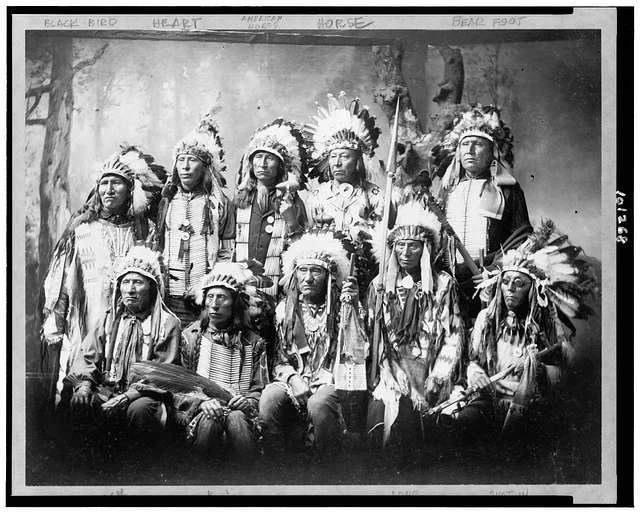
Native American History: A Chronicle of Cultural Survival

johnbowe.info – Native American history is a profound chronicle of resilience, resistance, and cultural survival. Spanning thousands of years, it is a history marked by profound connections to the land, complex social structures, and rich traditions. However, it is also a history of relentless struggles against colonization, forced displacement, cultural erasure, and systemic oppression. Despite these challenges, Native American communities have continued to persevere, adapting and thriving in the face of adversity. This article delves into the history of Native Americans, exploring their cultural survival and the ongoing efforts to preserve and revitalize their heritage.

The Ancient Roots of Native American Cultures

Before European explorers arrived in the Americas, Native American peoples had developed diverse and complex societies across the continents. These societies ranged from nomadic groups to sedentary civilizations, each with its own unique culture, language, and social structure.

In North America, Native American cultures flourished for thousands of years. Some of the earliest evidence of Native life dates back over 15,000 years, with archaeological sites such as Clovis, located in present-day New Mexico, offering insight into the first peoples to inhabit the continent. These early inhabitants adapted to a wide variety of environments, from the cold tundra of the far north to the temperate forests and vast plains.

Many tribes developed sophisticated farming techniques, including the cultivation of corn, beans, and squash—often referred to as the “Three Sisters”—which formed the foundation of their agricultural systems. Others, like the Great Plains tribes, were masterful hunters, relying on bison for food, clothing, and tools.

By the time European explorers arrived in the 15th and 16th centuries, Native American societies had already built complex political, social, and economic systems. Tribes such as the Iroquois Confederacy, the Cherokee, and the Navajo had established councils, laws, and practices that guided their communities. The Aztec, Inca, and Maya civilizations in Central and South America had constructed vast cities, developed advanced knowledge of astronomy and mathematics, and created impressive art and architecture.

European Colonization and Its Impact

The arrival of Europeans in the Americas brought profound changes to Native American societies. Spanish, English, French, and Dutch explorers and settlers sought to expand their empires and exploit the resources of the continent. This led to the introduction of diseases such as smallpox, influenza, and measles, which devastated Indigenous populations who had no immunity to these foreign pathogens.

In addition to disease, European settlers began encroaching on Native American lands, seeking to establish colonies, extract resources, and spread Christianity. For many tribes, this led to violent conflicts and the loss of their ancestral territories. As settlers moved westward, the displacement of Native peoples became systematic, and the U.S. government began to adopt policies designed to forcibly remove Indigenous populations from their lands.

The Indian Removal Act of 1830 was one of the most notorious examples of these policies, leading to the forced relocation of thousands of Native people from the southeastern United States to reservations in the west. The Trail of Tears, which saw the forced removal of the Cherokee, Choctaw, and other tribes, resulted in the deaths of thousands due to disease, starvation, and exposure.

Despite these horrific events, Native American tribes fought to maintain their way of life. They resisted displacement, sometimes through armed conflict, as in the case of the Lakota Sioux and the Apache, and other times through legal challenges, diplomacy, and negotiation. However, the force of colonization and the expansion of the U.S. frontier had a devastating impact on Native cultures and ways of life.

The Era of Assimilation and Cultural Destruction

Following the violent displacement and relocation of Native Americans, the U.S. government pursued policies aimed at assimilating Indigenous peoples into Western culture. The most infamous of these policies was the establishment of Indian boarding schools in the late 19th and early 20th centuries. These schools were designed to strip Native American children of their languages, traditions, and spiritual practices, forcing them to adopt Western customs and values.

At these schools, children were subjected to harsh discipline, prohibited from speaking their native languages, and punished for practicing their cultural rituals. The intent was to “civilize” Native American children by erasing their cultural identities and integrating them into mainstream American society. This forced assimilation caused lasting trauma, and the impact of these policies is still felt by Native communities today.

Additionally, the U.S. government sought to undermine Native American sovereignty by breaking up tribal lands through the Dawes Act of 1887. This act allotted individual plots of land to Native American families and opened up the remaining land to white settlers. The Dawes Act contributed to the erosion of Native communal land ownership and further weakened tribal governance.

Resistance and Revival: The Struggle for Survival

Despite centuries of adversity, Native Americans have demonstrated extraordinary resilience. Throughout the 19th and 20th centuries, Native communities resisted efforts to assimilate, fought to protect their land, and worked to preserve their cultural identities.

One of the most significant moments of resistance came in the form of the Indian Wars (1860s-1890s), when tribes such as the Lakota Sioux, Nez Perce, Apache, and Cheyenne fought to protect their lands from U.S. encroachment. Leaders like Sitting Bull, Crazy Horse, and Geronimo became symbols of Native resistance. The most famous battle during this period was the Battle of Little Bighorn in 1876, where the Lakota Sioux, led by Sitting Bull and Crazy Horse, defeated General Custer’s 7th Cavalry.

Even after military resistance was crushed, Native Americans continued to fight for their cultural survival. In the early 20th century, Native leaders such as John Collier, the Commissioner of Indian Affairs under President Franklin D. Roosevelt, advocated for a change in U.S. policy. This led to the Indian Reorganization Act of 1934, which sought to restore some autonomy to Native tribes and protect Native cultures from further destruction. The act allowed tribes to form governments, control their lands, and preserve their traditions.

In the 1960s and 1970s, Native American activism gained momentum, particularly with the rise of the American Indian Movement (AIM). AIM organized protests, including the occupation of Alcatraz Island in 1969 and the Wounded Knee Incident in 1973, to draw attention to the ongoing struggles of Native peoples. This period of activism led to the passage of laws that recognized Native American rights, such as the Indian Self-Determination and Education Assistance Act of 1975.

Cultural Revival and Sovereignty in the Modern Era

Today, Native American communities continue to work toward cultural survival and political sovereignty. Many tribes are revitalizing their languages, traditional practices, and ceremonies, working to preserve the richness of their cultures for future generations. Language revitalization efforts, such as immersion schools and language courses, are being undertaken to teach Native American languages to younger generations, some of which were at risk of disappearing altogether.

Native American sovereignty is also a key issue in modern times. Tribes are fighting for greater control over their lands, resources, and governance. The recognition of tribal sovereignty has led to significant gains in areas such as gaming, education, and health care, allowing Native American nations to develop economic opportunities and improve the well-being of their people.

Additionally, Native American art, literature, and music have experienced a renaissance in recent years. Native artists and writers are using their work to reflect on their experiences, challenge stereotypes, and share their perspectives with the world. The contributions of Native Americans to the arts and culture of the United States are increasingly recognized and celebrated.

Conclusion: The Chronicle of Cultural Survival

The history of Native Americans is not merely a history of loss and suffering, though those experiences are undeniably part of their story. It is also a history of remarkable survival, resistance, and cultural revival. Despite centuries of colonization, forced displacement, and cultural erasure, Native American peoples have held onto their identities, languages, and traditions.

Today, Native Americans continue to be a vibrant and essential part of the American social, cultural, and political landscape. The struggles and triumphs of Native communities remind us that the story of Native America is far from over—it is one of perseverance, healing, and the ongoing journey toward justice and recognition.

Native American history is a chronicle of cultural survival, and the strength of Native communities continues to inspire and inform future generations. Their story is a testament to the power of resilience and the importance of cultural preservation in the face of adversity.


Pico Bolívar: Venezuela’s Majestic Peak

johnbowe.info – Pico Bolívar, the highest peak in Venezuela, stands tall at 4,978 meters (16,332 feet) above sea level. This majestic mountain, part of the Andes mountain range, offers a breathtaking sight and a challenging adventure for experienced climbers.   

A Glimpse into the Clouds

The ascent to Pico Bolívar is a journey through diverse ecosystems, from lush cloud forests to alpine tundra. The lower slopes are covered in vibrant vegetation, while the higher elevations are characterized by rocky terrain and sparse vegetation. As climbers ascend higher, the air becomes thinner, and the temperature drops significantly.

A Climber’s Paradise

For experienced climbers, Pico Bolívar is a coveted challenge. The ascent requires technical skills, physical fitness, and the ability to withstand harsh weather conditions. The peak is often shrouded in clouds, making navigation difficult and increasing the risk of altitude sickness.

However, the rewards of reaching the summit are immense. From the peak, climbers are treated to panoramic views of the surrounding mountains, valleys, and distant plains. The feeling of accomplishment and the breathtaking scenery make the arduous climb worthwhile.

A Fragile Ecosystem

Pico Bolívar is a fragile ecosystem, and its delicate balance is threatened by climate change and human activity. The mountain’s glaciers, which have been shrinking in recent years, are a vital source of water for the region. As the glaciers retreat, the local water supply is at risk.

To preserve this natural wonder, it is essential to promote sustainable tourism and to protect the mountain’s ecosystem. By limiting human impact and implementing conservation measures, we can ensure that Pico Bolívar remains a majestic landmark for generations to come.

A Symbol of Venezuelan Pride

Pico Bolívar is more than just a mountain; it is a symbol of Venezuelan pride and a source of inspiration for many. The mountain is named after Simón Bolívar, the iconic liberator of South America. His legacy lives on in the name of this majestic peak, a reminder of his courage, determination, and vision for a free and independent continent.

Chocó: A Hidden Gem on the Pacific Coast

Quibdó: A Tropical Paradise

johnbowe.info – Chocó, a department nestled on Colombia’s Pacific coast, is a region of stunning natural beauty, rich cultural heritage, and immense biodiversity. Its capital city, Quibdó, is a vibrant and welcoming place, offering a unique glimpse into the heart of the Colombian rainforest.

A Tropical Oasis

Quibdó, a city surrounded by lush greenery and crisscrossed by rivers, is a tropical paradise.

  • Atrato River: This majestic river, one of the largest in Colombia, flows through the city, offering opportunities for fishing, boating, and birdwatching.
  • Tropical Rainforest: The dense rainforest surrounding Quibdó is home to a diverse range of wildlife, including monkeys, sloths, and exotic birds.

A Cultural Tapestry

Chocó’s rich cultural heritage is deeply rooted in its Afro-Colombian traditions.

  • African Influence: The region’s African heritage is evident in its music, dance, and cuisine.
  • Indigenous Communities: The Emberá and Wounaan indigenous communities have inhabited the region for centuries, preserving their unique cultural traditions.

Adventure in the Rainforest

Chocó offers a plethora of outdoor activities for adventure seekers.

  • Jungle Trekking: Embark on guided treks through the rainforest, where you can spot exotic wildlife and learn about the intricate ecosystem.
  • River Rafting: Experience the thrill of white-water rafting on the Atrato River.
  • Beach Paradise: The department’s coastline boasts beautiful beaches, perfect for swimming, sunbathing, and surfing.

A Culinary Delight

Chocó’s cuisine is a fusion of African, indigenous, and Spanish influences.

  • Seafood: Fresh seafood, such as shrimp, crab, and fish, is a staple of the local diet.
  • Sancocho de Pescado: A delicious fish soup made with a variety of fish, vegetables, and spices.
  • Arepas: Corn cakes that can be filled with a variety of ingredients, such as cheese, meat, or avocado.

The Westfjords: Iceland’s Wild and Remote Frontier

johnbowe.info – The Westfjords, or Vestfirðir, is Iceland’s most remote and sparsely populated region. This rugged and breathtaking peninsula is characterized by dramatic landscapes, including towering mountains, deep fjords, and cascading waterfalls. The region’s isolation and pristine natural beauty have made it a popular destination for nature lovers and adventure seekers.

A Journey Through Time

The Westfjords offer a glimpse into Iceland’s past. The region’s rich history is intertwined with Viking sagas and ancient traditions. Visitors can explore historical sites, such as the Viking Age settlement at Dýrafjörður, and learn about the region’s unique cultural heritage.

A Nature Lover’s Paradise

The Westfjords is a paradise for nature enthusiasts. The region’s diverse landscapes offer a wide range of outdoor activities, including hiking, fishing, birdwatching, and kayaking.

  • Hornstrandir Nature Reserve: This remote nature reserve is home to a diverse range of wildlife, including Arctic foxes, reindeer, and a variety of seabirds.
  • Dynjandi: One of Iceland’s most impressive waterfalls, Dynjandi cascades down a series of cliffs, creating a breathtaking sight.
  • Rauðasandur: This red sand beach is a unique and stunning natural wonder.

Small Towns and Friendly Locals

Despite its remote location, the Westfjords is home to several charming towns, including Ísafjörður, Bolungarvík, and Patreksfjörður. These towns offer a taste of traditional Icelandic culture, with cozy cafés, local shops, and friendly locals.

A Culinary Adventure

The Westfjords is a foodie’s paradise, offering fresh seafood, locally sourced produce, and traditional Icelandic cuisine. Visitors can savor delicious dishes like lamb, fish, and skyr, a type of Icelandic yogurt.

Conclusion

The Westfjords is a hidden gem, offering a truly authentic Icelandic experience. Its remote location, stunning landscapes, and rich cultural heritage make it a must-visit destination for anyone seeking adventure and natural beauty.

Brezel: A German Baking Tradition – A Brief History

johnbowe.info – Brezel, or pretzels, are a beloved German baked good with a long and storied history. These iconic twisted knots of dough, often sprinkled with salt, have become a symbol of German culture and cuisine.

A Brief History

The exact origins of the Brezel are shrouded in mystery, but it is believed that they were first created by monks in European monasteries during the 6th or 7th century. The twisted shape of the Brezel is said to symbolize prayer, with the three prongs representing the Holy Trinity.

The Art of Making Brezel

Creating the perfect Brezel requires a few key techniques:

  1. Preparing the Dough: A simple dough made from flour, water, yeast, and salt is kneaded until smooth and elastic.
  2. Shaping the Brezel: The dough is shaped into the characteristic twisted knot. This can be done by hand or with a special Brezel shaping tool.
  3. Boiling the Brezel: The shaped Brezel are briefly boiled in a lye solution, which gives them their distinctive flavor and shiny crust.
  4. Baking the Brezel: The boiled Brezel are baked in a hot oven until golden brown.

Serving Suggestions

Brezel are typically enjoyed fresh, often accompanied by a variety of dips and spreads:

  • Butter: A classic and simple pairing.
  • Cheese: A variety of cheeses, such as cheddar or Gouda, can be enjoyed with Brezel.
  • Obatzda: A Bavarian cheese spread made with Camembert, butter, and spices.
  • Leberkäse: A type of meatloaf that is often served with Brezel.

Modern Variations

In recent years, bakers have experimented with different flavors and ingredients to create innovative Brezel:

  • Sweet Brezel: Topped with sugar, cinnamon, and nuts.
  • Herbed Brezel: Flavored with herbs like rosemary or thyme.
  • Chocolate Brezel: Dipped in chocolate or filled with chocolate.

Mykolaiv Oblast: The Maritime Heart of Southern Ukraine

johnbowe.info – Mykolaiv Oblast, a region situated in southern Ukraine, is renowned for its strategic location, rich history, and vibrant cultural heritage. Bordered by the Black Sea to the south, this oblast serves as a vital maritime and industrial hub, playing a significant role in Ukraine’s economy and cultural landscape.

Geography and Climate

Mykolaiv Oblast spans an area of approximately 24,600 square kilometers, characterized by a diverse landscape that includes steppe plains, river valleys, and coastal areas. The region is traversed by several significant rivers, including the Southern Bug and the Inhul, which contribute to its fertile lands and agricultural productivity. The climate is predominantly continental, with hot summers and mild winters, making it conducive to a variety of agricultural activities.

History and Development

The history of Mykolaiv Oblast is deeply intertwined with its maritime significance. Founded in 1789 by Prince Grigory Potemkin, the city of Mykolaiv, the oblast’s administrative center, was established as a shipbuilding hub for the Russian Empire. Over the centuries, the region has evolved into a center for shipbuilding and engineering, maintaining its legacy as a crucial naval and industrial site.

Throughout its history, Mykolaiv Oblast has been influenced by various cultures and empires, including the Scythians, Greeks, and Ottomans, contributing to its rich cultural tapestry. The oblast’s development accelerated during the Soviet era, with significant investments in industry and infrastructure, which continue to shape its economic landscape today.

Economy and Industry

The economy of Mykolaiv Oblast is diverse, with key sectors including shipbuilding, engineering, agriculture, and energy. The region’s shipyards are among the largest in Ukraine, producing a wide range of vessels and playing a critical role in the country’s maritime industry. Agriculture is another vital sector, with the oblast’s fertile lands supporting the cultivation of grains, sunflowers, and vegetables.

In recent years, Mykolaiv Oblast has also embraced renewable energy, with wind and solar power projects contributing to Ukraine’s energy transition. The region’s strategic location and well-developed transportation infrastructure, including ports and railways, facilitate trade and commerce, further bolstering its economic significance.

Culture and Tourism

Mykolaiv Oblast boasts a rich cultural heritage, with numerous historical sites, museums, and festivals that showcase its diverse past. The city of Mykolaiv is home to several architectural landmarks, including the Mykolaiv Astronomical Observatory, one of the oldest in Eastern Europe, and the Museum of Shipbuilding and Fleet, which highlights the region’s maritime legacy.

Tourism in Mykolaiv Oblast is centered around its natural beauty and historical attractions. Visitors can explore the picturesque landscapes of the Buhsky Gard National Nature Park or visit the ancient archaeological site of Olbia, a former Greek colony. The region’s vibrant cultural scene, featuring traditional music, dance, and cuisine, offers a glimpse into the rich traditions of southern Ukraine.

In summary, Mykolaiv Oblast is a dynamic region that blends historical significance with modern industry and cultural richness. Its strategic maritime location, coupled with a diverse economic base and vibrant cultural heritage, makes it an integral part of Ukraine’s national identity and development.

Dakahlia: A Cultural and Historical Hub in Egypt

johnbowe.info – Dakahlia is a governorate located in the northeastern part of Egypt’s Nile Delta. Known for its rich history, cultural landmarks, and vibrant communities, Dakahlia is an intriguing destination that combines the legacy of ancient Egypt with modern-day life. This article explores the historical significance, cultural richness, and attractions that make Dakahlia a unique region in Egypt.

Historical Background

Ancient Roots

Dakahlia’s history dates back to ancient times, where archaeological discoveries have uncovered significant artifacts from early civilizations. The governorate has been a crucial area of development throughout Egypt’s history, contributing to the country’s agricultural and cultural advancements.

Medieval and Modern History

During the medieval period, Dakahlia played a significant role in Islamic history. The city of Mansoura, the capital of the governorate, was a key site during the Crusades, most notably for the Battle of Mansoura. Today, Dakahlia remains a vibrant community that reflects its historical depth and modern growth.

Cultural Significance

Architectural Landmarks

Dakahlia is home to several important architectural landmarks. El Shinnawi Palace and the Mosque of El-Saleh Ayoub El-Kebir stand as testaments to the region’s rich architectural heritage. These sites offer a glimpse into the artistic and cultural achievements of past eras.

Educational and Cultural Institutions

The governorate is renowned for its educational institutions, particularly the University of Mansoura, which is famous for its Urology and Nephrology Center. Dakahlia also boasts numerous cultural centers, libraries, and museums that promote the arts and preserve its history12.

Modern Dakahlia

Economic and Social Development

Dakahlia is one of Egypt’s most agriculturally productive regions, contributing significantly to the country’s economy. The region’s fertile land supports a variety of crops, including rice, cotton, and wheat. This agricultural abundance has shaped its economic landscape and social structure.

Tourist Attractions

While Dakahlia may not be as widely recognized for its tourist attractions as other Egyptian regions, it offers a variety of sites for visitors. In addition to its historical landmarks, the region features beautiful natural landscapes, bustling markets, and vibrant communities that reflect the traditional Delta lifestyle34.

Conclusion

Dakahlia stands out as a region where history, culture, and modern life converge. Its rich heritage, combined with its contributions to Egypt’s cultural and economic spheres, makes Dakahlia a remarkable part of the Nile Delta. Whether exploring its historical sites or experiencing its dynamic culture, Dakahlia offers a unique perspective on Egypt’s past and present.

Samut Songkhram: The Essence of Thai Rivers and Markets

johnbowe.info – Samut Songkhram is a small but vibrant province in central Thailand, located just southwest of Bangkok. Known for its unique floating markets, rich history, and picturesque riverside communities, Samut Songkhram offers an authentic taste of Thai culture and tradition. The province is an ideal destination for those looking to experience the charm of rural Thailand within easy reach of the bustling capital.

The Famous Floating Markets

Samut Songkhram is renowned for its iconic floating markets, which are a major draw for visitors. The most famous of these is the Amphawa Floating Market, where vendors sell a variety of goods from traditional wooden boats along the canal. Visitors can savor delicious local food, shop for handmade crafts, and enjoy the lively atmosphere. Another notable market is the Maeklong Railway Market, known for its unique location on active train tracks, where vendors quickly pack up their stalls as trains pass by.

Cultural and Historical Attractions

The province is steeped in history and culture, with several notable temples and historical sites. Wat Bang Kung, an ancient temple enveloped by the roots of a banyan tree, is a popular attraction that highlights the province’s historical significance. Additionally, the King Rama II Memorial Park offers a glimpse into the life and times of one of Thailand’s revered monarchs, featuring traditional Thai architecture and gardens.

Natural Beauty and Ecotourism

Samut Songkhram’s natural beauty is characterized by its network of rivers and lush mangrove forests. Visitors can explore these serene landscapes through boat tours and eco-friendly activities. The Don Hoi Lot, a natural sandbar at the mouth of the Mae Klong River, is a popular spot for shellfish harvesting and bird watching, providing an opportunity to connect with nature.

Conclusion

Samut Songkhram is a captivating province that offers a perfect blend of cultural heritage, vibrant markets, and natural beauty. Whether you’re exploring the bustling floating markets, visiting historical temples, or enjoying the tranquility of the riverside, Samut Songkhram provides a unique and memorable experience. It is a destination that invites travelers to immerse themselves in the authentic rhythms of Thai life.

Exploring Ang Thong: A Hidden Gem in Thailand

johnbowe.info – Ang Thong, a lesser-known province in central Thailand, offers a unique blend of cultural heritage, natural beauty, and traditional Thai lifestyle. Unlike its more famous neighbors, Ang Thong remains largely untouched by mass tourism, providing an authentic experience for those who venture into its boundaries. This article delves into the enchanting aspects of Ang Thong, highlighting its history, attractions, and local culture.

Historical Significance

Rich Cultural Heritage

Ang Thong boasts a rich cultural heritage, home to numerous temples and historical sites that reflect the region’s historical significance. One of the most notable is Wat Khun Inthapramun, known for its massive reclining Buddha statue, which is one of the largest in Thailand. The province’s history is deeply intertwined with the Ayutthaya Kingdom, and many of its temples and ruins date back to this era.

Traditional Crafts

The province is also renowned for its traditional handicrafts, particularly its intricate drum-making and pottery. These crafts have been passed down through generations, preserving the skills and techniques that are integral to Ang Thong’s cultural identity.

Natural Beauty

Scenic Landscapes

Ang Thong’s landscape is characterized by lush fields, winding rivers, and quaint villages. The Chao Phraya River flows through the province, providing fertile lands for agriculture and picturesque views. The rural setting offers a serene escape from the bustling city life, making it an ideal destination for nature lovers.

Ang Thong National Marine Park

Although not located within the province itself, the Ang Thong National Marine Park is a nearby attraction worth mentioning. This archipelago of 42 islands in the Gulf of Thailand is renowned for its stunning marine life, vibrant coral reefs, and scenic viewpoints. It’s a popular spot for snorkeling, kayaking, and hiking.

Local Culture and Traditions

Festivals and Celebrations

Ang Thong is home to several unique festivals and cultural events. The annual Boat Racing Festival on the Noi River is a vibrant celebration that draws visitors from across the region. The festival is a showcase of traditional boat races, local food, and cultural performances, providing a glimpse into the local way of life.

Culinary Delights

The local cuisine in Ang Thong reflects the province’s agricultural abundance. Visitors can savor traditional Thai dishes made with fresh, locally sourced ingredients. The region is particularly famous for its sweet treats, including traditional Thai desserts that are a must-try for any visitor.

Conclusion

Ang Thong is a captivating destination that offers a blend of history, culture, and natural beauty. Its tranquil ambiance and rich cultural heritage make it a perfect escape for those seeking an authentic Thai experience. Whether you’re exploring its historical temples, enjoying the serene landscapes, or indulging in local delicacies, Ang Thong promises a memorable journey off the beaten path.

Norway’s Fjords: Nature’s Majestic Masterpieces

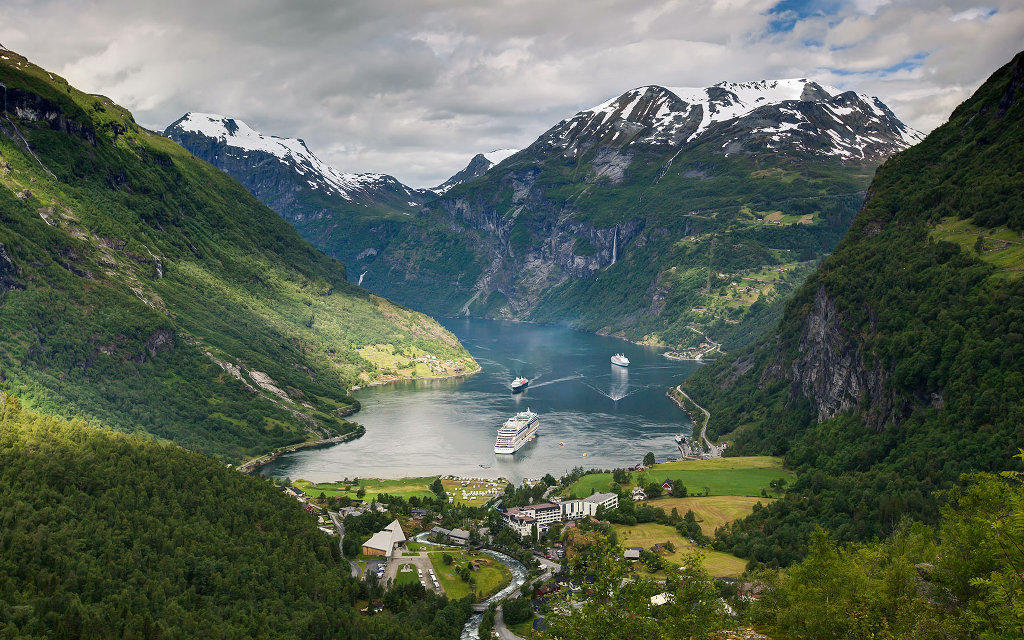
johnbowe.info – Norway’s fjords are often described as some of the most breathtaking natural wonders in the world. Carved by glaciers during the last Ice Age, these deep, narrow inlets are surrounded by towering cliffs and lush, green landscapes, creating a serene and majestic environment. Each fjord has its own unique charm and allure, making them a must-visit destination for nature lovers and adventure seekers alike.

The Formation of Fjords

The formation of fjords began millions of years ago during the Ice Age. Massive glaciers slowly carved through the land, creating deep valleys. As the glaciers retreated, these valleys flooded with seawater, forming the fjords we see today. This geological process resulted in the dramatic cliffs and deep waters that characterize Norway’s fjords, providing a stunning backdrop against the natural beauty of the region.

The Most Famous Fjords of Norway

Geirangerfjord

Geirangerfjord, a UNESCO World Heritage site, is perhaps the most famous of Norway’s fjords. Known for its deep blue waters and lush green mountains, it offers a spectacular view of waterfalls cascading down steep rock faces. The Seven Sisters and the Suitor are among the most photographed waterfalls here, each with its own local legend.

Sognefjord

Sognefjord, the largest and deepest fjord in Norway, stretches over 200 kilometers inland. This majestic fjord offers breathtaking views and numerous outdoor activities, including hiking, kayaking, and boat tours. The Nærøyfjord, a narrow arm of the Sognefjord, is also a UNESCO World Heritage site and is renowned for its dramatic scenery.

Hardangerfjord

Hardangerfjord is known for its stunning natural beauty and cultural significance. It is famous for its fruit orchards, particularly apple and cherry trees, which create a picturesque landscape during the blooming season. The fjord is also home to the Vøringsfossen waterfall, one of Norway’s most famous waterfalls.

Wildlife and Ecosystem

The fjords are not only visually stunning but also teeming with wildlife. The waters are rich in marine life, including seals, porpoises, and various fish species. The surrounding forests and mountains are home to diverse wildlife, such as eagles, deer, and even the elusive lynx. This rich biodiversity makes the fjords a vital ecosystem and a paradise for wildlife enthusiasts.

Activities and Exploration

Norway’s fjords offer a plethora of activities for visitors. From scenic cruises and kayaking adventures to hiking trails with panoramic views, there is something for everyone. The fjords also provide opportunities for cultural exploration, with quaint villages and historic sites scattered throughout the region. Visitors can immerse themselves in local traditions, cuisine, and the welcoming hospitality of the Norwegian people.

Conclusion

Norway’s fjords are truly nature’s majestic masterpieces, offering a unique blend of natural beauty, adventure, and cultural richness. Whether you’re seeking tranquility, exploration, or simply an awe-inspiring view, the fjords of Norway provide an unforgettable experience that captures the essence of the natural world.

Budaya Jepang: Kimono dan Geisha

johnbowe – Budaya Jepang kaya akan tradisi dan keindahan, salah satunya terlihat melalui pakaian tradisionalnya, yaitu kimono, serta sosok geisha yang terkenal. Keduanya merupakan simbol penting dari warisan budaya Jepang dan mencerminkan keindahan, seni, dan kehidupan sosial masyarakat Jepang.

Kimono

Pengertian dan Sejarah

Kimono adalah pakaian tradisional Jepang yang memiliki desain unik dan penuh makna. Kata “kimono” secara harfiah berarti “sesuatu yang dikenakan” (着物). Sejarah kimono bermula pada periode Heian (794-1185), ketika pakaian ini mulai digunakan oleh masyarakat Jepang. Seiring berjalannya waktu, kimono mengalami berbagai perubahan dalam desain, bahan, dan cara pemakaian.

Ciri-ciri Kimono

Kimono biasanya terbuat dari sutra, katun, atau linen, dengan berbagai corak dan warna. Terdapat beberapa ciri khas kimono, antara lain:

  1. Bentuk: Kimono memiliki lengan panjang dan lebar, serta tidak memiliki kerah. Biasanya, kimono dipakai dalam beberapa lapisan, tergantung pada acara dan musim.
  2. Obi: Sabuk lebar yang mengikat kimono disebut obi. Obi memiliki berbagai jenis dan cara pengikatan yang mencerminkan status sosial serta gaya pemakai.
  3. Corak dan Warna: Motif pada kimono bisa sangat beragam, mulai dari bunga, hewan, hingga pola geometris. Setiap corak biasanya memiliki makna tertentu, seperti keberuntungan, cinta, atau kesuburan.

Pemakaian Kimono

Kimono tidak hanya dipakai dalam acara formal seperti pernikahan, upacara teh, dan festival, tetapi juga dapat digunakan dalam kehidupan sehari-hari. Di Jepang modern, kimono lebih sering dikenakan pada acara-acara khusus, sementara pakaian Barat lebih umum digunakan dalam kegiatan sehari-hari. Namun, terdapat usaha untuk melestarikan tradisi ini, termasuk sekolah-sekolah yang mengajarkan cara memakai kimono.

Geisha

Pengertian dan Sejarah

Geisha adalah seniman tradisional Jepang yang terlatih dalam berbagai seni, termasuk tarian, musik, dan permainan. Kata “geisha” (芸者) secara harfiah berarti “seniman” (芸) dan “orang” (者). Sejarah geisha dimulai pada abad ke-18, saat mereka mulai muncul di distrik hiburan seperti Gion di Kyoto. Awalnya, geisha adalah pria, tetapi seiring waktu, wanita mengambil alih peran ini.

Ciri-ciri Geisha

  1. Penampilan: Geisha dikenal dengan riasan wajah yang khas, yang mencakup kulit yang sangat putih, bibir merah, dan garis mata yang menonjol. Rambut mereka diatur dalam gaya tradisional dan dihiasi dengan berbagai aksesoris.
  2. Kimono: Geisha mengenakan kimono yang indah, biasanya terbuat dari bahan berkualitas tinggi dengan motif yang rumit. Kimono yang dikenakan geisha sering kali lebih mewah dibandingkan kimono biasa.
  3. Keterampilan: Geisha terlatih dalam berbagai keterampilan, termasuk menari, bernyanyi, dan memainkan alat musik tradisional Jepang seperti shamisen. Mereka juga ahli dalam seni percakapan dan permainan, yang membuat mereka menjadi penghibur yang menarik.

Peran dan Kehidupan Geisha

Geisha berfungsi sebagai penghibur dalam pertemuan sosial, terutama di rumah teh dan restoran tradisional. Mereka menciptakan suasana yang menyenangkan bagi tamu, sering kali dengan bercerita, bernyanyi, atau memainkan alat musik. Meskipun sering kali salah dimengerti sebagai pelacur, geisha sebenarnya adalah seniman yang menghargai seni dan budaya jepang slot.

Kimono dan geisha merupakan dua aspek penting dari budaya Jepang yang mencerminkan keindahan, seni, dan tradisi yang kaya. Keduanya tidak hanya memiliki nilai estetika tetapi juga menyimpan makna dan sejarah yang dalam. Dalam dunia yang semakin modern ini, usaha untuk melestarikan kedua simbol budaya ini sangat penting agar generasi mendatang dapat terus menghargai dan memahami warisan yang telah ada selama berabad-abad.

The Geography and Natural Landscapes of Ukraine

johnbowe.info – Ukraine, the largest country entirely within Europe, boasts a diverse geography and a wealth of natural landscapes. From vast plains to mountainous regions, Ukraine’s geography plays a crucial role in its climate, biodiversity, and human activities. This article explores the various geographical features and natural landscapes that define Ukraine.

The Topography of Ukraine

Ukraine’s terrain is predominantly composed of fertile plains, known as steppes, which cover much of the central and southern regions. The country is bordered by several significant geographical features, including the Carpathian Mountains to the west and the Crimean Mountains to the south. These mountain ranges add to the country’s geographical diversity and provide important habitats for various species of flora and fauna.

The Carpathian Mountains

The Carpathian Mountains, stretching across western Ukraine, are known for their scenic beauty and rich biodiversity. This mountain range is home to several national parks and nature reserves, which protect unique ecosystems and endangered species. The highest peak, Hoverla, stands at 2,061 meters and is a popular destination for hikers and nature enthusiasts.

The Crimean Peninsula

The Crimean Peninsula, located in the southern part of Ukraine, is characterized by its mountainous terrain and picturesque coastlines along the Black Sea. The Crimean Mountains are known for their dramatic cliffs and lush vegetation, creating a unique landscape that attracts tourists from around the world.

Major Rivers and Bodies of Water

Ukraine is home to numerous rivers, the most notable being the Dnieper River, which flows from north to south, bisecting the country. The Dnieper is a vital waterway for transportation, agriculture, and industry. Other significant rivers include the Dniester, the Southern Bug, and the Danube, which flows along the southwestern border.

The country also features several important lakes and reservoirs, which play a crucial role in water supply and recreation. The largest lake, Lake Svityaz, is known for its clear waters and sandy beaches, making it a popular destination for locals and tourists alike.

The Diverse Flora and Fauna

Ukraine’s varied geography supports a wide range of ecosystems, from the temperate deciduous forests in the north to the steppes and semi-arid regions in the south. These diverse habitats are home to an array of plant and animal species, some of which are endemic to the region.

The country’s forests, which cover approximately 16% of its territory, are rich in biodiversity, featuring species such as oak, beech, pine, and spruce. The steppes, on the other hand, are characterized by grasses and shrubs, providing a habitat for numerous bird species and small mammals.

Conclusion

Ukraine’s geography and natural landscapes offer a fascinating blend of mountains, rivers, plains, and diverse ecosystems. This rich tapestry of natural beauty not only supports a wide array of biodiversity but also provides ample opportunities for outdoor recreation and tourism. Understanding and appreciating Ukraine’s geographical diversity is essential for preserving its natural heritage for future generations.

Exploring Albania’s Rich Cultural Heritage

johnbowe.info – Albania, a small Balkan nation nestled between Greece and Montenegro, is a treasure trove of cultural and historical wonders. With a history that spans millennia, this often-overlooked country boasts a rich tapestry of traditions, ancient ruins, and architectural marvels. Let’s embark on a journey to explore the vibrant cultural heritage of Albania.

The Historical Tapestry of Albania

Albania’s history is a complex blend of influences from various civilizations, including the Illyrians, Greeks, Romans, Byzantines, Ottomans, and more. Each of these cultures has left an indelible mark on the country’s traditions, language, and architecture. The ancient city of Butrint, a UNESCO World Heritage Site, offers a glimpse into this multifaceted history, with ruins dating back to the Greek, Roman, and Byzantine eras.

Architectural Marvels

One of the most striking features of Albania’s cultural heritage is its diverse architecture. The country is home to an array of Ottoman-era buildings, particularly in cities like Gjirokastër and Berat, both of which are UNESCO World Heritage Sites. Berat, often called the “City of a Thousand Windows,” is renowned for its well-preserved Ottoman houses that cascade down the hillside. In Gjirokastër, visitors can explore traditional stone houses and the imposing Gjirokastër Castle, which offers panoramic views of the surrounding landscape.

Vibrant Traditions and Festivals

Albania’s cultural heritage is not only visible in its historical sites but also in its vibrant traditions and festivals. The country celebrates numerous cultural events throughout the year, showcasing traditional music, dance, and cuisine. One such event is the National Folklore Festival held in Gjirokastër, where performers from across the country gather to celebrate Albania’s rich folklore through music and dance.

The Influence of Religion

Religion has played a significant role in shaping Albania’s cultural landscape. The country is unique for its religious tolerance and diversity, with Islam, Christianity, and Bektashism coexisting harmoniously. This diversity is reflected in the country’s religious architecture, from the stunning Et’hem Bey Mosque in Tirana to the Orthodox churches and monasteries scattered throughout the country.

Preserving and Promoting Cultural Heritage

Efforts to preserve and promote Albania’s cultural heritage have been gaining momentum in recent years. The government, along with various cultural organizations, is working to protect historical sites and promote cultural tourism. Initiatives like the restoration of ancient monuments and the promotion of traditional crafts are helping to ensure that Albania’s rich cultural heritage is preserved for future generations.

Conclusion

Albania’s cultural heritage is a fascinating blend of history, architecture, and traditions that reflect the country’s diverse past. From its ancient ruins to vibrant festivals, Albania offers a unique and enriching experience for those who venture to explore its cultural treasures. As efforts to preserve and promote this heritage continue, Albania is poised to become an increasingly popular destination for cultural tourism in the Balkans.

Water Scarcity in Yemen: Challenges and Solutions

johnbowe.info – Water scarcity is a critical issue facing Yemen, a country that has long struggled with limited water resources. The situation has been exacerbated by ongoing conflict, economic instability, and climate change, leading to severe humanitarian challenges. This article explores the factors contributing to water scarcity in Yemen, its impacts on the population, and potential solutions to address this pressing issue.

Challenges of Water Scarcity in Yemen

Geographical and Climatic Factors

Yemen’s arid climate and rugged terrain significantly limit the availability of freshwater. The country receives minimal rainfall, and its water resources are unevenly distributed. Groundwater, which supplies the majority of Yemen’s water needs, is being depleted at an alarming rate due to over-extraction.

Conflict and Infrastructure Damage

The ongoing conflict in Yemen has severely damaged the infrastructure necessary for water distribution and sanitation. Bombings and attacks have destroyed pipelines, pumps, and sewage systems, making it difficult for communities to access clean water. The lack of maintenance and repair further exacerbates the situation.

Economic Challenges

Yemen’s economic collapse has made it difficult for the government and local authorities to invest in water infrastructure and management. With limited financial resources, there is little capacity to improve water access or implement sustainable management practices.

Population Growth and Urbanization

Rapid population growth and urbanization have increased the demand for water in Yemen. Cities like Sana’a are experiencing water shortages as the demand outpaces the available supply. This has led to increased competition for water resources, further straining an already stressed system.

Impacts of Water Scarcity

Health and Sanitation

Water scarcity has dire consequences for public health. Limited access to clean water increases the risk of waterborne diseases such as cholera, which have become prevalent in Yemen. Poor sanitation conditions exacerbate the spread of disease, leading to significant morbidity and mortality.

Food Security

Agriculture is a major source of livelihood in Yemen, but water scarcity threatens food production. Farmers struggle to irrigate their crops, leading to reduced yields and food shortages. This contributes to widespread malnutrition and hunger across the country.

Social and Economic Stability

The scarcity of water resources often leads to conflicts between communities, exacerbating social tensions. The inability to secure reliable water access undermines economic stability, as businesses and households face increased costs and reduced productivity.

Solutions to Address Water Scarcity

Improving Water Management

Effective water management is crucial for addressing scarcity. This includes better regulation of groundwater extraction, investment in rainwater harvesting, and the development of desalination plants. Implementing policies that promote efficient water use can help conserve resources.

Infrastructure Rehabilitation

Rebuilding and maintaining water infrastructure is essential for improving access. International aid and partnerships can support the reconstruction of pipelines, wells, and sewage systems, ensuring communities have reliable water supplies.

Community Engagement and Education

Engaging local communities in water management and conservation efforts can lead to more sustainable practices. Education campaigns can raise awareness about the importance of water conservation and encourage behavioral changes to reduce water waste.

International Cooperation

The international community can play a vital role in addressing Yemen’s water crisis. Providing humanitarian aid, technical expertise, and financial support can help Yemen build resilient water systems and address immediate needs.

Conclusion

Water scarcity in Yemen is a complex challenge that requires a multifaceted approach. Addressing the root causes of scarcity, rebuilding infrastructure, and promoting sustainable practices are essential steps toward ensuring water security for Yemen’s population. With concerted efforts from the Yemeni government, local communities, and international partners, it is possible to mitigate the impacts of water scarcity and improve the quality of life for millions of Yemenis.

Lebanon’s Economy: Challenges and Opportunities

johnbowe.info – Lebanon’s economy has long been characterized by its resilience and adaptability, shaped by a complex history of political upheaval and regional instability. Today, the country faces significant economic challenges, but it also has unique opportunities for growth and development. This article explores the current state of Lebanon’s economy, highlighting both the obstacles and potential paths forward.

Economic Challenges

Political Instability

One of the most pressing challenges facing Lebanon’s economy is ongoing political instability. Frequent government changes and political gridlock have hindered effective policymaking and economic reform. This instability contributes to a lack of investor confidence and hampers long-term economic planning.

Financial Crisis

Lebanon has been grappling with a severe financial crisis since 2019, marked by a banking sector meltdown, currency devaluation, and soaring inflation. The Lebanese pound has lost much of its value, severely impacting purchasing power and leading to widespread poverty. The crisis has also led to a sharp decline in GDP and increased unemployment rates.

Infrastructure Deficiencies

The country’s infrastructure has suffered from years of neglect and underinvestment. Power shortages, inadequate transportation networks, and limited access to clean water are major issues that affect daily life and economic productivity. These deficiencies hinder the country’s competitiveness and ability to attract foreign investment.

Governance and Corruption

Corruption and governance issues have long plagued Lebanon, undermining public trust and deterring international aid and investment. Efforts to implement reforms have been slow, and the lack of transparency and accountability continues to be a barrier to economic recovery.

Economic Opportunities

Natural Resources and Energy

Lebanon has untapped potential in natural resources, particularly in the energy sector. The discovery of offshore oil and gas reserves presents a significant opportunity for economic growth and energy independence. Proper management and investment in this sector could provide a much-needed boost to the national economy.

Tourism and Culture

Despite current challenges, Lebanon remains a culturally rich and geographically diverse country with significant tourism potential. Its historical sites, vibrant cities, and beautiful landscapes have long attracted visitors from around the world. Revitalizing the tourism industry could generate substantial revenue and create jobs, contributing to economic recovery.

Agriculture and Agribusiness

Lebanon’s fertile valleys, such as the Bekaa Valley, offer opportunities for growth in agriculture and agribusiness. Investment in modern farming techniques, infrastructure, and export markets could enhance productivity and support rural development. This sector has the potential to increase food security and reduce dependency on imports.

Innovation and Entrepreneurship

Lebanon has a young and dynamic population with a strong entrepreneurial spirit. Supporting startups and innovation, particularly in technology and digital sectors, can drive economic diversification and growth. Initiatives that foster entrepreneurship and provide access to funding and mentorship are crucial in unlocking this potential.

Conclusion

Lebanon’s economy is at a crossroads, facing significant challenges that require urgent attention and reform. However, the country also has unique opportunities that, if leveraged correctly, can lead to sustainable growth and development. Addressing the root causes of the financial crisis, improving governance, and investing in key sectors are essential steps toward building a more resilient and prosperous economy for future generations.

Taiwan’s Film Industry: From Local Stories to Global Screens

johnbowe.info – Taiwan’s film industry has undergone a remarkable transformation, evolving from a focus on local narratives to gaining international acclaim on global screens. This article delves into the journey of Taiwan’s cinema, highlighting the key milestones, influential filmmakers, and the cultural impact that has propelled Taiwanese films onto the world stage.

The Roots of Taiwanese Cinema

  • Early Beginnings: The Taiwanese film industry began in the early 20th century, initially producing films that reflected local culture and traditions. The 1960s and 1970s saw a rise in popularity of “Taiwanese-dialect” films, which catered to domestic audiences.
  • New Taiwanese Cinema Movement: In the 1980s, a new wave of filmmakers emerged, shifting the focus to more artistic and realistic storytelling. This movement, led by directors like Edward Yang and Hou Hsiao-hsien, brought critical acclaim and international recognition to Taiwanese cinema.

Cultural Narratives and Global Recognition

  • Local Stories with Universal Themes: Taiwanese films often explore themes of identity, family, and societal change, resonating with audiences both locally and globally. Films like “A City of Sadness” and “Yi Yi” have garnered international awards, showcasing Taiwan’s unique cultural narratives.
  • International Film Festivals: Taiwanese films have been prominently featured at prestigious film festivals, such as Cannes and Venice, further cementing their place on the global stage. Directors like Ang Lee, who achieved worldwide fame, have played a crucial role in bringing Taiwanese cinema to international audiences.

Influential Filmmakers and Productions

  • Pioneering Directors: Visionary directors like Tsai Ming-liang and Hou Hsiao-hsien have pushed the boundaries of storytelling and cinematic style, influencing filmmakers worldwide. Their works are celebrated for their artistic depth and innovative approaches.
  • Successful Co-Productions: Collaborations with international studios have allowed Taiwanese filmmakers to reach broader audiences. Co-productions have led to films that blend Taiwanese stories with global appeal, expanding their reach and impact.

Challenges and Opportunities

  • Balancing Tradition and Modernity: The industry faces the challenge of preserving traditional narratives while embracing modern filmmaking techniques and global trends. Striking this balance is crucial for continued success.
  • Government Support and Funding: Continued support from the Taiwanese government, through funding and policy initiatives, is vital for nurturing emerging talent and sustaining the industry’s growth.

Conclusion

Taiwan’s film industry has made significant strides from its humble beginnings, evolving into a vibrant and influential force on the global stage. By staying true to its cultural roots while embracing innovation, Taiwanese cinema continues to captivate audiences worldwide. As the industry looks to the future, it remains poised to tell compelling stories that resonate with both local and international viewers.

Tourism in Pakistan: Top Destinations to Visit

johnbowe.info – Pakistan, a land of diverse landscapes and rich cultural heritage, offers a plethora of breathtaking tourist destinations. From majestic mountains and serene valleys to historical landmarks and vibrant cities, Pakistan is a treasure trove for travelers seeking adventure and beauty. Here, we explore some of the top destinations that make Pakistan a must-visit country.

The Magnificent Northern Areas

The northern regions of Pakistan are renowned for their stunning natural beauty. The Karakoram Range, home to some of the world’s highest peaks, including K2, attracts climbers and trekkers from around the globe. Hunza Valley, with its picturesque landscapes and hospitable people, offers a tranquil retreat. The Fairy Meadows, with its lush greenery and stunning views of Nanga Parbat, is a paradise for nature lovers.

The Cultural Richness of Lahore

Lahore, the cultural heart of Pakistan, is a city steeped in history and tradition. The Lahore Fort and Shalimar Gardens, both UNESCO World Heritage Sites, reflect the grandeur of the Mughal era. The bustling streets of the Walled City and the vibrant food scene offer a glimpse into the city’s lively spirit. Lahore’s cultural festivals and artistic expressions make it a hub of creativity.

The Ancient Ruins of Mohenjo-Daro

For history enthusiasts, the ancient ruins of Mohenjo-Daro provide a fascinating insight into the Indus Valley Civilization. This archaeological site, located in Sindh, showcases the impressive urban planning and architectural prowess of one of the world’s earliest civilizations. Walking through its streets offers a unique glimpse into the past.

The Serene Beauty of Swat Valley

Often referred to as the “Switzerland of the East,” Swat Valley is renowned for its lush landscapes, gushing rivers, and snow-capped mountains. Mingora, the largest town, serves as a gateway to the region’s many attractions, including Malam Jabba, a popular ski resort, and the historical sites of Butkara and Udegram.

The Bustling Metropolis of Karachi

Karachi, Pakistan’s largest city, is a vibrant metropolis that offers a mix of modernity and tradition. The city’s bustling markets, such as Saddar and Zainab Market, are perfect for shopping enthusiasts. Clifton Beach provides a relaxing escape, while the city’s diverse culinary scene caters to all tastes.

Conclusion

Pakistan’s diverse landscapes and rich cultural heritage make it a captivating destination for travelers. Whether you’re seeking adventure in the northern mountains, exploring ancient ruins, or immersing yourself in vibrant city life, Pakistan offers something for everyone. As tourism in Pakistan continues to grow, these top destinations stand out as must-visit locations, each offering a unique and unforgettable experience.

Syria’s Cultural Heritage: A Journey Through Time

johnbowe.info – Syria, a land of ancient civilizations and rich histories, stands as a testament to the enduring legacy of human achievement and cultural development. From the bustling streets of Damascus to the ruins of Palmyra, Syria’s cultural heritage offers a captivating journey through time. This article explores the significant historical landmarks and cultural heritage sites that define Syria, highlighting their importance and the challenges they face today.

Ancient City of Damascus

The Ancient City of Damascus is one of the oldest continuously inhabited cities in the world. Known for its rich history and cultural significance, Damascus is home to numerous historical sites, including the Umayyad Mosque, one of the largest and oldest mosques in the world. The city’s narrow alleys and bustling markets provide a glimpse into its vibrant past and present.

Palmyra: The Desert Jewel

Palmyra, often referred to as the “Bride of the Desert,” was an ancient city that served as a crucial trading hub linking the Roman Empire with Persia, India, and China. Its monumental ruins, including the Temple of Bel and the Roman theater, are a testament to its historical significance. Despite the damage caused by recent conflicts, efforts are underway to preserve and restore this UNESCO World Heritage site.

The Ancient City of Aleppo

Aleppo, another of the world’s oldest cities, boasts a rich tapestry of history and culture. The city’s Citadel, a large medieval fortress, stands as a symbol of Aleppo’s historical resilience. The traditional souks and the Great Mosque of Aleppo add to the city’s cultural wealth, although they have suffered significant damage in recent years.

Bosra and its Ancient Theater

Bosra, an ancient city in southern Syria, is renowned for its well-preserved Roman theater. The theater, still used for performances today, offers a unique glimpse into the entertainment and architectural advancements of the Roman era. Bosra’s ruins, including early Christian churches and Islamic monuments, reflect its diverse historical influences.

Preserving Cultural Heritage Amidst Conflict

Syria’s cultural heritage has faced significant threats due to ongoing conflicts and political instability. The destruction and looting of cultural sites pose a grave challenge to preserving Syria’s historical legacy. International organizations, such as UNESCO, are actively working to safeguard and restore these heritage sites, emphasizing the importance of cultural preservation for future generations.

Conclusion

Syria’s cultural heritage is a profound reflection of the country’s rich history and the diverse civilizations that have shaped its identity. Despite the challenges posed by conflict and modernization, Syria’s historical sites continue to inspire and educate people worldwide. As efforts to preserve these treasures continue, they serve as a reminder of the enduring power of culture and history in shaping human civilization.

Proyek Konservasi Satwa Liar di Kamboja: Upaya Menyelamatkan Keanekaragaman Hayati

johnbowe – Kamboja, salah satu negara di Asia Tenggara yang kaya akan keanekaragaman hayati, kini menghadapi tantangan serius dalam menjaga keberlangsungan hidup satwa liar. Perambahan hutan, perburuan liar, dan perdagangan satwa ilegal menjadi ancaman besar bagi spesies-spesies yang tinggal di wilayah tersebut. Sebagai upaya untuk mengatasi masalah ini, pemerintah Kamboja, bersama dengan berbagai organisasi internasional dan lokal, telah meluncurkan sejumlah Proyek Konservasi Satwa Liar yang bertujuan untuk melindungi dan memulihkan populasi satwa liar yang terancam punah.

Kamboja memiliki beberapa kawasan hutan tropis terbesar di Asia Tenggara, termasuk Taman Nasional Virachey dan Cagar Biosfer Prek Toal, yang menjadi rumah bagi berbagai spesies langka seperti gajah Asia, macan dahan, beruang madu, dan burung bangau. Namun, tekanan terhadap habitat alami satwa liar semakin meningkat akibat eksploitasi lahan untuk perkebunan, pertambangan, dan pembangunan infrastruktur. Selain itu, perburuan dan perdagangan satwa untuk diambil daging, kulit, atau dijadikan hewan peliharaan eksotis terus berlangsung, memperburuk kondisi populasi satwa liar.

Menurut laporan dari World Wildlife Fund (WWF), Kamboja telah kehilangan sekitar 20% dari total hutan alaminya dalam dua dekade terakhir. Akibatnya, banyak spesies satwa liar mengalami penurunan drastis, bahkan mendekati kepunahan.

Menanggapi kondisi ini, beberapa proyek konservasi diluncurkan untuk melindungi satwa liar dan habitat mereka. Salah satu proyek yang menonjol adalah Program Konservasi Gajah Kamboja, yang didukung oleh Wildlife Conservation Society (WCS) dan WWF. Program ini berfokus pada perlindungan gajah liar melalui patroli anti-perburuan, penyuluhan masyarakat, dan pembentukan koridor satwa liar untuk menghubungkan habitat yang terpisah.

Selain itu, Kamboja juga aktif dalam Proyek Reintroduksi Harimau, yang bertujuan untuk mengembalikan populasi harimau Indocina yang telah punah di alam liar Kamboja sejak tahun 2007. Upaya ini melibatkan kerja sama antara pemerintah dan organisasi konservasi internasional untuk mendatangkan harimau dari negara tetangga seperti India dan Thailand serta memastikan habitat yang aman bagi mereka.

Sementara itu, untuk melindungi spesies burung yang terancam punah, Kamboja juga menjalankan Proyek Pelestarian Burung Air di Prek Toal, yang menjadi tempat berkumpulnya beberapa spesies burung air paling langka di dunia. Melalui program ini, pemerintah bekerja sama dengan komunitas lokal untuk mencegah perburuan burung dan menjaga kelestarian habitat rawa yang menjadi tempat berkembang biak burung-burung tersebut.

proyek-konservasi-satwa-liar-di-kamboja-upaya-menyelamatkan-keanekaragaman-hayati

Proyek konservasi satwa liar di Kamboja tidak hanya melibatkan pemerintah dan organisasi internasional, tetapi juga komunitas lokal. Masyarakat yang tinggal di sekitar kawasan hutan diajak untuk berpartisipasi dalam program patroli dan pemantauan satwa liar. Selain itu, pendidikan lingkungan juga diberikan untuk meningkatkan kesadaran akan pentingnya melindungi satwa dan ekosistem hutan.

Contohnya, di Taman Nasional Virachey, masyarakat adat diberikan pelatihan tentang cara-cara ramah lingkungan dalam memanfaatkan sumber daya alam, sehingga mereka dapat turut menjaga kelestarian hutan tanpa merusak habitat satwa liar. Pendekatan ini membantu mengurangi konflik antara kebutuhan manusia dan upaya konservasi.

Meskipun banyak upaya telah dilakukan, proyek konservasi satwa liar di Kamboja masih menghadapi berbagai tantangan, terutama dalam hal pendanaan dan penegakan hukum. Perburuan liar masih marak terjadi, dan tidak jarang satwa yang dilindungi jatuh ke tangan pedagang ilegal yang beroperasi secara rahasia.

Namun, dengan meningkatnya perhatian dunia terhadap isu konservasi, ada harapan bahwa dukungan internasional dan kesadaran lokal akan terus berkembang. Beberapa hasil positif telah terlihat, seperti peningkatan populasi gajah di beberapa kawasan dan kembalinya beberapa spesies burung langka ke habitat alami mereka.

Keberhasilan proyek-proyek ini menunjukkan bahwa kolaborasi antara pemerintah, organisasi konservasi, dan masyarakat lokal adalah kunci dalam menyelamatkan satwa liar Kamboja. Jika terus didorong, Kamboja berpotensi menjadi model keberhasilan konservasi satwa liar di Asia Tenggara.

Proyek konservasi satwa liar di kamboja slot merupakan langkah penting dalam menjaga keanekaragaman hayati di negara ini. Dengan tantangan yang masih menghadang, kerja sama lintas sektor dan kesadaran masyarakat lokal menjadi elemen krusial untuk melindungi spesies yang terancam punah dan memastikan kelestarian ekosistem hutan di Kamboja. Proyek-proyek ini memberi harapan baru bagi masa depan satwa liar di tengah gempuran perburuan dan perusakan habitat, serta menegaskan bahwa konservasi bukanlah tugas yang mudah, tetapi sangat mungkin dilakukan dengan komitmen yang kuat.

Heritage Trails: Exploring Historic Malacca

johnbowe.info – Malacca, also known as Melaka, is a city rich with history and culture in Malaysia. As a UNESCO World Heritage Site since 2008, Malacca offers a unique blend of cultures, architecture, and traditions, making it a fascinating destination for travelers interested in exploring the past.

The Historical Significance of Malacca

Malacca’s history dates back to the 15th century when it was a major trading hub in Southeast Asia. It was founded by Parameswara, a Sumatran prince, and quickly became an important port city due to its strategic location along the Malacca Strait. Over the centuries, Malacca was ruled by the Portuguese, Dutch, and British, each leaving their mark on the city’s cultural and architectural landscape.

Exploring the Heritage Trails

One of the best ways to experience Malacca’s rich history is by embarking on a heritage trail. These trails take you through the city’s historic sites and offer a glimpse into its vibrant past. Here are some must-visit places along the trails:

A Famosa

Built by the Portuguese in the early 16th century, A Famosa is one of the oldest surviving European architectural remains in Southeast Asia. Although much of the fort has been destroyed, the iconic Porta de Santiago gate still stands and serves as a reminder of Malacca’s colonial history.

St. Paul’s Hill and Church

Located on a hill overlooking the city, St. Paul’s Church was originally built in 1521 by the Portuguese. It later served as a burial ground for Dutch nobility. The ruins of the church are a testament to the city’s colonial past and offer panoramic views of Malacca.

The Stadthuys

The Stadthuys, a striking red building, was built by the Dutch in 1650 as the official residence of the Dutch governor. It is now home to the History and Ethnography Museum, where visitors can learn about Malacca’s diverse cultural heritage.

Jonker Street

Jonker Street, or Jalan Hang Jebat, is the heart of Malacca’s Chinatown. Known for its vibrant night market, antique shops, and Peranakan architecture, Jonker Street is a must-visit for those looking to experience the local culture and cuisine.

Cultural Experiences

Beyond its historical sites, Malacca offers a variety of cultural experiences. Visitors can explore traditional Peranakan houses, taste local delicacies like chicken rice balls and cendol, and witness traditional performances such as the Dondang Sayang.

Conclusion

Malacca’s heritage trails provide a captivating journey through the city’s rich history and cultural diversity. Whether you’re an avid history buff or simply looking to explore a unique destination, Malacca offers a memorable experience with its blend of old-world charm and vibrant culture. Embark on a heritage trail today to uncover the stories and secrets of historic Malacca.

Laos’ Religion: Buddhism and Other Beliefs

johnbowe.info – Religion in Laos is a rich tapestry woven primarily from Theravada Buddhism, which plays a central role in the spiritual and cultural life of the nation. Alongside Buddhism, various other beliefs and practices coexist, reflecting the country’s diverse ethnic and cultural heritage.

Theravada Buddhism: The Dominant Faith

Core Beliefs and Practices

Theravada Buddhism, the predominant religion in Laos, emphasizes the teachings of the Buddha as a path to enlightenment. Central to Buddhist practice are the concepts of karma, reincarnation, and the Four Noble Truths. Monastic life is highly respected, with many young men spending time as monks to gain spiritual merit.

Temples and Monasteries

Temples, or “wats,” are the heart of spiritual life in Laos. These beautifully crafted structures serve as centers for worship, education, and community gatherings. Notable temples, such as Wat Si Saket and Wat Xieng Thong, are not only places of spiritual significance but also architectural marvels that attract tourists and pilgrims alike.

Festivals and Ceremonies

Buddhist festivals, such as Boun Pi Mai (Lao New Year) and Boun Ok Phansa (End of Buddhist Lent), are celebrated with great enthusiasm. These events involve colorful processions, temple visits, and traditional rituals, reinforcing community bonds and cultural identity.

Other Beliefs and Indigenous Practices

Animism

In addition to Buddhism, animism is practiced by many ethnic minority groups in Laos. Animism involves the belief in spirits that inhabit natural objects and phenomena. Rituals and ceremonies are conducted to honor these spirits, seek their protection, and ensure harmony with nature.

Baci Ceremony

The Baci ceremony, a traditional Lao ritual, is an important cultural practice that transcends religious boundaries. It involves tying cotton strings around a person’s wrist to preserve good luck and bring balance to their spiritual essence. The Baci is performed during significant life events, such as weddings, births, and departures.

Christianity and Other Religions

While Buddhism and animism are the most prevalent, other religions such as Christianity, Islam, and the Bahá’í Faith are also present in Laos. These communities, though smaller, contribute to the country’s cultural diversity and are generally free to practice their faiths.

Religious Harmony and Coexistence

Laos is known for its religious tolerance and harmonious coexistence among different belief systems. The government recognizes the importance of religion in cultural identity and supports the preservation of religious heritage while promoting unity and respect among various faiths.

Conclusion

Religion in Laos is a profound aspect of daily life, with Theravada Buddhism at its core, complemented by animistic traditions and other minority faiths. This rich spiritual landscape reflects the diverse cultural heritage of the Laotian people, fostering a sense of community, continuity, and mutual respect. As Laos continues to modernize, its religious traditions remain vital in preserving cultural identity and guiding social values.

The Vatican: A Tour of Its Most Iconic Sites

johnbowe.info – The Vatican, an independent city-state enclaved within Rome, Italy, is not only the spiritual center of the Roman Catholic Church but also a treasure trove of art, history, and culture. Home to some of the world’s most iconic sites, the Vatican attracts millions of visitors each year. This tour will take you through the must-see locations that define the heart and soul of this unique city-state.

St. Peter’s Basilica: A Marvel of Architecture and Faith

St. Peter’s Basilica, one of the largest churches in the world, is a masterpiece of Renaissance architecture. Designed primarily by Bramante, Michelangelo, Maderno, and Bernini, it stands as a testament to the faith and artistic prowess of the Catholic Church. The basilica is renowned for its breathtaking interior, adorned with marble, gilt, and some of the most famous works of art, including Michelangelo’s Pietà. The dome, engineered by Michelangelo, offers a panoramic view of Rome and is a must-visit for those willing to climb its steps.

The Vatican Museums: A Journey Through Art and History

The Vatican Museums are a vast complex housing some of the most important art collections in the world. The museums contain over 70,000 works, though only a small portion is on display at any given time. Highlights include the Raphael Rooms, a suite of apartments decorated by Raphael and his assistants, and the Gallery of Maps, featuring topographical maps of Italy during the Renaissance. However, the crown jewel of the Vatican Museums is the Sistine Chapel, famous for Michelangelo’s ceiling and the Last Judgment fresco.

The Sistine Chapel: Michelangelo’s Masterpiece

The Sistine Chapel is perhaps the most famous chapel in the world, renowned for its decoration by the greatest artists of the Renaissance, including Michelangelo, Botticelli, Perugino, Pinturicchio, and Ghirlandaio. Michelangelo’s ceiling, featuring scenes from the Book of Genesis, and his fresco of the Last Judgment on the altar wall are unparalleled in their artistic achievement. The chapel also serves as the venue for the election of new popes by the College of Cardinals.

St. Peter’s Square: Bernini’s Grand Design

St. Peter’s Square, designed by Gian Lorenzo Bernini, is a grand elliptical space that can hold up to 300,000 people. The square is dominated by the magnificent colonnade, symbolizing the motherly embrace of the Church. The central obelisk, brought from Egypt in the 1st century AD, stands in the middle of the square, flanked by two fountains. The square is a gathering place for pilgrims and visitors from around the world, especially during the Papal audiences.

The Vatican Gardens: A Tranquil Retreat

The Vatican Gardens, covering about a third of the Vatican City, are a tranquil retreat from the hustle and bustle of the museums and basilica. These gardens are home to a variety of plants, medieval ruins, and modern sculptures. A walk through the gardens offers a glimpse into the daily life of the Vatican, including the Pope’s residence, the Apostolic Palace, and the Helicopter Pad.

Conclusion

The Vatican is a place where art, history, and faith converge to create an unforgettable experience. From the awe-inspiring St. Peter’s Basilica to the artistic wonders of the Sistine Chapel, each site within the Vatican tells a story of human achievement and spiritual devotion. A visit to the Vatican is not just a tour of its iconic sites but a journey through the heart of Western civilization.

Canada: The Second Largest Country in the World

johnbowe.info – Canada, a country renowned for its vast landscapes and multicultural heritage, holds the distinction of being the second-largest country in the world by total area. Spanning across an impressive 9.98 million square kilometers, Canada is only surpassed in size by Russia. This article delves into the geographical, cultural, and economic aspects that make Canada a unique and significant nation on the global stage.

Geographical Overview

Canada’s immense size is a result of its extensive landmass, which stretches from the Atlantic Ocean in the east to the Pacific Ocean in the west, and northward into the Arctic Ocean. This vast expanse encompasses a diverse range of geographical features, including mountains, plains, forests, and tundra.

Diverse Landscapes

The country’s landscape is characterized by its natural beauty, with the Rocky Mountains in the west, the Great Lakes in the south, and the Arctic tundra in the north. Canada is also home to Niagara Falls, one of the most famous waterfalls in the world.

Climate Variations

Given its size, Canada experiences a wide range of climates, from the temperate maritime climate of the west coast to the subarctic climate of the northern territories. This diversity in climate contributes to the country’s rich biodiversity and offers a variety of outdoor activities for residents and visitors alike.

Cultural Tapestry

Canada’s cultural landscape is as diverse as its geographical one, with a population that reflects a blend of indigenous peoples, British, French, and a multitude of other ethnic groups. This multiculturalism is a defining feature of Canadian society, celebrated through festivals, cuisine, and art.

Multiculturalism

Canada’s multicultural policy, officially adopted in 1971, has fostered an inclusive society where people of different ethnicities, languages, and cultures can coexist and thrive. This policy has not only enriched Canadian society but has also contributed to its reputation as a welcoming country for immigrants.

Indigenous Cultures

The indigenous peoples of Canada, including First Nations, Inuit, and Métis, have a rich cultural heritage that dates back thousands of years. Their contributions to Canadian society are increasingly recognized, with efforts to preserve their languages, traditions, and rights.

Economic Strength

Canada’s economy is one of the largest in the world, driven by abundant natural resources, a well-educated workforce, and a stable political environment. The country is a leading exporter of natural resources such as oil, gas, minerals, and lumber.

Natural Resources

Canada’s vast natural resources have been a cornerstone of its economy, with the oil sands in Alberta being one of the largest deposits of crude oil in the world. Additionally, Canada is a significant producer of minerals such as nickel, gold, and uranium.

Innovation and Technology

Beyond natural resources, Canada has made significant contributions to innovation and technology. The country is home to a growing number of tech companies and startups, particularly in cities like Toronto, Vancouver, and Montreal. Canada’s commitment to research and development has led to advancements in fields such as artificial intelligence, clean technology, and biotechnology.

Conclusion

Canada’s status as the second-largest country in the world is a testament to its geographical vastness and cultural richness. From its stunning landscapes to its diverse population, Canada offers a unique blend of natural beauty, cultural heritage, and economic opportunity. As the country continues to grow and evolve, it remains a significant player on the global stage, celebrated for its inclusivity, innovation, and natural splendor.

Luxembourg’s Sports: A Passion for Fitness & Competition

johnbowe.info – Luxembourg, despite its small size, boasts a vibrant and diverse sports culture. From cycling to football, and from athletics to e-sports, Luxembourgish athletes and sports enthusiasts demonstrate a profound passion for fitness and competition. This article explores the key sports in Luxembourg, the achievements of its athletes, and the infrastructure that supports sports development in the country.

Cycling: A National Obsession

Cycling is arguably the most popular sport in Luxembourg, with a rich history and numerous successes on the international stage. The country has produced several world-class cyclists, including the legendary Charly Gaul, known as the “Angel of the Mountains,” and more recently, Fränk and Andy Schleck, who have achieved significant victories in major tours such as the Tour de France.

The Tour de Luxembourg

The Tour de Luxembourg is a prestigious cycling event that attracts top international cyclists. This multi-stage race showcases the beautiful landscapes of Luxembourg and serves as a platform for both local and international talent to shine.

Football: The National Pastime

Football (soccer) is another popular sport in Luxembourg, with a strong following among the local population. The Luxembourg National Football Team competes in international competitions, and while it may not rank among the top teams globally, the passion and support it receives are unwavering.

The National Division

The National Division is the top tier of football in Luxembourg, featuring professional clubs that compete for the national title. The league has contributed to the development of football in the country and has produced players who have gone on to play in foreign leagues.

Athletics: A Growing Presence

Athletics, including track and field, has been gaining popularity in Luxembourg. The country has invested in facilities and training programs to support athletes in various disciplines. Luxembourgish athletes have achieved notable results in international competitions, showcasing the country’s growing presence in the world of athletics.

E-Sports: The New Frontier

E-sports is an emerging sector in Luxembourg, attracting a new generation of competitors and fans. The country has hosted international e-sports events and is developing infrastructure to support the growth of competitive gaming. This includes the establishment of e-sports teams and academies, reflecting Luxembourg’s commitment to embracing new forms of sports and competition.

Sports Infrastructure

Luxembourg’s commitment to sports is evident in its infrastructure. The country boasts modern sports facilities, including stadiums, velodromes, and training centers. These facilities not only support professional athletes but also encourage participation and fitness among the general population.

Conclusion

Luxembourg’s sports culture is a testament to the country’s passion for fitness and competition. From traditional sports like cycling and football to emerging disciplines like e-sports, Luxembourgish athletes and enthusiasts demonstrate a dedication to excellence and participation. With continued investment in sports infrastructure and development, Luxembourg is poised to further its reputation as a nation of sports enthusiasts and competitors.

Greening the Future: Singapore’s Environmental Initiatives

johnbowe.info – Singapore, a low-lying island state, faces significant challenges from climate change, including rising sea levels, extreme weather patterns, and disruptions to global supply chains. Despite these challenges, Singapore has been a pioneer in sustainable development, transforming itself into a “City in a Garden” and one of the greenest cities in the world. This article explores Singapore’s environmental initiatives and its ambitious plans to achieve a sustainable future.

A Brief History of Singapore’s Sustainable Development

Singapore’s commitment to sustainable development dates back several decades. The country has set aside large nature reserves, with about a third of its land covered by trees. It has also implemented strict measures to ensure public cleanliness and hygiene, crucial in its hot and humid urban environment. Additionally, Singapore is unique in its approach to vehicle population control, being the only country to freeze the growth of its vehicle population, and it has closed the water loop, reusing every drop of water repeatedly.

The Singapore Green Plan 2030

In February 2021, Singapore launched the Singapore Green Plan 2030, a comprehensive and ambitious agenda aimed at advancing the country’s sustainable development. The plan is a whole-of-nation movement that touches on almost every aspect of life in Singapore, from energy use to waste management and green living.

Key Targets of the Green Plan 2030

  1. Planting One Million More Trees: By planting an additional one million trees, Singapore aims to sequester another 78,000 tonnes of CO2, providing cleaner air and cooler shade for its residents.
  2. Quadrupling Solar Energy Deployment: By 2025, Singapore plans to quadruple its solar energy deployment, including installing solar panels on the rooftops of public housing blocks. By 2030, solar energy deployment will be five times that of today.
  3. Reducing Waste Sent to Landfill: The plan includes a target to reduce the waste sent to landfill by 30% by 2030.
  4. Carbon Neutral Schools: At least 20% of schools will be carbon neutral by 2030.
  5. Cleaner-Energy Cars: All newly registered cars will be cleaner-energy models from 2030 onwards110.

Pillars of the Green Plan 2030

The Green Plan 2030 is structured around five key pillars:

  1. City in Nature: Enhancing green spaces and biodiversity.
  2. Energy Reset: Transitioning to cleaner energy sources and improving energy efficiency.
  3. Sustainable Living: Promoting sustainable practices in daily life.
  4. Green Economy: Encouraging sustainable economic growth.
  5. Resilient Future: Building resilience against climate change impacts.

Achievements and Innovations

Singapore has already made significant strides in its sustainability journey. For instance, it has one of the world’s largest floating solar systems at Tengeh Reservoir, which generates enough power to make its waterworks one of the few in the world to be 100% green1. The country has also shifted to using natural gas for power generation, which is the cleanest form of fossil fuel, and plans to progressively transition to greener energy sources.

Challenges and Future Directions

Despite its achievements, Singapore faces geographical constraints that limit its options for renewable energy deployment. The country lacks the natural resources, land area, and climatic conditions for large-scale renewable energy projects. However, Singapore is leveraging its technological and policy expertise to overcome these challenges. It aims to be a living laboratory for other cities facing similar constraints, sharing its solutions and innovations globally.

Conclusion

Singapore’s environmental initiatives, encapsulated in the Singapore Green Plan 2030, demonstrate a strong commitment to sustainable development. By focusing on green spaces, clean energy, waste reduction, and sustainable living, Singapore is not only securing a better future for its residents but also setting an example for other cities around the world. As a hub for green dialogue and innovation, Singapore continues to play a pivotal role in the global effort to combat climate change and achieve a sustainable future.

The Impact of World War II on the Solomon Islands

johnbowe.info – The Solomon Islands, a nation in the South Pacific, played a significant role during World War II, particularly during the Pacific War. The conflict had profound and lasting effects on the islands, influencing their political, social, and economic landscapes. This article explores the various impacts of World War II on the Solomon Islands, drawing from historical accounts and contemporary analyses.

The Solomon Islands Campaign

The Solomon Islands campaign was a major theater of the Pacific War, beginning with Japanese landings and the capture of several areas in the British Solomon Islands and Bougainville in the Territory of New Guinea during the first six months of 1942. The Japanese occupied these locations to construct naval and air bases, which were crucial for their strategic plans in the Pacific. The campaign saw fierce battles, notably the Guadalcanal campaign, which lasted from August 1942 to February 1943 and was a pivotal point in the Pacific War.

Immediate Impacts

The immediate impacts of World War II on the Solomon Islands were devastating. The islands experienced extensive destruction due to the intense fighting, with infrastructure, homes, and natural resources severely damaged. The local population faced significant hardships, including displacement, loss of life, and the disruption of traditional ways of life. The war also led to the introduction of new technologies and military equipment, which had both positive and negative consequences for the local communities.

Long-term Social and Political Changes

The war had long-lasting social and political effects on the Solomon Islands. The involvement of Allied forces, particularly the United States and Australia, brought about changes in the political landscape. The war efforts led to the strengthening of colonial administration and the introduction of new governance structures, which laid the foundation for post-war political developments. Additionally, the war experiences fostered a sense of national identity and unity among the Solomon Islanders, contributing to their eventual independence in 1978.

Economic Consequences

Economically, the war had both immediate and long-term impacts. The destruction of infrastructure and resources during the war years led to a significant economic downturn. However, the post-war period saw efforts to rebuild and develop the islands, with the introduction of new industries and economic policies aimed at recovery and growth. The war also left a legacy of unexploded ordnance (UXO), which continues to pose a threat to the local population and hinders economic development.

Environmental and Cultural Impacts

The environmental impact of the war was substantial, with extensive damage to the natural landscape and ecosystems. The construction of military bases, the use of heavy machinery, and the presence of unexploded ordnance have all contributed to environmental degradation. Culturally, the war introduced new influences and technologies, which have been integrated into the local culture over time. Oral histories and cultural practices have been shaped by the war experiences, reflecting the resilience and adaptability of the Solomon Islanders.

Conclusion

World War II had a profound and multifaceted impact on the Solomon Islands. The immediate destruction and loss were followed by long-term changes in politics, society, and the economy. The legacy of the war continues to influence the islands today, with ongoing efforts to address the remaining challenges, such as the clearance of unexploded ordnance. The Solomon Islands’ experience during World War II serves as a testament to the resilience and strength of its people in the face of adversity.

The Role of Women in Sierra Leone: A Comprehensive Overview

johnbowe.info – Sierra Leone, a country in West Africa, has a rich history and a diverse culture. The role of women in Sierra Leone is multifaceted, encompassing various aspects of socio-economic, political, and cultural life. This article explores the significant contributions and challenges faced by women in Sierra Leone, highlighting their impact on the nation’s development.

Historical Context

The role of women in Sierra Leone’s socio-political development is not a new phenomenon. Historically, women have played crucial roles in decision-making processes, although their participation has often been marginalized due to traditional and cultural constraints.

Political Participation

Despite constitutional rights, women in Sierra Leone face numerous barriers to political participation. These barriers include discriminatory practices, lack of access to resources, and societal norms that limit their involvement in formal politics. However, there have been notable efforts to enhance women’s political participation. For instance, the passing of landmark legislation aimed at advancing women’s rights in 2023 marked a significant step towards gender equality in the country.

Socio-Economic Contributions

Women in Sierra Leone are the backbone of the country’s agricultural sector, comprising 70% of the agricultural workforce. They play a vital role in food production and natural resource management, yet they often face discrimination and lack of access to land ownership. Efforts to address these issues include the implementation of the Voluntary Guidelines on the Responsible Governance of Tenure of Land, Fisheries, and Forests, which aim to ensure equitable access to land and resources for all citizens.

Post-Conflict Empowerment

Sierra Leone’s recovery from a decade-long civil war has seen significant efforts to empower women. Women’s experiences during and after the conflict have been critical in shaping post-conflict agency and empowerment initiatives. Organizations and activists have worked tirelessly to raise awareness about gender inequalities and to promote women’s rights.

Challenges and Barriers

Despite progress, women in Sierra Leone continue to face numerous challenges. Discriminatory practices related to customary law, particularly in areas such as marriage and divorce, persist. Additionally, the lack of explicit laws against female genital mutilation and other forms of gender-based violence remains a significant concern.

Conclusion

The role of women in Sierra Leone is pivotal to the country’s socio-economic and political development. While there have been significant strides in advancing women’s rights and participation, ongoing efforts are necessary to address the remaining challenges and ensure gender equality. The empowerment of women is not only a matter of justice but also a key factor in achieving sustainable development and peace in Sierra Leone.

Micronesia’s Climate & Weather Patterns

johnbowe.info – Micronesia, a collection of islands in the western Pacific Ocean, experiences a diverse range of climate and weather patterns due to its geographical spread. The climate varies between the eastern and western islands, with distinct characteristics that influence the daily life and ecosystems of the region.

Climate Overview

Eastern Islands

The eastern islands of Micronesia, including the Federated States of Micronesia, experience a tropical rainforest climate. This climate is characterized by high temperatures and abundant rainfall throughout the year. The eastern islands receive higher rainfall compared to the western islands, with some areas, like the island of Pohnpei, recording over 3,000 millimeters of precipitation annually, making it one of the wettest places on Earth1.

Western Islands

In contrast, the western islands, such as the Republic of the Marshall Islands, have a tropical savanna climate. This climate is marked by a distinct wet and dry season. The dry season typically occurs from December to March, while the wet season spans from April to November1.

Temperature and Humidity

The overall climate of Micronesia is hot, oppressive, windy, and overcast. Throughout the year, temperatures usually range between 26°C and 30°C (79°F to 86°F), with rare instances of temperatures dropping below 24°C (75°F) or rising above 32°C (90°F). The high humidity levels, often exceeding 70%, contribute to the oppressive feel of the climate, making it uncomfortable for many visitors and residents alike.

Rainfall Patterns

Micronesia’s rainfall patterns are influenced by its tropical climate. The eastern islands receive consistent rainfall throughout the year, while the western islands experience a more pronounced wet season. The annual rainfall in Micronesia averages around 2,000 millimeters, with some areas, like Pohnpei, recording significantly higher amounts.

Seasonal Variations

Wet Season

The wet season, from April to November, is characterized by heavy rainfall and occasional typhoons. This period sees the highest precipitation levels, which can lead to flooding in some areas. The wet season is also marked by high humidity and frequent cloud cover, reducing the amount of direct sunlight.

Dry Season

The dry season, from December to March, brings a relative decrease in rainfall and a slight drop in humidity. However, temperatures remain high, and the climate remains warm and windy. This period is generally considered more comfortable for visitors due to the reduced humidity and fewer rainy days.

Future Climate Projections

Climate change is expected to have significant impacts on Micronesia’s climate. Projections indicate increasing temperatures, rising sea levels, ocean acidification, and changes in rainfall patterns. The number of very hot days is expected to increase, posing challenges to the region’s ecosystems and human settlements.

Conclusion

Micronesia’s climate is a complex interplay of tropical rainforest and tropical savanna conditions, with distinct wet and dry seasons. The high temperatures and humidity levels, combined with abundant rainfall, create a unique environment that supports diverse ecosystems but also presents challenges for human habitation. As climate change continues to evolve, the region faces the need to adapt to new weather patterns and environmental conditions.

From Colonialism to Independence: The History of Kiribati

johnbowe.info – Kiribati, an island nation in the central Pacific Ocean, has a rich history marked by periods of colonization and a significant journey towards self-determination. This article explores the historical trajectory of Kiribati, from its early inhabitants to its status as an independent nation within the Commonwealth of Nations.

Early Inhabitants and European Contact

Kiribati’s history dates back to the prehistoric period when the islands were inhabited by people of the Malayo-Polynesian language group. These early settlers arrived around 3000 years ago, establishing communities and cultures that would later evolve into the unique Kiribati identity.

European contact with Kiribati began in the 16th century, with the first recorded sighting by Spanish explorers in 1526. However, it was not until the late 19th century that significant European influence began to shape the islands’ future.

Colonial Rule

In 1892, the Gilbert Islands and parts of the Ellice Islands were declared a British protectorate. This marked the beginning of British colonial rule, which would last for nearly a century. The British administration focused on exploiting the islands’ resources, particularly phosphate mining, which became a significant economic activity until its decline in the 1980s.

In 1916, the Ellice Islands were formally incorporated into the British colony, which was then known as the British Gilbert and Ellice Islands Colony. This period was marked by administrative challenges and tensions, particularly between the Gilbert and Ellice Islands, which had distinct cultural and linguistic differences.

Path to Independence

The mid-20th century saw a shift towards self-determination as part of the global decolonization movement. The United Nations Special Committee on Decolonization played a crucial role in initiating the process of decolonization in the Pacific region.

In 1974, a referendum was held in the Ellice Islands, leading to their separation from the Gilbert Islands. This was followed by the establishment of the independent nation of Tuvalu in 1975. The Gilbert Islands, now known as Kiribati, continued on its path towards independence.

Independence and Beyond

Kiribati achieved full independence on July 12, 1979, under the name of the Republic of Kiribati. This was a significant milestone, marking the end of British colonial rule and the beginning of a new era of self-governance.

The first constitution of Kiribati came into effect on the same day, establishing a parliamentary system with a president as the head of state and government. Since independence, Kiribati has focused on economic development, particularly in the areas of fishing and tourism, while also addressing the challenges of climate change and environmental sustainability.

Conclusion

The history of Kiribati is a testament to the resilience and determination of its people. From its early inhabitants to its status as an independent nation, Kiribati’s journey is marked by periods of colonization, struggle, and eventual self-determination. Today, Kiribati continues to navigate the complexities of modern international relations while preserving its unique cultural heritage and identity.

Kiribati’s story is a reminder of the importance of sovereignty and the enduring human spirit in the face of adversity. As the nation looks to the future, it does so with a deep sense of pride in its past and a commitment to shaping a prosperous and sustainable future for its people.

The History of Kosovo from the Medieval Era to the Present

johnbowe.info – Kosovo’s history is a tapestry of cultural, political, and social evolution, reflecting the broader dynamics of the Balkan region. This article explores the historical trajectory of Kosovo from the medieval era to the present day, highlighting key periods and events that have shaped its identity.

Medieval Era

The medieval period in Kosovo was marked by its integration into various empires and kingdoms. Initially, Kosovo was part of the Roman Empire and later became a significant region for the early Slavic peoples. The region saw the construction of many important Serb religious sites, which became a centerpiece of Serbian cultural heritage during the medieval period.

The most notable event of this era was the Battle of Kosovo in 1389, where the Serbian forces were defeated by the Ottoman Empire. This battle had profound implications for the region, leading to centuries of Ottoman rule.

Ottoman Rule

From the mid-15th century until the early 20th century, Kosovo was under Ottoman rule. This period was characterized by the spread of Islam and the establishment of a distinct Ottoman administrative structure. The Ottoman era also saw significant demographic changes, with a notable increase in the Muslim population.

Modern Era

The 20th century brought significant changes to Kosovo’s status and governance. After World War I, Kosovo became part of the Kingdom of Serbs, Croats, and Slovenes, which later became Yugoslavia. The period was marked by tensions between the ethnic Albanian and Serbian populations, leading to various conflicts and uprisings.

The late 20th century witnessed the disintegration of Yugoslavia, and Kosovo declared its independence from Serbia in 2008. This move was recognized by many countries but remains controversial, with Serbia and some other states not acknowledging Kosovo’s sovereignty.

Conclusion

Kosovo’s history is a complex narrative of cultural integration, conflict, and resilience. From its medieval status as a center of Serbian culture to its modern identity as an independent state, Kosovo’s journey reflects the broader historical dynamics of the Balkans. Understanding this history is crucial for appreciating the current challenges and aspirations of the people of Kosovo.

This brief overview highlights the key milestones in Kosovo’s history, providing a foundation for further exploration and analysis of this fascinating region.

Beloved Land: A Comprehensive Look at Timor-Leste’s Journey

johnbowe.info – In the book “Beloved Land: Stories, Struggles, and Secrets from Timor-Leste,” author Gordon Peake offers a profound exploration of the nation’s complex history, cultural richness, and the challenges it faces in its journey towards stability and development. Through a blend of narrative history, travelogue, and personal reminiscences, Peake provides a vivid account of Timor-Leste, drawing from his extensive experience living in the country for four years.

The Formation of a New Nation

The book begins with the pivotal moment of Timor-Leste’s independence, marking it as the first new nation of the 21st century. On May 20, 2002, the Democratic Republic of Timor-Leste was born, a significant event that set the stage for the country’s renaissance and the myriad challenges it would face in its early years.

Cultural and Political Landscape

Peake delves into the cultural and political landscape of Timor-Leste, highlighting the diverse languages and the vibrant spirit of its people. Despite the challenges, the East Timorese are exuberantly engaged in building their nation, a process that is both inspiring and fraught with difficulties.

Personal Reflections and Historical Context

The author’s personal reflections and historical context provide a nuanced understanding of the nation’s struggles. Peake’s narrative is enriched by his deep engagement with the local community, offering insights into the daily lives and aspirations of the Timorese people.

The Role of the International Community

A significant aspect of the book is the discussion on the role of the international community in Timor-Leste’s development. Peake argues that while international support is crucial, it must be approached with sensitivity and understanding to avoid hindering the nation’s progress.

Critical Reception and Impact

“Beloved Land” has been widely praised for its insightful portrayal of Timor-Leste’s journey. It has been described as a remarkable achievement, drawing upon the author’s personal experiences to offer a compelling narrative of national soul-searching.

Conclusion

“Beloved Land: Stories, Struggles, and Secrets from Timor-Leste” is not just a book; it is a testament to the resilience and spirit of the Timorese people. Through Gordon Peake’s skilled storytelling, readers are invited to understand the complexities of nation-building and the enduring human spirit in the face of adversity. This book is essential reading for anyone interested in the history, culture, and future of Timor-Leste.

A History of Unity and Diversity: The Swiss Confederation

johnbowe.info – The Swiss Confederation, with its roots dating back to the late Middle Ages, stands as a testament to the enduring power of unity amidst diversity. This article explores the historical journey of Switzerland, from its formation as a defensive alliance among three cantons to its current status as a federal state, highlighting the delicate balance between unity and diversity that has characterized its development.

The Founding of the Confederation

The story of the Swiss Confederation begins in 1291, with the signing of the Federal Charter by the cantons of Uri, Schwyz, and Unterwalden. This pact, motivated by a shared desire for independence from the Habsburg dynasty, laid the foundation for a unique political entity that would expand over the centuries.

Expansion and Confederate Structure

As the Confederation grew, it maintained a decentralized structure, with each canton retaining a significant degree of autonomy. This federal model allowed for the integration of various regions with distinct languages, cultures, and religions, setting the stage for Switzerland’s reputation as a multicultural nation.

The Impact of the Reformation

The Protestant Reformation of the 16th century introduced a new dimension of diversity within the Confederation, with some cantons adopting the new faith while others remained Catholic. This religious divide tested the Confederation’s unity but ultimately contributed to the development of a pluralistic society that valued tolerance and coexistence.

The Long Path to Federalism

The 19th century was a pivotal period for the Swiss Confederation, marked by the establishment of a federal constitution in 1848. This transformation from a loose confederation to a federal state was the result of a civil war, known as the Sonderbund War, which resolved the tensions between the liberal and conservative cantons.

Modern Switzerland: Unity in Diversity

Today, Switzerland is celebrated for its harmonious blend of cultural, linguistic, and religious diversity. The federal structure ensures that while the country operates as a cohesive unit, each canton maintains its unique identity and traditions. This delicate balance is a key factor in Switzerland’s stability and prosperity.

Conclusion: Lessons from the Swiss Model

The history of the Swiss Confederation offers valuable insights into the management of unity and diversity. By embracing federalism and respecting the autonomy of its constituent parts, Switzerland has created a model of governance that promotes both national cohesion and the preservation of local identities. As the world becomes increasingly interconnected, the Swiss experience serves as a beacon of hope for societies seeking to navigate the complexities of diversity.
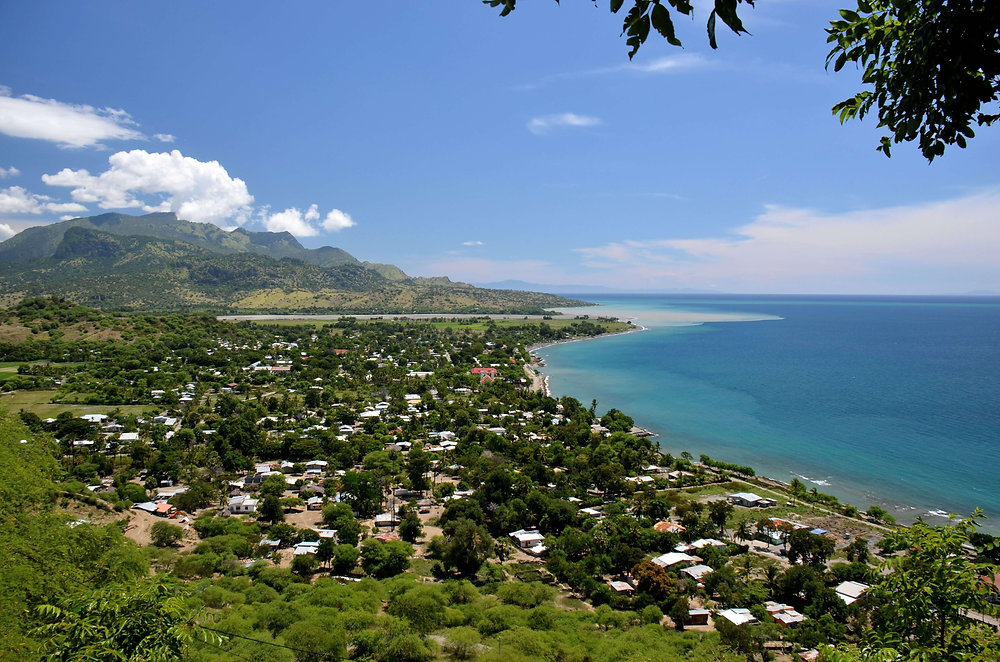
A Natural Wonder of Canada: The Great Lakes

johnbowe.info – Nestled within the heart of North America, the Great Lakes are a series of interconnected freshwater lakes that form the largest group of freshwater lakes on Earth. Comprising Lakes Superior, Michigan, Huron, Erie, and Ontario, these expansive bodies of water are a natural wonder that not only define the geography of the region but also play a crucial role in the ecology, economy, and culture of Canada and the United States.

A Brief Overview of the Great Lakes

The Great Lakes are renowned for their sheer size and the vast amount of freshwater they contain. Together, they hold approximately 20% of the world’s surface fresh water, making them an invaluable resource. The lakes are fed by numerous rivers and streams, and they are connected by a series of natural and man-made waterways, allowing for the flow of water from Lake Superior to Lake Ontario and eventually into the Atlantic Ocean via the St. Lawrence River.

The Ecological Significance

The Great Lakes are home to a diverse array of flora and fauna, including numerous species of fish, birds, and aquatic plants. This biodiversity is supported by the lakes’ complex ecosystems, which are influenced by both natural processes and human activities. Conservation efforts are paramount to protect these ecosystems from pollution, invasive species, and other threats.

Economic Importance

The Great Lakes region is a hub of economic activity, with the lakes serving as a vital transportation corridor for shipping goods. The ports along the lakes facilitate the movement of cargo, including iron ore, coal, and grain, contributing significantly to the economies of both Canada and the United States. Additionally, the lakes are a source of drinking water for millions of people and support numerous recreational activities, such as boating, fishing, and swimming, which are integral to the local tourism industry.

Cultural Heritage

The Great Lakes have played a significant role in the history and culture of the region. They have been a source of sustenance and transportation for Indigenous peoples for thousands of years and have been a focal point for European exploration and settlement. Today, the lakes continue to inspire artists, writers, and musicians, and they are a symbol of the shared heritage and cooperation between Canada and the United States.

Challenges and Conservation

Despite their importance, the Great Lakes face numerous environmental challenges, including pollution, habitat destruction, and the introduction of invasive species. Efforts to protect and preserve these natural wonders involve international cooperation, scientific research, and community engagement. Organizations and governments on both sides of the border are working together to ensure the sustainability of the Great Lakes for future generations.

In conclusion, the Great Lakes are more than just a geographical feature; they are a symbol of the natural beauty, economic vitality, and cultural richness of the region. As we continue to learn from and about these magnificent bodies of water, it is our responsibility to ensure their preservation for the benefit of all.

Protecting the Land and Sea: Sri Lanka’s Environmental Initiatives

johnbowe.info – Sri Lanka, an island nation renowned for its rich biodiversity and natural beauty, has increasingly recognized the importance of environmental conservation. In recent years, the country has embarked on several initiatives aimed at protecting its land and sea environments. These efforts are crucial in the face of global challenges such as climate change, deforestation, and marine pollution. This article explores the key environmental initiatives undertaken by Sri Lanka, highlighting their significance and potential impact on the country’s ecosystems.

Reforestation Projects

One of Sri Lanka’s primary environmental initiatives is reforestation. The country has lost a significant portion of its forest cover due to deforestation, leading to soil erosion, loss of biodiversity, and increased greenhouse gas emissions. To address this, the Sri Lankan government and various non-governmental organizations have launched reforestation projects. These initiatives involve planting trees in deforested areas, promoting agroforestry, and creating protected areas to ensure the survival of native species. Reforestation not only helps in carbon sequestration but also in preserving the habitats of endemic wildlife, such as the Sri Lankan leopard and the elephant.

Marine Conservation Efforts

Sri Lanka’s marine environment is equally rich and diverse, home to a variety of coral reefs, mangroves, and marine life. However, it faces threats from overfishing, pollution, and coastal development. To protect its marine ecosystems, Sri Lanka has implemented several conservation measures. These include establishing marine protected areas (MPAs), enforcing fishing regulations, and promoting sustainable fishing practices. Additionally, there are initiatives to clean up coastal areas and reduce plastic pollution, which is a significant threat to marine life.

Sustainable Agriculture Practices

Agriculture is a major sector in Sri Lanka, but traditional farming methods can lead to soil degradation and water pollution. To address these issues, the government and environmental organizations are promoting sustainable agriculture practices. This includes the adoption of organic farming, agroecology, and the use of bio-pesticides and bio-fertilizers. By reducing the reliance on chemical fertilizers and pesticides, these practices aim to enhance soil health, increase biodiversity, and ensure the long-term sustainability of agricultural lands.

Renewable Energy Initiatives

Sri Lanka is also making strides in renewable energy, recognizing the need to reduce its carbon footprint and dependence on fossil fuels. The country has significant potential for solar, wind, and hydroelectric power, and there are ongoing efforts to harness these resources. The government has introduced policies to encourage the use of renewable energy in both public and private sectors, including subsidies for solar panel installations and investments in large-scale wind farms. These initiatives not only help in reducing greenhouse gas emissions but also in creating green jobs and promoting sustainable development.

Public Awareness and Education

Finally, public awareness and education play a crucial role in Sri Lanka’s environmental initiatives. Through campaigns and educational programs, the government and environmental organizations aim to foster a culture of environmental stewardship among the population. This includes educating the public about the importance of conservation, recycling, and reducing waste. By engaging the community, these efforts aim to build a collective responsibility towards protecting Sri Lanka’s natural heritage.

Conclusion

Sri Lanka’s environmental initiatives are a testament to the country’s commitment to protecting its land and sea environments. From reforestation and marine conservation to sustainable agriculture and renewable energy, these efforts are crucial in addressing the impacts of climate change and ensuring the sustainability of Sri Lanka’s ecosystems. As the country continues to face environmental challenges, these initiatives will be vital in preserving its rich biodiversity and natural beauty for future generations.

The Maldives: A Honeymooner’s Dream Destination

johnbowe.info – Nestled in the Indian Ocean, the Maldives is a tropical paradise that has become synonymous with luxury, romance, and seclusion. With its crystal-clear waters, vibrant marine life, and picturesque overwater bungalows, it’s no wonder that the Maldives is often considered the ultimate honeymoon destination. This article delves into what makes the Maldives so special for newlyweds and explores the myriad of experiences that await couples looking to celebrate their love in this idyllic setting.

The Allure of the Maldives

Unparalleled Natural Beauty

The Maldives is a country of breathtaking natural beauty, featuring over 1,000 coral islands that are home to some of the world’s most pristine beaches. The turquoise waters, white sands, and lush vegetation create a serene and romantic backdrop for honeymooners seeking a tranquil escape.

Overwater Bungalows

One of the most iconic features of the Maldives is its overwater bungalows. These luxurious accommodations offer a unique experience, with direct access to the ocean and stunning views of the horizon. Many bungalows come with glass floors, allowing couples to gaze at the marine life below without even getting wet.

Romantic Dining Experiences

The Maldives is renowned for its romantic dining options. From underwater restaurants to private beach dinners, couples can enjoy gourmet cuisine in some of the most enchanting settings imaginable. These experiences often include personalized menus, fine wines, and the soft glow of candlelight, making them unforgettable.

Activities for Honeymooners

Water Sports and Diving

For adventurous couples, the Maldives offers a plethora of water-based activities. Snorkeling, scuba diving, and surfing are popular choices, providing opportunities to explore the vibrant coral reefs and encounter a wide array of marine species.

Spa and Wellness

Many resorts in the Maldives offer world-class spa facilities, where couples can indulge in rejuvenating treatments designed to relax and pamper. From couples’ massages to exotic body wraps, these experiences are the perfect way to unwind and reconnect.

Sunset Cruises and Stargazing

The Maldives is famous for its stunning sunsets, and a romantic cruise at dusk is a must-do. As the sky transforms into a canvas of oranges, pinks, and purples, couples can enjoy a moment of tranquility together. After dark, the clear skies of the Maldives are perfect for stargazing, offering a chance to witness the Milky Way in all its glory.

Planning Your Honeymoon in the Maldives

Best Time to Visit

The best time to visit the Maldives is during the dry season, from November to April, when the weather is sunny and the risk of rain is low. This period is ideal for enjoying the outdoor activities and beautiful beaches the country has to offer.

Accommodation Options

The Maldives caters to a range of budgets, from ultra-luxurious private island resorts to more affordable guesthouses on local islands. Overwater bungalows are the quintessential Maldivian experience, but beachfront villas and suites also offer a romantic setting.

Travel Tips

When planning a honeymoon in the Maldives, it’s important to consider the logistics of travel. The country is made up of many small islands, so choosing the right resort or island is key to ensuring a seamless and enjoyable stay. It’s also advisable to book activities and special experiences in advance to secure availability.
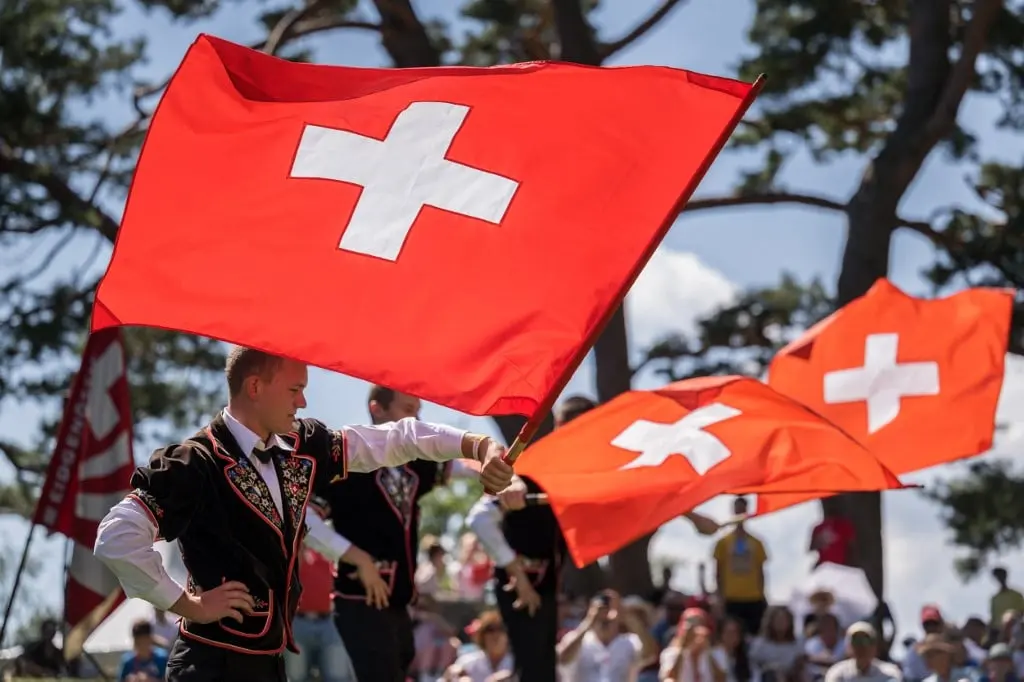
Conclusion

The Maldives is more than just a honeymoon destination; it’s a place where dreams come true. With its unparalleled natural beauty, luxurious accommodations, and myriad of romantic experiences, the Maldives offers the perfect setting for newlyweds to celebrate the beginning of their journey together. Whether you’re looking for adventure, relaxation, or simply the chance to bask in each other’s company, the Maldives promises an unforgettable honeymoon experience that will be cherished for a lifetime.

Preserving Heritage & Identity: Ecuador’s Indigenous Peoples

johnbowe.info – Ecuador is a country rich in cultural diversity, with a significant portion of its population being indigenous. These communities have a long history of preserving their heritage and identity, despite the challenges posed by modernization and globalization. This article explores the various ways in which Ecuador’s indigenous peoples are maintaining their traditions and ensuring the survival of their ancestral ways of life.

The Historical Context

The indigenous peoples of Ecuador have inhabited the region for thousands of years, with each group having its own distinct language, customs, and social structures. The arrival of the Spanish in the 16th century marked the beginning of a long period of colonization and assimilation efforts, which threatened the existence of these communities. Despite this, many indigenous groups have managed to retain their cultural identity and continue to play a vital role in Ecuadorian society.
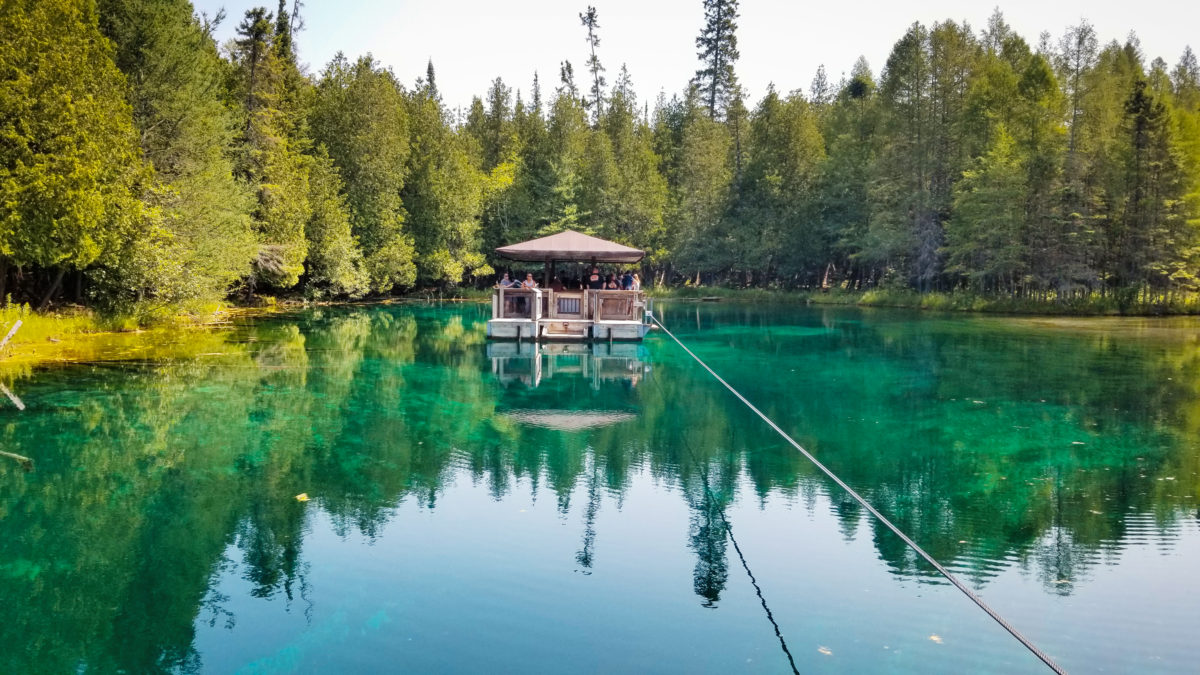
Language and Education

One of the primary ways indigenous communities in Ecuador preserve their heritage is through the maintenance of their native languages. Languages such as Kichwa, Shuar, and Achuar are taught in schools and used in daily life, ensuring that future generations can communicate in their ancestral tongue. Bilingual education programs have been established to provide children with the opportunity to learn both their indigenous language and Spanish, the country’s official language.

Traditional Practices and Rituals

Indigenous peoples in Ecuador continue to practice traditional customs and rituals that have been passed down through generations. These include agricultural practices, craftsmanship, and spiritual ceremonies. For example, the Saraguro people are known for their distinctive black attire and their traditional way of life, which revolves around agriculture and animal husbandry. The Shuar, on the other hand, are famous for their blowgun hunting techniques and the use of the hallucinogenic drink ayahuasca in spiritual rituals.

Land Rights and Environmental Conservation

The struggle for land rights is a significant aspect of the indigenous movement in Ecuador. Many communities have fought to protect their ancestral lands from encroachment by multinational corporations and government projects. Successes in this area have not only secured the livelihoods of indigenous peoples but have also contributed to the conservation of Ecuador’s biodiversity. Indigenous territories often serve as important natural reserves, where traditional ecological knowledge is used to maintain the balance of the ecosystem.

Political Representation and Social Movements

Indigenous peoples in Ecuador have organized themselves into powerful social movements that advocate for their rights and interests. Organizations such as CONAIE (Confederation of Indigenous Nationalities of Ecuador) have played a key role in national politics, influencing policies on land rights, environmental protection, and cultural preservation. Indigenous leaders have been elected to political office, giving them a platform to enact change and represent the interests of their communities on a national level.

Conclusion

The indigenous peoples of Ecuador are a testament to the resilience and importance of preserving cultural heritage. Through their efforts in language preservation, the continuation of traditional practices, the defense of land rights, and political engagement, they have managed to maintain their identity in the face of external pressures. As Ecuador continues to develop, it is crucial that the country recognizes and supports the indigenous communities that are integral to its cultural fabric. The preservation of these communities’ heritage is not only a matter of cultural survival but also a vital contribution to the rich tapestry of human diversity.

Social Change and Development: The Role of NGOs in Honduras

johnbowe.info – The non-governmental organizations (NGOs) in Honduras play a pivotal role in fostering social change and development across the country. With a history of political instability, economic challenges, and social inequalities, NGOs have become essential actors in addressing the needs of the Honduran population and promoting sustainable development. This article explores the multifaceted contributions of NGOs in Honduras, highlighting their efforts in education, healthcare, environmental conservation, and economic empowerment.

Education and Literacy Initiatives

One of the primary focuses of NGOs in Honduras is on education and literacy. Recognizing that access to quality education is a fundamental right, NGOs have launched numerous programs aimed at improving literacy rates and providing educational opportunities for children and adults alike. These initiatives include building schools in remote areas, offering scholarships, and providing teacher training to enhance the quality of education.

Healthcare and Social Services

NGOs have also been instrumental in improving healthcare and social services in Honduras. By establishing clinics, training healthcare workers, and conducting health campaigns, these organizations have helped to reduce the incidence of preventable diseases and improve overall public health. Additionally, NGOs have been at the forefront of addressing social issues such as child labor, domestic violence, and the rights of indigenous communities.

Environmental Conservation and Sustainability

Environmental conservation is another critical area where NGOs in Honduras have made significant strides. Facing challenges such as deforestation, pollution, and climate change, NGOs have implemented projects aimed at promoting sustainable practices, protecting biodiversity, and raising awareness about environmental issues. These efforts are crucial in ensuring the long-term viability of Honduras’ natural resources and ecosystems.

Economic Empowerment and Poverty Alleviation

Economic empowerment and poverty alleviation are central goals for many NGOs operating in Honduras. Through microfinance programs, vocational training, and support for small businesses, these organizations help individuals and communities to become self-sufficient. By creating economic opportunities and promoting fair trade practices, NGOs contribute to reducing poverty and improving the standard of living for many Hondurans.

Challenges and Future Directions

Despite the positive impact of NGOs in Honduras, there are challenges that need to be addressed. These include ensuring the sustainability of NGO projects, navigating the complex political landscape, and fostering greater collaboration between NGOs, the government, and the private sector. Looking ahead, the future of NGOs in Honduras will likely involve an increased focus on technology and innovation to enhance their effectiveness and reach.

Conclusion

The role of NGOs in Honduras is indispensable in driving social change and development. Through their diverse initiatives in education, healthcare, environmental conservation, and economic empowerment, NGOs have made a significant difference in the lives of many Hondurans. As the country continues to face various challenges, the work of NGOs remains vital in building a more equitable, sustainable, and prosperous future for all.