
The Majestic Kunlun Mountains: A Natural Wonder

johnbowe.info – The Kunlun Mountains, known as 昆仑山 (Kūnlún Shān) in Chinese, are one of the most significant mountain ranges in Asia, spanning over 3,000 kilometers. These mountains hold immense geographical, historical, and cultural importance, forming a natural boundary between the Tibetan Plateau and the vast deserts of Central Asia. Known for their awe-inspiring landscapes and rich biodiversity, the Kunlun Mountains continue to captivate explorers, scientists, and nature enthusiasts alike.

Geographical Significance

Stretching from the Pamirs in the west to the Sino-Tibetan border in the east, the Kunlun Mountains form an integral part of the Asian mountain system. This range serves as a natural divider, influencing the climate and hydrology of the regions it spans. The mountains are characterized by towering peaks, with the highest, the Kunlun Goddess Peak, reaching an elevation of approximately 7,167 meters.

Geological Features

The Kunlun Mountains are primarily composed of volcanic and sedimentary rocks, offering a fascinating glimpse into the Earth’s geological history. The region is also known for its tectonic activity, with various fault lines running through the mountains. These geological features have contributed to the unique landforms and mineral wealth found in the area, including deposits of jade, gold, and other precious minerals.

Biodiversity and Ecology

The Kunlun Mountains support a diverse range of flora and fauna, thanks to their varied altitudes and climates. The lower slopes are home to temperate forests, while alpine meadows and tundra landscapes can be found at higher elevations. The region is also a haven for wildlife, including species such as snow leopards, Tibetan antelopes, and a variety of bird species. Conservation efforts are crucial to preserve this unique ecosystem and its inhabitants.

Cultural and Historical Importance

The Kunlun Mountains hold a revered place in Chinese mythology and literature. They are often depicted as the dwelling place of gods and immortals, a source of mysticism and inspiration for countless stories and legends. Throughout history, the mountains have also served as a natural barrier, influencing trade routes and cultural exchanges across the region. The ancient Silk Road, which facilitated the exchange of goods and ideas, passed through the southern fringes of the Kunlun range.

Modern Exploration and Tourism

In recent years, the Kunlun Mountains have attracted adventurers and tourists eager to experience their breathtaking beauty and challenging terrains. Hiking, mountaineering, and eco-tourism are popular activities, allowing visitors to explore the pristine landscapes and cultural heritage of the region. However, responsible tourism practices are essential to ensure the preservation of this fragile environment.

Conclusion

The Kunlun Mountains stand as a testament to the grandeur of nature, offering a unique blend of natural beauty, geological wonders, and cultural richness. Their significance extends beyond their physical presence, embodying the deep connection between nature and humanity. As interest in this majestic range continues to grow, efforts to protect and preserve its unique landscapes and biodiversity will be more important than ever.
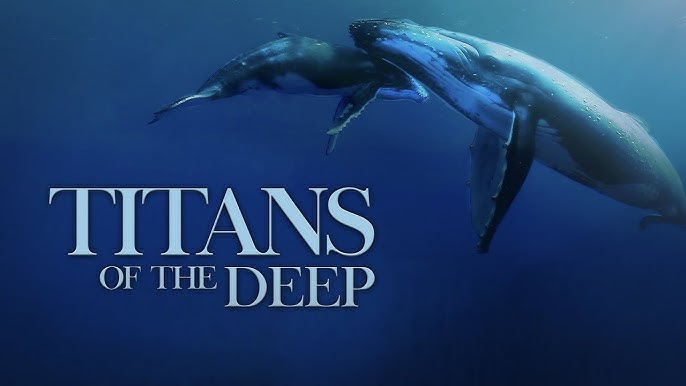

Whale Wonders: The Mysteries of the Ocean’s Titans

johnbowe.info – The ocean is a vast and mysterious world, home to creatures both magnificent and enigmatic. Among these, whales stand out as some of the most awe-inspiring titans of the deep. With their immense size, intelligence, and complex social behaviors, whales have fascinated humans for centuries. This article delves into the wonders of these ocean giants, exploring their unique characteristics, behaviors, and the mysteries that continue to surround them.

The Majestic Giants

Whales are the largest animals on Earth, with the blue whale holding the title of the largest known animal to have ever existed. These majestic giants are divided into two main groups: baleen whales and toothed whales. Baleen whales, like the humpback and blue whale, use baleen plates to filter small fish and plankton from the water. Toothed whales, such as orcas and sperm whales, hunt larger prey and are equipped with echolocation abilities.

Intelligent and Social Creatures

Whales are renowned for their intelligence and complex social structures. Many species exhibit intricate communication systems, using a series of clicks, whistles, and songs to interact with one another. The songs of the humpback whale, in particular, are famous for their haunting beauty and complexity. Social bonds among whales can be strong, with some species forming long-lasting relationships and even cooperative hunting strategies.

Migration Marvels

One of the most remarkable aspects of whale behavior is their migratory patterns. Many species undertake long journeys across the oceans, traveling thousands of miles between feeding and breeding grounds. These migrations are not only impressive in their scope but also crucial for the survival of these species, as they follow the abundance of food and suitable conditions for raising their young.

Mysteries of the Deep

Despite extensive research, much about whales remains shrouded in mystery. Scientists continue to study their migratory routes, communication methods, and social dynamics to uncover the secrets of these ocean giants. Questions about the full extent of their intelligence, emotional capacity, and the impacts of environmental changes on their populations are still being explored.

Conservation Challenges

Whales face numerous threats in today’s world, from climate change and pollution to ship strikes and entanglement in fishing gear. Conservation efforts are crucial to protect these magnificent creatures and their habitats. Organizations and researchers around the globe are working tirelessly to understand and mitigate these threats, ensuring that future generations can continue to marvel at the wonders of whales.

Conclusion

Whales are truly wonders of the ocean, captivating our imaginations with their size, intelligence, and mysterious nature. As we strive to learn more about these incredible creatures, it is essential to protect them and their environments. By fostering a deeper understanding and appreciation for whales, we can help ensure their continued existence and the preservation of the ocean’s delicate ecosystems.

A Natural Wonder of Canada: The Great Lakes

johnbowe.info – Nestled within the heart of North America, the Great Lakes are a series of interconnected freshwater lakes that form the largest group of freshwater lakes on Earth. Comprising Lakes Superior, Michigan, Huron, Erie, and Ontario, these expansive bodies of water are a natural wonder that not only define the geography of the region but also play a crucial role in the ecology, economy, and culture of Canada and the United States.

A Brief Overview of the Great Lakes

The Great Lakes are renowned for their sheer size and the vast amount of freshwater they contain. Together, they hold approximately 20% of the world’s surface fresh water, making them an invaluable resource. The lakes are fed by numerous rivers and streams, and they are connected by a series of natural and man-made waterways, allowing for the flow of water from Lake Superior to Lake Ontario and eventually into the Atlantic Ocean via the St. Lawrence River.

The Ecological Significance

The Great Lakes are home to a diverse array of flora and fauna, including numerous species of fish, birds, and aquatic plants. This biodiversity is supported by the lakes’ complex ecosystems, which are influenced by both natural processes and human activities. Conservation efforts are paramount to protect these ecosystems from pollution, invasive species, and other threats.

Economic Importance

The Great Lakes region is a hub of economic activity, with the lakes serving as a vital transportation corridor for shipping goods. The ports along the lakes facilitate the movement of cargo, including iron ore, coal, and grain, contributing significantly to the economies of both Canada and the United States. Additionally, the lakes are a source of drinking water for millions of people and support numerous recreational activities, such as boating, fishing, and swimming, which are integral to the local tourism industry.

Cultural Heritage

The Great Lakes have played a significant role in the history and culture of the region. They have been a source of sustenance and transportation for Indigenous peoples for thousands of years and have been a focal point for European exploration and settlement. Today, the lakes continue to inspire artists, writers, and musicians, and they are a symbol of the shared heritage and cooperation between Canada and the United States.

Challenges and Conservation

Despite their importance, the Great Lakes face numerous environmental challenges, including pollution, habitat destruction, and the introduction of invasive species. Efforts to protect and preserve these natural wonders involve international cooperation, scientific research, and community engagement. Organizations and governments on both sides of the border are working together to ensure the sustainability of the Great Lakes for future generations.

In conclusion, the Great Lakes are more than just a geographical feature; they are a symbol of the natural beauty, economic vitality, and cultural richness of the region. As we continue to learn from and about these magnificent bodies of water, it is our responsibility to ensure their preservation for the benefit of all.