Zhao Liying: A Glimpse Into the Life of a Superstar

johnbowe.info – When it comes to talent, beauty, and sheer dedication, Zhao Liying stands as one of China’s most beloved stars. Born on October 16, 1987, in Langfang, Hebei, Zhao’s rise to fame is not just about her stunning looks but also her incredible work ethic and undeniable acting skills. Today, she is a household name, known for her roles in some of the most popular Chinese dramas and films. If you’re a fan of Chinese entertainment, you’ll want to learn more about this incredible actress who has taken the industry by storm.

Early Life and Background

Zhao Liying’s journey to stardom wasn’t a typical one. Growing up in a modest family, she wasn’t always sure of what she wanted to do. It wasn’t until high school that Zhao found her passion for acting. She entered the world of entertainment through the Beijing Film Academy, which is famous for producing many top-tier Chinese actors. However, the road to success wasn’t an easy one for her.

Like many aspiring actors, Zhao faced numerous challenges early in her career, often taking on minor roles and struggling to get noticed. But instead of giving up, she used these experiences to grow stronger, learning everything she could about her craft. Her persistence paid off in 2011 when she starred in her first leading role in the TV series “Legend of Lu Zhen.” This was the role that truly put Zhao Liying on the map, earning her recognition and a dedicated fanbase.

Breakthrough and Popularity

Though Zhao Liying’s career started a bit slow, her breakthrough came in 2015 with the wildly popular drama “The Princess Wei Young.” The show was a massive hit, and Zhao’s performance as the fierce and intelligent Princess Wei Young won her several awards. She became a star almost overnight, and her popularity soared.

But it wasn’t just one role that solidified her place in the hearts of viewers. Zhao Liying’s diverse roles in subsequent dramas, like “Journey of Flower” (2015) and “The King’s Woman” (2017), further demonstrated her versatility as an actress. From playing a sweet and innocent girl to a determined and vengeful woman, Zhao quickly showed that she could tackle any role with grace and style.

A Glimpse at Her Personal Life

While Zhao Liying is often in the public eye for her acting career, she’s also known for keeping a relatively low profile when it comes to her personal life. However, in 2020, she made headlines when she married actor Feng Shaofeng, a relationship that was met with excitement and support from fans. The couple welcomed their first child in early 2021, making Zhao a mother and balancing her role as a professional actress with her duties at home.

Despite being a new mom, Zhao Liying continues to impress fans with her ability to juggle work and family life. Her commitment to her craft and her family makes her even more relatable and admired by her followers.

Zhao Liying’s Impact on the Industry

Zhao Liying’s influence extends far beyond her roles in television and film. She has become a brand ambassador for numerous high-end brands and has even launched her own clothing line. Her impact on Chinese pop culture is undeniable, and she’s seen as a role model for many young actors and actresses.

With a career spanning more than a decade, Zhao Liying has not only proved her acting chops but has also become a symbol of perseverance, growth, and success. Whether she’s playing a historical heroine or a modern-day woman navigating life’s complexities, Zhao continues to captivate audiences with her authenticity and dedication to her craft.

The Future of Zhao Liying

So, what’s next for Zhao Liying? While she’s already achieved so much in her career, there’s no doubt that we’ll be seeing more of her in the future. She has an undeniable ability to stay relevant in the ever-evolving entertainment industry, and fans are eagerly awaiting her next project.

At johnbowe.info, we’re always keeping an eye on the careers of rising stars like Zhao Liying. Her success story serves as a reminder that hard work, dedication, and staying true to oneself can lead to amazing accomplishments. With so much more to come, Zhao Liying’s fans can look forward to many more years of incredible performances.

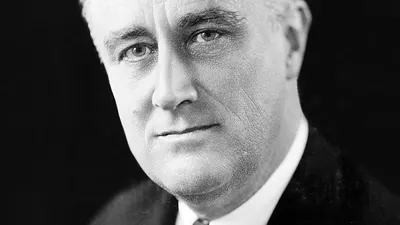
Franklin D. Roosevelt: Architect of the New Deal

johnbowe.info – Franklin Delano Roosevelt (FDR), the 32nd President of the United States, is one of the most iconic figures in American history. His presidency was marked by monumental challenges: the Great Depression and World War II. Roosevelt’s policies and vision not only saved the U.S. economy from collapse but also fundamentally reshaped the role of government in American life. At the center of his presidency was the New Deal, a series of programs, reforms, and laws that aimed to provide relief, recovery, and reform to a nation in crisis. This article explores the life and legacy of Franklin D. Roosevelt, focusing on his role as the architect of the New Deal, and how his leadership transformed the country during one of its darkest hours.

Early Life and Political Ascent

A Wealthy Upbringing

Franklin D. Roosevelt was born into a life of privilege on January 30, 1882, in Hyde Park, New York. He was the only child of James Roosevelt and Sara Delano Roosevelt, both of whom came from prominent, wealthy families. This affluence afforded Roosevelt access to the best educational opportunities. He attended the prestigious Groton School before going on to Harvard University, where he was groomed for public service. After earning his degree, he studied law at Columbia University, but left before completing his degree, choosing instead to practice law.

Entry into Politics

Roosevelt’s entry into politics came in 1910 when he was elected to the New York State Senate as a Democrat. His political career quickly progressed, and in 1913, he was appointed Assistant Secretary of the Navy under President Woodrow Wilson, a position he held until 1920. His leadership during World War I helped him build a reputation as a skilled administrator and leader.

Despite contracting polio in 1921, which left him paralyzed from the waist down, Roosevelt refused to let his illness end his political ambitions. In 1928, he was elected Governor of New York, where he began experimenting with progressive policies aimed at addressing the economic troubles of the time. His success as governor would serve as a launching pad for his eventual bid for the presidency.

The Great Depression and the 1932 Presidential Election

America in Crisis

By the time Roosevelt ran for president in 1932, the United States was in the depths of the Great Depression. The stock market crash of 1929 had led to widespread economic collapse. Banks had failed, businesses were closing, and unemployment had skyrocketed to nearly 25%. Millions of Americans were struggling to survive, with many losing their homes and livelihoods. The incumbent president, Herbert Hoover, had failed to address the crisis effectively, and public discontent was high.

Roosevelt’s Campaign for Change

Roosevelt ran a campaign of optimism and hope, promising a “New Deal for the American people.” He argued for bold, decisive action to address the economic woes of the country. His message resonated with voters, and in November 1932, Roosevelt won a landslide victory, carrying 42 of the 48 states. His inauguration in March 1933 marked the beginning of a transformative era in American government and society.

The New Deal: A Bold Response to the Depression

First 100 Days: The Foundation of the New Deal

Upon taking office, Roosevelt wasted no time in addressing the nation’s economic crisis. During his first 100 days in office, FDR and Congress passed an unprecedented number of laws aimed at stabilizing the economy and providing immediate relief to those suffering. This period set the tone for what would become the New Deal.

Banking Reform and the Emergency Banking Act

One of FDR’s first acts as president was to address the banking crisis. The banking system was on the verge of collapse, with many Americans losing faith in the financial system. Roosevelt declared a “bank holiday,” temporarily closing all banks while Congress worked on reforms. The Emergency Banking Act, passed just days later, gave the federal government greater control over the banking system and provided a framework for restoring public confidence. When banks reopened, deposits surged, signaling a critical first victory for the New Deal.

The Civilian Conservation Corps (CCC) and Public Works Administration (PWA)

To combat rising unemployment, Roosevelt introduced several public works programs. The Civilian Conservation Corps (CCC) was one of the first and most popular programs, employing young men in conservation and reforestation projects across the country. The Public Works Administration (PWA), established later, focused on large-scale infrastructure projects like roads, bridges, and public buildings. These programs not only put Americans back to work but also helped modernize the nation’s infrastructure.

The Second New Deal: Deepening Reform

By 1935, Roosevelt and his administration shifted toward more profound reforms aimed at addressing the structural problems of the economy. The Second New Deal focused on improving labor rights, social security, and economic equality.

The Social Security Act

Perhaps the most lasting legacy of the New Deal was the creation of the Social Security system. The Social Security Act of 1935 established unemployment insurance, old-age pensions, and aid for the disabled and needy children. For the first time, the federal government took responsibility for the welfare of its citizens, marking a significant shift in the relationship between the government and the American people.

Labor Reforms and the Wagner Act

Labor unions had long struggled for recognition and better working conditions, but during the Depression, workers were particularly vulnerable to exploitation. The Wagner Act, passed in 1935, gave workers the right to form unions and engage in collective bargaining. This act led to a significant rise in union membership and improved working conditions for millions of Americans.

Opposition and Criticism of the New Deal

While the New Deal was popular with many Americans, it faced opposition from various quarters. Conservative critics argued that Roosevelt’s policies expanded the federal government too much, threatening individual liberty and free enterprise. Some on the left, including figures like Huey Long, argued that the New Deal did not go far enough in redistributing wealth and addressing economic inequality.

The Supreme Court also posed challenges to the New Deal. In several landmark cases, the court struck down key New Deal programs, including the National Recovery Administration (NRA) and the Agricultural Adjustment Act (AAA), as unconstitutional. In response, Roosevelt attempted to “pack” the Supreme Court by adding more justices who would be sympathetic to his policies. This effort, however, was met with fierce opposition and ultimately failed, though the court later became more accommodating to New Deal legislation.

Roosevelt’s Legacy and the New Deal’s Lasting Impact

Economic Recovery and WWII

While the New Deal did not fully end the Great Depression, it did bring significant improvements to the economy and restored hope to millions of Americans. It wasn’t until World War II that the U.S. economy fully recovered, driven by massive war production and the mobilization of millions of workers.

However, the New Deal laid the foundation for the modern welfare state and reshaped the role of the federal government in American life. Programs like Social Security, unemployment insurance, and labor protections became permanent fixtures of American society, and the federal government assumed a much more active role in regulating the economy and providing for the welfare of its citizens.

Roosevelt’s Leadership and Vision

Roosevelt’s leadership during the New Deal era has been praised for its boldness and creativity. He was willing to experiment with new ideas and policies, often saying, “Do something. If it works, do more of it. If it doesn’t, do something else.” This pragmatism helped Roosevelt navigate the immense challenges of his presidency and maintain public support even in the face of setbacks.

FDR’s personal resilience, demonstrated by his ability to overcome the physical limitations of polio, also inspired millions of Americans who were struggling during the Depression. His fireside chats—radio broadcasts in which he spoke directly to the American people—helped him forge a personal connection with the public and provided reassurance during times of uncertainty.

Conclusion

Franklin D. Roosevelt’s New Deal fundamentally altered the landscape of American government and society. By expanding the role of the federal government, creating social safety nets, and implementing reforms that sought to stabilize and recover the U.S. economy, Roosevelt’s leadership helped pull the nation out of its darkest economic crisis. While the New Deal had its critics, its legacy endures in the institutions it created and the new expectations it set for government responsibility in the lives of American citizens. Roosevelt’s vision, innovation, and tenacity as the architect of the New Deal earned him a place as one of the most transformative and celebrated leaders in American history.

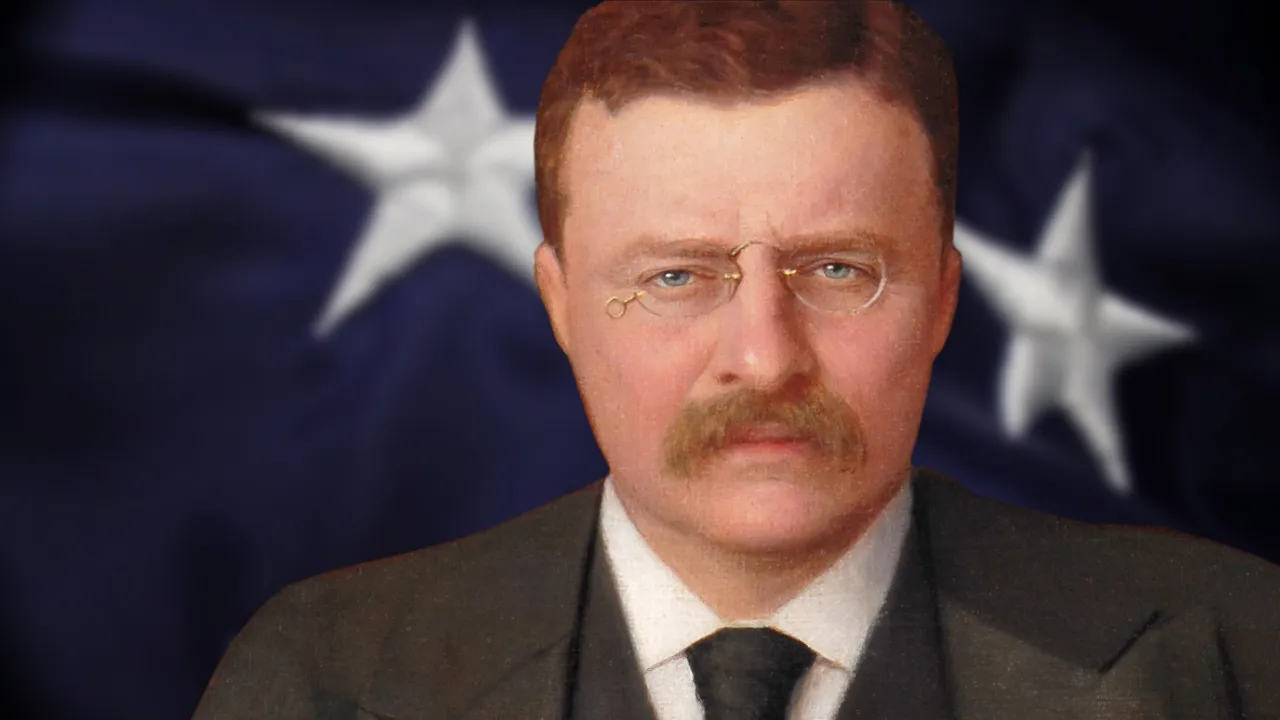
The Rough Rider: The Life and Legacy of Theodore Roosevelt

johnbowe.info – Theodore Roosevelt, the 26th President of the United States, is remembered as one of the most dynamic and influential figures in American history. From his adventurous spirit to his progressive policies, Roosevelt’s life and legacy continue to inspire generations. Known as “The Rough Rider,” Roosevelt’s remarkable journey from the son of a wealthy family to the leader of the free world is a testament to his strength, determination, and unwavering belief in the power of change.

Early Life: A Boy of Fragile Health

The Roosevelt Family Background

Born on October 27, 1858, in New York City, Theodore Roosevelt was the second of four children in the Roosevelt family. His father, Theodore Roosevelt Sr., was a successful businessman and philanthropist, while his mother, Martha Bulloch Roosevelt, hailed from a Southern aristocratic family in Georgia. Despite being born into privilege, Roosevelt’s early life was shaped by a series of challenges.

As a young child, Roosevelt suffered from numerous health issues, including asthma, which often left him bedridden. However, his father was a crucial influence during this period, encouraging his son to build physical strength and resilience. He adopted the philosophy that a strong mind required a strong body, a mantra that Theodore would carry with him throughout his life.

A Love for Learning and Adventure

Roosevelt’s intellectual curiosity and passion for history, natural sciences, and exploration became evident early on. He spent much of his childhood reading books on various subjects and collecting specimens from nature. His love of adventure was also nurtured by his family. On family trips, Roosevelt was encouraged to observe and document his surroundings, which fueled his desire to explore the unknown.

The Death of His Father

One of the most transformative moments of Roosevelt’s early life was the death of his father in 1878. Theodore Roosevelt Sr.’s passing left a profound impact on the young Roosevelt, who struggled with the loss of the man he admired so much. This event marked a turning point for Roosevelt, motivating him to live life to its fullest. Determined to overcome his frailty, he began to focus more on physical fitness, taking up boxing, hiking, and weightlifting. These efforts transformed him into a robust and energetic individual.

Roosevelt’s Political Rise

A Rapid Ascent in Politics

Theodore Roosevelt’s political career began in earnest when he was elected to the New York State Assembly in 1882, just a few years after completing his education at Harvard University. Despite his relatively young age, Roosevelt quickly gained attention for his progressive views and his ability to tackle corruption within the state government.

In 1889, Roosevelt was appointed as the U.S. Civil Service Commissioner, where he championed reforms aimed at reducing the spoils system—a practice that rewarded political loyalty over merit. His work in this role earned him national recognition and solidified his reputation as a reformer.

The Role of Police Commissioner

Roosevelt’s next major role came in 1895, when he was appointed New York City Police Commissioner. In this position, Roosevelt took on the task of modernizing the police force. He implemented sweeping reforms, focusing on improving efficiency, reducing corruption, and ensuring that officers acted more professionally. Roosevelt’s no-nonsense approach earned him a reputation for toughness and his work as a police commissioner proved his ability to confront challenges head-on.

The Rough Riders and the Spanish-American War

The Call to Arms

The Spanish-American War of 1898 was a defining moment in Theodore Roosevelt’s life. In 1897, as Assistant Secretary of the Navy, Roosevelt was instrumental in preparing the U.S. Navy for war. However, his desire for action went beyond office work, and when war was declared, he resigned from his post and formed a volunteer cavalry unit, the Rough Riders.

Roosevelt’s Rough Riders were a diverse group, including cowboys, Native Americans, and Ivy League athletes. They became legendary for their courage during the Battle of San Juan Hill in Cuba, where Roosevelt personally led his men in a charge that would become one of the most iconic moments of the war. Roosevelt’s actions during the battle earned him national fame and turned him into a hero.

A Hero’s Return

Upon returning from Cuba, Roosevelt was celebrated as a national hero. His bravery and leadership in battle propelled him into the political spotlight. Just a few months after the war, he was elected governor of New York in 1898, where he continued his fight for progressive reforms.

The Presidency: Progressive Reforms and Global Influence

The Rough Rider in the White House

In 1901, following the assassination of President William McKinley, Theodore Roosevelt became the youngest president in U.S. history at the age of 42. As president, Roosevelt implemented a wide range of progressive reforms, including trust-busting, conservation, and the regulation of railroads and other big businesses.

One of Roosevelt’s most significant achievements was his work to protect America’s natural resources. He established the U.S. Forest Service and created five national parks, 18 national monuments, and 150 national forests, thus preserving millions of acres of land for future generations. His conservation efforts helped lay the foundation for the modern environmental movement.

The Square Deal

Roosevelt’s domestic policy, known as the “Square Deal,” aimed to ensure fairness for all Americans. The three core components of the Square Deal were the regulation of corporations, consumer protection, and the conservation of natural resources. Roosevelt believed that the government should mediate between the powerful and the powerless, creating a more equitable society.

One of the most famous instances of Roosevelt’s trust-busting efforts came with the 1904 antitrust case against the Northern Securities Company, a massive railroad monopoly. Roosevelt’s willingness to challenge big businesses earned him the nickname “trust-buster” and solidified his reputation as a champion of the common man.

Foreign Policy: The Big Stick Diplomacy

On the international stage, Roosevelt promoted a policy known as “Big Stick Diplomacy.” His approach emphasized the use of military force to achieve foreign policy goals, combined with diplomacy. Roosevelt famously said, “Speak softly and carry a big stick,” meaning that while the U.S. should aim to negotiate peace, it should also be prepared to use its military might when necessary.

This policy was exemplified by the construction of the Panama Canal, a monumental engineering project that linked the Atlantic and Pacific Oceans. Roosevelt’s ability to secure the canal’s construction solidified his legacy as a leader who expanded American influence on the global stage.

The Legacy of Theodore Roosevelt

A Champion of Progressivism

Theodore Roosevelt’s presidency marked a turning point in American history. His progressive policies reshaped the nation’s economic, social, and environmental landscape. By promoting regulations that balanced the interests of business and labor, Roosevelt set a precedent for future presidents to follow.

His conservation efforts left a lasting impact on America’s wilderness and ensured that future generations would be able to enjoy the natural beauty of the country. Roosevelt’s role in creating national parks and monuments laid the groundwork for the National Park Service, an institution dedicated to preserving America’s natural heritage.

The Model of Leadership

Roosevelt’s character and leadership style continue to be an example for leaders around the world. His combination of intellectual brilliance, physical vigor, and moral courage made him a larger-than-life figure. His approach to leadership was not just about wielding power, but also about inspiring people to take action and make a difference.

The Rough Rider Spirit Lives On

Roosevelt’s life was one of boldness, determination, and resilience—qualities that defined him as a leader and a person. Whether he was climbing the political ladder, charging up San Juan Hill, or preserving America’s wilderness, Roosevelt embodied the spirit of adventure and service. His legacy lives on in the policies he championed and the example he set for future generations.

Conclusion

Theodore Roosevelt, “The Rough Rider,” left an indelible mark on the United States and the world. His life story is a reminder that courage, determination, and an unwavering commitment to progress can change the course of history. From his early struggles with health to his time as President, Roosevelt’s legacy continues to inspire those who believe in the power of leadership, hard work, and a relentless pursuit of justice.

The Bachelor President: Presidency of James Buchanan

johnbowe.info – James Buchanan, the 15th president of the United States, remains a figure surrounded by both political controversy and personal mystery. Serving as president from 1857 to 1861, his tenure coincided with the nation’s most divisive period—just before the outbreak of the Civil War. But while Buchanan’s leadership during his presidency has long been a subject of historical scrutiny, another aspect of his life that has captured the imagination of both historians and the public is his personal life, particularly his bachelorhood. As the only U.S. president to remain unmarried, Buchanan’s personal life has led to much speculation, raising questions about how his unmarried status might have influenced his leadership style and decisions.

This article examines James Buchanan’s personal life and how his bachelorhood intertwined with his presidency, political career, and leadership in the face of a rapidly escalating national crisis. While Buchanan is often remembered for his role in the dissolution of the Union, his personal history, which remains marked by solitude and relationships, sheds light on the complexities of his character.

Early Life: Formative Years and Political Rise

James Buchanan was born on April 23, 1791, in Cove Gap, Pennsylvania, to a prosperous family. He was the second of eleven children in a devout and hardworking family. Buchanan’s father, James Buchanan Sr., had emigrated from Northern Ireland and established a successful farm and iron business. His mother, Elizabeth Speer Buchanan, was known for her strong religious convictions and discipline.

Buchanan was educated at Dickinson College in Carlisle, Pennsylvania, graduating in 1809. After graduation, he pursued law, establishing himself as a successful attorney in Lancaster, Pennsylvania, where he also began to cultivate his political ambitions. Over the next few years, Buchanan built a strong reputation in both legal and political circles. He was a member of the Pennsylvania State House of Representatives, the U.S. House of Representatives, and later the U.S. Senate. In addition to his legal and political work, he became known for his diplomatic career, serving as the U.S. Minister to the United Kingdom from 1853 to 1856, where he gained significant international experience.

Despite his career success and increasing political prominence, Buchanan’s personal life took an unusual turn: he never married.

Buchanan’s Bachelorhood: A Life Without a Wife

James Buchanan’s bachelorhood has been one of the most debated aspects of his life. He never married, which made him an outlier among U.S. presidents. While many contemporary politicians and historians of his time were quick to note Buchanan’s single status, it wasn’t until later in his life that the implications of his bachelorhood truly took center stage in discussions about his presidency.

Buchanan’s closest personal relationship was with William Rufus King, a fellow politician from Alabama who served as vice president under Franklin Pierce. Buchanan and King shared a deep, lifelong friendship, which has been the subject of much speculation. Buchanan and King often lived together, and their close relationship led some to question the nature of their bond. The two men traveled together, dined together, and even corresponded frequently. However, there is no definitive evidence that their relationship was anything more than a close and platonic friendship, though this relationship has led to speculation about the possibility of a romantic connection.

Buchanan’s unmarried status was also unique in the context of 19th-century American politics, a time when marriage and family life were considered essential markers of respectability and stability for public figures. Throughout his career, Buchanan was a bachelor in a deeply traditional society that saw marriage as a crucial aspect of a person’s social standing. While there were few public discussions about his personal life, Buchanan’s lack of a wife meant that he did not have a first lady to fill the traditional role of social hostess during his presidency.

Instead, the role of first lady was informally assumed by Buchanan’s niece, Harriet Lane, who was the daughter of Buchanan’s younger sister, Elizabeth. Harriet Lane was well-regarded for her poise and charm, and she became a beloved figure during her uncle’s presidency. As the first lady, Lane hosted many important social events, official dinners, and diplomatic functions, filling the social and ceremonial void left by Buchanan’s bachelorhood.

Buchanan’s Presidency: Navigating a Nation in Crisis

Buchanan’s presidency was marked by an increasingly fractured nation on the brink of civil war. His time in office was defined by the escalating crisis over slavery, the expansion of the United States into new territories, and the fight over whether those territories would permit slavery. Buchanan, though a lifelong advocate for the preservation of the Union, was deeply committed to maintaining the status quo, which included protecting Southern interests and defending the institution of slavery.

Buchanan’s reluctance to act decisively in the face of the growing national crisis is often cited as one of the key reasons for his ineffective presidency. Instead of taking strong action to prevent the secession of Southern states, Buchanan adhered to a more passive approach, one that ultimately failed to prevent the dissolution of the Union.

The Dred Scott Decision

One of the key events during Buchanan’s presidency was the Dred Scott v. Sanford Supreme Court decision in 1857. The ruling, delivered by Chief Justice Roger Taney, declared that African Americans—whether free or enslaved—could not be considered citizens of the United States. Furthermore, the court ruled that Congress had no authority to regulate slavery in the territories. Buchanan supported the decision, believing that it would resolve the issue of slavery and bring an end to the contentious debates over the expansion of slavery into the western territories.

The decision, however, only exacerbated tensions between the North and South, as it effectively enshrined slavery as a national institution. The ruling angered abolitionists and those in the Northern states who were opposed to the expansion of slavery. Buchanan’s endorsement of the decision further isolated him from the Northern states, where many viewed it as an unconstitutional overreach that violated basic principles of liberty.

The Secession Crisis

By the time Buchanan’s term neared its end, the South was on the verge of seceding from the Union. Following the election of Abraham Lincoln in 1860, several Southern states declared their independence and formed the Confederate States of America. Buchanan, who was deeply committed to the Union, did little to prevent the secession of Southern states, believing that the federal government had no authority to coerce states back into the Union.

Despite his belief in the constitutional preservation of the Union, Buchanan’s actions were widely seen as weak and ineffective. His inability to act decisively in the face of secessionist movements and his belief that the Union could be preserved through diplomacy and compromise set the stage for the outbreak of the Civil War shortly after Lincoln’s inauguration in 1861.

Buchanan’s Legacy: A Divided Nation and a Lifelong Bachelor

James Buchanan left office in 1861, just as the nation was unraveling. His presidency was marked by his failure to effectively address the slavery crisis, his lack of decisive action in response to the secession of Southern states, and his inability to unify a nation on the brink of civil war. As a leader, Buchanan is often criticized for his indecision and inaction during the most crucial moments of his presidency.

His bachelorhood, while largely a personal matter, has been scrutinized in the context of his presidency. Some historians have speculated that Buchanan’s single status and his close relationship with William Rufus King may have influenced his political and personal decisions. Others have argued that his inability to form strong familial relationships may have left him isolated and less able to navigate the political pressures of the time. Still, many historians emphasize that Buchanan’s leadership failures were primarily due to his inability to address the issues of slavery and secession in a way that preserved the Union.

Buchanan and the Role of Family

In many ways, Buchanan’s bachelorhood underscores the traditional role of family in shaping political careers during the 19th century. While presidents such as Andrew Jackson and Martin Van Buren relied on their wives and children to help shape their public personas, Buchanan’s lack of a family structure may have placed him at a disadvantage. His reliance on his niece, Harriet Lane, to assume the role of first lady and hostess highlights how his personal life influenced his public image.

The lack of a traditional family unit around Buchanan also made his political maneuvering in the era of sectionalism all the more difficult. While other political figures might have found refuge in their familial relationships, Buchanan faced his political challenges largely alone, with few personal allies to help guide him through the turbulent period leading up to the Civil War.

Conclusion: A Complex Legacy

James Buchanan’s presidency was marked by significant challenges, both in terms of leadership and personal life. As the only bachelor president in American history, Buchanan’s unmarried status has long been a source of intrigue. However, it is his failure to address the growing sectional crisis, his indecisiveness during the secession crisis, and his inability to effectively navigate the political divisions of his time that have defined his legacy.

Buchanan remains a deeply controversial figure. His personal life, marked by solitude and close relationships with select individuals, offers a fascinating lens through which to examine his presidency. Yet, it is his leadership during one of the most crucial periods in American history that ultimately defines his place in the annals of the U.S. presidency.

The Life and Legacy of William Henry Harrison

johnbowe.info – William Henry Harrison, the 9th President of the United States, is often remembered for his brief presidency, which lasted only 31 days, but his legacy stretches far beyond that short time in office. As a prominent military leader and political figure in early American history, Harrison played a significant role in shaping the nation. This article will explore his early life, military career, political achievements, presidency, and the enduring impact he left on the country.

Early Life and Education

William Henry Harrison was born on February 9, 1773, in Berkeley Plantation, Virginia, into a prominent family. His father, Benjamin Harrison V, was a signer of the Declaration of Independence, and his grandfather, Joseph Ball, was a successful Virginia planter. This well-connected family provided Harrison with opportunities for a good education, although his formal schooling was limited.

At the age of 14, Harrison enrolled at the College of New Jersey (now Princeton University) but soon left to study medicine under a local doctor. His brief time at college, combined with his later study of medicine, helped to shape his intellect and his early views on leadership.

Military Career and the Battle of Tippecanoe

Harrison’s military career began at the age of 18 when he was commissioned as an ensign in the Army during the Northwest Indian War. His early service, marked by his involvement in various conflicts with Native American tribes, laid the groundwork for his rise to national prominence.

One of the defining moments of his career occurred during the War of 1812, when Harrison commanded American forces in the Northwest Territory. His most significant military victory came at the Battle of Tippecanoe in 1811, where he led U.S. forces against the Shawnee chief Tecumseh and his brother, Tenskwatawa (the Prophet). The victory at Tippecanoe earned Harrison national fame, with his rallying cry, “Tippecanoe and Tyler Too,” becoming a slogan during his presidential campaign years later.

Political Rise and the Road to the Presidency

After his military service, Harrison turned to politics. He served as the Governor of the Indiana Territory from 1800 to 1812, where he worked to facilitate American expansion into the region and manage relations with Native American tribes. His political acumen led him to a successful career, and in 1824, Harrison was elected to the U.S. Senate as a member of the Whig Party.

Harrison’s reputation as a military hero and political leader helped him secure the nomination as the Whig Party’s candidate for president in 1836. However, he was defeated by Martin Van Buren. Undeterred, Harrison ran again in 1840 and won a landslide victory against incumbent President Van Buren.

Presidency: A Short But Impactful Term

Harrison’s inauguration as the 9th President of the United States on March 4, 1841, was a historic event. At the age of 68, he became the oldest person to assume the presidency at that time. His inaugural address was one of the longest in history, lasting nearly two hours, and he caught a cold shortly afterward, which worsened into pneumonia. Harrison died on April 4, 1841, just 31 days into his presidency, making his tenure the shortest in American history.

Although his presidency was brief, Harrison’s election marked a significant shift in American politics. His victory in 1840, which is often credited to his ability to connect with the common man, was a precursor to the rise of populist politics in the United States. His victory also marked the first time the Whig Party gained control of the White House.

The Impact of Harrison’s Presidency

While Harrison’s presidency was short-lived, the impact of his election was far-reaching. The 1840 election campaign was the first to feature modern campaign techniques such as mass rallies, the use of slogans, and a focus on the personal character of candidates. Harrison’s image as a rugged military hero resonated with the American public, and his campaign slogan, “Tippecanoe and Tyler Too,” became one of the most iconic in American political history.

His death also had significant constitutional implications. Harrison’s sudden passing raised questions about presidential succession, and it was during his presidency that the 25th Amendment to the Constitution was later proposed and ratified, which clarified the procedures for presidential succession and the appointment of a new vice president.

Legacy and Influence on American Politics

William Henry Harrison’s legacy continues to be felt in American politics, despite his short presidency. His emphasis on populism and his ability to connect with the American people paved the way for future presidents who sought to build strong connections with their constituents. Harrison’s legacy as a military leader and his role in the expansion of the United States into the western territories helped shape the nation’s development during the early 19th century.

His death also led to a greater understanding of the importance of clear constitutional procedures in times of crisis. His passing underscored the need for clarity in the event of a president’s death or incapacity, which ultimately led to the establishment of clearer guidelines for presidential succession.

Conclusion

The life of William Henry Harrison, though marked by a presidency of only 31 days, was one of considerable achievement. From his early military successes to his political rise and eventual presidency, Harrison left an indelible mark on the history of the United States. His legacy as a military hero and a symbol of American expansion continues to resonate in the country’s collective memory, and his brief presidency served as a stepping stone for the nation’s continued growth and development.

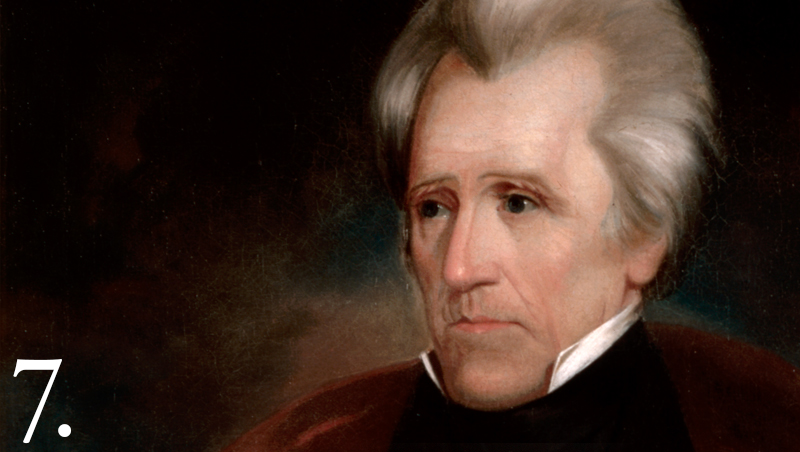
The Life of Andrew Jackson: America’s Seventh President

johnbowe.info – Andrew Jackson, the seventh president of the United States, is a towering figure in American history, celebrated by some for his contributions to the country’s growth and fiercely criticized by others for his policies and actions. His life and legacy encompass a broad range of achievements, controversies, and contradictions that have had a lasting impact on the United States. As a military hero, a populist leader, and a controversial president, Jackson’s influence shaped the nation’s political landscape for decades.

This article explores the life, presidency, and enduring legacy of Andrew Jackson, highlighting his rise to power, his policies as president, and the long-term consequences of his actions on American society and politics.

Early Life and Military Career: The Making of a Hero

A Humble Beginning

Andrew Jackson was born on March 15, 1767, in the backwoods of the Carolinas, in a small settlement near the border between North and South Carolina. He was the son of Scots-Irish immigrants who had little wealth, and his father died before he was born. Raised by his mother and brothers, Jackson grew up in an environment marked by hardship and struggle. His early life was characterized by poverty, loss, and a deep sense of resilience.

Jackson’s formative years were marked by the American Revolution, during which he and his brothers became involved in the conflict at a young age. At just 13 years old, he was captured by British soldiers, and during his captivity, he developed a strong sense of resentment toward the British, a sentiment that would shape much of his future political and military career.

Military Service: The Battle of New Orleans and Rise to Fame

Jackson’s military career began in earnest during the War of 1812, a conflict between the United States and Great Britain. He emerged as a national hero after his decisive victory in the Battle of New Orleans (1815), where his forces successfully repelled a British invasion despite being outnumbered. The victory at New Orleans made Jackson a household name and earned him widespread admiration, particularly in the southern and western states.

The war and the subsequent battle elevated Jackson’s reputation as a strong and decisive leader. He became known for his toughness, military strategy, and his ability to inspire loyalty among his troops. His success in the military gave him the platform he needed to enter politics, and his popularity would later play a crucial role in his ascent to the presidency.

The Political Rise of Andrew Jackson

Jackson’s Early Political Career

Jackson’s entry into politics was as forceful as his military career. After the War of 1812, he returned to Tennessee and became involved in the political scene. He served as a U.S. senator and as a member of the U.S. House of Representatives. Jackson was an advocate for expanding the nation’s territory, particularly in the South and West, and he became a leading voice for the interests of farmers, small landowners, and frontier settlers.

Jackson’s political philosophy, which later became known as Jacksonian Democracy, centered on the belief that the common man should have a more active role in government. He championed a populist approach to politics, advocating for greater democracy, the elimination of elitism, and the expansion of voting rights to all white men, regardless of property ownership.

The 1824 Election: A Controversial Outcome

In 1824, Jackson first ran for president in a contentious election that pitted him against three other candidates: John Quincy Adams, Henry Clay, and William H. Crawford. Jackson won the popular vote and secured the most electoral votes, but he did not achieve a majority. The election was thrown into the House of Representatives, where Adams was ultimately selected as president. Jackson and his supporters accused Adams and Clay of engaging in a “corrupt bargain,” claiming that Adams had promised Clay the position of Secretary of State in exchange for his support.

The outcome of the election enraged Jackson’s supporters and set the stage for his second run for president in 1828. Jackson’s claim of a “stolen election” energized his base and laid the foundation for a bitter, personal, and highly divisive campaign.

The Presidency of Andrew Jackson

A Populist Presidency

Andrew Jackson’s election to the presidency in 1828 marked the beginning of a new era in American politics. Jackson’s campaign was defined by his image as a man of the people, a populist who stood in opposition to the entrenched elites in Washington, D.C. His presidency would be marked by significant political and social upheaval, as he implemented policies that reflected his belief in the power of the common man.

Jackson’s presidency was also the beginning of the Jacksonian Era, a period in American history marked by the expansion of democracy for white men and the strengthening of the presidency as an institution. Jackson sought to reduce the influence of special interests and political elites, presenting himself as a champion of the average American.

The Bank War and Economic Reforms

One of the most significant and contentious aspects of Jackson’s presidency was his battle with the Second Bank of the United States. Jackson viewed the Bank as an institution that concentrated too much power in the hands of a wealthy elite, and he opposed its recharter in 1832. Jackson vetoed the recharter and moved to dismantle the Bank, withdrawing federal funds from it and placing them in state-chartered banks, which became known as “pet banks.”

Jackson’s actions in the Bank War were highly controversial and had long-lasting economic consequences. His opponents, particularly those in the Whig Party who formed in opposition to Jackson, argued that his attack on the Bank contributed to economic instability. In the short term, Jackson’s actions were seen by his supporters as a victory for the common people, but the long-term impact of his economic policies remains debated.

Indian Removal: A Dark Chapter

One of the most tragic and controversial aspects of Jackson’s presidency was his policy toward Native Americans. Jackson advocated for the forced removal of Native American tribes from their ancestral lands in the southeastern United States to territories west of the Mississippi River. This policy, which became known as the Trail of Tears, led to the forced relocation of thousands of Native Americans, resulting in widespread suffering and death.

Jackson’s removal policy was justified by the belief that Native American lands were needed for the expansion of white settlers and agriculture. While Jackson argued that the policy was in the best interest of Native Americans, the devastating consequences of the Trail of Tears are a grim reminder of the darker aspects of his presidency.

Nullification Crisis and States’ Rights

Another significant challenge to Jackson’s presidency came in the form of the Nullification Crisis of 1832-1833. The crisis arose when South Carolina, led by political leaders like John C. Calhoun, declared that they could nullify or ignore federal tariffs that they deemed unconstitutional. Jackson, a staunch defender of the Union, responded forcefully, threatening military action against South Carolina and asserting the supremacy of the federal government.

The crisis was eventually resolved through a compromise tariff, but it highlighted the growing tensions between the federal government and states’ rights advocates, particularly in the South. Jackson’s firm stance during the crisis reinforced his reputation as a strong president, willing to use the full power of the executive office to preserve the Union.

Andrew Jackson’s Legacy

A Transformative Leader

Andrew Jackson’s legacy is marked by his transformation of American politics. He changed the way presidents interacted with Congress, the electorate, and the political parties. Jackson’s Jacksonian Democracy laid the foundation for the modern political system, emphasizing the power of the presidency and the importance of popular participation in politics. His commitment to expanding voting rights to all white men, as well as his populist approach to governance, had a lasting impact on American political culture.

Jackson’s presidency also contributed to the emergence of the Democratic Party as a dominant political force in the United States. The party, which had its roots in Jackson’s populist movement, would go on to become one of the two major political parties in American history, alongside the Republican Party.

A Controversial and Divisive Legacy

Despite his many achievements, Andrew Jackson’s legacy is deeply controversial. His policies toward Native Americans, including the forced relocation of tribes, are seen by many as a stain on his presidency. Additionally, his support for slavery and his economic policies, including the dismantling of the Bank of the United States, continue to be subjects of debate among historians and political scholars.

While Jackson’s populist ideals and his expansion of democracy for white men are seen as groundbreaking, his treatment of Native Americans and his role in perpetuating slavery demonstrate the complexities and contradictions of his presidency. Jackson’s legacy is one of both triumph and tragedy, highlighting the complexities of his leadership and the contradictions of American history.

Conclusion

Andrew Jackson’s life and legacy have left an indelible mark on American politics. As a military hero, a populist president, and a polarizing figure, Jackson reshaped the political landscape of the United States in ways that continue to be felt today. His presidency was a time of immense change, from the expansion of democracy to the violent removal of Native Americans. While his policies and actions have been the subject of much criticism, his contributions to the development of American democracy and the growth of the United States are undeniable.

Jackson’s complex legacy continues to spark debate and reflection on the nation’s past, offering lessons on the challenges of leadership, the tension between progress and injustice, and the enduring quest for equality and fairness in American society.


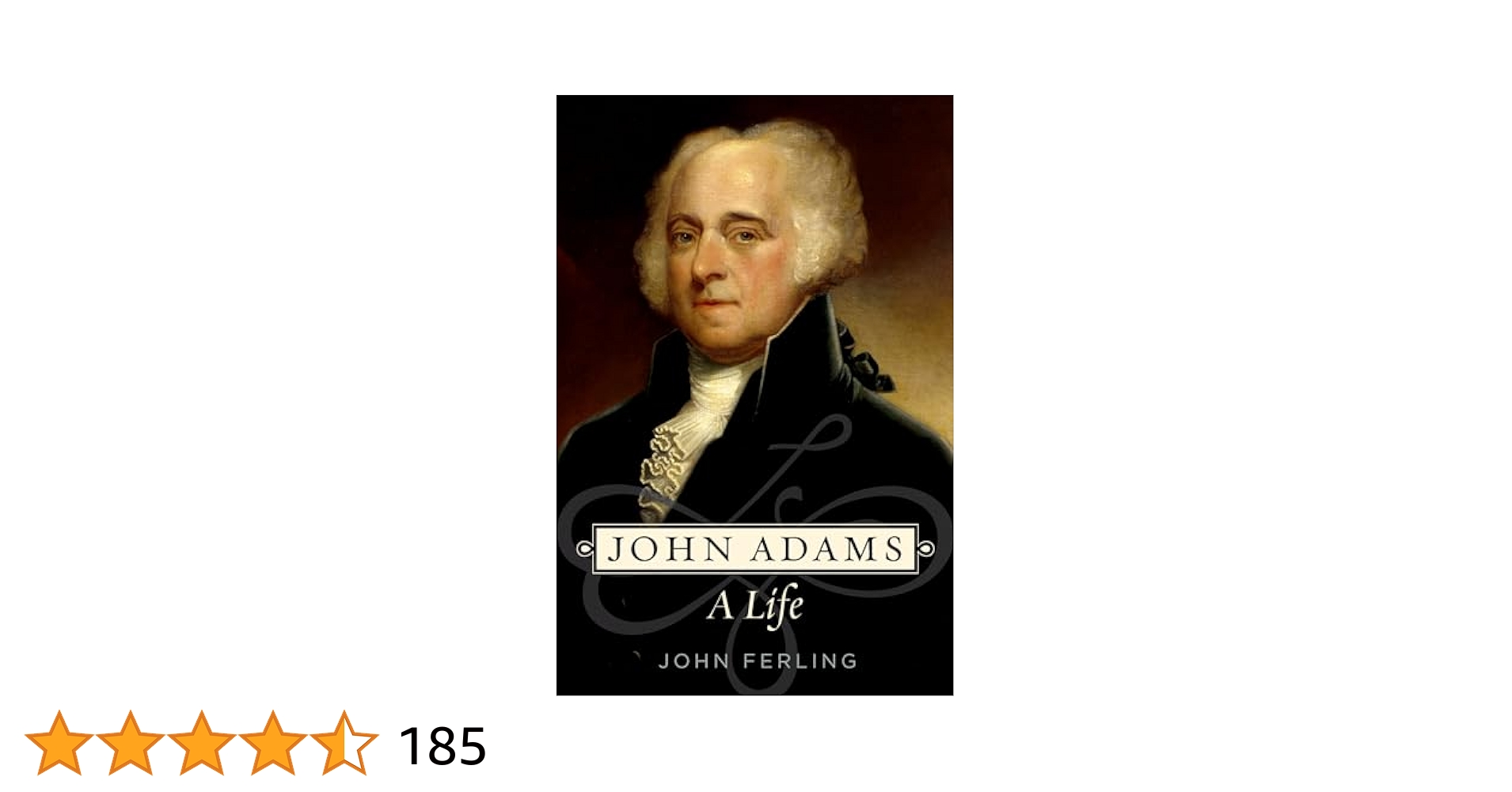
John Adams: A Life by John Ferling: An In-Depth Review

johnbowe.info – John Adams: A Life by John Ferling is a comprehensive and engaging biography of one of America’s Founding Fathers, John Adams. Through meticulous research and analysis, Ferling paints a portrait of a man whose contributions to the American Revolution, the founding of the United States, and the shaping of its early government were integral to its success. This biography delves deep into Adams’ complex personality, his relationships with other prominent figures of the time, and his impact on the nation’s evolution.

Overview of the Biography

John Ferling’s John Adams: A Life is a thorough exploration of the personal and political life of John Adams, from his early years in Massachusetts to his time as a Founding Father, his presidency, and his later life. Ferling, a noted historian, weaves together Adams’ political philosophy, personal conflicts, and interactions with historical figures to create a dynamic narrative that brings to life the man behind the monumental political achievements.

Ferling’s biography is not just about Adams’ role in American history, but also about his evolution as a man. It looks at the contradictions in Adams’ character, such as his idealism and pragmatism, his ambition and humility, and his unwavering commitment to independence alongside his occasional distrust of democracy. These traits shaped his decisions and his legacy.

Early Life and Education

Childhood and Family Background

John Adams was born on October 30, 1735, in Braintree, Massachusetts (now Quincy). He was the son of John Adams Sr., a farmer and shoemaker, and Susanna Boylston Adams. Growing up in a relatively modest family, Adams was exposed to the value of hard work and education early on. His father was a member of the local church, and Adams’ upbringing was shaped by Puritan values, including discipline, moral rectitude, and a belief in education.

Adams attended the local grammar school and later went to Harvard College, where he graduated in 1755. At Harvard, he developed a passion for the law and began his study of political philosophy. He came into contact with the great ideas of the Enlightenment, including the works of John Locke and Montesquieu, which would later influence his thinking during the Revolutionary War and his time in office.

Legal Career

After completing his studies at Harvard, Adams became a lawyer in Boston. During this time, he began to take an active interest in the political issues facing the American colonies. In 1765, Adams wrote his first important work, A Dissertation on the Canon and Feudal Law, which criticized British rule and supported colonial self-governance. Although his career as a lawyer was relatively successful, it was his increasing involvement in politics that would define his life.

Adams’ Role in the American Revolution

A Strong Advocate for Independence

Adams was a staunch advocate for independence from Britain, and his views on the matter were often radical for his time. As tensions with Britain escalated in the late 1760s and early 1770s, Adams found himself at the forefront of the colonial resistance. He was one of the key figures in the Continental Congress, where he argued passionately for the colonies’ right to self-determination.

Adams’ political acumen and persuasive speaking skills earned him a reputation as a leader in the movement for independence. His most famous role during the Revolution came when he was a member of the committee that drafted the Declaration of Independence. Though Thomas Jefferson is often credited with writing the document, it was Adams’ tireless lobbying that ensured its passage.

Diplomacy and the War Effort

During the Revolutionary War, Adams was sent to Europe as a diplomat to secure crucial alliances for the fledgling United States. His most significant achievement was negotiating the Treaty of Paris in 1783, which ended the war and recognized American independence. Ferling details Adams’ time in Europe, highlighting his diplomatic skill, his occasional frustration with his counterparts, and his unyielding belief in America’s potential.

The Presidency of John Adams

The Challenges of the Presidency

Adams was elected as the second president of the United States in 1796. His presidency was marked by domestic challenges, including the growing political divisions between the Federalists and the Democratic-Republicans, as well as international tensions with France. Adams had to navigate the difficulties of maintaining American neutrality during the French Revolution and the ensuing wars between France and Britain.

Perhaps the most controversial aspect of Adams’ presidency was his decision to avoid war with France despite pressures from his fellow Federalists. The so-called “XYZ Affair” and the subsequent Quasi-War with France created a volatile political atmosphere, but Adams’ commitment to peace ultimately led to the signing of a treaty with France in 1800, which helped avoid full-scale war.

Adams’ Legacy as President

Adams’ presidency is often regarded as a period of both triumph and turmoil. He strengthened the executive branch of the government but also faced significant opposition from Thomas Jefferson and the Democratic-Republicans. Adams was fiercely committed to the principles of republicanism, and his administration struggled with the contradictions between maintaining a strong central government and preserving individual liberties.

Ferling highlights the complexity of Adams’ presidency, noting that while he was often criticized for his partisanship and occasional authoritarian tendencies, he was also a staunch defender of the nation’s independence and sovereignty. His presidency laid important groundwork for the future development of the United States, even if his political career ended in defeat when he lost the election of 1800 to Jefferson.

Post-Presidency and Death

Reflection on His Life

After leaving office, Adams retired to his farm in Quincy, Massachusetts, where he spent his later years in relative obscurity. His correspondence with Thomas Jefferson, which resumed in the early 1810s, is one of the most fascinating aspects of his post-presidential life. Adams and Jefferson, once political rivals, exchanged letters that reflected on their shared role in the American Revolution and the founding of the nation.

Adams died on July 4, 1826, the same day as Thomas Jefferson, marking the 50th anniversary of the Declaration of Independence. His death on this significant date is a poignant reminder of his deep connection to the birth of the United States.

The Legacy of John Adams

Ferling concludes his biography by reflecting on the lasting impact of John Adams. Though often overshadowed by figures like George Washington and Thomas Jefferson, Adams’ contributions were undeniably crucial to the success of the American Revolution and the creation of the United States. His leadership, his commitment to independence, and his tireless efforts on behalf of his country continue to resonate today.

Conclusion

John Adams: A Life by John Ferling offers an insightful and detailed examination of the life of one of America’s most important Founding Fathers. By exploring Adams’ personal struggles, political philosophy, and relationships with other key figures, Ferling provides readers with a nuanced understanding of the man behind the myth. This biography is a must-read for anyone interested in the history of the American Revolution, the early years of the United States, or the complex personalities that shaped the nation.

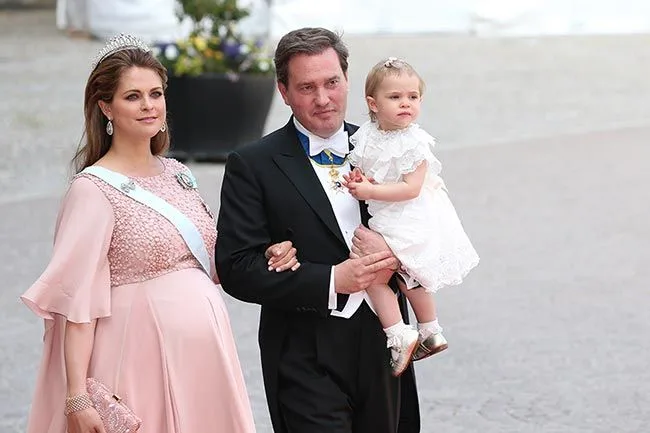
Christopher O’Neill: A Private Life in the Spotlight

johnbowe.info – Christopher O’Neill, a British-American financier, is best known for being the husband of Princess Madeleine of Sweden. Despite being married to a member of the Swedish royal family, O’Neill has maintained a relatively low profile, choosing to live a life outside the full glare of royal duties and responsibilities. However, his role within the royal family, his business career, and his personal life with Princess Madeleine and their children have made him a well-known figure in both Sweden and internationally.

Early Life and Background

Christopher O’Neill was born on June 27, 1974, in London, United Kingdom, to a prominent family with both British and American roots. His father, Mr. James O’Neill, was a successful American businessman, while his mother, Eva Maria (née Walter), is of Swedish descent. Growing up, O’Neill was educated in both the United States and the United Kingdom, giving him a multicultural background that would later shape his life and career.

O’Neill attended the prestigious St. George’s School in Switzerland before going on to study at the College of Charleston in South Carolina, USA. After completing his studies, he pursued a career in finance, which has been his primary professional focus. He has worked in various sectors of the financial world, including investment banking, mergers, and acquisitions.

O’Neill’s upbringing and education provided him with a strong foundation in both business and international relations, skills that have served him well in his career. His multinational background has made him comfortable navigating both American and European business and cultural environments.

Professional Career and Business Ventures

Christopher O’Neill’s career in finance has been varied and successful. Before entering the world of finance, he gained experience in a number of different fields, including investment banking and management consulting. Over the years, he has built a solid reputation as a skilled and strategic businessman.

O’Neill is primarily known for his work in the financial sector, where he has held several key positions at global investment firms. His expertise lies in corporate finance, and he has worked with several high-profile clients on mergers, acquisitions, and other business ventures. He has also been involved in various private equity and venture capital projects, focusing on both European and American markets.

In addition to his business ventures, O’Neill has been involved in several family-owned enterprises. His father’s business experience and connections have provided him with valuable opportunities to work with prestigious firms. As a private individual, O’Neill has preferred to keep a low profile, with much of his career and business dealings remaining out of the public eye. Unlike many royals, he has deliberately kept his professional life separate from his public role as the husband of a Swedish princess.

His career achievements have earned him recognition and respect in business circles, even as he continues to maintain a discreet lifestyle. His personal success and professional approach have allowed him to remain somewhat independent of the traditional expectations placed on the spouses of royals.

Marriage to Princess Madeleine

Christopher O’Neill’s life changed dramatically when he met Princess Madeleine of Sweden in 2010. The couple’s relationship quickly blossomed, and after two years of dating, O’Neill proposed to Princess Madeleine in October 2012. The engagement was announced in December of the same year, and the couple married in a beautiful ceremony at the Royal Palace in Stockholm on June 8, 2013.

While their wedding was a royal affair, the couple chose to have a relatively private celebration compared to previous Swedish royal weddings. Princess Madeleine and O’Neill’s relationship has often been characterized by a sense of mutual respect and love, with O’Neill having a reputation for being a supportive and attentive husband.

Their decision to maintain a relatively low profile as a couple has allowed them to navigate the public and private aspects of their relationship with ease. While Princess Madeleine has a prominent role within the Swedish royal family, O’Neill has never taken on any official royal duties or titles. Instead, he has chosen to focus on his business career and private life, remaining a supportive and dedicated partner to Princess Madeleine.

The couple’s decision to prioritize their personal lives and their family over royal obligations has been an important part of their relationship. O’Neill, in particular, has maintained a certain degree of privacy, avoiding the spotlight that often comes with being married to a royal. This approach has earned him respect, particularly from those who value his ability to maintain a sense of normalcy despite his wife’s royal status.

Family Life and Parenthood

Christopher O’Neill and Princess Madeleine have built a family that is as private and down-to-earth as possible, given their royal ties. The couple has three children: Princess Leonore (born 2014), Prince Nicolas (born 2015), and Princess Adrienne (born 2018). They have been dedicated to providing their children with a stable and loving environment, away from the full public spotlight.

Though the family lives primarily in the United States, O’Neill and Princess Madeleine make regular trips to Sweden for royal events and family occasions. The couple has made a conscious effort to balance their professional commitments with their role as parents, and their family dynamic has been a focal point of media attention. Despite their busy lives, they prioritize spending time together as a family, and their bond is evident in the many public moments they share.

O’Neill has been praised for his role as a father, and his hands-on approach to parenting has been noted in the media. He and Princess Madeleine have shown their children the importance of maintaining family values, and they have taken care to ensure their children experience a relatively normal childhood. The couple’s commitment to their family’s well-being has garnered admiration, particularly in Sweden, where royal families are seen as symbols of national unity.

Public Image and Popularity

Christopher O’Neill’s status as a royal consort has made him a figure of interest in the media, though he has managed to remain largely out of the public eye. While his wife, Princess Madeleine, represents Sweden at royal functions, O’Neill has largely stayed away from royal duties and engagements. This has been a conscious decision on his part, as he prefers to focus on his career and family rather than engaging in the more formal aspects of royal life.

Despite his relatively low profile, O’Neill has garnered respect for his dedication to his family and his commitment to maintaining a private life. His ability to balance his personal and professional lives has made him an admired figure, particularly among those who appreciate his decision to maintain a certain degree of normalcy.

O’Neill has, however, occasionally made public appearances with his wife and children, and he has been seen attending significant royal events and family gatherings. His calm and composed demeanor in public has made him a well-liked figure, and many admire his ability to support Princess Madeleine while remaining focused on his own professional achievements.

Conclusion

Christopher O’Neill may not be a traditional royal consort, but his marriage to Princess Madeleine has given him a unique position within the Swedish royal family. By choosing to focus on his business career and private life, O’Neill has carved out a successful and fulfilling life outside the royal spotlight. His dedication to his family, his professional achievements, and his respect for his wife’s royal role have made him a respected figure in both Sweden and internationally.

O’Neill’s story is one of balance and discretion, and as the husband of Princess Madeleine, he continues to be a supportive and loving partner while leading a successful career in finance. Despite his relatively low public profile, his contributions to his family’s life and his commitment to his own professional success will continue to define his role within the Swedish royal family.