Dwight D. Eisenhower: The Soldier-Turned-President

johnbowe.info – When you think of Dwight D. Eisenhower, a few things probably come to mind: World War II hero, supreme commander of Allied forces, and the 34th President of the United States. But what you might not immediately realize is how much his military background influenced his leadership style and his time in office. Eisenhower was no ordinary politician. His journey from soldier to president is a fascinating one, marked by strategic brilliance and a calm demeanor that earned him respect both on the battlefield and in the political arena.

The Early Years: A Soldier’s Path

Born in 1890 in Denison, Texas, Dwight David Eisenhower grew up in a family of modest means. He attended the United States Military Academy at West Point, where he began his long journey in the army. Despite his initial struggle with academics, Eisenhower thrived in the military environment, showing a knack for leadership and strategy that would serve him well in later years.

Before rising to fame during WWII, Eisenhower’s military career involved a variety of roles. He served in various locations, including Panama and the Philippines, and worked under notable commanders. By the time World War II began, Eisenhower had gained the experience and respect necessary to take on more significant roles. His biggest opportunity came when he was appointed Supreme Commander of the Allied Expeditionary Force in Europe in 1943. This position put him in charge of planning and overseeing the D-Day invasion, a pivotal moment in the war.

Eisenhower’s Military Genius: The D-Day Invasion and Beyond

When you think about military strategy during WWII, D-Day is undoubtedly one of the first operations to come to mind. On June 6, 1944, the Allies launched the largest amphibious invasion in history on the beaches of Normandy, France. This was Eisenhower’s moment to shine. As the Supreme Commander, he orchestrated the logistics, coordinated with multiple countries, and made quick, calculated decisions in the face of uncertainty. The success of D-Day was a turning point in the war, and Eisenhower became a national hero.

But Eisenhower wasn’t just good at winning battles. His understanding of people—his ability to work with different national leaders, generals, and advisors—was key to his success. He knew that the war wasn’t just about military might; it was about cooperation and diplomacy, something he would carry with him into the political arena.

From Soldier to President: The Transition to Politics

After WWII ended, Eisenhower’s popularity skyrocketed. His reputation as a strategic genius and calm leader made him an attractive figure for the Republican Party. In 1952, Eisenhower made the leap from military service to politics and ran for president. His slogan, “I like Ike,” became a rallying cry, and his military background was a central part of his appeal.

Once in office, Eisenhower used the same strategic thinking that had won him battles to navigate the complex world of politics. He handled the Cold War with a steady hand, working to prevent the spread of communism while avoiding direct conflict with the Soviet Union. His foreign policy approach was based on deterrence—keeping the peace by showing strength, but not necessarily engaging in military action unless absolutely necessary.

Eisenhower’s Domestic Achievements

At home, Eisenhower’s administration focused on building infrastructure, like the creation of the interstate highway system, and maintaining a strong economy. He was known for his calm demeanor and pragmatic approach to decision-making, a quality that seemed to come naturally from his time as a military leader.

A Legacy of Leadership

Dwight D. Eisenhower’s presidency marked a time of relative peace and prosperity in the United States, but his legacy goes beyond his domestic achievements. He left behind a blueprint for leadership—one that combined military precision with diplomatic sensitivity. His ability to remain composed under pressure, whether on the battlefield or in the Oval Office, made him one of the most respected leaders in American history.

At johnbowe.info, we look at figures like Eisenhower not only as historical icons but also as models of leadership. His ability to adapt, whether from a military role to the presidency or from the battlefields of Europe to the political stage in Washington, D.C., is something that continues to inspire leaders today.

In a world that is constantly changing, Dwight D. Eisenhower’s story reminds us that the skills we develop in one area of life—be it the military, business, or politics—can be transferable. The lessons of leadership, strategy, and diplomacy are timeless, and Eisenhower’s example is a powerful one to follow.

Rutherford B. Hayes: The 19th President of the United States

johnbowe.info – Rutherford B. Hayes, the 19th President of the United States, served from 1877 to 1881 during a tumultuous period in American history. His presidency was marked by significant controversy, political compromises, and an era of post-Civil War reconstruction. Despite his relatively short time in office, Hayes played a pivotal role in shaping the direction of the nation as it moved away from the Civil War’s aftermath and toward industrialization and modernization.

Early Life and Background

Early Years and Education

Rutherford Birchard Hayes was born on October 4, 1822, in Delaware, Ohio. The son of Rutherford Hayes, a farmer, and Sophia Birchard, Hayes had a privileged upbringing, benefiting from his mother’s strong education and influence. His father, who died before he was born, left the family with little financial support, but Sophia ensured her son received a strong education.

Hayes attended Kenyon College in Ohio, graduating in 1842. His academic success continued at Harvard Law School, where he earned his law degree in 1845. He was admitted to the bar in 1845 and began practicing law in his hometown of Fremont, Ohio.

Military Service in the Civil War

Hayes’ path to public service took a sharp turn when the Civil War broke out in 1861. Despite his initial reluctance to enlist, Hayes ultimately joined the Union Army and served with distinction. He was a major during the conflict and saw combat in several major battles, earning a reputation as a brave and competent leader.

Hayes was wounded multiple times during the war and was promoted to the rank of brevet major general by 1865. His military service not only shaped his character but also garnered him political support after the war. He was a strong advocate for the Union cause, and his service played a key role in establishing his reputation as a man of integrity and commitment.

Political Rise and the Road to the Presidency

State and Congressional Politics

After the Civil War, Hayes turned his attention to politics. He was elected as the governor of Ohio in 1867 and served three non-consecutive terms (1867–1877). During his tenure, Hayes focused on issues such as civil rights for former slaves and government reform.

In 1876, Hayes ran for president as the Republican nominee in one of the most contentious elections in U.S. history. His opponent, Democrat Samuel J. Tilden, had won the popular vote and appeared to have won the electoral college as well. However, a disputed election in several states led to widespread accusations of voter fraud and corruption.

The Controversial 1876 Election

The election of 1876 was one of the most controversial and hotly contested in U.S. history. Tilden won 184 electoral votes, just one shy of the 185 needed for victory. Hayes, on the other hand, had 165 electoral votes, with 20 votes still in dispute in four Southern states—Florida, Louisiana, South Carolina, and Oregon.

The election’s outcome was uncertain, and both sides claimed victory. Amid allegations of electoral fraud, Congress established a 15-member electoral commission to resolve the dispute. The commission, which consisted of eight Republicans, seven Democrats, and one independent, ultimately decided in favor of Hayes, awarding him all 20 contested electoral votes.

The decision was controversial and led to widespread protests, especially among Democrats. Many saw the decision as a political compromise that effectively ended the Reconstruction era in the South.

Presidency of Rutherford B. Hayes

The Compromise of 1877

Hayes’ victory in the 1876 election was made possible by the Compromise of 1877, a political deal between Republicans and Southern Democrats. In exchange for supporting Hayes’ presidency, Republicans agreed to withdraw federal troops from the Southern states, effectively ending Reconstruction.

This compromise was seen by many as a betrayal of the rights and freedoms of African Americans in the South. With the removal of federal troops, Southern states were free to enact discriminatory laws, leading to the establishment of segregation and the rise of white supremacy in the region. While the compromise was seen as a way to restore peace and heal the nation after the Civil War, it also marked the beginning of a long period of racial tension and inequality in the South.

Civil Service Reform and Government Reform

One of Hayes’ most significant accomplishments as president was his commitment to civil service reform. He sought to end the widespread practice of political patronage, which had led to government corruption and inefficiency. In 1877, Hayes signed an executive order that banned federal officeholders from participating in political campaigns, and in 1880, he supported the passage of the Pendleton Civil Service Reform Act, which created a merit-based system for hiring federal employees.

Hayes’ reform efforts earned him praise from reformers but also angered many political machines that had relied on patronage to maintain their power. His commitment to civil service reform was one of the hallmarks of his presidency, and it laid the foundation for future reforms in the federal government.

The End of Reconstruction

As a result of the Compromise of 1877, Hayes was able to end the Reconstruction era. While he had promised to protect the rights of African Americans, his ability to enforce these promises was severely limited without the presence of federal troops in the South. As a result, the withdrawal of troops marked the end of federal efforts to protect the civil rights of former slaves.

The end of Reconstruction allowed Southern states to implement Jim Crow laws that disenfranchised African Americans and segregated them from white society. The federal government, under Hayes’ leadership, largely abandoned its responsibility to enforce civil rights laws in the South, leading to decades of racial discrimination and inequality.

Foreign Policy and International Relations

Hayes’ foreign policy was relatively uneventful compared to his domestic agenda. One notable event during his presidency was the negotiation of a treaty with China to limit Chinese immigration to the United States. The Chinese Exclusion Act of 1882, which was passed shortly after Hayes left office, was a response to growing anti-Chinese sentiment in the West.

Hayes also sought to improve relations with Latin American countries, particularly in the context of trade and economic cooperation. However, his foreign policy was generally overshadowed by the political challenges and domestic issues he faced during his presidency.

The Legacy of Rutherford B. Hayes

A Controversial Presidency

Rutherford B. Hayes’ presidency was marked by political controversy, particularly surrounding the disputed 1876 election and the Compromise of 1877. While he is often praised for his efforts at civil service reform and his commitment to integrity in government, his presidency is also viewed critically for its failure to address the lingering racial issues in the South after the Civil War.

Hayes’ decision to end Reconstruction and withdraw federal troops from the South is often seen as a betrayal of African Americans and a missed opportunity to secure civil rights for former slaves. The political compromise that made Hayes president also paved the way for the rise of segregation and the disenfranchisement of African Americans in the South.

Reform and Government Accountability

Despite the controversy, Hayes’ commitment to reform and good governance is one of the most enduring aspects of his legacy. His efforts to reduce political corruption through civil service reform helped lay the foundation for future progress in creating a more efficient and accountable federal government.

Hayes’ presidency also marked a transition from the Reconstruction era to the Gilded Age, a period of rapid industrialization, economic growth, and social change. Although he was not able to achieve all of his goals, his presidency reflected the challenges faced by a nation recovering from a bloody civil war and navigating the complexities of a rapidly changing world.

Conclusion

Rutherford B. Hayes, the 19th President of the United States, remains one of the more controversial figures in American history. While he made important strides in civil service reform and sought to end government corruption, his presidency is often remembered for its role in ending Reconstruction and allowing the South to implement discriminatory laws that would impact African Americans for generations to come.

His presidency serves as a reminder of the challenges of reconciling the nation’s divisions after the Civil War and the difficult compromises that were made during this time of transition. Although Hayes was not able to fulfill all of his lofty promises, his legacy as a reformer and his commitment to integrity continue to shape his place in American history.

The Bachelor President: Presidency of James Buchanan

johnbowe.info – James Buchanan, the 15th president of the United States, remains a figure surrounded by both political controversy and personal mystery. Serving as president from 1857 to 1861, his tenure coincided with the nation’s most divisive period—just before the outbreak of the Civil War. But while Buchanan’s leadership during his presidency has long been a subject of historical scrutiny, another aspect of his life that has captured the imagination of both historians and the public is his personal life, particularly his bachelorhood. As the only U.S. president to remain unmarried, Buchanan’s personal life has led to much speculation, raising questions about how his unmarried status might have influenced his leadership style and decisions.

This article examines James Buchanan’s personal life and how his bachelorhood intertwined with his presidency, political career, and leadership in the face of a rapidly escalating national crisis. While Buchanan is often remembered for his role in the dissolution of the Union, his personal history, which remains marked by solitude and relationships, sheds light on the complexities of his character.

Early Life: Formative Years and Political Rise

James Buchanan was born on April 23, 1791, in Cove Gap, Pennsylvania, to a prosperous family. He was the second of eleven children in a devout and hardworking family. Buchanan’s father, James Buchanan Sr., had emigrated from Northern Ireland and established a successful farm and iron business. His mother, Elizabeth Speer Buchanan, was known for her strong religious convictions and discipline.

Buchanan was educated at Dickinson College in Carlisle, Pennsylvania, graduating in 1809. After graduation, he pursued law, establishing himself as a successful attorney in Lancaster, Pennsylvania, where he also began to cultivate his political ambitions. Over the next few years, Buchanan built a strong reputation in both legal and political circles. He was a member of the Pennsylvania State House of Representatives, the U.S. House of Representatives, and later the U.S. Senate. In addition to his legal and political work, he became known for his diplomatic career, serving as the U.S. Minister to the United Kingdom from 1853 to 1856, where he gained significant international experience.

Despite his career success and increasing political prominence, Buchanan’s personal life took an unusual turn: he never married.

Buchanan’s Bachelorhood: A Life Without a Wife

James Buchanan’s bachelorhood has been one of the most debated aspects of his life. He never married, which made him an outlier among U.S. presidents. While many contemporary politicians and historians of his time were quick to note Buchanan’s single status, it wasn’t until later in his life that the implications of his bachelorhood truly took center stage in discussions about his presidency.

Buchanan’s closest personal relationship was with William Rufus King, a fellow politician from Alabama who served as vice president under Franklin Pierce. Buchanan and King shared a deep, lifelong friendship, which has been the subject of much speculation. Buchanan and King often lived together, and their close relationship led some to question the nature of their bond. The two men traveled together, dined together, and even corresponded frequently. However, there is no definitive evidence that their relationship was anything more than a close and platonic friendship, though this relationship has led to speculation about the possibility of a romantic connection.

Buchanan’s unmarried status was also unique in the context of 19th-century American politics, a time when marriage and family life were considered essential markers of respectability and stability for public figures. Throughout his career, Buchanan was a bachelor in a deeply traditional society that saw marriage as a crucial aspect of a person’s social standing. While there were few public discussions about his personal life, Buchanan’s lack of a wife meant that he did not have a first lady to fill the traditional role of social hostess during his presidency.

Instead, the role of first lady was informally assumed by Buchanan’s niece, Harriet Lane, who was the daughter of Buchanan’s younger sister, Elizabeth. Harriet Lane was well-regarded for her poise and charm, and she became a beloved figure during her uncle’s presidency. As the first lady, Lane hosted many important social events, official dinners, and diplomatic functions, filling the social and ceremonial void left by Buchanan’s bachelorhood.

Buchanan’s Presidency: Navigating a Nation in Crisis

Buchanan’s presidency was marked by an increasingly fractured nation on the brink of civil war. His time in office was defined by the escalating crisis over slavery, the expansion of the United States into new territories, and the fight over whether those territories would permit slavery. Buchanan, though a lifelong advocate for the preservation of the Union, was deeply committed to maintaining the status quo, which included protecting Southern interests and defending the institution of slavery.

Buchanan’s reluctance to act decisively in the face of the growing national crisis is often cited as one of the key reasons for his ineffective presidency. Instead of taking strong action to prevent the secession of Southern states, Buchanan adhered to a more passive approach, one that ultimately failed to prevent the dissolution of the Union.

The Dred Scott Decision

One of the key events during Buchanan’s presidency was the Dred Scott v. Sanford Supreme Court decision in 1857. The ruling, delivered by Chief Justice Roger Taney, declared that African Americans—whether free or enslaved—could not be considered citizens of the United States. Furthermore, the court ruled that Congress had no authority to regulate slavery in the territories. Buchanan supported the decision, believing that it would resolve the issue of slavery and bring an end to the contentious debates over the expansion of slavery into the western territories.

The decision, however, only exacerbated tensions between the North and South, as it effectively enshrined slavery as a national institution. The ruling angered abolitionists and those in the Northern states who were opposed to the expansion of slavery. Buchanan’s endorsement of the decision further isolated him from the Northern states, where many viewed it as an unconstitutional overreach that violated basic principles of liberty.

The Secession Crisis

By the time Buchanan’s term neared its end, the South was on the verge of seceding from the Union. Following the election of Abraham Lincoln in 1860, several Southern states declared their independence and formed the Confederate States of America. Buchanan, who was deeply committed to the Union, did little to prevent the secession of Southern states, believing that the federal government had no authority to coerce states back into the Union.

Despite his belief in the constitutional preservation of the Union, Buchanan’s actions were widely seen as weak and ineffective. His inability to act decisively in the face of secessionist movements and his belief that the Union could be preserved through diplomacy and compromise set the stage for the outbreak of the Civil War shortly after Lincoln’s inauguration in 1861.

Buchanan’s Legacy: A Divided Nation and a Lifelong Bachelor

James Buchanan left office in 1861, just as the nation was unraveling. His presidency was marked by his failure to effectively address the slavery crisis, his lack of decisive action in response to the secession of Southern states, and his inability to unify a nation on the brink of civil war. As a leader, Buchanan is often criticized for his indecision and inaction during the most crucial moments of his presidency.

His bachelorhood, while largely a personal matter, has been scrutinized in the context of his presidency. Some historians have speculated that Buchanan’s single status and his close relationship with William Rufus King may have influenced his political and personal decisions. Others have argued that his inability to form strong familial relationships may have left him isolated and less able to navigate the political pressures of the time. Still, many historians emphasize that Buchanan’s leadership failures were primarily due to his inability to address the issues of slavery and secession in a way that preserved the Union.

Buchanan and the Role of Family

In many ways, Buchanan’s bachelorhood underscores the traditional role of family in shaping political careers during the 19th century. While presidents such as Andrew Jackson and Martin Van Buren relied on their wives and children to help shape their public personas, Buchanan’s lack of a family structure may have placed him at a disadvantage. His reliance on his niece, Harriet Lane, to assume the role of first lady and hostess highlights how his personal life influenced his public image.

The lack of a traditional family unit around Buchanan also made his political maneuvering in the era of sectionalism all the more difficult. While other political figures might have found refuge in their familial relationships, Buchanan faced his political challenges largely alone, with few personal allies to help guide him through the turbulent period leading up to the Civil War.

Conclusion: A Complex Legacy

James Buchanan’s presidency was marked by significant challenges, both in terms of leadership and personal life. As the only bachelor president in American history, Buchanan’s unmarried status has long been a source of intrigue. However, it is his failure to address the growing sectional crisis, his indecisiveness during the secession crisis, and his inability to effectively navigate the political divisions of his time that have defined his legacy.

Buchanan remains a deeply controversial figure. His personal life, marked by solitude and close relationships with select individuals, offers a fascinating lens through which to examine his presidency. Yet, it is his leadership during one of the most crucial periods in American history that ultimately defines his place in the annals of the U.S. presidency.

The Life of Andrew Jackson: America’s Seventh President

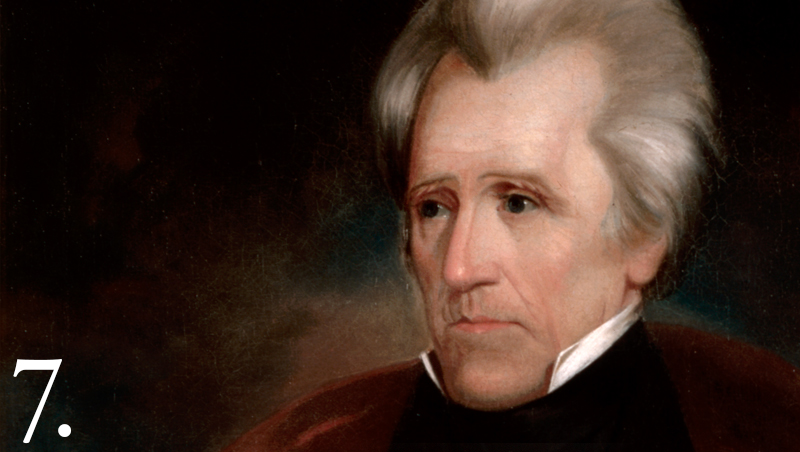
johnbowe.info – Andrew Jackson, the seventh president of the United States, is a towering figure in American history, celebrated by some for his contributions to the country’s growth and fiercely criticized by others for his policies and actions. His life and legacy encompass a broad range of achievements, controversies, and contradictions that have had a lasting impact on the United States. As a military hero, a populist leader, and a controversial president, Jackson’s influence shaped the nation’s political landscape for decades.

This article explores the life, presidency, and enduring legacy of Andrew Jackson, highlighting his rise to power, his policies as president, and the long-term consequences of his actions on American society and politics.

Early Life and Military Career: The Making of a Hero

A Humble Beginning

Andrew Jackson was born on March 15, 1767, in the backwoods of the Carolinas, in a small settlement near the border between North and South Carolina. He was the son of Scots-Irish immigrants who had little wealth, and his father died before he was born. Raised by his mother and brothers, Jackson grew up in an environment marked by hardship and struggle. His early life was characterized by poverty, loss, and a deep sense of resilience.

Jackson’s formative years were marked by the American Revolution, during which he and his brothers became involved in the conflict at a young age. At just 13 years old, he was captured by British soldiers, and during his captivity, he developed a strong sense of resentment toward the British, a sentiment that would shape much of his future political and military career.

Military Service: The Battle of New Orleans and Rise to Fame

Jackson’s military career began in earnest during the War of 1812, a conflict between the United States and Great Britain. He emerged as a national hero after his decisive victory in the Battle of New Orleans (1815), where his forces successfully repelled a British invasion despite being outnumbered. The victory at New Orleans made Jackson a household name and earned him widespread admiration, particularly in the southern and western states.

The war and the subsequent battle elevated Jackson’s reputation as a strong and decisive leader. He became known for his toughness, military strategy, and his ability to inspire loyalty among his troops. His success in the military gave him the platform he needed to enter politics, and his popularity would later play a crucial role in his ascent to the presidency.

The Political Rise of Andrew Jackson

Jackson’s Early Political Career

Jackson’s entry into politics was as forceful as his military career. After the War of 1812, he returned to Tennessee and became involved in the political scene. He served as a U.S. senator and as a member of the U.S. House of Representatives. Jackson was an advocate for expanding the nation’s territory, particularly in the South and West, and he became a leading voice for the interests of farmers, small landowners, and frontier settlers.

Jackson’s political philosophy, which later became known as Jacksonian Democracy, centered on the belief that the common man should have a more active role in government. He championed a populist approach to politics, advocating for greater democracy, the elimination of elitism, and the expansion of voting rights to all white men, regardless of property ownership.

The 1824 Election: A Controversial Outcome

In 1824, Jackson first ran for president in a contentious election that pitted him against three other candidates: John Quincy Adams, Henry Clay, and William H. Crawford. Jackson won the popular vote and secured the most electoral votes, but he did not achieve a majority. The election was thrown into the House of Representatives, where Adams was ultimately selected as president. Jackson and his supporters accused Adams and Clay of engaging in a “corrupt bargain,” claiming that Adams had promised Clay the position of Secretary of State in exchange for his support.

The outcome of the election enraged Jackson’s supporters and set the stage for his second run for president in 1828. Jackson’s claim of a “stolen election” energized his base and laid the foundation for a bitter, personal, and highly divisive campaign.

The Presidency of Andrew Jackson

A Populist Presidency

Andrew Jackson’s election to the presidency in 1828 marked the beginning of a new era in American politics. Jackson’s campaign was defined by his image as a man of the people, a populist who stood in opposition to the entrenched elites in Washington, D.C. His presidency would be marked by significant political and social upheaval, as he implemented policies that reflected his belief in the power of the common man.

Jackson’s presidency was also the beginning of the Jacksonian Era, a period in American history marked by the expansion of democracy for white men and the strengthening of the presidency as an institution. Jackson sought to reduce the influence of special interests and political elites, presenting himself as a champion of the average American.

The Bank War and Economic Reforms

One of the most significant and contentious aspects of Jackson’s presidency was his battle with the Second Bank of the United States. Jackson viewed the Bank as an institution that concentrated too much power in the hands of a wealthy elite, and he opposed its recharter in 1832. Jackson vetoed the recharter and moved to dismantle the Bank, withdrawing federal funds from it and placing them in state-chartered banks, which became known as “pet banks.”

Jackson’s actions in the Bank War were highly controversial and had long-lasting economic consequences. His opponents, particularly those in the Whig Party who formed in opposition to Jackson, argued that his attack on the Bank contributed to economic instability. In the short term, Jackson’s actions were seen by his supporters as a victory for the common people, but the long-term impact of his economic policies remains debated.

Indian Removal: A Dark Chapter

One of the most tragic and controversial aspects of Jackson’s presidency was his policy toward Native Americans. Jackson advocated for the forced removal of Native American tribes from their ancestral lands in the southeastern United States to territories west of the Mississippi River. This policy, which became known as the Trail of Tears, led to the forced relocation of thousands of Native Americans, resulting in widespread suffering and death.

Jackson’s removal policy was justified by the belief that Native American lands were needed for the expansion of white settlers and agriculture. While Jackson argued that the policy was in the best interest of Native Americans, the devastating consequences of the Trail of Tears are a grim reminder of the darker aspects of his presidency.

Nullification Crisis and States’ Rights

Another significant challenge to Jackson’s presidency came in the form of the Nullification Crisis of 1832-1833. The crisis arose when South Carolina, led by political leaders like John C. Calhoun, declared that they could nullify or ignore federal tariffs that they deemed unconstitutional. Jackson, a staunch defender of the Union, responded forcefully, threatening military action against South Carolina and asserting the supremacy of the federal government.

The crisis was eventually resolved through a compromise tariff, but it highlighted the growing tensions between the federal government and states’ rights advocates, particularly in the South. Jackson’s firm stance during the crisis reinforced his reputation as a strong president, willing to use the full power of the executive office to preserve the Union.

Andrew Jackson’s Legacy

A Transformative Leader

Andrew Jackson’s legacy is marked by his transformation of American politics. He changed the way presidents interacted with Congress, the electorate, and the political parties. Jackson’s Jacksonian Democracy laid the foundation for the modern political system, emphasizing the power of the presidency and the importance of popular participation in politics. His commitment to expanding voting rights to all white men, as well as his populist approach to governance, had a lasting impact on American political culture.

Jackson’s presidency also contributed to the emergence of the Democratic Party as a dominant political force in the United States. The party, which had its roots in Jackson’s populist movement, would go on to become one of the two major political parties in American history, alongside the Republican Party.

A Controversial and Divisive Legacy

Despite his many achievements, Andrew Jackson’s legacy is deeply controversial. His policies toward Native Americans, including the forced relocation of tribes, are seen by many as a stain on his presidency. Additionally, his support for slavery and his economic policies, including the dismantling of the Bank of the United States, continue to be subjects of debate among historians and political scholars.

While Jackson’s populist ideals and his expansion of democracy for white men are seen as groundbreaking, his treatment of Native Americans and his role in perpetuating slavery demonstrate the complexities and contradictions of his presidency. Jackson’s legacy is one of both triumph and tragedy, highlighting the complexities of his leadership and the contradictions of American history.

Conclusion

Andrew Jackson’s life and legacy have left an indelible mark on American politics. As a military hero, a populist president, and a polarizing figure, Jackson reshaped the political landscape of the United States in ways that continue to be felt today. His presidency was a time of immense change, from the expansion of democracy to the violent removal of Native Americans. While his policies and actions have been the subject of much criticism, his contributions to the development of American democracy and the growth of the United States are undeniable.

Jackson’s complex legacy continues to spark debate and reflection on the nation’s past, offering lessons on the challenges of leadership, the tension between progress and injustice, and the enduring quest for equality and fairness in American society.

James Monroe: The Fifth President’s Legacy

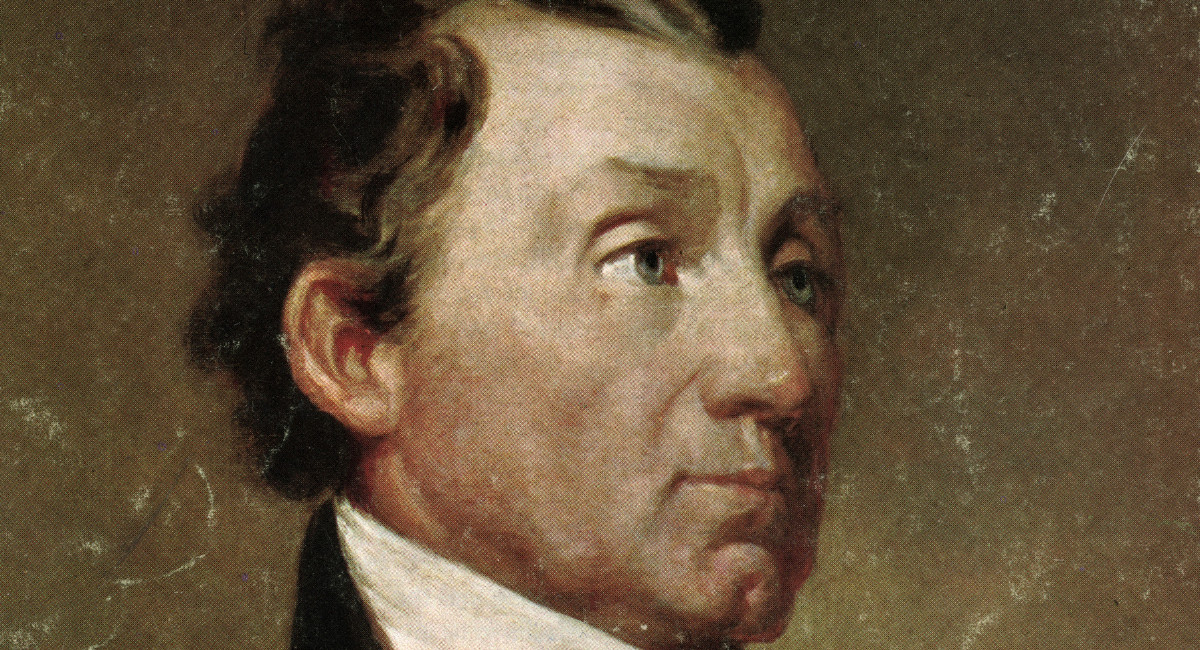
johnbowe.info – James Monroe, the fifth president of the United States, served from 1817 to 1825, and his time in office is often remembered for shaping both the nation’s foreign and domestic policies in ways that would influence the future direction of the young republic. His presidency, known for the “Era of Good Feelings,” is marked by a spirit of unity and national purpose, though it also faced significant challenges. Monroe’s legacy is most famously encapsulated in the Monroe Doctrine, a foreign policy declaration that remains relevant today, alongside his contributions to westward expansion and the development of American political ideology.

Early Life and Career

Born into Humble Beginnings

James Monroe was born on April 28, 1758, in Westmoreland County, Virginia, into a family of modest means. The early loss of his father and a subsequent inheritance that helped provide him with an education was significant in shaping Monroe’s future path. After attending the College of William & Mary, Monroe’s career took a sharp turn toward public service when he joined the Continental Army during the American Revolution.

Revolutionary War Service

Monroe’s military service in the Revolutionary War helped form his political outlook. He was wounded at the Battle of Trenton in 1776, but his experience fighting for independence cemented his belief in the importance of a strong, united nation. His time as a soldier also influenced his later political decisions, particularly his views on national defense and foreign diplomacy.

Political Ascent

State and National Roles

Monroe’s early political career included serving as a delegate to the Continental Congress and as a U.S. Senator from Virginia. He also held the position of Governor of Virginia, and his tenure as Minister to France and later Spain was pivotal in shaping his diplomatic expertise.

In addition to these positions, Monroe was deeply involved in the crafting of early American foreign policy, particularly with regard to European influence in the Western Hemisphere.

Presidential Election and the “Era of Good Feelings”

Monroe won the presidency in 1816 and was re-elected in 1820. His time in office was marked by a sense of national harmony and optimism. The Democratic-Republican Party dominated the political landscape, and while Monroe was not immune to the divisions that would later emerge (especially with the rising tensions between the North and South), his presidency is remembered as a time when partisan conflict briefly subsided in favor of national unity.

Monroe’s Domestic Policies

Economic Development and Internal Improvements

Monroe’s administration focused on strengthening the country’s infrastructure, with significant investments in internal improvements such as roads, canals, and bridges. These initiatives were aimed at promoting economic growth and increasing the integration of the American states. Monroe supported the American System, championed by Henry Clay, which sought to establish a national bank, protective tariffs, and a system of internal improvements. While Monroe was generally cautious about federal government intervention, he saw the value in these programs for the nation’s economic development.

The Missouri Compromise

One of the most significant domestic issues Monroe faced was the growing sectional tensions between North and South. The issue of slavery was dividing the country, and the Missouri Compromise of 1820, signed into law during Monroe’s presidency, attempted to address the issue of slavery’s expansion into new territories. The compromise allowed Missouri to enter the Union as a slave state but also admitted Maine as a free state, maintaining a balance in the Senate. It also drew a line across the Louisiana Territory, north of which slavery would be prohibited.

The Missouri Compromise temporarily defused sectional conflicts, but it highlighted the deep divisions that would eventually lead to the Civil War. Monroe’s ability to manage this issue helped him navigate the growing tension between the nation’s expanding territories and the slavery question.

Monroe’s Foreign Policy and the Monroe Doctrine

Diplomatic Successes

Monroe’s foreign policy was largely defined by his efforts to secure American interests in an increasingly complex global landscape. His administration worked to solidify U.S. borders and to ensure that European powers could not reassert control over former colonies in the Americas. Monroe’s diplomatic acumen, particularly his dealings with Spain and Britain, helped to expand the nation’s influence without engaging in war.

The Monroe Doctrine

The most enduring part of Monroe’s foreign policy legacy is the Monroe Doctrine, delivered in 1823 during his annual address to Congress. The Monroe Doctrine asserted that the Western Hemisphere was no longer open to European colonization and that any attempts by European powers to interfere in the Americas would be seen as acts of aggression. This declaration became a cornerstone of U.S. foreign policy for decades and set the stage for the U.S. to emerge as a dominant power in the Western Hemisphere.

The Monroe Doctrine was a bold declaration of American sovereignty, but it was also pragmatic, responding to the political realities of the time. With European powers embroiled in conflicts across Europe and a weakened Spain unable to maintain control over its Latin American colonies, Monroe’s doctrine helped to secure the U.S. as a major influence in the Western Hemisphere, effectively closing the Americas to European imperial ambitions.

Relations with Britain and Spain

Under Monroe, relations with Britain and Spain were of critical importance. In 1818, Monroe and British Foreign Secretary Lord Castlereagh signed the Anglo-American Convention, which resolved disputes over the U.S.-Canada border and allowed for joint occupation of the Oregon Territory. Monroe’s dealings with Spain were less peaceful, but in 1819, he successfully negotiated the Adams-Onís Treaty, which resulted in Spain ceding Florida to the United States in exchange for U.S. renouncing claims to Texas.

The Legacy of James Monroe

Expansion and National Identity

Monroe’s presidency played a significant role in the shaping of America’s national identity. His leadership during the “Era of Good Feelings” allowed for a period of relative peace and prosperity. His foreign policy, particularly the Monroe Doctrine, established the U.S. as a significant player on the world stage. Domestically, the Missouri Compromise highlighted the fragile balance between the nation’s differing regional interests.

Monroe’s vision of a united, independent America, free from European influence, laid the groundwork for future U.S. foreign policy and expansion. His presidency was a critical transitional period in the country’s development and marked the end of the post-Revolutionary War era while setting the stage for the coming age of territorial growth and international influence.

Monroe’s Enduring Influence

While Monroe’s presidency may not be as well remembered for its domestic achievements, his foreign policy and leadership in navigating the early stages of American expansion left a lasting imprint on the nation. His Monroe Doctrine remained a foundational principle in U.S. foreign policy for generations, and his legacy as a statesman who balanced domestic growth with international diplomacy continues to shape discussions about presidential leadership today.

Conclusion

James Monroe’s legacy as the fifth president of the United States is defined by his diplomatic foresight, his role in consolidating the nation’s territorial boundaries, and his ability to navigate complex sectional and international issues. The Monroe Doctrine remains one of the most significant aspects of his presidency, influencing American foreign relations for nearly two centuries. His leadership during the “Era of Good Feelings” helped to stabilize a young nation, and his cautious but effective handling of both foreign and domestic affairs made him one of the more consequential presidents in American history.

George Washington: The First President of the United States

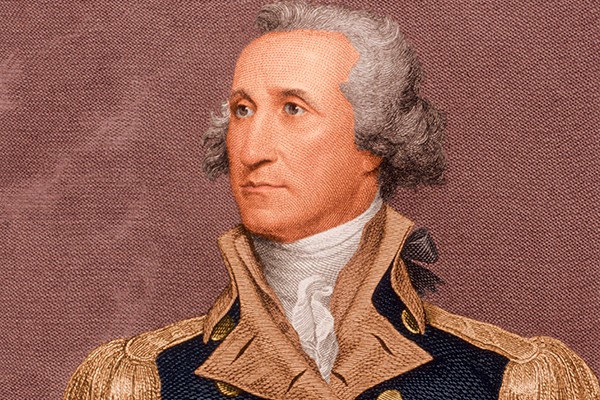
johnbowe.info – George Washington stands as one of the most iconic figures in American history. As the first President of the United States, his leadership and actions played a crucial role in shaping the nation’s future. His journey from military commander to founding father and then to the first president of the United States is a remarkable story that continues to influence the nation’s identity.

Early Life and Background

Birth and Family

George Washington was born on February 22, 1732, in Westmoreland County, Virginia. His father, Augustine Washington, was a prosperous landowner, and his mother, Mary Ball Washington, was a woman of strong character. Washington was the eldest of six children and grew up in a well-to-do but rural Virginia household.

Education and Early Career

Although Washington did not have a formal education like many of his contemporaries, he was well-educated in practical matters. At a young age, he was taught mathematics, surveying, and other practical subjects, which would prove invaluable throughout his life. At 16, he began working as a land surveyor, and by the time he was 20, he had become involved in military service during the French and Indian War. This military experience would lay the groundwork for his future leadership.

The Revolutionary War: Washington’s Leadership in Crisis

The Start of Military Leadership

Washington’s role in the French and Indian War helped establish his military reputation. Although the conflict was a British colonial war, Washington served with distinction and learned valuable lessons in both strategy and leadership. However, it was during the American Revolutionary War that Washington’s true potential as a military leader was realized.

When the Revolutionary War broke out in 1775, the Continental Congress appointed Washington as the Commander-in-Chief of the Continental Army. Washington was a natural choice for the role, as he was a well-respected figure with experience in leadership and strategy.

Key Battles and Strategies

Washington’s leadership during the Revolutionary War was tested in several key battles, such as the Battle of Trenton, the Battle of Saratoga, and the harsh winter at Valley Forge. Despite many early setbacks, Washington’s ability to inspire his troops and make strategic decisions played a significant role in the eventual success of the Continental Army. His leadership during the winter of 1777-1778 at Valley Forge, where he kept his troops together despite dire conditions, became one of the defining moments of his military career.

The Final Victory

The decisive victory at the Battle of Yorktown in 1781, with the help of French forces, effectively ended the Revolutionary War and led to the Treaty of Paris in 1783. This treaty recognized American independence, and Washington’s leadership throughout the conflict earned him the admiration of both his fellow countrymen and foreign allies.

The Road to the Presidency

The Post-Revolutionary Era

After the Revolutionary War, Washington returned to private life at Mount Vernon, his plantation in Virginia. However, the new nation was struggling with issues such as a weak central government, economic instability, and internal divisions. Recognizing the need for a stronger, more unified government, Washington was called upon once again.

In 1787, Washington attended the Constitutional Convention in Philadelphia, where he was unanimously elected to preside over the proceedings. His influence was crucial in the drafting of the U.S. Constitution, which would replace the Articles of Confederation and establish a stronger federal government. Washington’s support of the Constitution helped to ensure its ratification.

Election to the Presidency

When the new Constitution was ratified in 1789, Washington was the clear choice for the nation’s first president. He was elected unanimously by the Electoral College, and on April 30, 1789, he was sworn in as the first President of the United States. Washington’s election was a testament to the trust the American people had in his leadership.

Washington’s Presidency

Establishing Precedents

Washington’s presidency was characterized by the establishment of precedents that would shape the future of the United States. He carefully balanced the power of the executive branch, ensuring that the presidency was strong but not overbearing. One of his first acts was to establish the Cabinet, a group of advisors who would assist him in running the government. Washington also set a precedent by stepping down after two terms, reinforcing the idea of peaceful transitions of power.

Domestic and Foreign Challenges

Washington’s presidency was not without its challenges. Domestically, he had to address economic issues, such as the national debt, and manage the conflict between Federalists and Anti-Federalists. He appointed Alexander Hamilton as his Secretary of the Treasury, and together, they worked to create a sound financial system for the young nation.

In foreign policy, Washington sought to keep the United States neutral in the conflicts between European powers, especially the wars between Britain and France. His Neutrality Proclamation of 1793 established the principle that the United States would avoid entangling alliances with foreign nations.

The Whiskey Rebellion

One of the most significant domestic challenges Washington faced was the Whiskey Rebellion of 1794. Farmers in western Pennsylvania rebelled against a federal excise tax on whiskey. Washington responded decisively, sending federal troops to suppress the rebellion. This demonstrated the strength of the new federal government and its ability to maintain order.

Washington’s Legacy

Stepping Down and Retirement

After serving two terms in office, Washington chose not to seek a third term, setting a precedent for future presidents. In his farewell address, he warned against the dangers of political parties and foreign entanglements. Washington’s decision to step down helped to solidify the principle of democratic leadership, where the president was not a monarch and power was transferred peacefully.

Washington returned to Mount Vernon, where he lived for just a few more years. He passed away on December 14, 1799, at the age of 67. His death marked the end of an era, but his legacy as the “Father of His Country” endures.

Lasting Impact

George Washington’s impact on the United States cannot be overstated. His leadership during the Revolutionary War helped secure American independence. His presidency set critical precedents for the role of the president and the functioning of the federal government. Even in retirement, Washington remained a symbol of unity and strength.

Today, Washington’s legacy continues to be honored through monuments, place names, and his place in the hearts of the American people. His life and actions laid the foundation for the nation, and his vision of a free, independent, and unified country continues to guide the United States.

Donald Trump: The 45th President of the United States

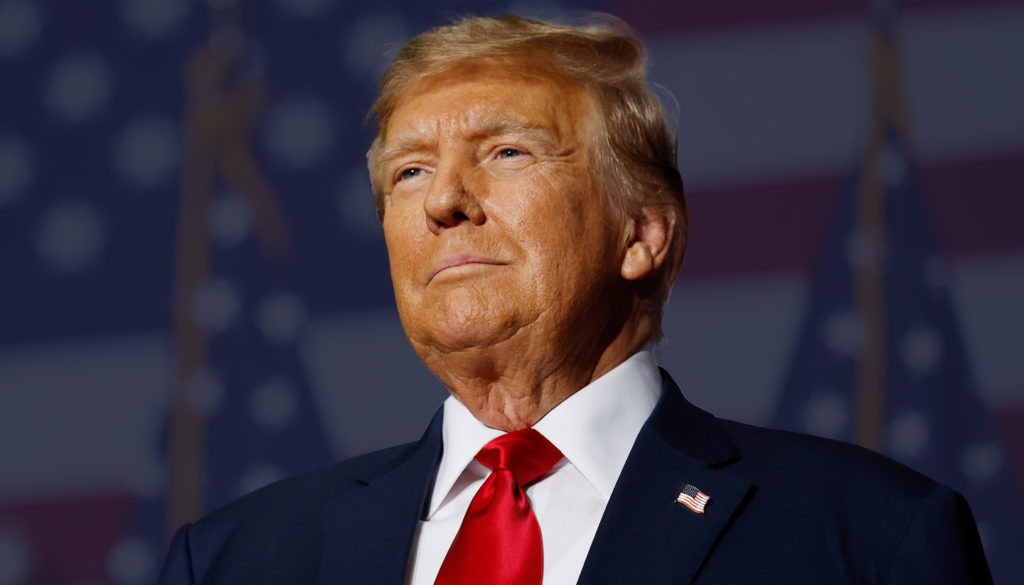
johnbowe.info – Donald John Trump, the 45th President of the United States, served from January 20, 2017, to January 20, 2021. A businessman and television personality, Trump entered politics with no prior governmental experience and quickly became one of the most controversial and divisive figures in modern American history. His presidency was marked by bold policies, significant political polarization, and a wide range of legal and social challenges.

Early Life and Business Career

Childhood and Education

Donald Trump was born on June 14, 1946, in Queens, New York City, to Fred and Mary Trump. His father was a prominent real estate developer, which exposed young Donald to the world of business early on. Trump attended the New York Military Academy, a private school, before enrolling at Fordham University. He later transferred to the University of Pennsylvania, where he earned a degree in economics from the Wharton School in 1968.

The Trump Organization

After completing his education, Trump took control of his father’s real estate empire, which he renamed The Trump Organization. Initially, he expanded the company’s operations in Queens and Brooklyn, but he soon began to target high-profile properties in Manhattan. The Trump Organization went on to develop iconic buildings, including the Trump Tower in New York City, which became a symbol of Trump’s larger-than-life persona.

Trump also ventured into various industries, including casinos, hotels, and golf courses, often using his name as a branding tool. While his business ventures saw success in many instances, they were not without their setbacks. Trump’s casinos, for example, faced financial difficulties, leading to bankruptcies in the 1990s. However, despite these challenges, Trump maintained his public image as a successful businessman.

Entering Politics: The 2016 Presidential Campaign

The Campaign Announcement

In June 2015, Trump made a stunning announcement that he would run for president of the United States. His entry into the race was met with skepticism by many political analysts and media outlets, who doubted that someone with no political or military experience could succeed. Trump, however, used his celebrity status to attract significant media attention. He focused on issues such as immigration, trade, and job creation, while positioning himself as an outsider who would “drain the swamp” of Washington, D.C.

Trump’s early campaign rhetoric was polarizing, particularly his stance on immigration. He famously called for a wall to be built along the southern border of the United States to prevent illegal immigration, particularly from Mexico. This controversial proposal, along with his direct and often combative style, quickly set him apart from other candidates in the Republican primary.

The Republican Primary

Trump’s unorthodox approach to campaigning and his willingness to speak bluntly earned him both fervent supporters and vocal critics. He clashed with many of the other candidates in the Republican field, including establishment figures like Jeb Bush, Marco Rubio, and Ted Cruz. Despite being written off by many, Trump’s blunt rhetoric and promise to “Make America Great Again” resonated with a significant portion of the American electorate, particularly working-class voters in key battleground states.

His success in the Republican primary was in large part due to his ability to speak to the frustrations of many Americans who felt left behind by globalization and political elites. Trump’s campaign also capitalized on widespread dissatisfaction with the status quo in Washington, leading him to secure the Republican nomination in July 2016.

The 2016 Presidential Election

The General Election Campaign

In the general election, Trump faced off against former Secretary of State Hillary Clinton. The campaign was marked by intense negativity and personal attacks on both sides. Trump frequently criticized Clinton’s use of a private email server while she was Secretary of State, and he faced his own controversies, including the release of the infamous “Access Hollywood” tape, in which he was heard making lewd comments about women.

Despite the media frenzy surrounding these controversies, Trump’s base of support remained solid. He continued to focus on issues like trade, immigration, and American exceptionalism, while Clinton struggled to connect with certain segments of the electorate. Trump’s populist rhetoric and promises to restore American jobs and reassert American strength resonated strongly with many voters in key swing states such as Michigan, Wisconsin, and Pennsylvania.

The Election Outcome

In a shocking turn of events, Trump won the Electoral College, securing 304 electoral votes to Clinton’s 227. However, Clinton won the popular vote by nearly 2.9 million votes, which led to widespread debate about the role of the Electoral College in American democracy. Trump’s victory was seen as a political earthquake, upending decades of political norms and establishing him as the leader of the Republican Party.

Presidency of Donald Trump

Early Actions and Executive Orders

Upon taking office in January 2017, Trump wasted no time in implementing his campaign promises. He signed a series of executive orders, including a controversial travel ban targeting predominantly Muslim countries. The ban was initially blocked by the courts but was later upheld in a modified form by the Supreme Court.

Trump also focused on deregulation, particularly in the environmental and financial sectors. His administration rolled back a number of Obama-era regulations, arguing that they were stifling economic growth and job creation. Additionally, Trump pushed for tax cuts, culminating in the Tax Cuts and Jobs Act of 2017, which reduced corporate tax rates and aimed to stimulate the economy.

Impeachment

Trump’s presidency was marred by several controversies, including two impeachment proceedings. In December 2019, the House of Representatives impeached him on charges of abuse of power and obstruction of Congress related to his dealings with Ukraine. The charges stemmed from a phone call in which Trump allegedly pressured the Ukrainian president to investigate Joe Biden, his potential 2020 political rival. In February 2020, the Senate acquitted Trump on both charges, but the impeachment left a significant mark on his presidency.

The 2020 Election and Final Year

The 2020 presidential election, held amid the COVID-19 pandemic, was one of the most contentious in American history. Trump’s handling of the pandemic and his controversial statements about public health measures led to a sharp division in the electorate. His opponent, former Vice President Joe Biden, capitalized on dissatisfaction with Trump’s leadership and won the election with 306 electoral votes to Trump’s 232.

Trump refused to concede the election, falsely claiming that the election had been “stolen” due to widespread voter fraud. His claims were widely debunked, but the rhetoric fueled a dangerous level of political polarization. This culminated in the January 6, 2021, storming of the U.S. Capitol by a mob of Trump supporters, an event that led to Trump’s second impeachment by the House of Representatives on charges of incitement of insurrection. However, Trump was acquitted again by the Senate, leaving the nation deeply divided.

Legacy and Impact

Political Polarization

Trump’s presidency amplified political divisions within the United States. His combative style, use of social media, and disregard for traditional political norms contributed to an increasingly polarized political climate. While his supporters viewed him as a champion of conservative values and a defender of American interests, his critics saw him as a destabilizing force who undermined democratic institutions and norms.

Influence on the Republican Party

Trump’s impact on the Republican Party has been profound. He reshaped the party’s identity, moving it away from its traditional establishment conservatism and embracing a populist, nationalist platform. Trump’s influence continues to be felt in the Republican Party, as many of his allies hold key positions in government and the party’s base remains loyal to him.

The Trump Era in American Politics

The era of Donald Trump has left an indelible mark on American politics. His presidency challenged many longstanding political conventions and changed the way Americans view government, media, and democracy itself. Whether viewed as a disruptor or a demagogue, Trump’s influence on American political discourse remains significant, and his legacy will likely continue to shape the nation for years to come.