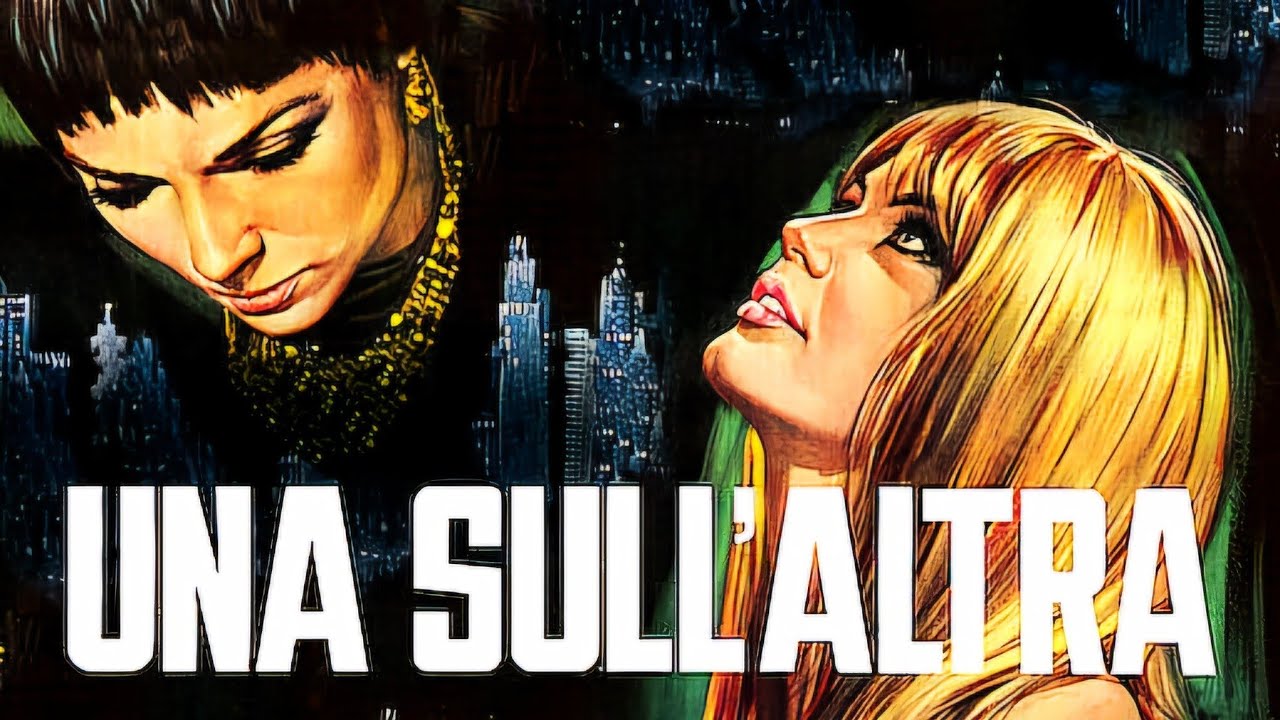
johnbowe.info – Una sull’altra (1969), also known internationally as One on Top of the Other, is a stylish and suspenseful giallo thriller directed by the legendary Italian filmmaker Lucio Fulci. Known for his contributions to the horror and thriller genres, Fulci’s work in Una sull’altra is a striking blend of psychological tension, intricate plotting, and striking visuals. As part of the giallo genre, which is defined by its mix of horror, mystery, and eroticism, the film delivers an experience that engages the audience both intellectually and viscerally.
The Plot of Una sull’altra
Una sull’altra follows the complex and twisted story of a successful but morally conflicted man, Dr. George Stark (played by the charismatic and often enigmatic Italian actor Jean Sorel), whose life begins to unravel after the mysterious death of his wife, Susan (played by the alluring and talented Marisa Mell). Stark is a well-respected physician who lives a comfortable life, but the sudden death of his wife leaves him emotionally shattered and questioning everything.
As Stark attempts to move on, he becomes increasingly obsessed with the circumstances surrounding her death, suspecting foul play. His suspicions lead him into a dark and convoluted world of deceit, murder, and betrayal. Stark’s investigation uncovers secrets about his wife that he never imagined, all of which send him deeper into a dangerous spiral where reality and illusion blur.
The film’s plot is filled with tension and unexpected twists as Stark begins to question the authenticity of everything around him. The narrative builds a sense of paranoia and unease, enhanced by the film’s atmospheric cinematography, which keeps the audience guessing until the very end.
Michele Lee’s Role in Una sull’altra
In Una sull’altra, Michele Lee takes on a supporting role, contributing to the film’s complex web of characters. While her role is not the central focus of the story, she plays a key part in the narrative’s development. Lee’s character is involved in the unfolding mystery, and her presence adds an extra layer of intrigue to the plot.
Michele Lee’s performance in the film is memorable for its subtlety and depth. As is common in giallo films, the female characters are often enigmatic and play a significant role in the narrative’s mystery and suspense. Lee’s character, while not always front-and-center, plays a crucial role in helping to reveal the secrets surrounding the murder, and her interactions with the lead character add emotional weight to the overall story.
Her portrayal in this film demonstrates her versatility as an actress, fitting seamlessly into the giallo genre with her quiet intensity and poise. As with many actors in giallo films, Lee’s role serves to complement the mystery and keep the audience hooked as they try to piece together the film’s intricate narrative.
A Giallo Thriller with Psychological Depth
Una sull’altra is a prime example of the giallo genre, a style of Italian thriller that combines elements of detective fiction with horror and eroticism. Giallo films are known for their stylish direction, graphic violence, complex plots, and often shocking twists. Fulci’s approach to this film is no different, blending suspense with psychological horror and character-driven tension.
The film’s narrative is a mix of mystery and crime thriller, with Stark’s descent into madness forming the backbone of the story. His obsessive quest for the truth is complicated by his psychological state, and the audience is left to question what is real and what is a figment of his troubled mind. As the mystery deepens, the film’s tone becomes increasingly surreal and unsettling, with Fulci’s direction pushing the boundaries of psychological horror.
The giallo genre is known for its use of visual and thematic motifs, such as the unreliable narrator, blurred lines between reality and fantasy, and the presence of graphic violence and eroticism. Una sull’altra embraces these elements, using them to enhance the tension and atmosphere of the film. The film’s shocking and sometimes explicit content is balanced with a slow-burn narrative, which keeps the viewer on edge and invested in the characters’ fates.
Lucio Fulci’s Direction and Cinematic Style
Lucio Fulci’s direction in Una sull’altra is masterful, demonstrating his skill in creating atmospheric and unsettling films. Known for his distinctive visual style, Fulci employs a variety of cinematic techniques to build tension and immerse the viewer in the story. The film’s use of close-ups, disorienting camera angles, and bold color contrasts all contribute to the sense of unease that permeates the narrative.
The film’s pacing is deliberate, building suspense gradually before unleashing moments of shocking violence or revelation. Fulci’s ability to blend horror, mystery, and psychological thriller elements makes Una sull’altra a standout in the giallo genre, which often embraces both mystery and horror elements but rarely with such a refined and unnerving approach.
Fulci’s work is also notable for its music, and Una sull’altra is no exception. The film’s score, composed by the talented Riz Ortolani, is haunting and evocative, underscoring the eerie atmosphere of the film and adding to its psychological intensity.
The Giallo Genre: Influence and Legacy
The giallo genre became hugely popular in Italy during the 1960s and 1970s, with films like Una sull’altra influencing not only Italian cinema but also horror and thriller films worldwide. Giallo films often featured a mix of detective fiction and horror, blending the investigative elements of mystery with the tension and terror of the slasher genre. These films frequently depicted graphic violence and sexual content, pushing the boundaries of what was acceptable in mainstream cinema at the time.
Directors like Dario Argento, Mario Bava, and Lucio Fulci became masters of the genre, using their films to explore themes of fear, identity, and the subconscious. Una sull’altra fits within this tradition, but it also brings Fulci’s own personal touch, incorporating surreal elements and psychological horror that would come to define many of his later works.
While the giallo genre experienced a decline in popularity during the 1980s, it has experienced a resurgence in recent years, with contemporary filmmakers citing these classic films as major influences on their own work. Una sull’altra, with its complex plot and unforgettable atmosphere, remains an essential film in the giallo tradition.
Conclusion
Una sull’altra (1969) is a standout example of the giallo genre, showcasing Lucio Fulci’s ability to create a chilling, suspense-filled thriller that keeps the audience on edge. With a complex plot, memorable performances, and striking cinematography, the film has earned its place as a significant work in the history of Italian cinema. Michele Lee’s role adds depth and intrigue to the story, while Fulci’s direction and Riz Ortolani’s haunting score elevate the film to a higher level of psychological tension and horror.
As a giallo film, Una sull’altra masterfully blends mystery, horror, and eroticism, making it a quintessential example of the genre’s ability to captivate audiences with its twists and emotional stakes. For fans of Italian thrillers and those looking to explore the world of giallo cinema, Una sull’altra remains a fascinating and essential film in Lucio Fulci’s impressive body of work.