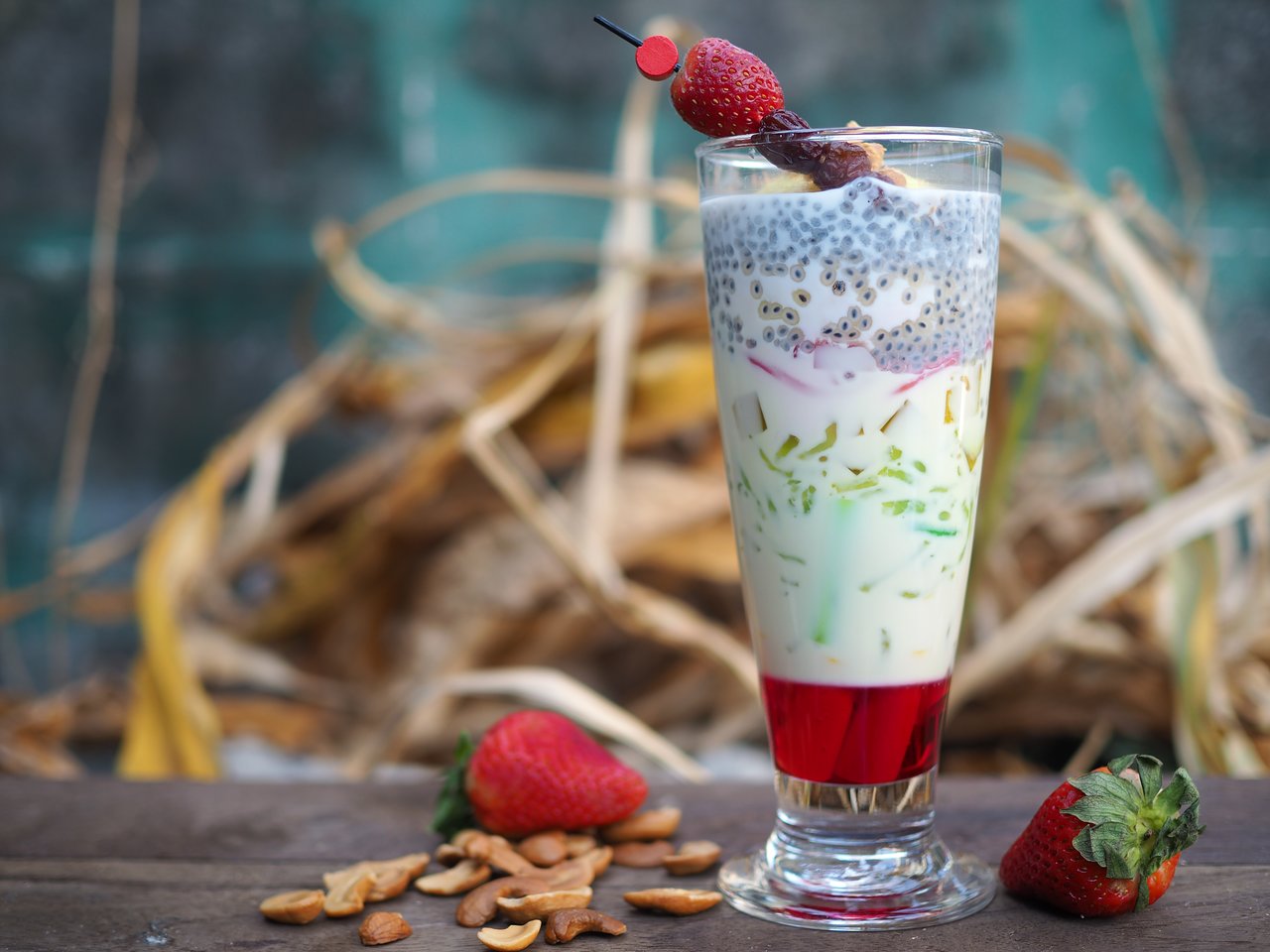
Falooda: A Symphony of Flavors in a Glass

johnbowe.info – Falooda, a beloved dessert with origins in Persia, has captivated taste buds across the globe, particularly in India, Pakistan, and the Middle East. This refreshing and indulgent treat is a delightful symphony of flavors and textures, offering a unique and satisfying culinary experience.   

A Tapestry of Flavors

Falooda is a testament to the art of culinary fusion, blending elements from various cultures. At its core, it’s a chilled dessert typically made with vermicelli noodles, rose syrup, milk, and a medley of toppings that dance on the palate.   

A Dance of Textures and Tastes

The true magic of Falooda lies in its intricate interplay of textures and tastes. The smooth, chilled milk provides a refreshing base, while the vermicelli noodles add a delightful chewy texture. The sweetness of the rose syrup is balanced by the subtle nuttiness of toppings like basil seeds, chopped nuts, and sometimes even ice cream. The addition of refreshing rose water or kewra water further enhances the aromatic experience.   

A Feast for the Senses

Falooda is a feast for all the senses. The vibrant colors of the rose syrup and toppings create a visual delight. The aroma of rose water, cardamom, and other spices fills the air, beckoning you closer. The first sip is a symphony of textures and tastes, with each element contributing to a harmonious whole.

A Culinary Tradition

Falooda is more than just a dessert; it’s a culinary tradition passed down through generations. Families gather to enjoy this refreshing treat, sharing stories and laughter. Street vendors, their stalls laden with colorful ingredients, offer a taste of local life. From bustling city streets to cozy homes, Falooda is a constant, a reminder of the enduring power of food to connect and nourish.

A Global Sensation

In recent years, Falooda has gained global recognition, captivating food enthusiasts worldwide. Its unique blend of flavors and satisfying textures has made it a favorite among those seeking authentic culinary experiences. From bustling food markets to upscale restaurants, Falooda is making its mark on the international culinary scene.   

Falooda is a testament to the rich culinary heritage of the regions it calls home, a dish that embodies the essence of cultural exchange and culinary innovation. It is a culinary masterpiece that continues to captivate and inspire, one flavorful spoonful at a time.
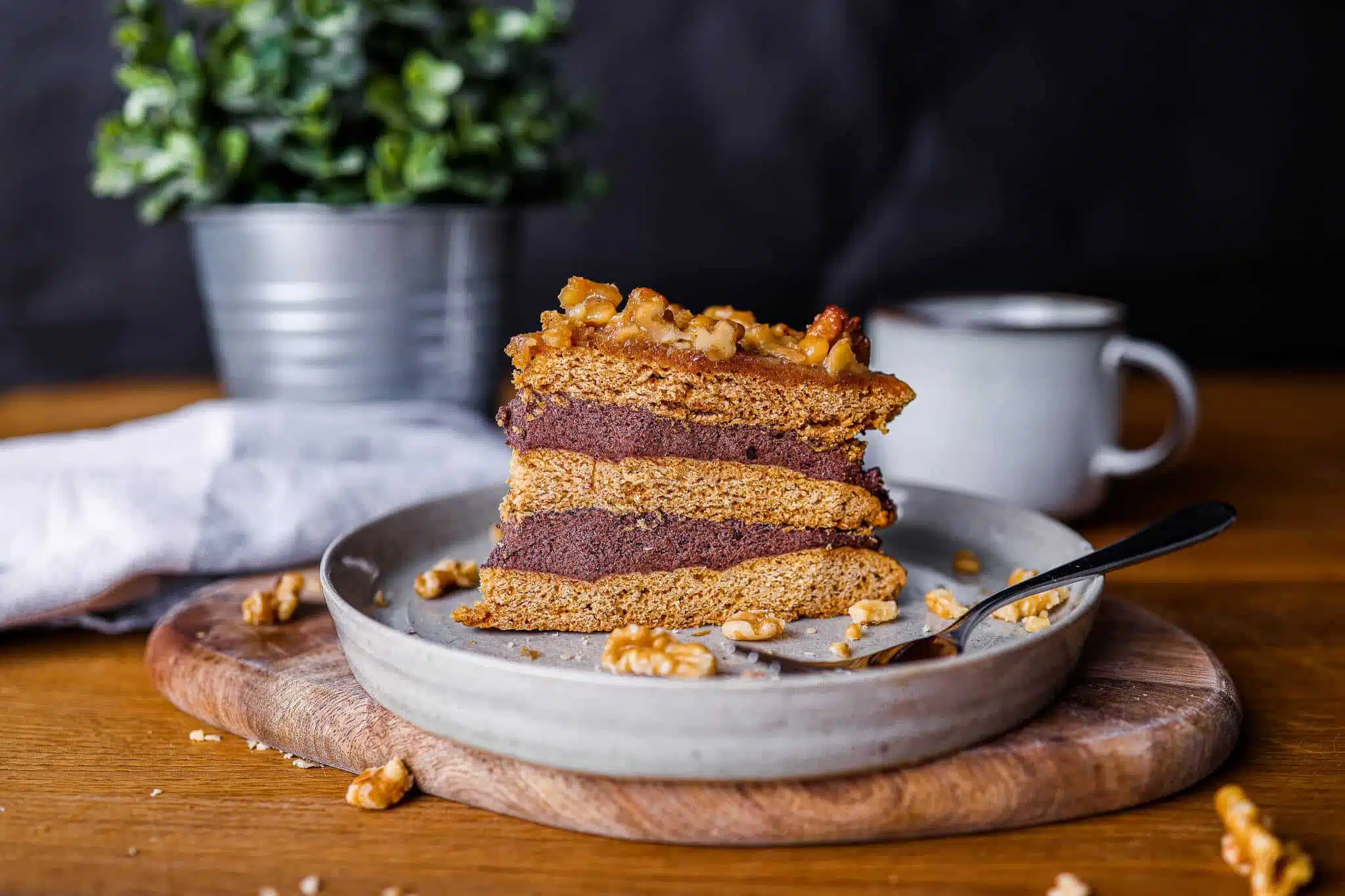
Królewiec: A Royal Treat from Eastern Poland – A Taste of Tradition

johnbowe.info – Królewiec, a distinctive honey cake, is a beloved treat in the eastern regions of Poland. This rich and flavorful cake is characterized by its moist and tender crumb, sweet honey flavor, and often, a dusting of powdered sugar.

A Taste of Tradition

The origins of Królewiec can be traced back to medieval times, when honey was a valuable commodity and widely used in baking and cooking. Over the centuries, Królewiec has evolved into a diverse range of cakes, each with its own unique flavor profile. Despite these regional variations, the core ingredients and preparation methods remain relatively consistent.

The Art of Making Królewiec

Making Królewiec is a time-consuming process that requires patience and skill. The dough, typically made with flour, eggs, butter, sugar, and yeast, is rolled out and filled with a sweet honey filling. The filled dough is then rolled up and baked until golden brown.

Key Ingredients:

  • Honey Filling: A rich and sweet filling made with honey, sugar, and sometimes nuts or dried fruit.
  • Dough: A rich and buttery dough is essential for making Królewiec.
  • Spices: Spices like cinnamon, nutmeg, or cardamom can be added to the filling for extra flavor.

A Culinary Journey Through Eastern Poland

Królewiec is a versatile dessert that can be enjoyed in many different ways. It can be served plain, dusted with powdered sugar, or glazed with a lemon or orange glaze. In some regions of Poland, Królewiec is also served with a dollop of whipped cream or a scoop of ice cream.

Beyond its traditional roots in Eastern Poland, Królewiec has gained popularity throughout the country and even beyond its borders. Its unique flavor and texture have made it a beloved dessert among people of diverse cultures.

Brezel: A German Baking Tradition – A Brief History

johnbowe.info – Brezel, or pretzels, are a beloved German baked good with a long and storied history. These iconic twisted knots of dough, often sprinkled with salt, have become a symbol of German culture and cuisine.

A Brief History

The exact origins of the Brezel are shrouded in mystery, but it is believed that they were first created by monks in European monasteries during the 6th or 7th century. The twisted shape of the Brezel is said to symbolize prayer, with the three prongs representing the Holy Trinity.

The Art of Making Brezel

Creating the perfect Brezel requires a few key techniques:

  1. Preparing the Dough: A simple dough made from flour, water, yeast, and salt is kneaded until smooth and elastic.
  2. Shaping the Brezel: The dough is shaped into the characteristic twisted knot. This can be done by hand or with a special Brezel shaping tool.
  3. Boiling the Brezel: The shaped Brezel are briefly boiled in a lye solution, which gives them their distinctive flavor and shiny crust.
  4. Baking the Brezel: The boiled Brezel are baked in a hot oven until golden brown.

Serving Suggestions

Brezel are typically enjoyed fresh, often accompanied by a variety of dips and spreads:

  • Butter: A classic and simple pairing.
  • Cheese: A variety of cheeses, such as cheddar or Gouda, can be enjoyed with Brezel.
  • Obatzda: A Bavarian cheese spread made with Camembert, butter, and spices.
  • Leberkäse: A type of meatloaf that is often served with Brezel.

Modern Variations

In recent years, bakers have experimented with different flavors and ingredients to create innovative Brezel:

  • Sweet Brezel: Topped with sugar, cinnamon, and nuts.
  • Herbed Brezel: Flavored with herbs like rosemary or thyme.
  • Chocolate Brezel: Dipped in chocolate or filled with chocolate.