Pico Bolívar: Venezuela’s Majestic Peak

johnbowe.info – Pico Bolívar, the highest peak in Venezuela, stands tall at 4,978 meters (16,332 feet) above sea level. This majestic mountain, part of the Andes mountain range, offers a breathtaking sight and a challenging adventure for experienced climbers.   

A Glimpse into the Clouds

The ascent to Pico Bolívar is a journey through diverse ecosystems, from lush cloud forests to alpine tundra. The lower slopes are covered in vibrant vegetation, while the higher elevations are characterized by rocky terrain and sparse vegetation. As climbers ascend higher, the air becomes thinner, and the temperature drops significantly.

A Climber’s Paradise

For experienced climbers, Pico Bolívar is a coveted challenge. The ascent requires technical skills, physical fitness, and the ability to withstand harsh weather conditions. The peak is often shrouded in clouds, making navigation difficult and increasing the risk of altitude sickness.

However, the rewards of reaching the summit are immense. From the peak, climbers are treated to panoramic views of the surrounding mountains, valleys, and distant plains. The feeling of accomplishment and the breathtaking scenery make the arduous climb worthwhile.

A Fragile Ecosystem

Pico Bolívar is a fragile ecosystem, and its delicate balance is threatened by climate change and human activity. The mountain’s glaciers, which have been shrinking in recent years, are a vital source of water for the region. As the glaciers retreat, the local water supply is at risk.

To preserve this natural wonder, it is essential to promote sustainable tourism and to protect the mountain’s ecosystem. By limiting human impact and implementing conservation measures, we can ensure that Pico Bolívar remains a majestic landmark for generations to come.

A Symbol of Venezuelan Pride

Pico Bolívar is more than just a mountain; it is a symbol of Venezuelan pride and a source of inspiration for many. The mountain is named after Simón Bolívar, the iconic liberator of South America. His legacy lives on in the name of this majestic peak, a reminder of his courage, determination, and vision for a free and independent continent.
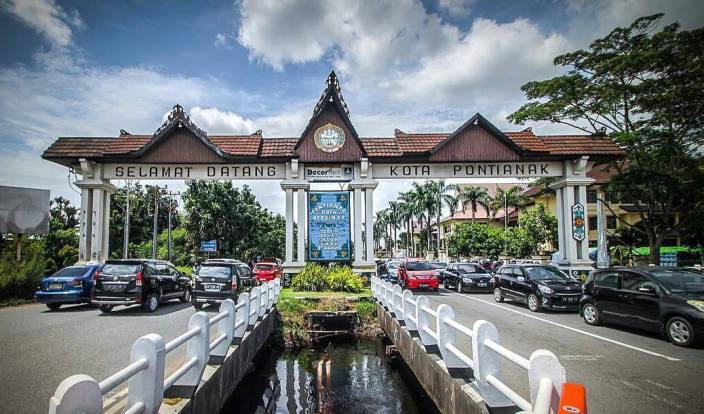
Pontianak City: The Equatorial Jewel of Indonesia

johnbowe.info – Pontianak is the capital city of the province of West Kalimantan in Indonesia, situated on the island of Borneo. Known for its unique geographical position, the city lies directly on the equator, earning it the nickname “Equator City” or “Kota Khatulistiwa.” This distinctive feature makes Pontianak a fascinating destination for travelers and cultural enthusiasts alike.

Historical Background

Founded in 1771 by Sultan Syarif Abdurrahman Alkadrie, Pontianak began as a small trading port and has since grown into a vibrant urban center. The city’s history is deeply intertwined with its strategic location on the banks of the Kapuas River, the longest river in Indonesia. Over the centuries, Pontianak has been a melting pot of various cultures, including Malay, Dayak, and Chinese, which have all contributed to its rich cultural tapestry.

Cultural and Natural Attractions

Pontianak offers a variety of attractions that reflect its diverse cultural heritage. One of the must-visit sites is the Equator Monument, where visitors can experience standing on the equator line. The city’s vibrant markets, such as Pasar Tengah and the Kapuas Besar, offer a glimpse into the daily lives of locals and a chance to sample traditional foods and crafts.

Nature enthusiasts will also appreciate the proximity to lush rainforests and the biodiversity of Borneo. The nearby Danau Sentarum National Park provides opportunities for wildlife sightings and eco-tourism adventures.

Modern Developments and Economy

Today, Pontianak is a thriving city with a growing economy driven by trade, agriculture, and tourism. The city’s infrastructure continues to develop, with improvements in transportation and services enhancing its appeal as a regional hub. The local government is actively promoting city branding to boost tourism and economic growth, focusing on its unique equatorial position and rich cultural heritage.

Conclusion

Pontianak City stands out not only for its equatorial location but also for its blend of cultures and history. Whether you’re drawn by the allure of standing on the equator or the rich cultural experiences, Pontianak offers a unique window into the heart of Borneo. As the city continues to grow and develop, it remains a captivating destination for those seeking adventure and cultural discovery.