The Majestic Tiger: A Symphony of Stripes – A Solitary Hunter

johnbowe.info – The tiger, a creature of awe-inspiring beauty and power, holds a special place in the hearts and minds of people around the world. Its striking appearance, with its coat of vibrant orange fur adorned with bold black stripes, is a testament to nature’s artistry. But beyond its aesthetic appeal, the tiger plays a vital role in maintaining the delicate balance of its ecosystem, serving as a crucial apex predator.   

A Tapestry of Subspecies

The tiger, scientifically known as Panthera tigris, is a large felid native to the Indian subcontinent, Southeast Asia, and parts of Russia and China. While once roaming vast territories, habitat loss and human encroachment have significantly reduced its range. Despite this, the tiger’s resilience is evident in its diversity, with six recognized subspecies:   

  • Bengal Tiger (P. t. tigris): The most numerous subspecies, found in India, Bangladesh, Nepal, Bhutan, and parts of China.   
  • Siberian Tiger (P. t. altaica): The largest living cat, inhabiting the Russian Far East and northeastern China.
  • Sumatran Tiger (P. t. sumatrae): The smallest subspecies, found exclusively on the Indonesian island of Sumatra.   
  • Indo-Chinese Tiger (P. t. corbetti): Found in Southeast Asia, including Thailand, Myanmar, Laos, Cambodia, and Vietnam.   
  • Malayan Tiger (P. t. jacksoni): A recently recognized subspecies, found in the Malay Peninsula.   
  • South China Tiger (P. t. amoyensis): Critically endangered, with only a few individuals believed to remain in the wild.   

A Solitary Hunter

Tigers are solitary animals, with males and females typically occupying separate territories. They are apex predators, meaning they sit at the top of the food chain, preying on a variety of animals, including deer, wild boar, gaur, and even elephants. Their hunting techniques are a marvel of nature, relying on stealth, speed, and a powerful bite.   

Conservation Challenges

Despite their iconic status, tigers face numerous threats, including habitat loss, poaching, and human-wildlife conflict. The demand for tiger parts in traditional medicine and the illegal wildlife trade continues to fuel poaching, while infrastructure development and human encroachment fragment tiger habitats, limiting their ability to roam and find prey.   

Efforts to Save the Tiger

Conservation efforts are underway to protect tigers and their habitats. These efforts include establishing protected areas, combating poaching, and promoting sustainable livelihoods for local communities. International cooperation and public awareness campaigns are also crucial in raising awareness about the plight of tigers and mobilizing support for their conservation.   

In conclusion, the tiger is a magnificent creature that embodies the power and beauty of nature. Its survival is not only essential for maintaining the ecological balance of its habitat but also for preserving the rich biodiversity of our planet. By working together to address the threats facing tigers, we can ensure that these majestic animals continue to roam the Earth for generations to come.


Pico Bolívar: Venezuela’s Majestic Peak

johnbowe.info – Pico Bolívar, the highest peak in Venezuela, stands tall at 4,978 meters (16,332 feet) above sea level. This majestic mountain, part of the Andes mountain range, offers a breathtaking sight and a challenging adventure for experienced climbers.   

A Glimpse into the Clouds

The ascent to Pico Bolívar is a journey through diverse ecosystems, from lush cloud forests to alpine tundra. The lower slopes are covered in vibrant vegetation, while the higher elevations are characterized by rocky terrain and sparse vegetation. As climbers ascend higher, the air becomes thinner, and the temperature drops significantly.

A Climber’s Paradise

For experienced climbers, Pico Bolívar is a coveted challenge. The ascent requires technical skills, physical fitness, and the ability to withstand harsh weather conditions. The peak is often shrouded in clouds, making navigation difficult and increasing the risk of altitude sickness.

However, the rewards of reaching the summit are immense. From the peak, climbers are treated to panoramic views of the surrounding mountains, valleys, and distant plains. The feeling of accomplishment and the breathtaking scenery make the arduous climb worthwhile.

A Fragile Ecosystem

Pico Bolívar is a fragile ecosystem, and its delicate balance is threatened by climate change and human activity. The mountain’s glaciers, which have been shrinking in recent years, are a vital source of water for the region. As the glaciers retreat, the local water supply is at risk.

To preserve this natural wonder, it is essential to promote sustainable tourism and to protect the mountain’s ecosystem. By limiting human impact and implementing conservation measures, we can ensure that Pico Bolívar remains a majestic landmark for generations to come.

A Symbol of Venezuelan Pride

Pico Bolívar is more than just a mountain; it is a symbol of Venezuelan pride and a source of inspiration for many. The mountain is named after Simón Bolívar, the iconic liberator of South America. His legacy lives on in the name of this majestic peak, a reminder of his courage, determination, and vision for a free and independent continent.

The Majestic Kunlun Mountains: A Natural Wonder

johnbowe.info – The Kunlun Mountains, known as 昆仑山 (Kūnlún Shān) in Chinese, are one of the most significant mountain ranges in Asia, spanning over 3,000 kilometers. These mountains hold immense geographical, historical, and cultural importance, forming a natural boundary between the Tibetan Plateau and the vast deserts of Central Asia. Known for their awe-inspiring landscapes and rich biodiversity, the Kunlun Mountains continue to captivate explorers, scientists, and nature enthusiasts alike.

Geographical Significance

Stretching from the Pamirs in the west to the Sino-Tibetan border in the east, the Kunlun Mountains form an integral part of the Asian mountain system. This range serves as a natural divider, influencing the climate and hydrology of the regions it spans. The mountains are characterized by towering peaks, with the highest, the Kunlun Goddess Peak, reaching an elevation of approximately 7,167 meters.

Geological Features

The Kunlun Mountains are primarily composed of volcanic and sedimentary rocks, offering a fascinating glimpse into the Earth’s geological history. The region is also known for its tectonic activity, with various fault lines running through the mountains. These geological features have contributed to the unique landforms and mineral wealth found in the area, including deposits of jade, gold, and other precious minerals.

Biodiversity and Ecology

The Kunlun Mountains support a diverse range of flora and fauna, thanks to their varied altitudes and climates. The lower slopes are home to temperate forests, while alpine meadows and tundra landscapes can be found at higher elevations. The region is also a haven for wildlife, including species such as snow leopards, Tibetan antelopes, and a variety of bird species. Conservation efforts are crucial to preserve this unique ecosystem and its inhabitants.

Cultural and Historical Importance

The Kunlun Mountains hold a revered place in Chinese mythology and literature. They are often depicted as the dwelling place of gods and immortals, a source of mysticism and inspiration for countless stories and legends. Throughout history, the mountains have also served as a natural barrier, influencing trade routes and cultural exchanges across the region. The ancient Silk Road, which facilitated the exchange of goods and ideas, passed through the southern fringes of the Kunlun range.

Modern Exploration and Tourism

In recent years, the Kunlun Mountains have attracted adventurers and tourists eager to experience their breathtaking beauty and challenging terrains. Hiking, mountaineering, and eco-tourism are popular activities, allowing visitors to explore the pristine landscapes and cultural heritage of the region. However, responsible tourism practices are essential to ensure the preservation of this fragile environment.

Conclusion

The Kunlun Mountains stand as a testament to the grandeur of nature, offering a unique blend of natural beauty, geological wonders, and cultural richness. Their significance extends beyond their physical presence, embodying the deep connection between nature and humanity. As interest in this majestic range continues to grow, efforts to protect and preserve its unique landscapes and biodiversity will be more important than ever.

Norway’s Fjords: Nature’s Majestic Masterpieces

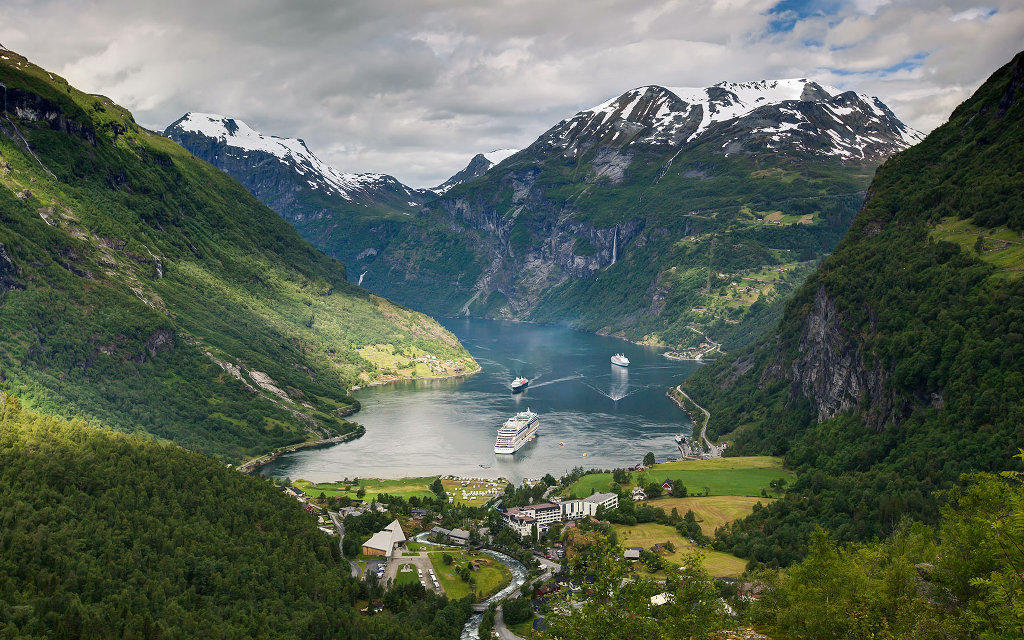
johnbowe.info – Norway’s fjords are often described as some of the most breathtaking natural wonders in the world. Carved by glaciers during the last Ice Age, these deep, narrow inlets are surrounded by towering cliffs and lush, green landscapes, creating a serene and majestic environment. Each fjord has its own unique charm and allure, making them a must-visit destination for nature lovers and adventure seekers alike.

The Formation of Fjords

The formation of fjords began millions of years ago during the Ice Age. Massive glaciers slowly carved through the land, creating deep valleys. As the glaciers retreated, these valleys flooded with seawater, forming the fjords we see today. This geological process resulted in the dramatic cliffs and deep waters that characterize Norway’s fjords, providing a stunning backdrop against the natural beauty of the region.

The Most Famous Fjords of Norway

Geirangerfjord

Geirangerfjord, a UNESCO World Heritage site, is perhaps the most famous of Norway’s fjords. Known for its deep blue waters and lush green mountains, it offers a spectacular view of waterfalls cascading down steep rock faces. The Seven Sisters and the Suitor are among the most photographed waterfalls here, each with its own local legend.

Sognefjord

Sognefjord, the largest and deepest fjord in Norway, stretches over 200 kilometers inland. This majestic fjord offers breathtaking views and numerous outdoor activities, including hiking, kayaking, and boat tours. The Nærøyfjord, a narrow arm of the Sognefjord, is also a UNESCO World Heritage site and is renowned for its dramatic scenery.

Hardangerfjord

Hardangerfjord is known for its stunning natural beauty and cultural significance. It is famous for its fruit orchards, particularly apple and cherry trees, which create a picturesque landscape during the blooming season. The fjord is also home to the Vøringsfossen waterfall, one of Norway’s most famous waterfalls.

Wildlife and Ecosystem

The fjords are not only visually stunning but also teeming with wildlife. The waters are rich in marine life, including seals, porpoises, and various fish species. The surrounding forests and mountains are home to diverse wildlife, such as eagles, deer, and even the elusive lynx. This rich biodiversity makes the fjords a vital ecosystem and a paradise for wildlife enthusiasts.

Activities and Exploration

Norway’s fjords offer a plethora of activities for visitors. From scenic cruises and kayaking adventures to hiking trails with panoramic views, there is something for everyone. The fjords also provide opportunities for cultural exploration, with quaint villages and historic sites scattered throughout the region. Visitors can immerse themselves in local traditions, cuisine, and the welcoming hospitality of the Norwegian people.

Conclusion

Norway’s fjords are truly nature’s majestic masterpieces, offering a unique blend of natural beauty, adventure, and cultural richness. Whether you’re seeking tranquility, exploration, or simply an awe-inspiring view, the fjords of Norway provide an unforgettable experience that captures the essence of the natural world.