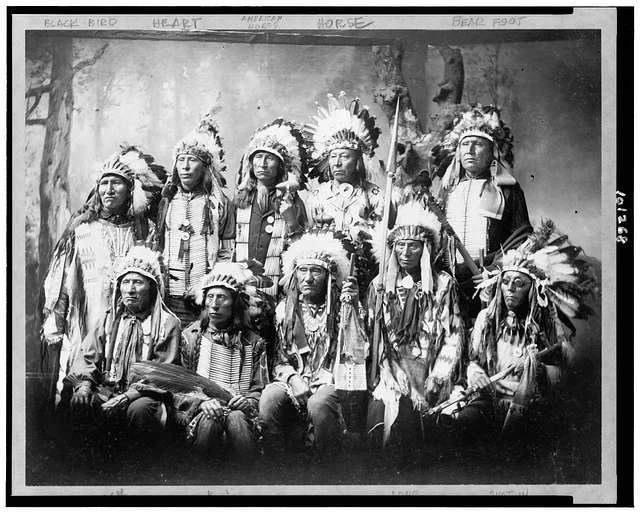
Native American History: A Chronicle of Cultural Survival

johnbowe.info – Native American history is a profound chronicle of resilience, resistance, and cultural survival. Spanning thousands of years, it is a history marked by profound connections to the land, complex social structures, and rich traditions. However, it is also a history of relentless struggles against colonization, forced displacement, cultural erasure, and systemic oppression. Despite these challenges, Native American communities have continued to persevere, adapting and thriving in the face of adversity. This article delves into the history of Native Americans, exploring their cultural survival and the ongoing efforts to preserve and revitalize their heritage.

The Ancient Roots of Native American Cultures

Before European explorers arrived in the Americas, Native American peoples had developed diverse and complex societies across the continents. These societies ranged from nomadic groups to sedentary civilizations, each with its own unique culture, language, and social structure.

In North America, Native American cultures flourished for thousands of years. Some of the earliest evidence of Native life dates back over 15,000 years, with archaeological sites such as Clovis, located in present-day New Mexico, offering insight into the first peoples to inhabit the continent. These early inhabitants adapted to a wide variety of environments, from the cold tundra of the far north to the temperate forests and vast plains.

Many tribes developed sophisticated farming techniques, including the cultivation of corn, beans, and squash—often referred to as the “Three Sisters”—which formed the foundation of their agricultural systems. Others, like the Great Plains tribes, were masterful hunters, relying on bison for food, clothing, and tools.

By the time European explorers arrived in the 15th and 16th centuries, Native American societies had already built complex political, social, and economic systems. Tribes such as the Iroquois Confederacy, the Cherokee, and the Navajo had established councils, laws, and practices that guided their communities. The Aztec, Inca, and Maya civilizations in Central and South America had constructed vast cities, developed advanced knowledge of astronomy and mathematics, and created impressive art and architecture.

European Colonization and Its Impact

The arrival of Europeans in the Americas brought profound changes to Native American societies. Spanish, English, French, and Dutch explorers and settlers sought to expand their empires and exploit the resources of the continent. This led to the introduction of diseases such as smallpox, influenza, and measles, which devastated Indigenous populations who had no immunity to these foreign pathogens.

In addition to disease, European settlers began encroaching on Native American lands, seeking to establish colonies, extract resources, and spread Christianity. For many tribes, this led to violent conflicts and the loss of their ancestral territories. As settlers moved westward, the displacement of Native peoples became systematic, and the U.S. government began to adopt policies designed to forcibly remove Indigenous populations from their lands.

The Indian Removal Act of 1830 was one of the most notorious examples of these policies, leading to the forced relocation of thousands of Native people from the southeastern United States to reservations in the west. The Trail of Tears, which saw the forced removal of the Cherokee, Choctaw, and other tribes, resulted in the deaths of thousands due to disease, starvation, and exposure.

Despite these horrific events, Native American tribes fought to maintain their way of life. They resisted displacement, sometimes through armed conflict, as in the case of the Lakota Sioux and the Apache, and other times through legal challenges, diplomacy, and negotiation. However, the force of colonization and the expansion of the U.S. frontier had a devastating impact on Native cultures and ways of life.

The Era of Assimilation and Cultural Destruction

Following the violent displacement and relocation of Native Americans, the U.S. government pursued policies aimed at assimilating Indigenous peoples into Western culture. The most infamous of these policies was the establishment of Indian boarding schools in the late 19th and early 20th centuries. These schools were designed to strip Native American children of their languages, traditions, and spiritual practices, forcing them to adopt Western customs and values.

At these schools, children were subjected to harsh discipline, prohibited from speaking their native languages, and punished for practicing their cultural rituals. The intent was to “civilize” Native American children by erasing their cultural identities and integrating them into mainstream American society. This forced assimilation caused lasting trauma, and the impact of these policies is still felt by Native communities today.

Additionally, the U.S. government sought to undermine Native American sovereignty by breaking up tribal lands through the Dawes Act of 1887. This act allotted individual plots of land to Native American families and opened up the remaining land to white settlers. The Dawes Act contributed to the erosion of Native communal land ownership and further weakened tribal governance.

Resistance and Revival: The Struggle for Survival

Despite centuries of adversity, Native Americans have demonstrated extraordinary resilience. Throughout the 19th and 20th centuries, Native communities resisted efforts to assimilate, fought to protect their land, and worked to preserve their cultural identities.

One of the most significant moments of resistance came in the form of the Indian Wars (1860s-1890s), when tribes such as the Lakota Sioux, Nez Perce, Apache, and Cheyenne fought to protect their lands from U.S. encroachment. Leaders like Sitting Bull, Crazy Horse, and Geronimo became symbols of Native resistance. The most famous battle during this period was the Battle of Little Bighorn in 1876, where the Lakota Sioux, led by Sitting Bull and Crazy Horse, defeated General Custer’s 7th Cavalry.

Even after military resistance was crushed, Native Americans continued to fight for their cultural survival. In the early 20th century, Native leaders such as John Collier, the Commissioner of Indian Affairs under President Franklin D. Roosevelt, advocated for a change in U.S. policy. This led to the Indian Reorganization Act of 1934, which sought to restore some autonomy to Native tribes and protect Native cultures from further destruction. The act allowed tribes to form governments, control their lands, and preserve their traditions.

In the 1960s and 1970s, Native American activism gained momentum, particularly with the rise of the American Indian Movement (AIM). AIM organized protests, including the occupation of Alcatraz Island in 1969 and the Wounded Knee Incident in 1973, to draw attention to the ongoing struggles of Native peoples. This period of activism led to the passage of laws that recognized Native American rights, such as the Indian Self-Determination and Education Assistance Act of 1975.

Cultural Revival and Sovereignty in the Modern Era

Today, Native American communities continue to work toward cultural survival and political sovereignty. Many tribes are revitalizing their languages, traditional practices, and ceremonies, working to preserve the richness of their cultures for future generations. Language revitalization efforts, such as immersion schools and language courses, are being undertaken to teach Native American languages to younger generations, some of which were at risk of disappearing altogether.

Native American sovereignty is also a key issue in modern times. Tribes are fighting for greater control over their lands, resources, and governance. The recognition of tribal sovereignty has led to significant gains in areas such as gaming, education, and health care, allowing Native American nations to develop economic opportunities and improve the well-being of their people.

Additionally, Native American art, literature, and music have experienced a renaissance in recent years. Native artists and writers are using their work to reflect on their experiences, challenge stereotypes, and share their perspectives with the world. The contributions of Native Americans to the arts and culture of the United States are increasingly recognized and celebrated.

Conclusion: The Chronicle of Cultural Survival

The history of Native Americans is not merely a history of loss and suffering, though those experiences are undeniably part of their story. It is also a history of remarkable survival, resistance, and cultural revival. Despite centuries of colonization, forced displacement, and cultural erasure, Native American peoples have held onto their identities, languages, and traditions.

Today, Native Americans continue to be a vibrant and essential part of the American social, cultural, and political landscape. The struggles and triumphs of Native communities remind us that the story of Native America is far from over—it is one of perseverance, healing, and the ongoing journey toward justice and recognition.

Native American history is a chronicle of cultural survival, and the strength of Native communities continues to inspire and inform future generations. Their story is a testament to the power of resilience and the importance of cultural preservation in the face of adversity.


Chocó: A Hidden Gem on the Pacific Coast

Quibdó: A Tropical Paradise

johnbowe.info – Chocó, a department nestled on Colombia’s Pacific coast, is a region of stunning natural beauty, rich cultural heritage, and immense biodiversity. Its capital city, Quibdó, is a vibrant and welcoming place, offering a unique glimpse into the heart of the Colombian rainforest.

A Tropical Oasis

Quibdó, a city surrounded by lush greenery and crisscrossed by rivers, is a tropical paradise.

  • Atrato River: This majestic river, one of the largest in Colombia, flows through the city, offering opportunities for fishing, boating, and birdwatching.
  • Tropical Rainforest: The dense rainforest surrounding Quibdó is home to a diverse range of wildlife, including monkeys, sloths, and exotic birds.

A Cultural Tapestry

Chocó’s rich cultural heritage is deeply rooted in its Afro-Colombian traditions.

  • African Influence: The region’s African heritage is evident in its music, dance, and cuisine.
  • Indigenous Communities: The Emberá and Wounaan indigenous communities have inhabited the region for centuries, preserving their unique cultural traditions.

Adventure in the Rainforest

Chocó offers a plethora of outdoor activities for adventure seekers.

  • Jungle Trekking: Embark on guided treks through the rainforest, where you can spot exotic wildlife and learn about the intricate ecosystem.
  • River Rafting: Experience the thrill of white-water rafting on the Atrato River.
  • Beach Paradise: The department’s coastline boasts beautiful beaches, perfect for swimming, sunbathing, and surfing.

A Culinary Delight

Chocó’s cuisine is a fusion of African, indigenous, and Spanish influences.

  • Seafood: Fresh seafood, such as shrimp, crab, and fish, is a staple of the local diet.
  • Sancocho de Pescado: A delicious fish soup made with a variety of fish, vegetables, and spices.
  • Arepas: Corn cakes that can be filled with a variety of ingredients, such as cheese, meat, or avocado.

Jolin Tsai: The Queen of Mandopop

johnbowe.info – Jolin Tsai, a name synonymous with innovation, versatility, and captivating performances, has revolutionized the Chinese music industry. With her daring fashion sense, experimental music, and powerful vocals, she has solidified her position as one of the most influential and iconic figures in Mandopop.

Early Life and Career Beginnings

Born on September 15, 1980, in Taipei, Taiwan, Jolin Tsai’s journey into the entertainment industry began as a teenage model. However, it was her musical talent that truly propelled her to stardom.

Her debut album, “100% Jolin,” released in 2000, showcased her potential as a singer. The album’s success paved the way for a series of hit albums that established her as a leading figure in the Mandopop scene.

A Trendsetter and Style Icon

Jolin Tsai is not only a talented singer but also a fashion icon. Her daring and experimental style has influenced fashion trends in Asia. She fearlessly pushes boundaries, constantly reinventing her image and challenging societal norms.

A Versatile Artist

Jolin Tsai’s versatility as an artist is evident in her ability to seamlessly transition between different musical genres. From R&B and pop to electronic dance music and hip-hop, she has experimented with a wide range of styles. Her willingness to take risks and embrace new challenges has earned her critical acclaim and a dedicated fan following.

A Cultural Icon

Beyond her musical achievements, Jolin Tsai has become a cultural icon. Her influence extends beyond the music industry, impacting fashion, dance, and social media. Her bold and fearless attitude has inspired countless young people to embrace individuality and self-expression.

A Lasting Legacy

Jolin Tsai’s impact on the Mandopop industry is undeniable. Her innovative approach to music, her daring fashion sense, and her powerful performances have redefined the boundaries of Chinese-language pop music. Her legacy will continue to inspire future generations of artists and fans alike.

Dakahlia: A Cultural and Historical Hub in Egypt

johnbowe.info – Dakahlia is a governorate located in the northeastern part of Egypt’s Nile Delta. Known for its rich history, cultural landmarks, and vibrant communities, Dakahlia is an intriguing destination that combines the legacy of ancient Egypt with modern-day life. This article explores the historical significance, cultural richness, and attractions that make Dakahlia a unique region in Egypt.

Historical Background

Ancient Roots

Dakahlia’s history dates back to ancient times, where archaeological discoveries have uncovered significant artifacts from early civilizations. The governorate has been a crucial area of development throughout Egypt’s history, contributing to the country’s agricultural and cultural advancements.

Medieval and Modern History

During the medieval period, Dakahlia played a significant role in Islamic history. The city of Mansoura, the capital of the governorate, was a key site during the Crusades, most notably for the Battle of Mansoura. Today, Dakahlia remains a vibrant community that reflects its historical depth and modern growth.

Cultural Significance

Architectural Landmarks

Dakahlia is home to several important architectural landmarks. El Shinnawi Palace and the Mosque of El-Saleh Ayoub El-Kebir stand as testaments to the region’s rich architectural heritage. These sites offer a glimpse into the artistic and cultural achievements of past eras.

Educational and Cultural Institutions

The governorate is renowned for its educational institutions, particularly the University of Mansoura, which is famous for its Urology and Nephrology Center. Dakahlia also boasts numerous cultural centers, libraries, and museums that promote the arts and preserve its history12.

Modern Dakahlia

Economic and Social Development

Dakahlia is one of Egypt’s most agriculturally productive regions, contributing significantly to the country’s economy. The region’s fertile land supports a variety of crops, including rice, cotton, and wheat. This agricultural abundance has shaped its economic landscape and social structure.

Tourist Attractions

While Dakahlia may not be as widely recognized for its tourist attractions as other Egyptian regions, it offers a variety of sites for visitors. In addition to its historical landmarks, the region features beautiful natural landscapes, bustling markets, and vibrant communities that reflect the traditional Delta lifestyle34.

Conclusion

Dakahlia stands out as a region where history, culture, and modern life converge. Its rich heritage, combined with its contributions to Egypt’s cultural and economic spheres, makes Dakahlia a remarkable part of the Nile Delta. Whether exploring its historical sites or experiencing its dynamic culture, Dakahlia offers a unique perspective on Egypt’s past and present.

The Power of Emotion in Ang Lee’s Films

johnbowe.info – Ang Lee, a visionary director known for his diverse filmography, has a unique ability to capture the essence of human emotion in his work. From epic dramas to intimate character studies, Lee’s films explore the complexities of human relationships and the profound emotions that drive them. His storytelling transcends cultural and linguistic barriers, resonating with audiences worldwide.

A Master of Diverse Genres

Ang Lee’s versatility as a filmmaker is evident in his ability to navigate different genres while maintaining a consistent emotional core. Whether it’s the martial arts elegance of “Crouching Tiger, Hidden Dragon,” the poignant exploration of forbidden love in “Brokeback Mountain,” or the survival epic “Life of Pi,” Lee’s films are united by their emotional depth and the authenticity of their characters’ experiences.

Exploring Human Vulnerability

One of the hallmarks of Ang Lee’s filmmaking is his exploration of human vulnerability. His characters often face internal and external conflicts that test their emotional resilience. In “The Ice Storm,” Lee delves into the complexities of suburban life in the 1970s, portraying the fragile nature of familial relationships and the impact of societal changes. His keen insight into the human condition allows him to craft stories that are both relatable and profoundly moving.

Cultural Sensitivity and Universality

Lee’s films often bridge cultural divides, showcasing his sensitivity to different cultural contexts while emphasizing universal emotions. In “The Wedding Banquet” and “Eat Drink Man Woman,” he explores themes of family, tradition, and identity, highlighting the nuances of Taiwanese culture while appealing to a global audience. This ability to balance cultural specificity with universal themes is a testament to Lee’s skill as a storyteller.

Technological Innovation and Emotional Storytelling

Ang Lee is not only a master of emotional storytelling but also a pioneer in technological innovation. His use of advanced filmmaking techniques enhances the emotional impact of his narratives. In “Life of Pi,” Lee’s use of 3D technology creates a visually stunning experience that complements the film’s spiritual and emotional journey. This integration of technology and emotion sets Lee apart as a director who continually pushes the boundaries of cinematic storytelling.

Conclusion

The power of emotion in Ang Lee’s films lies in his ability to portray the intricacies of the human experience with compassion and insight. His stories resonate because they speak to the core of what it means to be human, exploring themes of love, loss, identity, and resilience. Ang Lee’s films are a celebration of emotion, capturing the beauty and complexity of life in a way that leaves a lasting impact on audiences around the world.

Exploring Albania’s Rich Cultural Heritage

johnbowe.info – Albania, a small Balkan nation nestled between Greece and Montenegro, is a treasure trove of cultural and historical wonders. With a history that spans millennia, this often-overlooked country boasts a rich tapestry of traditions, ancient ruins, and architectural marvels. Let’s embark on a journey to explore the vibrant cultural heritage of Albania.

The Historical Tapestry of Albania

Albania’s history is a complex blend of influences from various civilizations, including the Illyrians, Greeks, Romans, Byzantines, Ottomans, and more. Each of these cultures has left an indelible mark on the country’s traditions, language, and architecture. The ancient city of Butrint, a UNESCO World Heritage Site, offers a glimpse into this multifaceted history, with ruins dating back to the Greek, Roman, and Byzantine eras.

Architectural Marvels

One of the most striking features of Albania’s cultural heritage is its diverse architecture. The country is home to an array of Ottoman-era buildings, particularly in cities like Gjirokastër and Berat, both of which are UNESCO World Heritage Sites. Berat, often called the “City of a Thousand Windows,” is renowned for its well-preserved Ottoman houses that cascade down the hillside. In Gjirokastër, visitors can explore traditional stone houses and the imposing Gjirokastër Castle, which offers panoramic views of the surrounding landscape.

Vibrant Traditions and Festivals

Albania’s cultural heritage is not only visible in its historical sites but also in its vibrant traditions and festivals. The country celebrates numerous cultural events throughout the year, showcasing traditional music, dance, and cuisine. One such event is the National Folklore Festival held in Gjirokastër, where performers from across the country gather to celebrate Albania’s rich folklore through music and dance.

The Influence of Religion

Religion has played a significant role in shaping Albania’s cultural landscape. The country is unique for its religious tolerance and diversity, with Islam, Christianity, and Bektashism coexisting harmoniously. This diversity is reflected in the country’s religious architecture, from the stunning Et’hem Bey Mosque in Tirana to the Orthodox churches and monasteries scattered throughout the country.

Preserving and Promoting Cultural Heritage

Efforts to preserve and promote Albania’s cultural heritage have been gaining momentum in recent years. The government, along with various cultural organizations, is working to protect historical sites and promote cultural tourism. Initiatives like the restoration of ancient monuments and the promotion of traditional crafts are helping to ensure that Albania’s rich cultural heritage is preserved for future generations.

Conclusion

Albania’s cultural heritage is a fascinating blend of history, architecture, and traditions that reflect the country’s diverse past. From its ancient ruins to vibrant festivals, Albania offers a unique and enriching experience for those who venture to explore its cultural treasures. As efforts to preserve and promote this heritage continue, Albania is poised to become an increasingly popular destination for cultural tourism in the Balkans.

Syria’s Cultural Heritage: A Journey Through Time

johnbowe.info – Syria, a land of ancient civilizations and rich histories, stands as a testament to the enduring legacy of human achievement and cultural development. From the bustling streets of Damascus to the ruins of Palmyra, Syria’s cultural heritage offers a captivating journey through time. This article explores the significant historical landmarks and cultural heritage sites that define Syria, highlighting their importance and the challenges they face today.

Ancient City of Damascus

The Ancient City of Damascus is one of the oldest continuously inhabited cities in the world. Known for its rich history and cultural significance, Damascus is home to numerous historical sites, including the Umayyad Mosque, one of the largest and oldest mosques in the world. The city’s narrow alleys and bustling markets provide a glimpse into its vibrant past and present.

Palmyra: The Desert Jewel

Palmyra, often referred to as the “Bride of the Desert,” was an ancient city that served as a crucial trading hub linking the Roman Empire with Persia, India, and China. Its monumental ruins, including the Temple of Bel and the Roman theater, are a testament to its historical significance. Despite the damage caused by recent conflicts, efforts are underway to preserve and restore this UNESCO World Heritage site.

The Ancient City of Aleppo

Aleppo, another of the world’s oldest cities, boasts a rich tapestry of history and culture. The city’s Citadel, a large medieval fortress, stands as a symbol of Aleppo’s historical resilience. The traditional souks and the Great Mosque of Aleppo add to the city’s cultural wealth, although they have suffered significant damage in recent years.

Bosra and its Ancient Theater

Bosra, an ancient city in southern Syria, is renowned for its well-preserved Roman theater. The theater, still used for performances today, offers a unique glimpse into the entertainment and architectural advancements of the Roman era. Bosra’s ruins, including early Christian churches and Islamic monuments, reflect its diverse historical influences.

Preserving Cultural Heritage Amidst Conflict

Syria’s cultural heritage has faced significant threats due to ongoing conflicts and political instability. The destruction and looting of cultural sites pose a grave challenge to preserving Syria’s historical legacy. International organizations, such as UNESCO, are actively working to safeguard and restore these heritage sites, emphasizing the importance of cultural preservation for future generations.

Conclusion

Syria’s cultural heritage is a profound reflection of the country’s rich history and the diverse civilizations that have shaped its identity. Despite the challenges posed by conflict and modernization, Syria’s historical sites continue to inspire and educate people worldwide. As efforts to preserve these treasures continue, they serve as a reminder of the enduring power of culture and history in shaping human civilization.