Membangun Sebuah Bangsa: Sir John A. Macdonald dan Lahirnya Kanada

johnbowe.info – Kanada, sebuah negara yang kini dikenal sebagai salah satu negara terbesar dan paling makmur di dunia, memiliki sejarah yang kaya dan penuh tantangan. Salah satu tokoh yang sangat penting dalam pembentukan negara ini adalah Sir John A. Macdonald. Sebagai Perdana Menteri pertama Kanada, Macdonald memainkan peran kunci dalam mendirikan negara ini melalui Konfederasi pada tahun 1867. Artikel ini akan menggali peranannya dalam membangun Kanada dan bagaimana visinya mengubah jalannya sejarah.

Sir John A. Macdonald: Pengaruh Besar dalam Sejarah Kanada

Kehidupan Awal dan Karier Politik

Sir John A. Macdonald lahir pada 11 Januari 1815 di Glasgow, Skotlandia, dan pada usia muda pindah ke Kanada bersama keluarganya. Ia mulai terlibat dalam dunia politik di provinsi Kanada Timur (sekarang dikenal sebagai Quebec) dan segera menunjukkan bakat dalam hukum dan kepemimpinan. Sebelum menjadi Perdana Menteri, Macdonald menjabat berbagai posisi penting di pemerintahan kolonial, yang memberinya pengalaman yang sangat berguna dalam merancang masa depan Kanada.

Visi untuk Kanada yang Bersatu

Macdonald memiliki visi untuk menciptakan sebuah negara yang bersatu di Amerika Utara, yang menggabungkan wilayah-wilayah yang terpisah. Ketika Kanada masih terbagi menjadi beberapa koloni yang terpisah, Macdonald melihat peluang untuk memperkuat ekonomi, meningkatkan stabilitas politik, dan menghadapi ancaman dari tetangga seperti Amerika Serikat. Melalui kerja keras dan negosiasi, ia memimpin upaya untuk menyatukan koloni-koloni ini menjadi satu negara.

Proses Konfederasi: Langkah Menuju Pembentukan Kanada

Tantangan yang Dihadapi

Salah satu tantangan terbesar yang dihadapi oleh Macdonald dan para pemimpin kolonial lainnya adalah bagaimana mengatasi perbedaan budaya, bahasa, dan ekonomi antara wilayah-wilayah yang berbeda. Terutama, ketegangan antara wilayah berbahasa Inggris di Kanada Timur dan wilayah berbahasa Prancis di Kanada Barat. Macdonald, yang berasal dari wilayah berbahasa Inggris, berhasil meyakinkan para pemimpin Kanada Prancis, seperti George-Étienne Cartier, untuk bergabung dalam proyek besar ini dengan memberikan jaminan bahwa hak-hak budaya dan bahasa Prancis akan dilindungi.

Konfederasi 1867

Pada 1 Juli 1867, setelah melalui negosiasi panjang, Konfederasi Kanada resmi didirikan dengan adanya British North America Act. Macdonald menjadi Perdana Menteri pertama Kanada dan memimpin negara baru ini melalui masa-masa awal yang penuh dengan tantangan. Melalui Konfederasi, empat provinsi—Ontario, Quebec, New Brunswick, dan Nova Scotia—menyatukan diri untuk membentuk negara federal Kanada.

Mewariskan Legasi: Macdonald dan Pembentukan Negara Kanada

Pembangunan Infrastruktur

Sebagai Perdana Menteri pertama, Macdonald juga sangat berperan dalam pembangunan infrastruktur negara, terutama dalam proyek pembangunan jalur kereta api transkontinental. Proyek ini sangat penting untuk menghubungkan wilayah-wilayah yang luas di Kanada dan memungkinkan integrasi ekonomi yang lebih baik antar provinsi. Jalur kereta api ini akhirnya membuka jalan bagi provinsi-provinsi Barat, seperti British Columbia, untuk bergabung dengan Kanada pada tahun 1871.

Politik dan Kebijakan

Macdonald dikenal dengan kebijakannya yang mendukung pembangunan ekonomi dan perlindungan terhadap wilayah Kanada yang baru. Namun, ia juga diingat karena kebijakan yang kurang disukai oleh banyak kelompok, seperti kebijakan terhadap penduduk pribumi dan imigran. Meskipun begitu, kontribusinya terhadap pembentukan negara Kanada yang modern tidak dapat disangkal.

Kontroversi dan Kritik terhadap Macdonald

Kebijakan terhadap Penduduk Pribumi

Meskipun Macdonald memainkan peran penting dalam pembangunan Kanada, ia juga mendapatkan kritik tajam terkait kebijakan terhadap penduduk pribumi. Kebijakan-kebijakan yang diberlakukannya, termasuk pengabaian hak-hak tanah dan penghapusan budaya pribumi, telah meninggalkan warisan yang penuh kontroversi. Sejarah tersebut menjadi bagian penting dalam memahami tantangan Kanada dalam merekonsiliasi masa lalu kolonialnya dengan masa depan yang lebih inklusif.

Dampak Kebijakan Imigrasi

Selain itu, Macdonald juga sering dikritik karena kebijakannya yang diskriminatif terhadap imigran, khususnya dari Asia. Pekerja imigran Tionghoa yang membangun jalur kereta api transkontinental menghadapi kondisi kerja yang buruk, dan kebijakan pemerintah Kanada pada masa itu menciptakan hambatan besar bagi imigran dari Asia.

Kesimpulan: Warisan Sir John A. Macdonald

Sir John A. Macdonald merupakan sosok yang tak terbantahkan pengaruhnya dalam sejarah Kanada. Ia adalah arsitek utama di balik lahirnya negara Kanada melalui Konfederasi dan memiliki visi yang besar untuk negara yang bersatu. Namun, warisan Macdonald juga dipenuhi dengan kontroversi, terutama dalam hal kebijakan terhadap penduduk pribumi dan imigran.

Meskipun demikian, kontribusinya dalam pembentukan negara Kanada modern tetap dihargai dan diingat. Warisan Sir John A. Macdonald adalah campuran dari pencapaian besar dalam menciptakan negara dan tantangan besar dalam mengatasi masalah-masalah sosial yang belum sepenuhnya terpecahkan hingga hari ini.

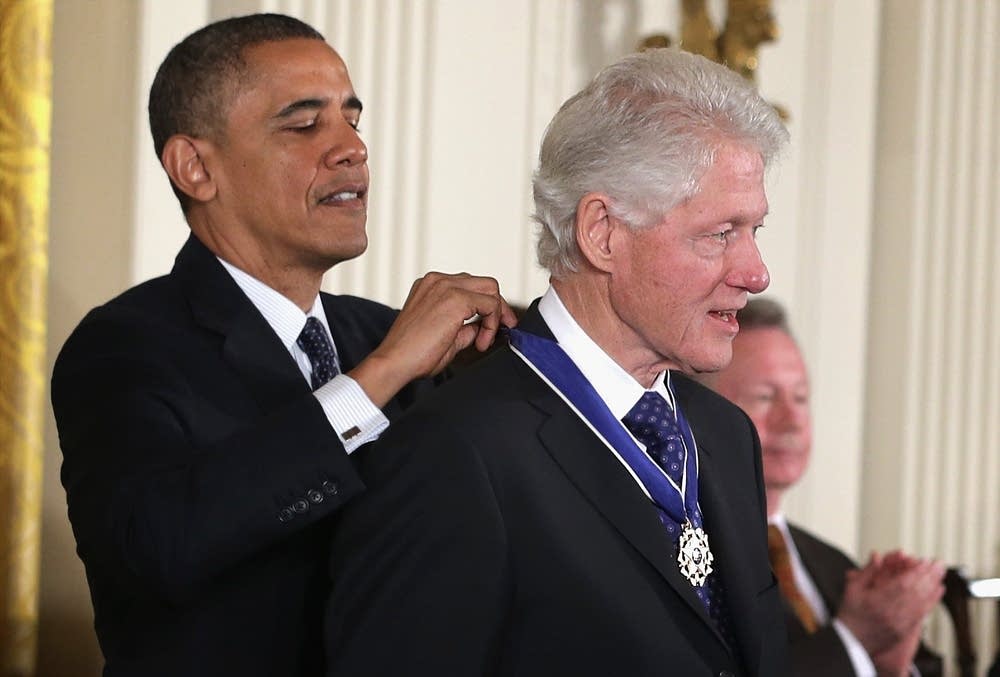
Dari Gubernur ke Panglima Tertinggi: Perjalanan Politik Bill Clinton

johnbowe.info – Bill Clinton adalah salah satu figur politik paling berpengaruh dalam sejarah Amerika Serikat. Perjalanan kariernya yang dimulai dari seorang gubernur negara bagian Arkansas hingga akhirnya menjabat sebagai Presiden AS, adalah sebuah kisah sukses yang mencerminkan tekad, kecerdasan, dan kemampuan untuk menghadapi tantangan besar. Dalam artikel ini, kita akan menelusuri langkah-langkah penting dalam perjalanan politik Bill Clinton, dari gubernur hingga menjadi panglima tertinggi negara.

Awal Mula Perjalanan Politik Clinton

Bill Clinton lahir pada 19 Agustus 1946 di Hope, Arkansas. Sejak muda, ia menunjukkan minat yang besar dalam dunia politik. Setelah menyelesaikan pendidikan di Universitas Georgetown dan kemudian di Oxford University sebagai mahasiswa Rhodes Scholar, Clinton kembali ke Arkansas untuk memulai karier politiknya.

Pada tahun 1974, Clinton memulai debut politiknya dengan mencalonkan diri sebagai Jaksa Agung Arkansas, meskipun pada akhirnya ia kalah dalam pemilihan tersebut. Namun, kegagalannya ini tidak membuatnya mundur, malah semakin memotivasi Clinton untuk terus berjuang dalam dunia politik.

Clinton Menjadi Gubernur Arkansas

Pada tahun 1978, Clinton mencalonkan diri sebagai gubernur Arkansas dan berhasil memenangkan pemilihan tersebut. Di usia yang masih muda, 32 tahun, Clinton menjadi gubernur termuda dalam sejarah negara bagian Arkansas. Selama masa jabatannya sebagai gubernur, Clinton fokus pada isu-isu pendidikan, perawatan kesehatan, dan reformasi ekonomi.

Kepemimpinan Clinton di Arkansas menunjukkan kemampuannya dalam menghadapi tantangan domestik yang kompleks. Ia memanfaatkan keahlian teknis dan inovatif untuk memodernisasi ekonomi negara bagian tersebut dan memperbaiki kualitas pendidikan. Meskipun menghadapi beberapa tantangan politik dan kontroversi, seperti kebijakan pajak yang tidak populer, Clinton tetap mempertahankan citra sebagai pemimpin yang bekerja keras untuk rakyatnya.

Meningkat ke Panggung Nasional

Pada tahun 1992, setelah beberapa kali menjabat sebagai gubernur Arkansas, Clinton memutuskan untuk mencalonkan diri sebagai Presiden Amerika Serikat. Ia mengusung slogan “It’s the economy, stupid!” yang menunjukkan fokus pada isu ekonomi yang sangat relevan dengan kondisi negara saat itu, terutama setelah resesi yang melanda Amerika Serikat di awal 1990-an.

Kampanye Clinton berhasil menarik perhatian banyak orang, terutama karena kemampuannya dalam berkomunikasi dengan rakyat biasa dan pemahaman mendalam tentang isu ekonomi. Pada 3 November 1992, Bill Clinton berhasil memenangkan pemilihan presiden melawan petahana, Presiden George H. W. Bush, dan H. Ross Perot, seorang kandidat independen.

Bill Clinton Sebagai Presiden Amerika Serikat

Bill Clinton dilantik sebagai Presiden Amerika Serikat yang ke-42 pada 20 Januari 1993. Salah satu pencapaian terbesar dari masa pemerintahannya adalah tercapainya surplus anggaran negara yang pertama kali dalam lebih dari 30 tahun. Selain itu, Clinton juga berhasil menurunkan angka pengangguran dan kemiskinan melalui kebijakan ekonomi yang progresif dan reformasi di sektor kesejahteraan sosial.

Namun, masa jabatan Clinton tidak sepenuhnya berjalan mulus. Pada tahun 1998, ia terlibat dalam skandal seks yang melibatkan Monica Lewinsky, seorang staf di Gedung Putih. Skandal ini berujung pada proses impeachment oleh Dewan Perwakilan Rakyat, meskipun akhirnya Senat membebaskannya dari tuduhan tersebut.

Legasi dan Pengaruh

Meskipun masa jabatannya diwarnai dengan beberapa kontroversi, Clinton tetap dikenal sebagai salah satu presiden yang berhasil memperbaiki ekonomi AS dan memainkan peran penting dalam perpolitikan global. Setelah meninggalkan Gedung Putih pada tahun 2001, Clinton tetap aktif di dunia politik dan filantropi melalui Clinton Foundation.

Pencapaiannya sebagai gubernur Arkansas yang berfokus pada pembaruan domestik, serta kemampuan untuk mengatasi masalah ekonomi nasional selama masa jabatannya, menjadikan Bill Clinton sebagai salah satu tokoh yang mempengaruhi arah politik Amerika Serikat. Kisah perjalanan politiknya, yang dimulai dari tingkat lokal hingga mencapai jabatan tertinggi di negara tersebut, adalah contoh bagaimana seorang pemimpin dapat mengubah tantangan menjadi kesempatan untuk menciptakan perubahan besar.

Untuk artikel lainnya tentang perjalanan politik tokoh dunia, kunjungi JohnBowe.info.

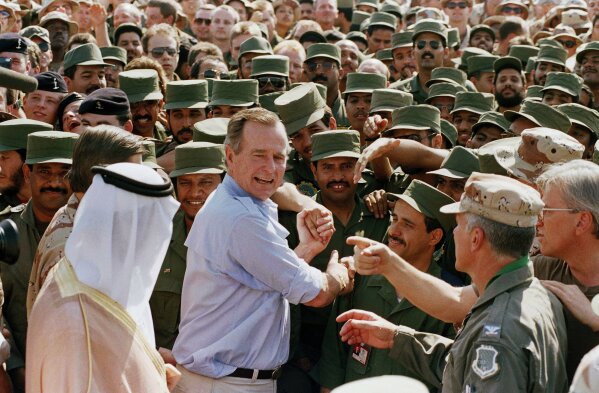
Navigasi Krisis: George H. W. Bush dan Perang Teluk

johnbowe.info – Perang Teluk 1990-1991, yang dikenal juga sebagai Perang Teluk Persia atau Operasi Badai Gurun, merupakan salah satu momen penting dalam sejarah geopolitik dunia. Di tengah ketegangan yang meningkat antara Irak dan Kuwait, Presiden Amerika Serikat, George H. W. Bush, memainkan peran kunci dalam merespons krisis ini. Melalui kombinasi diplomasi yang cermat dan penggunaan kekuatan militer, Bush menavigasi tantangan besar untuk mempertahankan stabilitas kawasan Teluk, yang penting bagi keamanan energi global dan kepentingan nasional Amerika Serikat.

Latar Belakang Krisis

Invasi Irak ke Kuwait

Pada 2 Agustus 1990, Irak, yang dipimpin oleh Presiden Saddam Hussein, menginvasi Kuwait. Invasi ini segera memicu kekhawatiran internasional, karena Kuwait adalah salah satu negara penghasil minyak terbesar di dunia. Saddam Hussein mengklaim bahwa Kuwait adalah bagian dari Irak, dan ia berusaha untuk menguasai wilayah tersebut untuk memperkuat posisinya di kawasan Teluk yang kaya akan sumber daya alam.

Respon Internasional

Serangan ini memicu reaksi cepat dari komunitas internasional. Dewan Keamanan Perserikatan Bangsa-Bangsa (PBB) segera mengeluarkan resolusi yang mengecam invasi tersebut dan memberlakukan sanksi ekonomi terhadap Irak. Amerika Serikat, yang memiliki kepentingan besar di kawasan tersebut, dengan cepat mengambil langkah-langkah untuk membentuk koalisi internasional guna menghadapi ancaman yang ditimbulkan oleh Irak.

Kepemimpinan George H. W. Bush

Menggalang Koalisi Global

Sebagai Presiden Amerika Serikat, George H. W. Bush menyadari bahwa penyelesaian krisis ini tidak hanya mengandalkan kekuatan militer, tetapi juga membutuhkan dukungan diplomatik yang luas. Salah satu prestasi terbesar Bush dalam krisis ini adalah kemampuannya untuk membentuk koalisi internasional yang solid. Aliansi ini mencakup negara-negara besar seperti Inggris, Perancis, Arab Saudi, dan negara-negara lainnya yang memiliki kepentingan untuk menghentikan ekspansi Irak di Timur Tengah.

Strategi Diplomatik

Bush memanfaatkan diplomasi untuk meyakinkan sekutu-sekutunya tentang urgensi untuk bertindak melawan Irak. Pertemuan-pertemuan PBB dan perundingan dengan negara-negara Arab, termasuk Arab Saudi dan negara-negara Teluk lainnya, memungkinkan Bush untuk membangun kesepakatan yang kuat. Ia juga berfokus pada perlunya memberi sanksi yang kuat terhadap Irak, sementara tetap menawarkan peluang untuk penyelesaian damai jika Irak mundur dari Kuwait.

Menjaga Stabilitas Ekonomi Global

Selain itu, Bush sangat memperhatikan dampak ekonomi dari krisis ini. Kekhawatiran atas pasokan minyak dari Teluk Persia yang terganggu menjadi masalah utama. Negara-negara Barat sangat bergantung pada minyak dari kawasan tersebut, dan setiap ancaman terhadap pasokan dapat memicu lonjakan harga minyak global. Oleh karena itu, salah satu prioritas utama Bush adalah memastikan akses yang stabil ke sumber daya alam yang krusial ini.

Operasi Badai Gurun: Kekuatan Militer dalam Aksi

Persiapan Militer dan Koalisi Internasional

Setelah serangkaian upaya diplomatik yang gagal untuk memaksa Irak menarik diri dari Kuwait, Bush memutuskan untuk mengerahkan pasukan militer. Amerika Serikat memimpin koalisi internasional yang terdiri dari lebih dari 30 negara, dengan Arab Saudi sebagai lokasi utama untuk pengerahan pasukan. Operasi Badai Gurun dimulai dengan serangan udara yang intens pada Januari 1991.

Kampanye Udara dan Serangan Darat

Kampanye udara yang dimulai pada 17 Januari 1991, bertujuan untuk menghancurkan infrastruktur militer Irak dan memutuskan jalur suplai pasukan. Dalam beberapa minggu, pasukan koalisi berhasil menghancurkan banyak sasaran strategis di Irak dan Kuwait. Setelah satu bulan serangan udara, koalisi melancarkan serangan darat pada 24 Februari 1991.

Serangan darat ini berlangsung cepat dan efektif. Dalam waktu kurang dari 100 jam, pasukan koalisi berhasil membebaskan Kuwait dan memukul mundur pasukan Irak, yang meskipun memiliki jumlah tentara yang jauh lebih besar, tidak mampu bertahan melawan strategi militer yang terkoordinasi dengan baik.

Dampak Perang Teluk

Kemenangan Militer dan Kembali ke Diplomasi

Kemenangan militer yang cepat di Perang Teluk memberikan kredibilitas besar bagi kepemimpinan George H. W. Bush di panggung internasional. Namun, meskipun kemenangan militer tercapai, Bush dan koalisi internasional memutuskan untuk tidak melanjutkan serangan ke Baghdad. Tujuan utama adalah membebaskan Kuwait, dan tidak ingin menggulingkan Saddam Hussein, karena itu dapat menyebabkan ketidakstabilan lebih lanjut di kawasan tersebut.

Dampak Jangka Panjang

Krisis ini menandai akhir dari dominasi Irak di kawasan Teluk dan mengubah dinamika geopolitik di Timur Tengah. Meskipun Perang Teluk memulihkan stabilitas di Kuwait, Irak tetap berada di bawah kekuasaan Saddam Hussein, yang kemudian menjadi sumber ketegangan baru. Selain itu, operasi ini menunjukkan kepada dunia kemampuan militer Amerika Serikat untuk memimpin koalisi internasional dalam menghadapi krisis global.

Namun, beberapa kebijakan yang diambil pasca-perang, seperti pembatasan zona larangan terbang di Irak dan sanksi internasional, menjadi masalah yang berkelanjutan. Perang Teluk juga menciptakan ketegangan yang mempengaruhi kebijakan luar negeri AS selama beberapa dekade setelahnya, terutama dalam konteks hubungan dengan dunia Arab dan pengelolaan konflik di kawasan.

Kesimpulan

Perang Teluk dan kepemimpinan George H. W. Bush dalam menghadapi krisis ini menunjukkan bagaimana diplomasi yang bijaksana dan kekuatan militer yang terkoordinasi dapat berperan penting dalam menanggulangi ancaman global. Dengan menggalang koalisi internasional dan menggabungkan strategi militer yang efektif, Bush berhasil mengatasi krisis besar yang tidak hanya mengancam stabilitas kawasan Teluk, tetapi juga ekonomi global. Namun, meskipun perang tersebut berakhir dengan kemenangan, dampaknya terhadap kebijakan luar negeri Amerika Serikat dan situasi geopolitik di Timur Tengah terus terasa hingga saat ini.

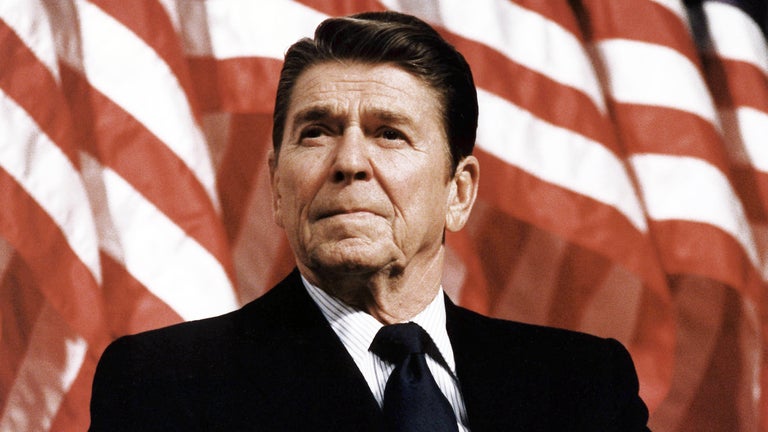
Reaganomics: Revolusi Ekonomi 1980-an yang Mengubah Dunia

johnbowe.info – Reaganomics adalah kebijakan ekonomi yang diperkenalkan oleh Presiden Ronald Reagan pada awal 1980-an. Kebijakan ini dikenal sebagai salah satu perubahan paling signifikan dalam kebijakan ekonomi Amerika Serikat dan berdampak besar terhadap ekonomi global. Artikel ini di situs johnbowe.info akan membahas dasar-dasar Reaganomics, tujuannya, serta dampaknya yang masih terasa hingga saat ini.

Latar Belakang Reaganomics

Pada akhir 1970-an, Amerika Serikat mengalami stagnasi ekonomi yang dikenal sebagai “stagflasi”—kombinasi inflasi tinggi dan pertumbuhan ekonomi yang lambat. Ini menciptakan krisis kepercayaan terhadap pemerintah dan model kebijakan ekonomi yang ada pada saat itu. Ketika Ronald Reagan terpilih sebagai presiden pada tahun 1980, ia memperkenalkan serangkaian kebijakan yang bertujuan untuk memulihkan pertumbuhan ekonomi dan mengendalikan inflasi.

Empat Pilar Utama Reaganomics

Reaganomics didasarkan pada empat pilar utama yang diyakini Reagan akan merangsang pertumbuhan ekonomi.

1. Pemotongan Pajak

Salah satu kebijakan paling terkenal dari Reagan adalah pemotongan pajak yang signifikan, terutama untuk perusahaan dan individu dengan penghasilan tinggi. Filosofinya adalah dengan mengurangi pajak, perusahaan dan individu akan memiliki lebih banyak uang untuk diinvestasikan. Dengan demikian, investasi ini diharapkan menciptakan lapangan kerja dan mendorong pertumbuhan ekonomi. Kebijakan ini dikenal sebagai “trickle-down economics.”

2. Deregulasi

Reagan percaya bahwa regulasi pemerintah yang berlebihan menghambat pertumbuhan bisnis. Pemerintahannya mengambil langkah-langkah untuk mengurangi regulasi, terutama di sektor perbankan, energi, dan transportasi. Tujuannya adalah membiarkan pasar berfungsi dengan lebih bebas, dengan keyakinan bahwa pasar yang lebih efisien akan meningkatkan inovasi dan pertumbuhan ekonomi.

3. Pengendalian Pengeluaran Pemerintah

Meski ada pemotongan pajak, Reagan berusaha untuk mengurangi pengeluaran pemerintah, terutama dalam program sosial. Namun, kebijakan ini terbentur oleh peningkatan anggaran militer yang signifikan selama masa pemerintahannya. Hal ini menyebabkan peningkatan defisit anggaran federal, meskipun upaya untuk memangkas belanja di bidang-bidang lainnya dilakukan.

4. Kebijakan Moneter Ketat

Untuk mengendalikan inflasi yang melonjak pada akhir 1970-an, Reagan bekerja sama dengan Federal Reserve dalam menerapkan kebijakan moneter ketat. Ini dilakukan dengan menaikkan suku bunga secara signifikan. Walaupun kebijakan ini awalnya memperburuk resesi pada awal masa jabatan Reagan, dalam jangka panjang hal ini membantu menurunkan inflasi dan mendorong stabilitas ekonomi.

Dampak Reaganomics terhadap Ekonomi

Pertumbuhan Ekonomi dan Lapangan Kerja

Dalam jangka pendek, Reaganomics dianggap berhasil mengurangi inflasi dan mendorong pertumbuhan ekonomi. Pada pertengahan hingga akhir 1980-an, Amerika Serikat mengalami ekspansi ekonomi yang signifikan. Tingkat pengangguran menurun, dan penciptaan lapangan kerja meningkat, yang membuat era ini terlihat sebagai masa pemulihan ekonomi besar.

Kesenjangan Pendapatan

Namun, dampak negatif dari Reaganomics tidak bisa diabaikan. Kebijakan pemotongan pajak lebih menguntungkan golongan kaya dan korporasi besar, sementara kelas pekerja dan masyarakat miskin merasakan dampak pengurangan program sosial. Hal ini menyebabkan kesenjangan pendapatan semakin melebar, yang masih menjadi masalah ekonomi Amerika Serikat hingga saat ini.

Defisit Anggaran

Salah satu kritik terbesar terhadap Reaganomics adalah lonjakan defisit anggaran federal. Meskipun ada upaya untuk memangkas pengeluaran pemerintah di beberapa sektor, anggaran militer yang besar dan pemotongan pajak menyebabkan defisit membengkak. Ini menjadi beban jangka panjang bagi ekonomi Amerika Serikat.

Warisan Reaganomics

Reaganomics meninggalkan warisan yang kompleks. Di satu sisi, ia diakui karena berhasil mengatasi inflasi dan memicu pemulihan ekonomi, tetapi di sisi lain, ia memperlebar kesenjangan sosial dan menyebabkan defisit anggaran yang besar. Hingga hari ini, kebijakan-kebijakan Reagan terus menjadi perdebatan di kalangan ekonom dan politisi, baik sebagai model keberhasilan maupun contoh kegagalan.

Artikel ini di situs johnbowe.info menjelaskan bagaimana Reaganomics, meski kontroversial, telah membentuk ekonomi modern Amerika Serikat dan dunia secara keseluruhan.

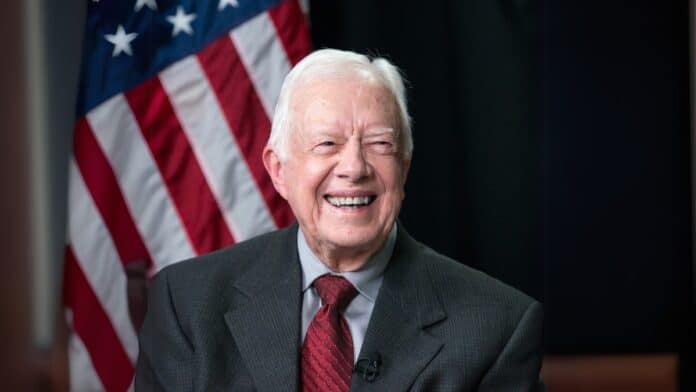
Warisan Jimmy Carter: Kehidupan Pengabdian dan Kemanusiaan

Jimmy Carter, mantan Presiden Amerika Serikat yang ke-39, adalah seorang tokoh yang dikenang bukan hanya karena masa kepresidenannya, tetapi juga karena kontribusinya yang luar biasa terhadap kemanusiaan dan pengabdian kepada negara dan dunia. Sejak meninggalkan jabatannya sebagai Presiden, Carter telah mengabdikan sebagian besar hidupnya untuk menciptakan perubahan positif di seluruh dunia, membuktikan bahwa pengabdian seorang pemimpin tidak terbatas pada masa jabatan politik.

Kepemimpinan di Masa Jabatan Presiden

Jimmy Carter menjabat sebagai Presiden Amerika Serikat pada periode 1977 hingga 1981. Selama masa kepemimpinannya, Carter memperkenalkan sejumlah kebijakan yang berfokus pada perdamaian internasional dan hak asasi manusia. Salah satu pencapaian terbesar yang diingat oleh dunia adalah perjanjian damai antara Mesir dan Israel yang dikenal sebagai Perjanjian Camp David pada tahun 1978. Perjanjian ini menjadi tonggak penting dalam diplomasi internasional dan membantu mengakhiri konflik yang sudah berlangsung lama di Timur Tengah.

Namun, kepresidenannya juga penuh dengan tantangan, termasuk krisis sandera di Iran dan masalah ekonomi dalam negeri. Meskipun masa jabatannya penuh dengan kesulitan, banyak yang menganggap bahwa Carter selalu menempatkan kemanusiaan dan perdamaian di atas segalanya.

Pengabdian Setelah Masa Jabatan Presiden

Setelah meninggalkan Gedung Putih, Jimmy Carter tidak pensiun dari aktivitas sosial dan kemanusiaan. Ia dan istrinya, Rosalynn, mendirikan The Carter Center pada tahun 1982, yang fokus pada memperbaiki kesehatan global, mempromosikan hak asasi manusia, dan memperjuangkan demokrasi. Carter, bersama dengan tim dari Carter Center, telah bekerja di banyak negara untuk mengatasi penyakit yang dapat dicegah, seperti malaria dan trypanosomiasis, serta memfasilitasi pemilihan yang bebas dan adil di negara-negara berkembang.

Salah satu pencapaian paling signifikan Carter adalah kontribusinya dalam pemberantasan penyakit Guinea worm, yang hampir berhasil diberantas di seluruh dunia. Melalui upaya-upaya ini, Carter membuktikan bahwa seorang pemimpin dapat terus memberikan dampak positif meskipun tidak lagi memegang kekuasaan politik.

Carter sebagai Model Pemimpin yang Peduli

Jimmy Carter selalu menekankan pentingnya pelayanan kepada sesama, dan hal ini tercermin dalam setiap langkah hidupnya. Bahkan di usia yang sudah lanjut, Carter terus aktif dalam misi-misi kemanusiaan. Ia juga dikenal karena kesederhanaan hidupnya, seringkali menghindari kemewahan yang biasa dinikmati oleh tokoh-tokoh politik lainnya. Carter menganggap bahwa pelayanan kepada orang lain adalah tujuan utama hidupnya, dan ia tidak pernah berhenti untuk mewujudkan visi tersebut.

Lebih dari sekadar seorang pemimpin politik, Carter adalah contoh nyata dari seorang pria yang menempatkan kebaikan umat manusia sebagai prioritas utama. Dengan kontribusinya yang luar biasa terhadap dunia, ia menjadi simbol bahwa kepemimpinan yang baik tidak hanya dilihat dari pencapaian politik, tetapi dari dampak positif yang dapat diberikan kepada orang banyak.

Menginspirasi Generasi Mendatang

Warisan Jimmy Carter, yang terus bertumbuh dan berkembang hingga saat ini, menginspirasi banyak orang untuk tidak hanya terlibat dalam politik, tetapi juga dalam pelayanan sosial yang lebih luas. Tidak jarang, banyak individu yang terinspirasi untuk mengikuti jejak Carter dalam berjuang untuk hak asasi manusia, perdamaian, dan keadilan sosial. Semua tindakan ini menunjukkan bahwa layanan kepada orang lain adalah jalan menuju kemanusiaan yang lebih baik.

Sebagai penulis yang menyaksikan perjalanan hidup Carter, saya merasa sangat terinspirasi oleh dedikasi dan integritasnya. Kisah hidupnya memberikan pelajaran penting tentang nilai pengabdian yang tanpa pamrih. Di johnbowe.info, kami percaya bahwa kisah-kisah seperti ini harus dibagikan untuk memperkuat semangat pelayanan di dunia ini.

Kesimpulan

Kehidupan dan warisan Jimmy Carter adalah contoh yang tak lekang oleh waktu tentang bagaimana seorang individu dapat memengaruhi dunia dengan penuh kasih sayang dan integritas. Meskipun telah meninggalkan jabatan politik, pengaruhnya tetap terasa dalam setiap langkah yang diambilnya demi kebaikan umat manusia. Sebagai seorang mantan presiden dan seorang pejuang hak asasi manusia, Carter telah menunjukkan bahwa kehidupan yang penuh pengabdian dan kemanusiaan adalah warisan terbesar yang bisa ditinggalkan seorang pemimpin.

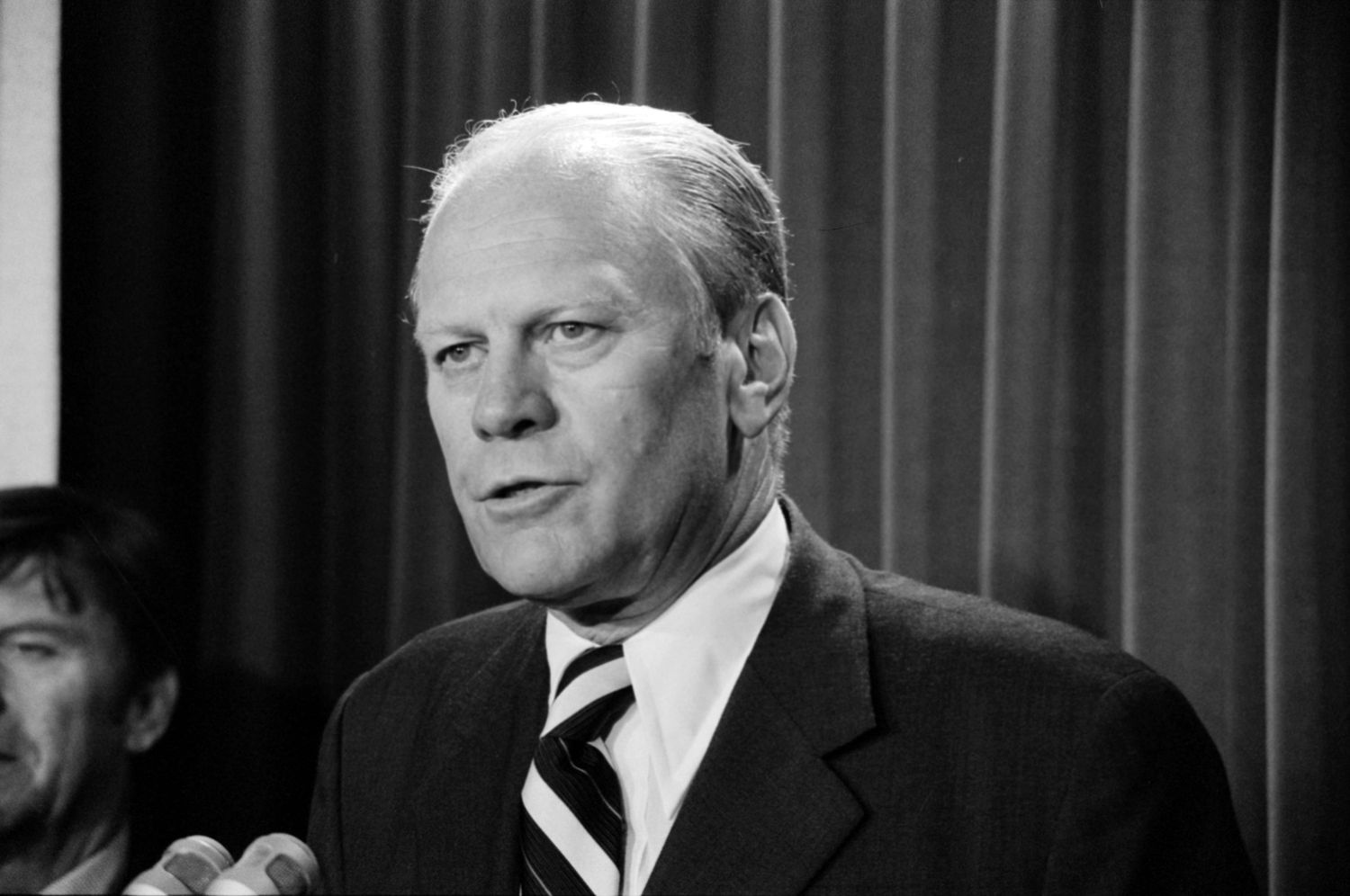
Gerald Ford: Warisan Integritas dan Penyembuhan Negara

Gerald Ford adalah salah satu presiden yang paling dihormati dalam sejarah Amerika Serikat. Dikenal karena keputusannya yang berani dan sikap integritasnya, Ford memainkan peran kunci dalam membawa negara tersebut menuju pemulihan setelah masa krisis besar. Artikel ini akan mengeksplorasi warisan Ford sebagai pemimpin yang mengutamakan integritas dan penyembuhan, serta bagaimana pendekatannya telah membentuk Amerika Serikat yang kita kenal saat ini.

Masa Jabatan yang Tidak Terduga

Gerald Ford menjadi Presiden Amerika Serikat pada tahun 1974, setelah pengunduran diri Richard Nixon yang disebabkan oleh skandal Watergate. Pada saat itu, negara berada dalam keadaan ketidakpastian dan ketegangan politik yang mendalam. Masyarakat Amerika merasa terpecah, dan kepercayaan terhadap pemerintah berada pada titik terendah. Dalam situasi ini, Ford muncul sebagai pemimpin yang tak terduga namun sangat diperlukan.

Ford tidak memiliki ambisi politik yang besar ketika ia dilantik menjadi Wakil Presiden pada 1973. Namun, setelah skandal Watergate, ia diangkat sebagai pengganti Nixon, yang membuatnya menjadi presiden ke-38 Amerika Serikat. Langkah ini, meskipun tak terencana, membawa Ford pada tantangan besar yang membutuhkan pemulihan bagi bangsa yang terguncang.

Keputusan Kontroversial: Pengampunan untuk Nixon

Salah satu keputusan paling kontroversial dalam kepresidenan Gerald Ford adalah pengampunan penuh yang diberikan kepada Richard Nixon atas segala tindakan yang terkait dengan skandal Watergate. Banyak yang mengkritik langkah ini, merasa bahwa tindakan Nixon harus dipertanggungjawabkan di depan hukum. Namun, Ford melihat pengampunan ini sebagai langkah penting untuk menghentikan perpecahan politik yang lebih dalam dan untuk memberikan kesempatan bagi negara untuk melangkah maju.

Dalam pidato pengampunannya, Ford menjelaskan bahwa negara membutuhkan “penyembuhan nasional.” Ia berargumen bahwa proses peradilan yang panjang dan penuh konflik hanya akan memperburuk ketegangan di Amerika Serikat. Pengampunan yang diberikan Ford, meskipun kontroversial, mencerminkan komitmennya untuk membawa perdamaian dan kestabilan pada masa yang penuh gejolak.

Meninggalkan Warisan Integritas

Walaupun menghadapi banyak kritik, keputusan Ford untuk mengampuni Nixon menunjukkan integritasnya sebagai pemimpin. Ia tidak tergoda oleh ambisi pribadi atau politis, melainkan berfokus pada apa yang dianggapnya terbaik untuk negara pada saat itu. Ford lebih memilih untuk menjalankan tugasnya dengan rasa tanggung jawab yang mendalam, berusaha untuk mengembalikan kepercayaan rakyat kepada pemerintahan setelah skandal yang mengguncang.

Selain itu, Ford juga dikenal dengan kesederhanaan dan integritas pribadinya. Ia tidak pernah terlibat dalam skandal besar atau kontroversi yang merusak citra pemerintahannya. Selama masa jabatan singkatnya, Ford bekerja keras untuk menjaga kredibilitas dan stabilitas politik Amerika Serikat.

Penyembuhan Pasca-Krisis

Ford juga memainkan peran penting dalam memulihkan Amerika Serikat dari dampak krisis ekonomi yang terjadi pada masa pemerintahannya. Ia mengadopsi kebijakan ekonomi yang pragmatis dan fokus pada pemulihan, meskipun beberapa kebijakan tersebut tidak selalu populer.

Keberhasilan Ford dalam menavigasi masa-masa sulit ini membuatnya dihormati oleh banyak orang. Ia tidak hanya dikenal sebagai seorang presiden yang berani, tetapi juga sebagai pemimpin yang mampu membawa bangsa ini menuju masa depan yang lebih baik.

Kesimpulan: Warisan yang Tak Terlupakan

Gerald Ford mungkin tidak selalu mendapatkan perhatian yang layak, namun warisannya sebagai presiden yang menekankan integritas dan penyembuhan negara tidak bisa diabaikan. Ia mengajarkan kita tentang pentingnya memilih kebijaksanaan di atas politik dan tentang bagaimana suatu bangsa dapat sembuh dari luka-luka masa lalu. Di saat-saat yang penuh tantangan, Ford tetap menjadi sosok pemimpin yang mengutamakan kebaikan bersama, dan bagi banyak orang, itulah warisan yang paling berarti.

Tulisan ini dipublikasikan di johnbowe.info, tempat di mana kita merenungkan sejarah dan pentingnya pemimpin yang mengedepankan integritas demi kebaikan bersama.

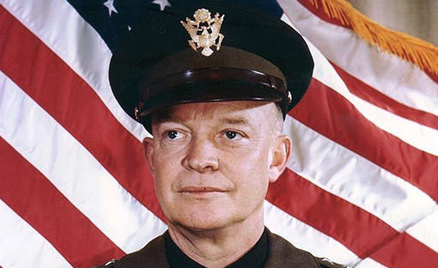
Dwight D. Eisenhower: The Soldier-Turned-President

johnbowe.info – When you think of Dwight D. Eisenhower, a few things probably come to mind: World War II hero, supreme commander of Allied forces, and the 34th President of the United States. But what you might not immediately realize is how much his military background influenced his leadership style and his time in office. Eisenhower was no ordinary politician. His journey from soldier to president is a fascinating one, marked by strategic brilliance and a calm demeanor that earned him respect both on the battlefield and in the political arena.

The Early Years: A Soldier’s Path

Born in 1890 in Denison, Texas, Dwight David Eisenhower grew up in a family of modest means. He attended the United States Military Academy at West Point, where he began his long journey in the army. Despite his initial struggle with academics, Eisenhower thrived in the military environment, showing a knack for leadership and strategy that would serve him well in later years.

Before rising to fame during WWII, Eisenhower’s military career involved a variety of roles. He served in various locations, including Panama and the Philippines, and worked under notable commanders. By the time World War II began, Eisenhower had gained the experience and respect necessary to take on more significant roles. His biggest opportunity came when he was appointed Supreme Commander of the Allied Expeditionary Force in Europe in 1943. This position put him in charge of planning and overseeing the D-Day invasion, a pivotal moment in the war.

Eisenhower’s Military Genius: The D-Day Invasion and Beyond

When you think about military strategy during WWII, D-Day is undoubtedly one of the first operations to come to mind. On June 6, 1944, the Allies launched the largest amphibious invasion in history on the beaches of Normandy, France. This was Eisenhower’s moment to shine. As the Supreme Commander, he orchestrated the logistics, coordinated with multiple countries, and made quick, calculated decisions in the face of uncertainty. The success of D-Day was a turning point in the war, and Eisenhower became a national hero.

But Eisenhower wasn’t just good at winning battles. His understanding of people—his ability to work with different national leaders, generals, and advisors—was key to his success. He knew that the war wasn’t just about military might; it was about cooperation and diplomacy, something he would carry with him into the political arena.

From Soldier to President: The Transition to Politics

After WWII ended, Eisenhower’s popularity skyrocketed. His reputation as a strategic genius and calm leader made him an attractive figure for the Republican Party. In 1952, Eisenhower made the leap from military service to politics and ran for president. His slogan, “I like Ike,” became a rallying cry, and his military background was a central part of his appeal.

Once in office, Eisenhower used the same strategic thinking that had won him battles to navigate the complex world of politics. He handled the Cold War with a steady hand, working to prevent the spread of communism while avoiding direct conflict with the Soviet Union. His foreign policy approach was based on deterrence—keeping the peace by showing strength, but not necessarily engaging in military action unless absolutely necessary.

Eisenhower’s Domestic Achievements

At home, Eisenhower’s administration focused on building infrastructure, like the creation of the interstate highway system, and maintaining a strong economy. He was known for his calm demeanor and pragmatic approach to decision-making, a quality that seemed to come naturally from his time as a military leader.

A Legacy of Leadership

Dwight D. Eisenhower’s presidency marked a time of relative peace and prosperity in the United States, but his legacy goes beyond his domestic achievements. He left behind a blueprint for leadership—one that combined military precision with diplomatic sensitivity. His ability to remain composed under pressure, whether on the battlefield or in the Oval Office, made him one of the most respected leaders in American history.

At johnbowe.info, we look at figures like Eisenhower not only as historical icons but also as models of leadership. His ability to adapt, whether from a military role to the presidency or from the battlefields of Europe to the political stage in Washington, D.C., is something that continues to inspire leaders today.

In a world that is constantly changing, Dwight D. Eisenhower’s story reminds us that the skills we develop in one area of life—be it the military, business, or politics—can be transferable. The lessons of leadership, strategy, and diplomacy are timeless, and Eisenhower’s example is a powerful one to follow.

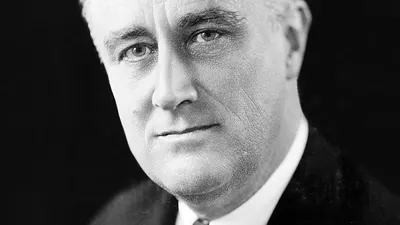
Franklin D. Roosevelt: Architect of the New Deal

johnbowe.info – Franklin Delano Roosevelt (FDR), the 32nd President of the United States, is one of the most iconic figures in American history. His presidency was marked by monumental challenges: the Great Depression and World War II. Roosevelt’s policies and vision not only saved the U.S. economy from collapse but also fundamentally reshaped the role of government in American life. At the center of his presidency was the New Deal, a series of programs, reforms, and laws that aimed to provide relief, recovery, and reform to a nation in crisis. This article explores the life and legacy of Franklin D. Roosevelt, focusing on his role as the architect of the New Deal, and how his leadership transformed the country during one of its darkest hours.

Early Life and Political Ascent

A Wealthy Upbringing

Franklin D. Roosevelt was born into a life of privilege on January 30, 1882, in Hyde Park, New York. He was the only child of James Roosevelt and Sara Delano Roosevelt, both of whom came from prominent, wealthy families. This affluence afforded Roosevelt access to the best educational opportunities. He attended the prestigious Groton School before going on to Harvard University, where he was groomed for public service. After earning his degree, he studied law at Columbia University, but left before completing his degree, choosing instead to practice law.

Entry into Politics

Roosevelt’s entry into politics came in 1910 when he was elected to the New York State Senate as a Democrat. His political career quickly progressed, and in 1913, he was appointed Assistant Secretary of the Navy under President Woodrow Wilson, a position he held until 1920. His leadership during World War I helped him build a reputation as a skilled administrator and leader.

Despite contracting polio in 1921, which left him paralyzed from the waist down, Roosevelt refused to let his illness end his political ambitions. In 1928, he was elected Governor of New York, where he began experimenting with progressive policies aimed at addressing the economic troubles of the time. His success as governor would serve as a launching pad for his eventual bid for the presidency.

The Great Depression and the 1932 Presidential Election

America in Crisis

By the time Roosevelt ran for president in 1932, the United States was in the depths of the Great Depression. The stock market crash of 1929 had led to widespread economic collapse. Banks had failed, businesses were closing, and unemployment had skyrocketed to nearly 25%. Millions of Americans were struggling to survive, with many losing their homes and livelihoods. The incumbent president, Herbert Hoover, had failed to address the crisis effectively, and public discontent was high.

Roosevelt’s Campaign for Change

Roosevelt ran a campaign of optimism and hope, promising a “New Deal for the American people.” He argued for bold, decisive action to address the economic woes of the country. His message resonated with voters, and in November 1932, Roosevelt won a landslide victory, carrying 42 of the 48 states. His inauguration in March 1933 marked the beginning of a transformative era in American government and society.

The New Deal: A Bold Response to the Depression

First 100 Days: The Foundation of the New Deal

Upon taking office, Roosevelt wasted no time in addressing the nation’s economic crisis. During his first 100 days in office, FDR and Congress passed an unprecedented number of laws aimed at stabilizing the economy and providing immediate relief to those suffering. This period set the tone for what would become the New Deal.

Banking Reform and the Emergency Banking Act

One of FDR’s first acts as president was to address the banking crisis. The banking system was on the verge of collapse, with many Americans losing faith in the financial system. Roosevelt declared a “bank holiday,” temporarily closing all banks while Congress worked on reforms. The Emergency Banking Act, passed just days later, gave the federal government greater control over the banking system and provided a framework for restoring public confidence. When banks reopened, deposits surged, signaling a critical first victory for the New Deal.

The Civilian Conservation Corps (CCC) and Public Works Administration (PWA)

To combat rising unemployment, Roosevelt introduced several public works programs. The Civilian Conservation Corps (CCC) was one of the first and most popular programs, employing young men in conservation and reforestation projects across the country. The Public Works Administration (PWA), established later, focused on large-scale infrastructure projects like roads, bridges, and public buildings. These programs not only put Americans back to work but also helped modernize the nation’s infrastructure.

The Second New Deal: Deepening Reform

By 1935, Roosevelt and his administration shifted toward more profound reforms aimed at addressing the structural problems of the economy. The Second New Deal focused on improving labor rights, social security, and economic equality.

The Social Security Act

Perhaps the most lasting legacy of the New Deal was the creation of the Social Security system. The Social Security Act of 1935 established unemployment insurance, old-age pensions, and aid for the disabled and needy children. For the first time, the federal government took responsibility for the welfare of its citizens, marking a significant shift in the relationship between the government and the American people.

Labor Reforms and the Wagner Act

Labor unions had long struggled for recognition and better working conditions, but during the Depression, workers were particularly vulnerable to exploitation. The Wagner Act, passed in 1935, gave workers the right to form unions and engage in collective bargaining. This act led to a significant rise in union membership and improved working conditions for millions of Americans.

Opposition and Criticism of the New Deal

While the New Deal was popular with many Americans, it faced opposition from various quarters. Conservative critics argued that Roosevelt’s policies expanded the federal government too much, threatening individual liberty and free enterprise. Some on the left, including figures like Huey Long, argued that the New Deal did not go far enough in redistributing wealth and addressing economic inequality.

The Supreme Court also posed challenges to the New Deal. In several landmark cases, the court struck down key New Deal programs, including the National Recovery Administration (NRA) and the Agricultural Adjustment Act (AAA), as unconstitutional. In response, Roosevelt attempted to “pack” the Supreme Court by adding more justices who would be sympathetic to his policies. This effort, however, was met with fierce opposition and ultimately failed, though the court later became more accommodating to New Deal legislation.

Roosevelt’s Legacy and the New Deal’s Lasting Impact

Economic Recovery and WWII

While the New Deal did not fully end the Great Depression, it did bring significant improvements to the economy and restored hope to millions of Americans. It wasn’t until World War II that the U.S. economy fully recovered, driven by massive war production and the mobilization of millions of workers.

However, the New Deal laid the foundation for the modern welfare state and reshaped the role of the federal government in American life. Programs like Social Security, unemployment insurance, and labor protections became permanent fixtures of American society, and the federal government assumed a much more active role in regulating the economy and providing for the welfare of its citizens.

Roosevelt’s Leadership and Vision

Roosevelt’s leadership during the New Deal era has been praised for its boldness and creativity. He was willing to experiment with new ideas and policies, often saying, “Do something. If it works, do more of it. If it doesn’t, do something else.” This pragmatism helped Roosevelt navigate the immense challenges of his presidency and maintain public support even in the face of setbacks.

FDR’s personal resilience, demonstrated by his ability to overcome the physical limitations of polio, also inspired millions of Americans who were struggling during the Depression. His fireside chats—radio broadcasts in which he spoke directly to the American people—helped him forge a personal connection with the public and provided reassurance during times of uncertainty.

Conclusion

Franklin D. Roosevelt’s New Deal fundamentally altered the landscape of American government and society. By expanding the role of the federal government, creating social safety nets, and implementing reforms that sought to stabilize and recover the U.S. economy, Roosevelt’s leadership helped pull the nation out of its darkest economic crisis. While the New Deal had its critics, its legacy endures in the institutions it created and the new expectations it set for government responsibility in the lives of American citizens. Roosevelt’s vision, innovation, and tenacity as the architect of the New Deal earned him a place as one of the most transformative and celebrated leaders in American history.

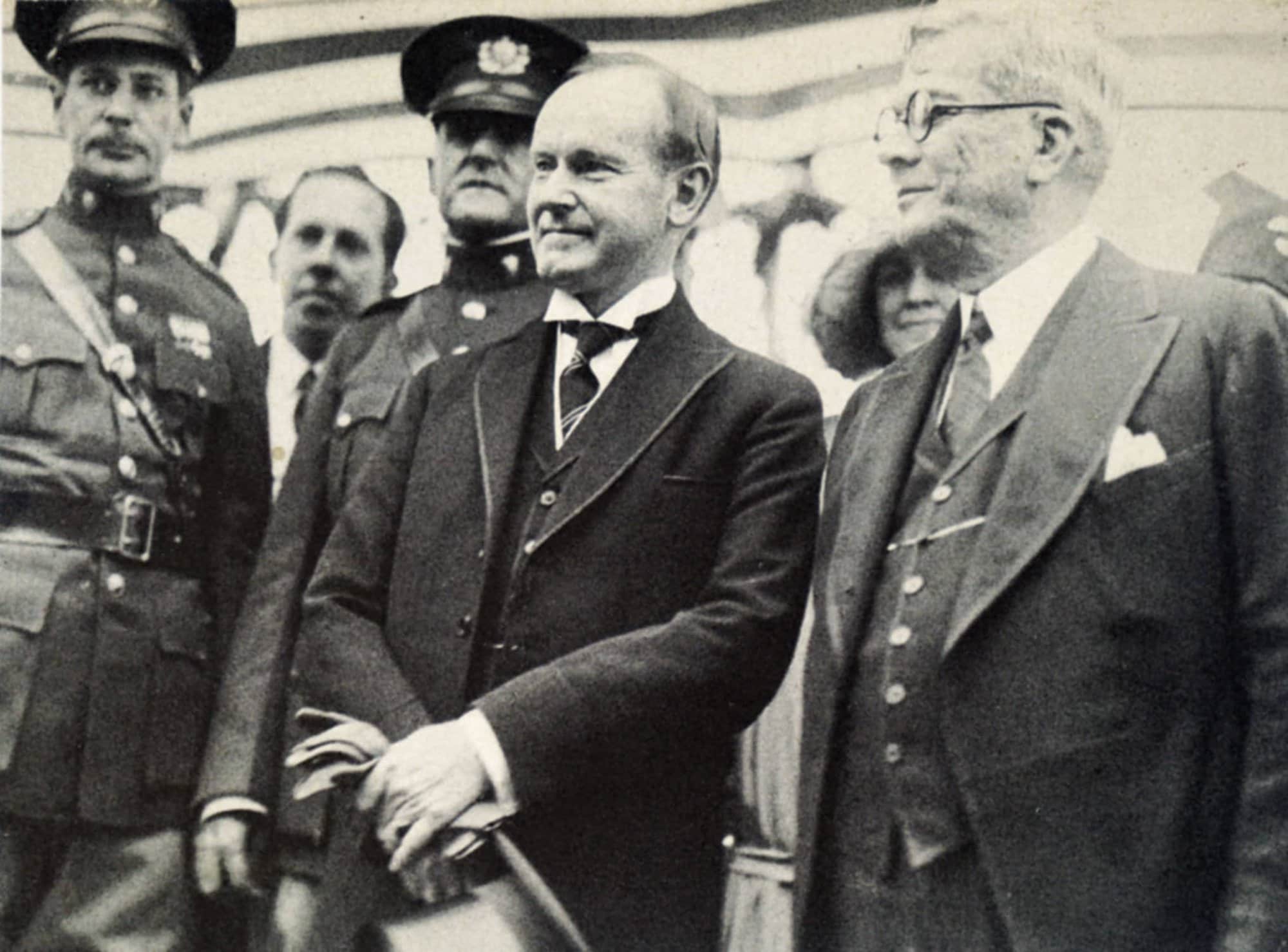
Calvin Coolidge’s Role in Shaping the Republican Party

johnbowe.info – Calvin Coolidge, the 30th President of the United States, was a political figure whose leadership left a lasting imprint on the Republican Party and American political thought. Coolidge’s presidency, from 1923 to 1929, marked a defining moment for the Republican Party as it navigated a time of great economic prosperity, societal change, and shifting political landscapes. While Coolidge’s personal demeanor was often characterized by restraint and quiet leadership, his policies, political philosophy, and commitment to conservative principles played a pivotal role in shaping the Republican Party of the 20th century. His vision of limited government, fiscal conservatism, and pro-business policies became the foundation for much of the party’s ideology and continued to influence its direction for decades to come.

This article will explore Calvin Coolidge’s critical role in shaping the Republican Party during the early 20th century, how his leadership and principles helped define the party’s platform, and how his legacy continues to resonate within the Republican Party today.

The Republican Party in the Early 20th Century

Before examining Coolidge’s impact on the Republican Party, it’s important to understand the political context of the time. The early 20th century was a period of profound transformation in American politics, economy, and society. The Republican Party had traditionally been the party of business, industry, and economic growth, and its principles of free-market capitalism, individual responsibility, and limited government had shaped much of its identity. However, the early decades of the 20th century saw shifts in the political landscape, particularly as the Progressive Era, led by figures like Theodore Roosevelt, redefined the role of government in American life.

The Progressive movement, which sought to address issues like monopolies, corruption, and social injustices, had a significant influence on the Republican Party, especially under President Theodore Roosevelt. Roosevelt’s “Square Deal” policies promoted government regulation to protect workers, consumers, and the environment. Though Roosevelt was a Republican, his progressive policies often put him at odds with more traditional, laissez-faire conservatives within the party.

When President William Howard Taft succeeded Roosevelt in 1909, the Republican Party became deeply divided between those who favored progressive reforms and those who adhered to a more conservative, hands-off approach to government. This division culminated in the 1912 presidential election, which saw Roosevelt run as a third-party candidate under the Progressive Party, splitting the Republican vote and leading to the election of Democrat Woodrow Wilson.

After the tumultuous political upheavals of the early 20th century, the Republican Party needed to rebuild its identity and regain the trust of the American people. This is where Calvin Coolidge’s leadership would play a crucial role.

Coolidge’s Rise to Power and His Influence on the Republican Party

Coolidge’s political rise was not one marked by flamboyant speeches or radical reforms but by a steady and disciplined commitment to conservative principles. Coolidge, who served as the governor of Massachusetts, gained national prominence for his handling of the Boston Police Strike of 1919. In a time of labor unrest, Coolidge’s firm stance in supporting law and order—he famously declared, “There is no right to strike against the public safety by anybody, anywhere, anytime”—made him a hero to conservatives and business leaders alike. His handling of the strike demonstrated his commitment to law, order, and the primacy of business interests over the demands of labor unions, aligning him closely with the conservative wing of the Republican Party.

When Warren G. Harding became president in 1921, Coolidge was selected as his running mate and became vice president. After Harding’s death in 1923, Coolidge ascended to the presidency. His calm demeanor and steadfast commitment to conservative principles provided a stabilizing force for the Republican Party, which was still recovering from the divisions caused by the Progressive movement and the election of 1912.

Coolidge’s presidency marked the beginning of a new phase for the Republican Party—a return to its roots in fiscal conservatism, limited government, and pro-business policies. His leadership helped to solidify the Republican Party as the party of business and economic growth, a reputation that would define the party for much of the 20th century.

The Conservative Revival: Coolidge’s Impact on the Republican Platform

Coolidge’s policies were instrumental in defining the Republican platform during his time in office and setting the stage for the party’s direction in the years to come. As president, Coolidge emphasized fiscal responsibility, low taxes, and minimal government intervention in the economy—principles that would become central to the Republican Party’s identity for much of the 20th century.

Fiscal Conservatism and Limited Government

One of Coolidge’s most significant contributions to the Republican Party was his commitment to fiscal conservatism. Coolidge strongly believed that government spending should be kept to a minimum, and that the government should not interfere with the natural workings of the free market. Under his leadership, the federal government reduced its budget by nearly 50%, cutting taxes and reducing the national debt. He believed that by lowering taxes, individuals and businesses would have more freedom to invest and create wealth, which would, in turn, benefit the entire country.

Coolidge’s commitment to limited government and fiscal discipline resonated with many Republicans who felt that the government had grown too large and too involved in the lives of its citizens. His approach to economic policy emphasized a hands-off government that allowed businesses and individuals to flourish. This view became a defining characteristic of the Republican Party, influencing conservative politicians for decades to come.

Pro-Business Policies and Economic Growth

Another key aspect of Coolidge’s legacy was his staunch pro-business stance. He believed that the role of government was to create a stable economic environment where businesses could thrive without excessive regulation or interference. Coolidge’s administration worked to reduce government regulations on businesses, which he believed stifled growth and innovation. He also championed policies that favored economic expansion, such as tax cuts for corporations and individuals, and the protection of private property rights.

Under Coolidge’s leadership, the U.S. economy experienced rapid growth, with the country enjoying one of the most prosperous periods in its history—the “Roaring Twenties.” The stock market boomed, unemployment remained low, and consumer goods became more affordable and accessible. Coolidge’s policies created a climate of economic optimism, and the Republican Party became firmly associated with business interests and economic success.

Protectionism and the Republican Commitment to American Interests

During Coolidge’s presidency, the Republican Party also took a more protectionist stance on trade. While Coolidge was a supporter of free markets, he also recognized the importance of protecting American industries from foreign competition. In 1922, Coolidge signed the Fordney-McCumber Tariff, which raised tariffs on imported goods to protect American businesses. This policy was in line with the Republican Party’s long-standing commitment to protecting American industries and ensuring that American workers had the opportunity to compete on a level playing field.

The protectionist policies enacted under Coolidge were part of a broader effort to strengthen American business interests and create an economic environment that favored domestic growth. These policies reflected the Republican Party’s vision of a strong, self-reliant economy that was not overly dependent on foreign trade or investment.

Coolidge’s Influence on Republican Foreign Policy

Coolidge’s impact on the Republican Party was not limited to domestic economic policies; he also shaped the party’s approach to foreign policy. While Coolidge was not as involved in international affairs as some of his predecessors, he adhered to a pragmatic approach that prioritized peace, stability, and American interests.

Coolidge’s foreign policy was marked by a commitment to peace and non-intervention. He advocated for disarmament and signed the Kellogg-Briand Pact in 1928, a treaty that renounced war as a means of resolving international disputes. Coolidge’s belief in the value of diplomacy over military conflict reflected the Republican Party’s desire to maintain American independence and avoid entangling the United States in foreign conflicts.

However, Coolidge also recognized the importance of maintaining strong economic ties with other countries. He pursued policies that sought to promote American economic interests abroad, while also ensuring that the United States remained a dominant economic power on the world stage.

Coolidge’s Legacy and Its Impact on the Republican Party

Calvin Coolidge’s presidency and political philosophy left an indelible mark on the Republican Party, influencing its ideology and direction for many years. Coolidge’s commitment to fiscal conservatism, limited government, and pro-business policies became a cornerstone of the Republican Party’s platform in the 20th century. His leadership helped to solidify the party’s position as the party of business, economic growth, and individual responsibility.

In the years following Coolidge’s presidency, many Republican leaders continued to embrace the principles he championed. Figures like Dwight D. Eisenhower, Ronald Reagan, and others who sought to promote limited government and free-market principles found inspiration in Coolidge’s example. His belief in the power of individuals and businesses, and his commitment to reducing the role of government, continued to shape the party’s ideology for decades.

Coolidge’s influence on the Republican Party was particularly evident during times of economic hardship, such as the Great Depression and the financial crises of the 1970s. Conservative politicians turned to Coolidge’s example to argue for tax cuts, government spending reductions, and a return to fiscal responsibility as solutions to economic challenges.

Conclusion

Calvin Coolidge’s role in shaping the Republican Party of the 20th century cannot be overstated. His commitment to fiscal conservatism, limited government, and pro-business policies laid the groundwork for the party’s ideological direction for decades. Coolidge’s presidency marked the beginning of a new phase for the Republican Party, as it returned to its traditional values of economic growth, individual responsibility, and minimal government intervention.

Through his quiet but resolute leadership, Coolidge helped to redefine the Republican Party as the party of business, prosperity, and limited government, leaving a legacy that continues to influence American politics today.

Woodrow Wilson: Progressive Reformer or Conservative Leader?

johnbowe.info – Woodrow Wilson, the 28th president of the United States, is often celebrated as one of the most transformative figures in American history. His two terms in office, from 1913 to 1921, spanned a period of dramatic social, political, and economic change in the United States and the world. Wilson is generally remembered as a progressive president who sought to reshape American society with an array of reform policies and a vision for a new world order. Yet, his legacy is far from straightforward. Critics argue that Wilson’s domestic reforms often had limitations and that his leadership in foreign affairs revealed a more conservative, cautious side that conflicted with his idealistic domestic agenda.

This article seeks to explore the dual nature of Wilson’s political identity, weighing whether he should be considered a progressive reformer or a conservative leader. It examines his domestic policies, his views on governance, and his actions both in domestic politics and foreign diplomacy to uncover the complexities of his political philosophy and leadership style.

Early Political Career: Foundations of Wilson’s Ideals

Wilson’s Intellectual and Academic Background

Woodrow Wilson’s journey to the presidency was unique in that he was one of the few U.S. presidents who came from an academic background. A political scientist and historian, Wilson had spent much of his early career teaching at Princeton University and writing about government and political theory. This intellectual foundation would later shape his understanding of governance and inform his approach to both domestic and foreign policy.

As a scholar, Wilson was deeply influenced by the ideas of progressivism, which emerged in the late 19th and early 20th centuries as a response to the growing industrialization of the U.S. and the social inequalities that accompanied it. Progressivism called for government intervention to address economic inequalities, protect workers’ rights, and regulate the excesses of big business. Wilson’s early writings, particularly his work on The State: Elements of Historical and Practical Politics, reflected his interest in the evolving role of the state and its potential to act in the service of the public good.

Political Transition: From Governor of New Jersey to the White House

Wilson’s political career began in earnest when he became governor of New Jersey in 1911. As governor, Wilson quickly became known for his progressive reforms. His platform focused on breaking up monopolistic corporate power, regulating industries, and improving conditions for workers. In many ways, Wilson’s tenure as governor laid the groundwork for his presidential campaign in 1912, in which he presented himself as the candidate who would push for progressive reforms and challenge the entrenched corporate interests of the country.

Wilson’s success as governor and his progressive agenda resonated with voters, and in 1912, he won the presidency as the Democratic candidate. He defeated incumbent William Howard Taft, a Republican, and former president Theodore Roosevelt, who ran on the Progressive Party ticket. Wilson’s victory was seen as a triumph of the progressive movement, and his presidency was eagerly anticipated as a moment for profound reform.

Wilson’s Domestic Policies: A Progressive Agenda with Limits

The New Freedom: Wilson’s Vision for Economic Reform

Upon taking office in 1913, Wilson embarked on a legislative agenda that he called “The New Freedom”. This program was designed to tackle the concentration of power in both big business and government, with the ultimate goal of promoting individual liberty and opportunity. The New Freedom aimed to break up monopolies, reduce tariffs, and improve the functioning of government through regulatory measures.

Key aspects of the New Freedom included:

  1. Tariff Reform: One of Wilson’s first acts as president was to reduce the tariff rates through the Underwood Tariff Act of 1913. The reduced tariffs were designed to lower consumer prices and promote free trade by reducing protectionist policies that benefitted large corporations. This act was a significant achievement for Wilson, as it fulfilled his campaign promise to make the economy more open and competitive.

  2. Banking Reform: Wilson’s Federal Reserve Act of 1913 established the Federal Reserve System, a central banking system designed to regulate the money supply, provide more control over credit, and stabilize the economy. The Federal Reserve Act remains one of Wilson’s most lasting contributions to American economic policy and was designed to mitigate financial panics and prevent the undue influence of private banks on the economy.

  3. Antitrust Legislation: Wilson supported and signed the Clayton Antitrust Act of 1914, which strengthened antitrust laws aimed at curbing monopolies and anti-competitive business practices. The act extended the powers of the Sherman Antitrust Act, making it more difficult for corporations to engage in monopolistic practices that harmed consumers and small businesses.

While these reforms were significant victories for the progressive movement, Wilson’s approach also faced limitations. For instance, his efforts at banking and antitrust reform were often tempered by his desire to maintain a balance between competition and economic stability. Wilson was reluctant to fully embrace certain radical reforms, such as a national labor program, fearing that government intervention could stifle economic growth. Thus, while he achieved considerable success in curbing corporate power, some of his policies did not go as far as the more radical progressives had hoped.

Social Reforms: Mixed Successes and Failures

Wilson’s domestic social reforms were more complicated and, in many cases, less successful than his economic reforms. Labor rights, civil rights, and women’s suffrage were major issues during Wilson’s presidency, but his record on these matters was mixed.

  1. Labor Rights: Wilson did take steps to improve labor conditions, such as signing the Adamson Act of 1916, which established an eight-hour workday for railroad workers. However, his efforts to push for more comprehensive labor reforms were limited. Wilson’s administration was often unwilling to challenge business interests too aggressively, and labor unrest continued during his time in office.

  2. Civil Rights: Wilson’s record on civil rights was notably regressive, especially when compared to his progressive stances on other issues. Wilson, who had been educated in the racially segregated South, allowed the segregation of federal government offices under his administration, which had a devastating impact on African American civil servants. His failure to address Jim Crow laws and systemic racial discrimination left African Americans disillusioned with his leadership, and his presidency is criticized for perpetuating racial inequality.

  3. Women’s Suffrage: Wilson initially opposed women’s suffrage but came to support the movement later in his presidency, particularly after the suffragists’ tireless campaigning during World War I. In 1920, the 19th Amendment was passed, granting women the right to vote. While Wilson signed the amendment into law, his early reluctance to support women’s suffrage and the timing of his endorsement underscore the contradictions within his domestic reform agenda.

A Progressive Vision Tempered by Pragmatism

Wilson’s approach to reform was undoubtedly progressive, yet his actions reflected the constraints of the political system and the prevailing attitudes of his time. He sought to balance the demands of the progressive movement with the realities of political opposition, particularly from conservative forces within the Senate. His progressive policies, such as tariff reform, antitrust legislation, and the Federal Reserve Act, helped to transform the American economy. Yet his failure to fully address the issues of race and gender discrimination and his limited response to the growing calls for labor rights left certain segments of society feeling underserved by his presidency.

Wilson’s Foreign Policy: Idealism and Realpolitik

World War I and Wilson’s Moral Diplomacy

Wilson’s foreign policy presents an interesting contrast to his domestic progressive reforms. As president during World War I, Wilson initially sought to maintain neutrality, despite the pressures of international conflicts. His belief in the ideal of self-determination for nations and his vision of a peaceful, democratic world order led to his interventionist stance later in the war.

Wilson’s moral diplomacy, articulated in his Fourteen Points, emphasized the need for a just and lasting peace based on democracy, national self-determination, and collective security. His call for the establishment of the League of Nations in the aftermath of the war was a bold and idealistic attempt to prevent future wars and promote international cooperation.

However, his idealism often collided with the realities of international politics. Despite his visionary ideas for peace, Wilson was unable to secure the U.S. Senate’s support for joining the League of Nations, and the U.S. ultimately did not ratify the Treaty of Versailles. This defeat was a significant blow to Wilson’s foreign policy legacy and underscored the limits of his idealism when confronted with the more pragmatic, conservative forces within his own country.

The American Shift Toward Isolationism

Wilson’s failure to secure American membership in the League of Nations also signaled a broader shift in U.S. foreign policy toward isolationism after World War I. The post-war era saw a retreat from internationalism and a focus on domestic issues, particularly in the 1920s. Wilson’s inability to garner support for his foreign policy vision reflected the broader American reluctance to engage in global affairs.

Conclusion: Progressive Reformer or Conservative Leader?

Woodrow Wilson’s legacy is one of contradictions. As a progressive reformer, he enacted significant economic reforms that helped shape the modern American state, including the creation of the Federal Reserve and the expansion of antitrust laws. His vision of an activist government dedicated to ensuring fairness and opportunity for all was a hallmark of his presidency.

However, his record was tempered by conservatism in certain areas, particularly with respect to race relations, labor rights, and his cautious approach to foreign policy. Wilson’s inability to fully confront racial segregation, his limited commitment to labor reforms, and his failure to secure the U.S. involvement in the League of Nations reflect a more conservative, pragmatic side to his leadership.

Ultimately, Wilson was a man of his time, shaped by both his intellectual background and the political realities of the early 20th century. He was both a progressive and a conservative, and his presidency reflects the complex and sometimes contradictory forces that shaped American history during his tenure. Whether viewed as a visionary reformer or a cautious leader, Wilson’s impact on American politics and world affairs remains profound, and his legacy continues to spark debate and reflection.

The Rough Rider: The Life and Legacy of Theodore Roosevelt

johnbowe.info – Theodore Roosevelt, the 26th President of the United States, is remembered as one of the most dynamic and influential figures in American history. From his adventurous spirit to his progressive policies, Roosevelt’s life and legacy continue to inspire generations. Known as “The Rough Rider,” Roosevelt’s remarkable journey from the son of a wealthy family to the leader of the free world is a testament to his strength, determination, and unwavering belief in the power of change.

Early Life: A Boy of Fragile Health

The Roosevelt Family Background

Born on October 27, 1858, in New York City, Theodore Roosevelt was the second of four children in the Roosevelt family. His father, Theodore Roosevelt Sr., was a successful businessman and philanthropist, while his mother, Martha Bulloch Roosevelt, hailed from a Southern aristocratic family in Georgia. Despite being born into privilege, Roosevelt’s early life was shaped by a series of challenges.

As a young child, Roosevelt suffered from numerous health issues, including asthma, which often left him bedridden. However, his father was a crucial influence during this period, encouraging his son to build physical strength and resilience. He adopted the philosophy that a strong mind required a strong body, a mantra that Theodore would carry with him throughout his life.

A Love for Learning and Adventure

Roosevelt’s intellectual curiosity and passion for history, natural sciences, and exploration became evident early on. He spent much of his childhood reading books on various subjects and collecting specimens from nature. His love of adventure was also nurtured by his family. On family trips, Roosevelt was encouraged to observe and document his surroundings, which fueled his desire to explore the unknown.

The Death of His Father

One of the most transformative moments of Roosevelt’s early life was the death of his father in 1878. Theodore Roosevelt Sr.’s passing left a profound impact on the young Roosevelt, who struggled with the loss of the man he admired so much. This event marked a turning point for Roosevelt, motivating him to live life to its fullest. Determined to overcome his frailty, he began to focus more on physical fitness, taking up boxing, hiking, and weightlifting. These efforts transformed him into a robust and energetic individual.

Roosevelt’s Political Rise

A Rapid Ascent in Politics

Theodore Roosevelt’s political career began in earnest when he was elected to the New York State Assembly in 1882, just a few years after completing his education at Harvard University. Despite his relatively young age, Roosevelt quickly gained attention for his progressive views and his ability to tackle corruption within the state government.

In 1889, Roosevelt was appointed as the U.S. Civil Service Commissioner, where he championed reforms aimed at reducing the spoils system—a practice that rewarded political loyalty over merit. His work in this role earned him national recognition and solidified his reputation as a reformer.

The Role of Police Commissioner

Roosevelt’s next major role came in 1895, when he was appointed New York City Police Commissioner. In this position, Roosevelt took on the task of modernizing the police force. He implemented sweeping reforms, focusing on improving efficiency, reducing corruption, and ensuring that officers acted more professionally. Roosevelt’s no-nonsense approach earned him a reputation for toughness and his work as a police commissioner proved his ability to confront challenges head-on.

The Rough Riders and the Spanish-American War

The Call to Arms

The Spanish-American War of 1898 was a defining moment in Theodore Roosevelt’s life. In 1897, as Assistant Secretary of the Navy, Roosevelt was instrumental in preparing the U.S. Navy for war. However, his desire for action went beyond office work, and when war was declared, he resigned from his post and formed a volunteer cavalry unit, the Rough Riders.

Roosevelt’s Rough Riders were a diverse group, including cowboys, Native Americans, and Ivy League athletes. They became legendary for their courage during the Battle of San Juan Hill in Cuba, where Roosevelt personally led his men in a charge that would become one of the most iconic moments of the war. Roosevelt’s actions during the battle earned him national fame and turned him into a hero.

A Hero’s Return

Upon returning from Cuba, Roosevelt was celebrated as a national hero. His bravery and leadership in battle propelled him into the political spotlight. Just a few months after the war, he was elected governor of New York in 1898, where he continued his fight for progressive reforms.

The Presidency: Progressive Reforms and Global Influence

The Rough Rider in the White House

In 1901, following the assassination of President William McKinley, Theodore Roosevelt became the youngest president in U.S. history at the age of 42. As president, Roosevelt implemented a wide range of progressive reforms, including trust-busting, conservation, and the regulation of railroads and other big businesses.

One of Roosevelt’s most significant achievements was his work to protect America’s natural resources. He established the U.S. Forest Service and created five national parks, 18 national monuments, and 150 national forests, thus preserving millions of acres of land for future generations. His conservation efforts helped lay the foundation for the modern environmental movement.

The Square Deal

Roosevelt’s domestic policy, known as the “Square Deal,” aimed to ensure fairness for all Americans. The three core components of the Square Deal were the regulation of corporations, consumer protection, and the conservation of natural resources. Roosevelt believed that the government should mediate between the powerful and the powerless, creating a more equitable society.

One of the most famous instances of Roosevelt’s trust-busting efforts came with the 1904 antitrust case against the Northern Securities Company, a massive railroad monopoly. Roosevelt’s willingness to challenge big businesses earned him the nickname “trust-buster” and solidified his reputation as a champion of the common man.

Foreign Policy: The Big Stick Diplomacy

On the international stage, Roosevelt promoted a policy known as “Big Stick Diplomacy.” His approach emphasized the use of military force to achieve foreign policy goals, combined with diplomacy. Roosevelt famously said, “Speak softly and carry a big stick,” meaning that while the U.S. should aim to negotiate peace, it should also be prepared to use its military might when necessary.

This policy was exemplified by the construction of the Panama Canal, a monumental engineering project that linked the Atlantic and Pacific Oceans. Roosevelt’s ability to secure the canal’s construction solidified his legacy as a leader who expanded American influence on the global stage.

The Legacy of Theodore Roosevelt

A Champion of Progressivism

Theodore Roosevelt’s presidency marked a turning point in American history. His progressive policies reshaped the nation’s economic, social, and environmental landscape. By promoting regulations that balanced the interests of business and labor, Roosevelt set a precedent for future presidents to follow.

His conservation efforts left a lasting impact on America’s wilderness and ensured that future generations would be able to enjoy the natural beauty of the country. Roosevelt’s role in creating national parks and monuments laid the groundwork for the National Park Service, an institution dedicated to preserving America’s natural heritage.

The Model of Leadership

Roosevelt’s character and leadership style continue to be an example for leaders around the world. His combination of intellectual brilliance, physical vigor, and moral courage made him a larger-than-life figure. His approach to leadership was not just about wielding power, but also about inspiring people to take action and make a difference.

The Rough Rider Spirit Lives On

Roosevelt’s life was one of boldness, determination, and resilience—qualities that defined him as a leader and a person. Whether he was climbing the political ladder, charging up San Juan Hill, or preserving America’s wilderness, Roosevelt embodied the spirit of adventure and service. His legacy lives on in the policies he championed and the example he set for future generations.

Conclusion

Theodore Roosevelt, “The Rough Rider,” left an indelible mark on the United States and the world. His life story is a reminder that courage, determination, and an unwavering commitment to progress can change the course of history. From his early struggles with health to his time as President, Roosevelt’s legacy continues to inspire those who believe in the power of leadership, hard work, and a relentless pursuit of justice.

Benjamin Harrison and the Struggle for African American Rights

johnbowe.info – Benjamin Harrison, the 23rd President of the United States, served from 1889 to 1893 during a time of intense racial tension and inequality in the country. The post-Reconstruction era was a period marked by significant struggles for African Americans, as they faced continued disenfranchisement, segregation, and violence. Although Harrison’s presidency is often overshadowed by other aspects of his administration, his actions and policies regarding African American rights are crucial to understanding the broader fight for racial equality during the late 19th century.

Despite the challenges of the time, Benjamin Harrison’s tenure witnessed some notable efforts in the fight for African American civil rights. Though Harrison’s presidency was not a period of sweeping legal reforms in favor of African Americans, his administration laid the groundwork for future racial justice struggles. This article will examine Harrison’s policies and actions related to African American rights, as well as the broader context of the racial climate of the late 19th century.

The Political and Social Climate for African Americans in the Late 19th Century

The Aftermath of Reconstruction

The period following the Civil War, known as Reconstruction, was a brief but critical time in American history when African Americans gained significant political, social, and legal rights. During Reconstruction, Congress passed landmark legislation, including the 13th, 14th, and 15th Amendments—abolishing slavery, granting citizenship and equal protection under the law, and protecting voting rights for African Americans. African Americans made substantial political gains, especially in the Southern states, where many were elected to public office.

However, after Reconstruction ended in 1877 with the withdrawal of federal troops from the South, white supremacy was swiftly reasserted. Southern states began passing Jim Crow laws, which enforced racial segregation and disenfranchised African Americans. Voter suppression techniques, such as poll taxes, literacy tests, and violence from groups like the Ku Klux Klan, significantly undermined African Americans’ political power.

By the time Benjamin Harrison assumed the presidency in 1889, the country was embroiled in a racial hierarchy that restricted African Americans’ access to full civil rights. Racial segregation was prevalent in the South, and northern cities, while not as overtly segregated, still maintained racially discriminatory policies in housing, employment, and education.

The Influence of the Civil Rights Movement

Though the post-Reconstruction period was a time of intense setbacks for African American rights, it was also a period in which activism and resistance began to take root. The late 19th century saw the development of organizations and individuals dedicated to fighting for racial equality, notably Frederick Douglass, Ida B. Wells, and Booker T. Washington. Their work would lay the foundation for the civil rights movements that would gain prominence in the 20th century.

During Harrison’s presidency, African American leaders advocated for the end of racial discrimination, the extension of civil rights, and the protection of voting rights. However, the entrenched political and social systems meant that significant legislative reforms would be slow to materialize. Despite these challenges, Harrison’s presidency was not completely devoid of attention to African American rights.

Harrison’s Efforts to Promote African American Rights

Appointment of African Americans to Government Positions

One of Benjamin Harrison’s most significant contributions to African American civil rights was his appointments of African Americans to federal offices. Harrison was one of the few presidents of the time who made efforts to involve African Americans in public service and government positions, especially in areas where African American communities were growing or had significant influence.

Frederick Douglass

One of Harrison’s most notable appointments was that of Frederick Douglass, the renowned abolitionist and former slave, who was appointed as the U.S. Minister to Haiti in 1889. Douglass had already achieved fame as a writer, orator, and abolitionist, and his appointment was seen as an acknowledgment of African American capabilities in the highest levels of government. As U.S. Minister to Haiti, Douglass played a critical role in strengthening diplomatic relations between the United States and Haiti, as well as advocating for the rights of African Americans.

Douglass’s appointment was a groundbreaking moment, as it represented the elevation of an African American to an important diplomatic post in the federal government, breaking racial barriers in foreign diplomacy. Harrison’s willingness to appoint Douglass was a significant departure from the often entrenched racial discrimination of the time.

Other Appointments

Beyond Douglass, Harrison appointed several other African Americans to government positions. For instance, Thomas L. Jennings was appointed as a commissioner for the 1890 census, becoming the first African American to hold such a position. Harrison also appointed John M. Langston, a former congressman and the first African American to be elected to Congress from Virginia, as the U.S. minister to Haiti prior to Douglass. These appointments reflected Harrison’s commitment to providing African Americans with opportunities in public office, despite the prevailing racial biases of the time.

Efforts to Protect Voting Rights

Despite the widespread disenfranchisement of African Americans in the South due to voter suppression laws, Harrison made some efforts to address the issue of voting rights. The election of 1888, which Harrison won by a narrow margin, highlighted the fact that voter suppression in the South had significant political consequences. It became apparent that the South’s racial discrimination was directly influencing the outcome of national elections, given the large African American population that had been systematically prevented from voting.

During Harrison’s presidency, the Lodge Bill (also known as the Federal Elections Bill of 1890) was introduced by Republican Congressman Henry Cabot Lodge and was supported by the Harrison administration. The bill aimed to protect voting rights for African Americans by allowing federal oversight of elections in areas where voter suppression was rampant, particularly in the South. Under this bill, federal officials would be empowered to monitor elections and ensure that African Americans were not disenfranchised.

While the Lodge Bill had the potential to address the widespread disenfranchisement of African Americans, it was strongly opposed by Southern Democrats and was eventually defeated in the Senate. The failure of the Lodge Bill marked a significant setback for African American voting rights at the federal level and demonstrated the difficulty of enacting meaningful reforms to protect African American suffrage during the late 19th century.

The Compromise of 1890: Civil Rights and Federal Intervention

Harrison’s presidency was also marked by discussions on federal intervention in the South to protect the civil rights of African Americans. Harrison believed in the principle of federalism—that the federal government should have the power to intervene when state governments were violating the constitutional rights of citizens. In some ways, Harrison’s administration took a more active stance than previous ones in trying to protect African American civil rights. However, political compromises often meant that Harrison’s efforts fell short of bringing about the kind of sweeping reform necessary for substantive change.

Harrison’s administration, despite its progressive leanings, was ultimately unable to overcome the deeply entrenched system of Jim Crow in the South. The racial policies of segregation and disenfranchisement would continue to persist for many decades following Harrison’s presidency.

The Legacy of Benjamin Harrison’s Efforts for African American Rights

While Benjamin Harrison’s presidency did not result in groundbreaking legislation or major strides for African American civil rights, it did signal the beginning of a broader dialogue on race and rights that would continue to evolve in the years to come. Harrison’s appointments of African Americans to important positions in the federal government and his support for federal intervention to protect voting rights were notable in the context of a time when racial discrimination was the norm.

Although Harrison’s efforts were insufficient to bring about lasting legal reforms, they laid a foundation for future civil rights battles. The Lodge Bill, despite its failure, helped to draw attention to the ongoing racial issues that plagued the country, and it would influence future generations of activists and lawmakers who would fight for the protection of African American rights in the 20th century.

In many ways, Harrison’s presidency was a moment in history when the struggle for racial justice was at a crossroads. The political climate of the time was one where major changes to civil rights were not yet feasible, but the seeds of future reforms were being planted. Harrison’s recognition of the importance of federal oversight in securing voting rights and his appointments of African Americans to key positions demonstrated that change, although slow, was possible.

Conclusion: A Complex Legacy

Benjamin Harrison’s legacy regarding African American rights is a complex one. His administration, while not revolutionary in its accomplishments, represented a period of transition—a time when African Americans continued to struggle for basic civil rights, and when small steps were taken toward greater political representation and federal recognition of their rights.

In the end, Harrison’s presidency was not one of sweeping civil rights victories, but it did contribute to the broader movement toward equality. His appointments of African Americans to high-level positions in government, his efforts to protect voting rights through the Lodge Bill, and his acknowledgment of the need for federal intervention in state-level racial discrimination all contributed to the long fight for African American rights.

Ultimately, Harrison’s presidency serves as a reminder that the struggle for civil rights is a long and complicated journey, one that requires persistent effort, resilience, and the willingness to confront entrenched systems of injustice. While Harrison’s administration did not deliver the full measure of racial equality, his actions and his commitment to African American representation in government set a precedent for future leaders in the ongoing struggle for civil rights.

The Gilded Age Reformer: Chester A. Arthur’s Forgotten Impact

johnbowe.info – Chester A. Arthur, the 21st President of the United States, is often overshadowed by other figures of the Gilded Age, such as Theodore Roosevelt, Andrew Carnegie, and Grover Cleveland. His presidency, which lasted from 1881 to 1885, is frequently dismissed as inconsequential or a mere interlude in a period of political corruption and economic inequality. However, Arthur’s presidency was far more transformative than his reputation suggests. A former political machine boss and a man deeply entrenched in the corrupt patronage system of his time, Arthur underwent a remarkable transformation, making strides toward reform in ways that have been largely forgotten in the historical narrative.

Arthur’s most significant achievement—the Pendleton Civil Service Reform Act—helped reshape the federal government, creating a more efficient and merit-based system of appointments. His actions in modernizing the U.S. Navy, expanding infrastructure, and contributing to the regulation of Chinese immigration marked his administration as one of surprising change in an era often characterized by stagnation and corruption. In this article, we will explore the forgotten impact of Chester A. Arthur, examining how his presidency, rooted in political machine politics, eventually became a force for reform and modernization in the United States.

A Political Boss’s Rise to Power

Early Life and Legal Career

Chester Alan Arthur was born on October 5, 1829, in Fairfield, Vermont, to William and Malvina Arthur. Raised in a religious, abolitionist family, Arthur was academically gifted, earning a scholarship to Union College in Schenectady, New York, where he graduated in 1848. He pursued a law degree, establishing a successful legal career in New York City, where he quickly rose to prominence as an attorney. Arthur’s early work in law, however, was not as impactful as his entry into political life.

Arthur’s career in politics began to take shape during the 1850s when he became involved with the Republican Party and the emerging political machines in New York. In 1868, he was appointed the Collector of the Port of New York by President Ulysses S. Grant. The position was immensely powerful, allowing Arthur to oversee customs and revenue collection, which came with significant political influence. The port job made him a key figure in the Stalwart faction of the Republican Party, led by Senator Roscoe Conkling. Stalwarts supported the use of political patronage—awarding government jobs to political allies and supporters.

Arthur’s association with the spoils system, which was the hallmark of the Gilded Age, was a central aspect of his career. He managed patronage distribution with efficiency, but his ties to political corruption soon became notorious. In this environment, Arthur seemed destined to remain a loyal servant of political machines, perpetuating the same practices of cronyism and favoritism that had long shaped American politics.

The Unexpected Vice Presidency

In 1880, after years of consolidating power within the Republican Party, Arthur’s political trajectory took a dramatic turn when he was nominated as vice president on the ticket with James A. Garfield, a moderate Republican candidate. Garfield’s election was part of a compromise between the Stalwarts and the reform-minded Republicans, who hoped to balance the party’s factions. Arthur’s nomination as vice president was seen by many as a tactical move to ensure that the Stalwarts maintained their influence within the administration.

In July 1881, just months after taking office, President Garfield was tragically shot by Charles Guiteau, and Arthur ascended to the presidency. The political boss from New York, known for his ties to the corrupt patronage system, suddenly found himself at the helm of a nation grappling with calls for reform.

A Surprising Shift: Arthur’s Move Toward Reform

The Pendleton Civil Service Reform Act

When Arthur assumed the presidency, many doubted whether he could overcome his political past and the power of the Stalwarts. As someone who had built his career on the spoils system, there was little reason to believe he would prioritize reform. However, in a surprising turn, Arthur began to embrace civil service reform, a key issue that had gained traction in the political landscape.

The growing public outcry against political corruption and inefficiency within the federal government made reform an inevitability. The assassination of Garfield, in particular, highlighted the dangers of patronage. Garfield’s assassin, Guiteau, had believed he was owed a government job and had targeted Garfield in frustration over his political failure to secure an appointment.

In response to the rising demand for change, Arthur became a surprising advocate for the Pendleton Civil Service Reform Act of 1883. The act established the Civil Service Commission, which was tasked with overseeing the merit-based hiring of federal employees. It aimed to reduce political patronage by requiring individuals seeking government jobs to pass a competitive exam rather than being appointed based on political loyalty.

Arthur’s support for the Pendleton Act was a monumental shift, signaling that he was willing to break from the very system that had brought him to power. The law had a profound impact on American governance, making the federal workforce more professional and less subject to political manipulation. Today, the Pendleton Act is considered one of the most important pieces of legislation in U.S. history, and its passage can be directly attributed to Arthur’s unexpected leadership.

Legacy of Civil Service Reform

The Pendleton Act was not only a victory for reformists but also a clear indication of Arthur’s commitment to improving the integrity and efficiency of the U.S. government. While his earlier ties to political patronage made his support for the act remarkable, the law was the beginning of a series of reforms that would continue to evolve throughout the 20th century. The merit-based system that the Pendleton Act laid the foundation for helped to professionalize the federal workforce and reduce corruption in Washington, D.C.

Though Arthur faced significant opposition from Stalwarts and political operatives who were invested in the spoils system, he persevered in his support for the reform. His success in passing the Pendleton Act helped to improve public perception of his presidency and proved that even a former political boss could embrace transformative change.

Modernizing the Military and Expanding Infrastructure

The U.S. Navy’s Modernization

In addition to his efforts in civil service reform, Arthur’s presidency marked a period of significant growth and modernization for the U.S. military. Recognizing the growing importance of naval power, Arthur worked to modernize the U.S. Navy, which was largely antiquated by international standards. Under his leadership, the U.S. began the transition from wooden ships to steel-hulled warships, signaling the beginning of the U.S. Navy’s rise as a global power.

Arthur’s Navy policy was one of expansion and modernization. He encouraged the construction of new warships, including the first steel-hulled ships like the USS Chicago and USS Boston. These developments set the stage for future naval superiority, which would be essential in the late 19th and early 20th centuries as the United States expanded its influence on the global stage.

Expanding Infrastructure

In addition to military modernization, Arthur’s administration also focused on expanding the nation’s infrastructure. The U.S. was undergoing rapid industrialization, and the construction of railroads and telecommunication systems was essential to the nation’s continued growth. Arthur oversaw the completion of the transcontinental railroad, which helped to connect the Eastern and Western United States, making the transportation of goods and people more efficient.

Arthur also signed the Chinese Exclusion Act of 1882, which limited immigration from China. Though the act was controversial and discriminatory, it was a reflection of the intense anti-Chinese sentiment that existed in the West at the time. While the act is often criticized, it is an important part of the broader narrative of the Gilded Age’s immigration policies.

The Forgotten Legacy of Chester A. Arthur

While Chester A. Arthur’s presidency is often relegated to the margins of American history, his impact was profound. His unexpected support for civil service reform, his role in modernizing the U.S. Navy, and his contributions to expanding national infrastructure have had lasting effects on the country. Arthur’s time in office exemplified how political leaders can evolve and change in response to public demands.

The Pendleton Act remains one of the cornerstones of modern American governance. It was the first step in transforming the federal government from a patronage-driven institution to one based on merit and professionalism. While much of the Gilded Age is remembered for its political corruption, Arthur’s presidency represents a turning point toward greater accountability and efficiency.

Arthur’s legacy as a reformer in an era known for its corruption is a testament to his ability to rise above his origins and play a pivotal role in shaping the future of the United States. Today, Chester A. Arthur is remembered not only for his support of civil service reform but also for his ability to rise above the political machinations that defined the Gilded Age. His presidency, though brief, was instrumental in moving the country toward a more modern and efficient government.

Conclusion: The Gilded Age’s Forgotten Reformer

Chester A. Arthur’s presidency is often overlooked, but it was a critical period of transformation for the United States. As a man who began his career entrenched in the corrupt patronage system, Arthur’s unexpected embrace of civil service reform and his efforts to modernize the military and expand infrastructure marked a pivotal moment in the nation’s development. While his presidency may have been short, its impact resonates to this day.

Arthur’s surprising reform efforts stand as a testament to the idea that political leaders can evolve and contribute meaningfully to the progress of their country, even if they begin with controversial or corrupt backgrounds. His legacy, particularly in civil service reform, is a reminder that even in an era of political patronage and corruption, reform is possible—and often necessary—for the nation’s continued growth and integrity. The forgotten impact of Chester A. Arthur is one of the Gilded Age’s most important, albeit overlooked, chapters.

Rutherford B. Hayes: The 19th President of the United States

johnbowe.info – Rutherford B. Hayes, the 19th President of the United States, served from 1877 to 1881 during a tumultuous period in American history. His presidency was marked by significant controversy, political compromises, and an era of post-Civil War reconstruction. Despite his relatively short time in office, Hayes played a pivotal role in shaping the direction of the nation as it moved away from the Civil War’s aftermath and toward industrialization and modernization.

Early Life and Background

Early Years and Education

Rutherford Birchard Hayes was born on October 4, 1822, in Delaware, Ohio. The son of Rutherford Hayes, a farmer, and Sophia Birchard, Hayes had a privileged upbringing, benefiting from his mother’s strong education and influence. His father, who died before he was born, left the family with little financial support, but Sophia ensured her son received a strong education.

Hayes attended Kenyon College in Ohio, graduating in 1842. His academic success continued at Harvard Law School, where he earned his law degree in 1845. He was admitted to the bar in 1845 and began practicing law in his hometown of Fremont, Ohio.

Military Service in the Civil War

Hayes’ path to public service took a sharp turn when the Civil War broke out in 1861. Despite his initial reluctance to enlist, Hayes ultimately joined the Union Army and served with distinction. He was a major during the conflict and saw combat in several major battles, earning a reputation as a brave and competent leader.

Hayes was wounded multiple times during the war and was promoted to the rank of brevet major general by 1865. His military service not only shaped his character but also garnered him political support after the war. He was a strong advocate for the Union cause, and his service played a key role in establishing his reputation as a man of integrity and commitment.

Political Rise and the Road to the Presidency

State and Congressional Politics

After the Civil War, Hayes turned his attention to politics. He was elected as the governor of Ohio in 1867 and served three non-consecutive terms (1867–1877). During his tenure, Hayes focused on issues such as civil rights for former slaves and government reform.

In 1876, Hayes ran for president as the Republican nominee in one of the most contentious elections in U.S. history. His opponent, Democrat Samuel J. Tilden, had won the popular vote and appeared to have won the electoral college as well. However, a disputed election in several states led to widespread accusations of voter fraud and corruption.

The Controversial 1876 Election

The election of 1876 was one of the most controversial and hotly contested in U.S. history. Tilden won 184 electoral votes, just one shy of the 185 needed for victory. Hayes, on the other hand, had 165 electoral votes, with 20 votes still in dispute in four Southern states—Florida, Louisiana, South Carolina, and Oregon.

The election’s outcome was uncertain, and both sides claimed victory. Amid allegations of electoral fraud, Congress established a 15-member electoral commission to resolve the dispute. The commission, which consisted of eight Republicans, seven Democrats, and one independent, ultimately decided in favor of Hayes, awarding him all 20 contested electoral votes.

The decision was controversial and led to widespread protests, especially among Democrats. Many saw the decision as a political compromise that effectively ended the Reconstruction era in the South.

Presidency of Rutherford B. Hayes

The Compromise of 1877

Hayes’ victory in the 1876 election was made possible by the Compromise of 1877, a political deal between Republicans and Southern Democrats. In exchange for supporting Hayes’ presidency, Republicans agreed to withdraw federal troops from the Southern states, effectively ending Reconstruction.

This compromise was seen by many as a betrayal of the rights and freedoms of African Americans in the South. With the removal of federal troops, Southern states were free to enact discriminatory laws, leading to the establishment of segregation and the rise of white supremacy in the region. While the compromise was seen as a way to restore peace and heal the nation after the Civil War, it also marked the beginning of a long period of racial tension and inequality in the South.

Civil Service Reform and Government Reform

One of Hayes’ most significant accomplishments as president was his commitment to civil service reform. He sought to end the widespread practice of political patronage, which had led to government corruption and inefficiency. In 1877, Hayes signed an executive order that banned federal officeholders from participating in political campaigns, and in 1880, he supported the passage of the Pendleton Civil Service Reform Act, which created a merit-based system for hiring federal employees.

Hayes’ reform efforts earned him praise from reformers but also angered many political machines that had relied on patronage to maintain their power. His commitment to civil service reform was one of the hallmarks of his presidency, and it laid the foundation for future reforms in the federal government.

The End of Reconstruction

As a result of the Compromise of 1877, Hayes was able to end the Reconstruction era. While he had promised to protect the rights of African Americans, his ability to enforce these promises was severely limited without the presence of federal troops in the South. As a result, the withdrawal of troops marked the end of federal efforts to protect the civil rights of former slaves.

The end of Reconstruction allowed Southern states to implement Jim Crow laws that disenfranchised African Americans and segregated them from white society. The federal government, under Hayes’ leadership, largely abandoned its responsibility to enforce civil rights laws in the South, leading to decades of racial discrimination and inequality.

Foreign Policy and International Relations

Hayes’ foreign policy was relatively uneventful compared to his domestic agenda. One notable event during his presidency was the negotiation of a treaty with China to limit Chinese immigration to the United States. The Chinese Exclusion Act of 1882, which was passed shortly after Hayes left office, was a response to growing anti-Chinese sentiment in the West.

Hayes also sought to improve relations with Latin American countries, particularly in the context of trade and economic cooperation. However, his foreign policy was generally overshadowed by the political challenges and domestic issues he faced during his presidency.

The Legacy of Rutherford B. Hayes

A Controversial Presidency

Rutherford B. Hayes’ presidency was marked by political controversy, particularly surrounding the disputed 1876 election and the Compromise of 1877. While he is often praised for his efforts at civil service reform and his commitment to integrity in government, his presidency is also viewed critically for its failure to address the lingering racial issues in the South after the Civil War.

Hayes’ decision to end Reconstruction and withdraw federal troops from the South is often seen as a betrayal of African Americans and a missed opportunity to secure civil rights for former slaves. The political compromise that made Hayes president also paved the way for the rise of segregation and the disenfranchisement of African Americans in the South.

Reform and Government Accountability

Despite the controversy, Hayes’ commitment to reform and good governance is one of the most enduring aspects of his legacy. His efforts to reduce political corruption through civil service reform helped lay the foundation for future progress in creating a more efficient and accountable federal government.

Hayes’ presidency also marked a transition from the Reconstruction era to the Gilded Age, a period of rapid industrialization, economic growth, and social change. Although he was not able to achieve all of his goals, his presidency reflected the challenges faced by a nation recovering from a bloody civil war and navigating the complexities of a rapidly changing world.

Conclusion

Rutherford B. Hayes, the 19th President of the United States, remains one of the more controversial figures in American history. While he made important strides in civil service reform and sought to end government corruption, his presidency is often remembered for its role in ending Reconstruction and allowing the South to implement discriminatory laws that would impact African Americans for generations to come.

His presidency serves as a reminder of the challenges of reconciling the nation’s divisions after the Civil War and the difficult compromises that were made during this time of transition. Although Hayes was not able to fulfill all of his lofty promises, his legacy as a reformer and his commitment to integrity continue to shape his place in American history.

Andrew Johnson: The Man Who Changed American Politics

johnbowe.info – Andrew Johnson, the 17th President of the United States, is perhaps most famously remembered for being the first president to face impeachment. A figure whose presidency was defined by turmoil, controversy, and deep division, Johnson’s political career and legacy have been the subject of much debate. His impeachment trial is one of the most significant moments in American history, not only because of its historic nature but also because of its impact on the separation of powers and the balance between the executive and legislative branches of government.

Johnson’s presidency coincided with one of the most critical periods in American history: the aftermath of the Civil War and the beginning of Reconstruction. His policies, especially regarding the reintegration of the Southern states and the rights of freed African Americans, sparked intense political conflict. This conflict culminated in his impeachment—a dramatic and unprecedented event that would leave a lasting imprint on American politics and the way presidents interact with Congress.

In this article, we will explore Andrew Johnson’s early life, his rise to the presidency, his approach to Reconstruction, the circumstances that led to his impeachment, and the broader legacy of his time in office. Johnson’s presidency may have been short and controversial, but it played a key role in shaping the future of the United States.

Early Life and Rise to Political Power

A Humble Beginning

Andrew Johnson’s journey to the White House was shaped by his humble beginnings. Born in 1808 in Raleigh, North Carolina, to a poor family, Johnson had little formal education. His father died when he was young, and he was forced to work as a tailor’s apprentice in order to support himself and his family. His lack of education would later become a point of criticism, as opponents often mocked him as unqualified for high office. Nevertheless, Johnson’s self-taught political skills and strong will would propel him through the ranks of American politics.

As a young man, Johnson moved to Tennessee, where he eventually entered local politics. He became a successful tailor and was elected to several local offices. His political ideology was shaped by his experience growing up in poverty and his disdain for the Southern aristocracy. Although Johnson was a Southerner, he was staunchly opposed to secession and became one of the few Southern politicians to remain loyal to the Union during the Civil War. His loyalty to the Union made him a natural ally for President Abraham Lincoln.

Becoming Vice President

In 1864, as the Civil War raged on, President Lincoln faced the challenge of uniting a nation divided by conflict. In an effort to appeal to the Southern Unionists and demonstrate a spirit of reconciliation, Lincoln selected Andrew Johnson as his running mate in the 1864 election. Johnson, at that time the military governor of Tennessee, was a symbol of Southern Unionism. He had opposed secession and was seen as a staunch advocate for keeping the Southern states in the Union.

Lincoln’s decision to choose Johnson as vice president was strategic. It was believed that Johnson’s background and his loyalty to the Union would help bridge the divide between North and South. The ticket won the 1864 election, but tragically, just months into his second term, President Lincoln was assassinated in April 1865. Johnson, who had been elevated to the vice presidency, now found himself at the helm of a nation in crisis.

Andrew Johnson’s Presidency and Reconstruction

Presidential Reconstruction

Johnson’s ascension to the presidency came at a pivotal moment in American history, following the Civil War’s end. The nation was deeply divided, and the question of how to rebuild the South and re-integrate it into the Union was urgent. President Johnson’s vision for Reconstruction, known as “Presidential Reconstruction,” was based on his belief in leniency and the importance of states’ rights.

Johnson believed that the Southern states had been punished enough by the war, and that they should be allowed to rejoin the Union with minimal restrictions. His plan was centered around pardoning most Southern whites who swore an oath of allegiance to the Union, allowing them to regain their property, and setting the conditions for the re-establishment of their state governments. Johnson’s policies did not insist on any protection of the civil rights of freed African Americans, which would later prove to be a key point of contention.

The Radical Republicans’ Challenge

Johnson’s lenient approach to Reconstruction stood in stark contrast to the more radical faction of Congress known as the Radical Republicans. These Republicans, led by figures such as Thaddeus Stevens and Charles Sumner, believed that the Southern states should be subjected to more stringent conditions for readmission into the Union. They argued that the Confederacy’s defeat should not simply result in a return to the status quo but that it should be used as an opportunity to guarantee civil rights for African Americans and to permanently dismantle the power of the Southern elites.

The Radical Republicans pushed for a number of key reforms, including the Civil Rights Act of 1866, which sought to grant citizenship and equal protection under the law to African Americans. They also advocated for the 14th Amendment, which would grant equal protection and due process to all citizens. Johnson, however, vetoed both of these measures, arguing that they were unconstitutional and represented an overreach of federal power.

The relationship between Johnson and Congress grew increasingly tense, and his vetoes—along with his frequent opposition to the more progressive elements of Reconstruction—further alienated him from lawmakers. In 1867, Congress passed the Reconstruction Act over Johnson’s veto, placing the South under military occupation and requiring the Southern states to guarantee voting rights for African Americans.

The Impeachment Crisis

Growing Tensions

Johnson’s conflict with Congress reached a boiling point in 1867, when he took a controversial step that would ultimately lead to his impeachment. As part of his opposition to the Radical Republicans, Johnson attempted to remove Edwin M. Stanton, his secretary of war, who was an ally of the Radical Republicans and a key advocate for Reconstruction. Johnson’s decision to dismiss Stanton violated the Tenure of Office Act, a law passed by Congress that restricted the president’s ability to remove certain officeholders without Senate approval.

In retaliation, Congress passed a resolution to impeach Johnson. They argued that his violation of the Tenure of Office Act was grounds for removal from office. The articles of impeachment focused on Johnson’s defiance of Congress and his attempts to undermine the Radical Reconstruction policies that had been put in place.

The Impeachment Trial

The impeachment process moved to the Senate, where a trial was held to determine whether Johnson should be removed from office. The trial, which took place in 1868, was one of the most dramatic events in American political history. Johnson’s defense team argued that the impeachment was politically motivated and an attempt by Congress to curb the powers of the presidency.

Ultimately, the Senate voted to acquit Johnson by a single vote—one vote shy of the two-thirds majority required to remove him from office. Although Johnson survived the impeachment, his political career was effectively damaged. The Senate’s acquittal signaled a victory for presidential power, but it also revealed the deep divisions in the country over Reconstruction and the direction of post-war policies.

The Legacy of Andrew Johnson

A Divisive President

Andrew Johnson’s legacy is marked by deep controversy. On one hand, he played a critical role in the preservation of the Union following the Civil War, but his failure to address the issue of African American civil rights and his support for lenient policies toward the South were seen as major shortcomings. Johnson’s vision of Reconstruction, which favored Southern states’ autonomy and did little to guarantee rights for freedmen, laid the groundwork for the racial segregation and discrimination that would dominate the South for many decades to come.

The impeachment trial also left an enduring legacy, as it solidified the precedent that presidents could face impeachment for actions deemed to be in violation of the law or unconstitutional. Although Johnson’s acquittal helped preserve the office of the president, the process set the stage for future political confrontations between the executive and legislative branches.

Reconstruction and Its Aftermath

Johnson’s Reconstruction policies ultimately failed to achieve their intended goals. His leniency toward the South allowed many former Confederates to regain power, and his lack of support for civil rights for African Americans left them vulnerable to oppression. Following Johnson’s presidency, the country would see a rise in the implementation of Jim Crow laws in the South, which would institutionalize racial segregation and disenfranchise African Americans for nearly a century.

In the long term, Johnson’s presidency is seen as a period of missed opportunities. His failure to fully support the Radical Republican agenda left the country deeply divided over the question of race, equality, and justice. The Southern states, despite being reintegrated into the Union, would continue to fight for the preservation of their former way of life, and the fight for racial equality would be delayed for generations.

Conclusion

Andrew Johnson’s presidency was a turbulent and divisive period in American history. His clash with Congress over Reconstruction policies, culminating in his impeachment, altered the trajectory of American politics and set the stage for future confrontations between the executive and legislative branches. While Johnson may have survived impeachment, the legacy of his presidency is one of failure to fully reconcile the nation, particularly in the area of racial justice.

Although Johnson’s actions and policies were highly controversial, his presidency played a critical role in shaping the post-Civil War landscape. His struggles with Congress, his clash with the Radical Republicans, and his policies toward the South made him one of the most consequential and controversial presidents in American history. In many ways, Andrew Johnson’s time in office highlighted the deep political divisions that would continue to shape the United States for generations to come.

The Bachelor President: Presidency of James Buchanan

johnbowe.info – James Buchanan, the 15th president of the United States, remains a figure surrounded by both political controversy and personal mystery. Serving as president from 1857 to 1861, his tenure coincided with the nation’s most divisive period—just before the outbreak of the Civil War. But while Buchanan’s leadership during his presidency has long been a subject of historical scrutiny, another aspect of his life that has captured the imagination of both historians and the public is his personal life, particularly his bachelorhood. As the only U.S. president to remain unmarried, Buchanan’s personal life has led to much speculation, raising questions about how his unmarried status might have influenced his leadership style and decisions.

This article examines James Buchanan’s personal life and how his bachelorhood intertwined with his presidency, political career, and leadership in the face of a rapidly escalating national crisis. While Buchanan is often remembered for his role in the dissolution of the Union, his personal history, which remains marked by solitude and relationships, sheds light on the complexities of his character.

Early Life: Formative Years and Political Rise

James Buchanan was born on April 23, 1791, in Cove Gap, Pennsylvania, to a prosperous family. He was the second of eleven children in a devout and hardworking family. Buchanan’s father, James Buchanan Sr., had emigrated from Northern Ireland and established a successful farm and iron business. His mother, Elizabeth Speer Buchanan, was known for her strong religious convictions and discipline.

Buchanan was educated at Dickinson College in Carlisle, Pennsylvania, graduating in 1809. After graduation, he pursued law, establishing himself as a successful attorney in Lancaster, Pennsylvania, where he also began to cultivate his political ambitions. Over the next few years, Buchanan built a strong reputation in both legal and political circles. He was a member of the Pennsylvania State House of Representatives, the U.S. House of Representatives, and later the U.S. Senate. In addition to his legal and political work, he became known for his diplomatic career, serving as the U.S. Minister to the United Kingdom from 1853 to 1856, where he gained significant international experience.

Despite his career success and increasing political prominence, Buchanan’s personal life took an unusual turn: he never married.

Buchanan’s Bachelorhood: A Life Without a Wife

James Buchanan’s bachelorhood has been one of the most debated aspects of his life. He never married, which made him an outlier among U.S. presidents. While many contemporary politicians and historians of his time were quick to note Buchanan’s single status, it wasn’t until later in his life that the implications of his bachelorhood truly took center stage in discussions about his presidency.

Buchanan’s closest personal relationship was with William Rufus King, a fellow politician from Alabama who served as vice president under Franklin Pierce. Buchanan and King shared a deep, lifelong friendship, which has been the subject of much speculation. Buchanan and King often lived together, and their close relationship led some to question the nature of their bond. The two men traveled together, dined together, and even corresponded frequently. However, there is no definitive evidence that their relationship was anything more than a close and platonic friendship, though this relationship has led to speculation about the possibility of a romantic connection.

Buchanan’s unmarried status was also unique in the context of 19th-century American politics, a time when marriage and family life were considered essential markers of respectability and stability for public figures. Throughout his career, Buchanan was a bachelor in a deeply traditional society that saw marriage as a crucial aspect of a person’s social standing. While there were few public discussions about his personal life, Buchanan’s lack of a wife meant that he did not have a first lady to fill the traditional role of social hostess during his presidency.

Instead, the role of first lady was informally assumed by Buchanan’s niece, Harriet Lane, who was the daughter of Buchanan’s younger sister, Elizabeth. Harriet Lane was well-regarded for her poise and charm, and she became a beloved figure during her uncle’s presidency. As the first lady, Lane hosted many important social events, official dinners, and diplomatic functions, filling the social and ceremonial void left by Buchanan’s bachelorhood.

Buchanan’s Presidency: Navigating a Nation in Crisis

Buchanan’s presidency was marked by an increasingly fractured nation on the brink of civil war. His time in office was defined by the escalating crisis over slavery, the expansion of the United States into new territories, and the fight over whether those territories would permit slavery. Buchanan, though a lifelong advocate for the preservation of the Union, was deeply committed to maintaining the status quo, which included protecting Southern interests and defending the institution of slavery.

Buchanan’s reluctance to act decisively in the face of the growing national crisis is often cited as one of the key reasons for his ineffective presidency. Instead of taking strong action to prevent the secession of Southern states, Buchanan adhered to a more passive approach, one that ultimately failed to prevent the dissolution of the Union.

The Dred Scott Decision

One of the key events during Buchanan’s presidency was the Dred Scott v. Sanford Supreme Court decision in 1857. The ruling, delivered by Chief Justice Roger Taney, declared that African Americans—whether free or enslaved—could not be considered citizens of the United States. Furthermore, the court ruled that Congress had no authority to regulate slavery in the territories. Buchanan supported the decision, believing that it would resolve the issue of slavery and bring an end to the contentious debates over the expansion of slavery into the western territories.

The decision, however, only exacerbated tensions between the North and South, as it effectively enshrined slavery as a national institution. The ruling angered abolitionists and those in the Northern states who were opposed to the expansion of slavery. Buchanan’s endorsement of the decision further isolated him from the Northern states, where many viewed it as an unconstitutional overreach that violated basic principles of liberty.

The Secession Crisis

By the time Buchanan’s term neared its end, the South was on the verge of seceding from the Union. Following the election of Abraham Lincoln in 1860, several Southern states declared their independence and formed the Confederate States of America. Buchanan, who was deeply committed to the Union, did little to prevent the secession of Southern states, believing that the federal government had no authority to coerce states back into the Union.

Despite his belief in the constitutional preservation of the Union, Buchanan’s actions were widely seen as weak and ineffective. His inability to act decisively in the face of secessionist movements and his belief that the Union could be preserved through diplomacy and compromise set the stage for the outbreak of the Civil War shortly after Lincoln’s inauguration in 1861.

Buchanan’s Legacy: A Divided Nation and a Lifelong Bachelor

James Buchanan left office in 1861, just as the nation was unraveling. His presidency was marked by his failure to effectively address the slavery crisis, his lack of decisive action in response to the secession of Southern states, and his inability to unify a nation on the brink of civil war. As a leader, Buchanan is often criticized for his indecision and inaction during the most crucial moments of his presidency.

His bachelorhood, while largely a personal matter, has been scrutinized in the context of his presidency. Some historians have speculated that Buchanan’s single status and his close relationship with William Rufus King may have influenced his political and personal decisions. Others have argued that his inability to form strong familial relationships may have left him isolated and less able to navigate the political pressures of the time. Still, many historians emphasize that Buchanan’s leadership failures were primarily due to his inability to address the issues of slavery and secession in a way that preserved the Union.

Buchanan and the Role of Family

In many ways, Buchanan’s bachelorhood underscores the traditional role of family in shaping political careers during the 19th century. While presidents such as Andrew Jackson and Martin Van Buren relied on their wives and children to help shape their public personas, Buchanan’s lack of a family structure may have placed him at a disadvantage. His reliance on his niece, Harriet Lane, to assume the role of first lady and hostess highlights how his personal life influenced his public image.

The lack of a traditional family unit around Buchanan also made his political maneuvering in the era of sectionalism all the more difficult. While other political figures might have found refuge in their familial relationships, Buchanan faced his political challenges largely alone, with few personal allies to help guide him through the turbulent period leading up to the Civil War.

Conclusion: A Complex Legacy

James Buchanan’s presidency was marked by significant challenges, both in terms of leadership and personal life. As the only bachelor president in American history, Buchanan’s unmarried status has long been a source of intrigue. However, it is his failure to address the growing sectional crisis, his indecisiveness during the secession crisis, and his inability to effectively navigate the political divisions of his time that have defined his legacy.

Buchanan remains a deeply controversial figure. His personal life, marked by solitude and close relationships with select individuals, offers a fascinating lens through which to examine his presidency. Yet, it is his leadership during one of the most crucial periods in American history that ultimately defines his place in the annals of the U.S. presidency.

Millard Fillmore’s Views on Slavery and the Union

johnbowe.info – Millard Fillmore, the 13th president of the United States, governed during one of the most tumultuous periods in American history. His presidency, from 1850 to 1853, was defined by intense national debate over the issue of slavery and its place in the Union. As a moderate political figure, Fillmore navigated the fraught relationship between the North and South, a time when tensions over slavery were at a boiling point. While he sought to preserve the Union, his views and actions regarding slavery contributed to the growing rift between the sections that would ultimately lead to the Civil War. This article examines Fillmore’s views on slavery, the Union, and his legacy in the broader context of antebellum America.

Fillmore’s Early Views and Political Background

A Moderate in an Era of Division

Millard Fillmore’s political career began as a member of the Whig Party, which, at the time, was a moderate political party that straddled the divide between the growing abolitionist sentiment in the North and the pro-slavery interests in the South. Born in New York in 1800, Fillmore’s early life was shaped by a strong work ethic and a commitment to self-improvement. He entered politics as a representative in the New York State Assembly and later as a member of Congress. Over time, Fillmore became known for his pragmatic and cautious political style. He was neither an ardent abolitionist nor a staunch defender of slavery, but rather a political figure who sought to maintain peace and unity in a nation increasingly torn by sectional strife.

As the nation expanded westward and acquired new territories, the question of whether slavery would be permitted in those territories grew more pressing. Fillmore’s views on slavery were influenced by his desire to preserve the Union at all costs. He believed that compromise was essential to maintaining peace between the North and South, and he hoped that careful negotiation could prevent the country from descending into civil war. His moderate stance on slavery would be tested during his presidency, particularly in relation to the Compromise of 1850.

The Compromise of 1850 and Fillmore’s Role

A Nation on the Brink of Crisis

By the time Fillmore assumed the presidency in 1850, the United States was on the brink of crisis. The admission of California as a free state, along with the new territories gained from the Mexican-American War, raised the contentious question of whether slavery should be allowed to expand into these regions. The existing Missouri Compromise of 1820, which had established a line dividing free and slave territories, was no longer sufficient to address the needs of the growing nation. With the political balance between free and slave states at stake, the country was deeply divided along sectional lines.

As president, Fillmore inherited this crisis when his predecessor, Zachary Taylor, died unexpectedly in July 1850. Taylor had been an opponent of the expansion of slavery into the territories, and his sudden death left a vacuum in leadership. Fillmore, who was vice president at the time, assumed the presidency at a critical moment.

The Role of the Compromise of 1850

To address the growing tensions, Senator Henry Clay of Kentucky introduced the Compromise of 1850, a series of legislative measures designed to ease the conflict between the North and South. The Compromise sought to resolve several key issues:

  1. California’s Admission as a Free State: California would be admitted as a free state, tipping the balance of power in the Senate toward the North.
  2. Popular Sovereignty in New Territories: The territories of Utah and New Mexico would be organized with the question of slavery left to the settlers of those regions through popular sovereignty—that is, allowing the people to decide whether to allow slavery.
  3. Stronger Fugitive Slave Laws: A new, stricter Fugitive Slave Law would require that runaway slaves be returned to their owners, even from free states.
  4. Abolition of the Slave Trade in Washington, D.C.: While slavery itself would remain legal in the nation’s capital, the trade of enslaved people would be abolished.
  5. Texas and New Mexico: The boundary dispute between Texas and New Mexico would be settled, with Texas relinquishing some of its land in exchange for federal compensation.

While many Northern politicians opposed the provisions relating to slavery, especially the Fugitive Slave Law, Fillmore supported the compromise, believing it was the only viable solution to prevent disunion.

Fillmore’s Support for the Compromise

Millard Fillmore’s support for the Compromise of 1850 was rooted in his belief that the preservation of the Union was paramount. He recognized that the nation was deeply divided over the issue of slavery, but he also understood the importance of maintaining political stability. Fillmore worked with members of both parties to secure passage of the measures in Congress, and once they passed, he signed them into law.

Fillmore’s support for the Fugitive Slave Law, which required the return of escaped slaves to their owners, was particularly controversial. Many Northern abolitionists and free blacks opposed the law, viewing it as a moral compromise that violated the rights of individuals. The law sparked fierce protests and led to civil disobedience, particularly in Northern states. It also led to the personal liberty laws, passed by Northern states to obstruct the enforcement of the Fugitive Slave Act.

Fillmore, however, argued that the compromise was essential for preserving the Union. He viewed the Fugitive Slave Law as a necessary concession to the South, which had threatened to secede from the Union over the issue of slavery. His support for the law was politically expedient but morally troubling for many of his Northern supporters.

Slavery and the Politics of Sectionalism

The Growing Divide Between North and South

While Fillmore’s presidency sought to address the question of slavery through compromise, it also highlighted the growing sectionalism that was dividing the nation. The Fugitive Slave Law, in particular, galvanized Northern abolitionists and anti-slavery activists, who viewed the law as a betrayal of the moral principles on which the nation had been founded. The law’s passage deepened the rift between North and South and contributed to the rise of the Republican Party, which was founded in the mid-1850s in opposition to the expansion of slavery into the territories.

In the South, Fillmore’s willingness to compromise on slavery was seen as a necessary step in preserving Southern interests. However, Southern leaders also became increasingly vocal in their demands for the protection of slavery as an institution. As the debate over slavery continued, Southern states began to consider the possibility of secession, and the political landscape grew more polarized.

Fillmore’s Position on Secession

As tensions escalated, Fillmore remained committed to the preservation of the Union. He believed that secession was an illegal and dangerous response to political disagreements. However, while Fillmore expressed a desire to prevent the breakup of the Union, his actions were not sufficient to quell the growing discontent in the South. He did not take decisive action to address the underlying issues of slavery and states’ rights, and as a result, the nation continued its drift toward civil war.

In the 1852 election, Fillmore was not the Whig candidate for re-election, and he was replaced by Franklin Pierce, a Democrat who continued the policies of compromise with the South. Fillmore’s failure to prevent the deepening sectional divide contributed to the eventual collapse of the Whig Party and the rise of the Republican Party.

Millard Fillmore’s Legacy on Slavery and the Union

A Complicated Legacy

Millard Fillmore’s views on slavery and the Union are often regarded as emblematic of the moderate, pragmatic political style that characterized much of the antebellum era. While he sought to balance the demands of both the North and South, his support for the Compromise of 1850 and its accompanying Fugitive Slave Law alienated many in the North and did little to quell the South’s demands for the protection and expansion of slavery.

Fillmore’s presidency was marked by a series of compromises, but these compromises ultimately failed to resolve the underlying issues of slavery and sectionalism. His inability to decisively address the growing divide between the North and South is one of the key reasons why his presidency is often viewed as ineffective in preventing the Civil War.

The Road to Civil War

Although Fillmore’s actions temporarily delayed the onset of conflict, his presidency is often seen as a precursor to the Civil War. The issues of slavery and the Union would remain unresolved and continue to simmer until they eventually exploded into violent conflict in 1861. Fillmore’s efforts to maintain peace through compromise, while well-intentioned, were insufficient to address the deep moral and political divides that had formed over the issue of slavery.

Conclusion

Millard Fillmore’s views on slavery and the Union were shaped by his desire to preserve the nation at all costs. His moderate stance and his support for the Compromise of 1850 reflected his belief that the Union could only survive through compromise and negotiation. However, his presidency highlighted the deepening sectionalism in the country, and his actions did little to resolve the issues that would eventually lead to the Civil War. Fillmore’s legacy on slavery is one of compromise and pragmatism, but it is also one of missed opportunities and a failure to prevent the nation’s descent into conflict. His presidency serves as a reminder of the difficulty of navigating the complex and divisive issues of slavery in antebellum America.

James K. Polk: A Presidency Driven by Expansion and War

johnbowe.info – James K. Polk, the 11th President of the United States, is often regarded as one of the most consequential presidents in American history. His presidency, lasting from 1845 to 1849, was defined by an aggressive approach to territorial expansion, a commitment to fulfilling the nation’s Manifest Destiny, and the pursuit of war to secure the United States’ borders. Polk’s vision for America, though controversial at the time, ultimately reshaped the nation’s geography and set the stage for the complex issues of race, slavery, and sectionalism that would engulf the country in the years to come.

This article examines the key aspects of James K. Polk’s presidency, including his ambitions for territorial expansion, his handling of foreign policy, and the political and social consequences of his actions. His tenure was marked by bold decisions, conflict, and a legacy that continues to be debated to this day.

Polk’s Vision for America: Manifest Destiny and Expansion

When James K. Polk assumed the presidency in 1845, he inherited a nation that was in the midst of a powerful expansionist movement known as Manifest Destiny. This belief, deeply ingrained in American ideology at the time, held that the United States was destined to expand across the North American continent, from the Atlantic to the Pacific. It was seen as a divine mission to spread democracy, civilization, and Christianity to the “uncivilized” lands of the West. Polk, who came from Tennessee and had a background in advocating for the expansion of the U.S. territory, was a staunch supporter of Manifest Destiny. He believed it was the nation’s destiny to stretch from coast to coast, and he was determined to make this vision a reality during his presidency.

Polk’s drive for expansion was not merely an abstract political idea—it had real-world implications for the future of the United States. The question of how and where the United States would expand was tied to the country’s economic growth, the spread of slavery, and the relationship with foreign powers. Polk was willing to use both diplomacy and military force to achieve his goals, and he set in motion a series of policies and actions that would result in significant territorial gains.

Annexation of Texas: A Defining Moment

One of the key events of Polk’s presidency was the annexation of Texas. The issue of Texas had been a source of tension between the United States and Mexico for years. After declaring its independence from Mexico in 1836, Texas had sought to join the United States, but the nation’s leaders were divided over the question of annexation. There were concerns about upsetting the balance between free and slave states, as well as fears of provoking a war with Mexico, which still claimed Texas as its territory.

Polk campaigned on the promise of annexing Texas, a move that would fulfill the goal of expanding the nation’s borders. Upon taking office, Polk wasted little time in securing the annexation of Texas, which was formally completed in December 1845, shortly before he took office. The annexation of Texas was a bold step that angered Mexico, which had never recognized Texas’ independence, and it set the stage for the conflict that would later lead to the Mexican-American War.

Polk’s decision to annex Texas was controversial, especially among Northerners who feared that the expansion of Texas would lead to the extension of slavery into the new territories. Nevertheless, Polk’s success in bringing Texas into the Union was a significant achievement for his presidency and for the expansionist cause.

The Oregon Territory: A Peaceful Victory

In addition to his ambitions for Texas, Polk also sought to acquire the Oregon Territory, a vast region that extended from present-day Oregon to British Columbia. The United States and Great Britain had both laid claim to the area, and tensions over the border were rising in the 1840s. Polk campaigned on the slogan “54°40′ or Fight,” referring to the latitude line that he wanted as the northern boundary of the U.S. in Oregon.

However, unlike the annexation of Texas, which had been marked by conflict and diplomacy, the resolution of the Oregon question was achieved through negotiation. Polk, recognizing the need to avoid a war with Britain, opted for a compromise. In 1846, the Oregon Treaty was signed, establishing the 49th parallel as the border between the U.S. and Canada. The treaty resolved the issue peacefully and added a vast expanse of land to the United States, which would become Oregon, Washington, Idaho, and parts of Wyoming and Montana.

The peaceful resolution of the Oregon question was a diplomatic victory for Polk, but it also demonstrated the limits of American expansionism. While Polk had achieved his goal of securing the Pacific Northwest, he was now facing mounting tensions with Mexico over the annexation of Texas and the border disputes that would ignite the Mexican-American War.

The Mexican-American War: A War for Expansion

Arguably the most defining event of Polk’s presidency was the Mexican-American War (1846–1848). The war was the culmination of years of tension between the United States and Mexico, particularly over the annexation of Texas and the dispute over the southern border. Polk’s administration believed that the U.S. had a right to annex Texas and to extend its borders all the way to the Pacific Ocean, which included the territory that was still part of Mexico.

After the annexation of Texas, the United States and Mexico disagreed over the southern border of Texas. Mexico insisted that the border was along the Nueces River, while the United States claimed that it was the Rio Grande. In an effort to provoke a military response from Mexico, Polk sent U.S. troops to the disputed border area in 1846. When Mexican forces attacked the U.S. forces, Polk seized on the incident as justification for war, declaring that American blood had been spilled on American soil.

The Mexican-American War was deeply controversial, particularly in the North, where many saw it as an unjust war designed to expand slavery. Critics, including Ulysses S. Grant and Abraham Lincoln, condemned the war as an imperialist venture. Nonetheless, Polk’s supporters argued that the war was a necessary step in fulfilling the nation’s Manifest Destiny and securing the territory that rightfully belonged to the United States.

The war was relatively short but intense, lasting only about a year and a half. It saw major American victories, including the capture of Mexico City in September 1847. The Treaty of Guadalupe Hidalgo, signed in February 1848, formally ended the war and resulted in the United States acquiring a vast amount of territory, including modern-day California, Arizona, Nevada, New Mexico, and parts of Colorado, Utah, and Wyoming. The acquisition of this land would have profound consequences for the future of the United States, particularly in terms of the expansion of slavery and the growing sectional divisions that would eventually lead to the Civil War.

Domestic Achievements: Tariffs, the Treasury, and Infrastructure

In addition to his foreign policy successes, Polk’s presidency saw several important domestic achievements. One of his primary domestic goals was the reduction of tariffs, which he believed would benefit American consumers and promote economic growth. In 1846, he succeeded in passing the Walker Tariff, which lowered tariffs on imported goods and stimulated trade.

Polk also focused on improving the nation’s financial system. He worked to establish an independent treasury, which would be separate from the national bank and allow the government to better manage its finances. The Independent Treasury Act was passed in 1846, and it laid the groundwork for a more stable fiscal system.

Polk was also committed to expanding infrastructure, particularly the construction of railroads and roads to facilitate the movement of people and goods across the rapidly expanding nation. His presidency saw increased federal investment in transportation infrastructure, which would prove crucial as the country continued to grow.

The Legacy of James K. Polk

James K. Polk’s presidency left a lasting impact on the United States. His aggressive approach to territorial expansion and his decision to go to war with Mexico fundamentally reshaped the nation’s geography. By the end of his term, the United States had gained over 500,000 square miles of land, including the entirety of California, New Mexico, Arizona, and much of the Southwest.

However, Polk’s expansionist policies also set the stage for the divisions that would later lead to the Civil War. The acquisition of new territories raised the contentious issue of whether slavery would be allowed to spread into these areas. Polk’s expansion of slave territory was seen by many in the North as a direct challenge to the ideals of liberty and equality, and it exacerbated the growing sectionalism between the North and South.

Polk’s presidency was driven by a vision of American greatness and a belief in the nation’s manifest destiny. Yet, his legacy is also marked by the costs of war, the deepening divide over slavery, and the expansion of U.S. territory at the expense of indigenous peoples and foreign nations. Polk’s vision transformed the country but also sowed the seeds of conflict that would reverberate through American history for decades to come.

In the final analysis, James K. Polk’s presidency was defined by bold action, decisive leadership, and a determination to expand the United States at any cost. His presidency remains one of the most ambitious—and controversial—in American history.

The Life and Legacy of William Henry Harrison

johnbowe.info – William Henry Harrison, the 9th President of the United States, is often remembered for his brief presidency, which lasted only 31 days, but his legacy stretches far beyond that short time in office. As a prominent military leader and political figure in early American history, Harrison played a significant role in shaping the nation. This article will explore his early life, military career, political achievements, presidency, and the enduring impact he left on the country.

Early Life and Education

William Henry Harrison was born on February 9, 1773, in Berkeley Plantation, Virginia, into a prominent family. His father, Benjamin Harrison V, was a signer of the Declaration of Independence, and his grandfather, Joseph Ball, was a successful Virginia planter. This well-connected family provided Harrison with opportunities for a good education, although his formal schooling was limited.

At the age of 14, Harrison enrolled at the College of New Jersey (now Princeton University) but soon left to study medicine under a local doctor. His brief time at college, combined with his later study of medicine, helped to shape his intellect and his early views on leadership.

Military Career and the Battle of Tippecanoe

Harrison’s military career began at the age of 18 when he was commissioned as an ensign in the Army during the Northwest Indian War. His early service, marked by his involvement in various conflicts with Native American tribes, laid the groundwork for his rise to national prominence.

One of the defining moments of his career occurred during the War of 1812, when Harrison commanded American forces in the Northwest Territory. His most significant military victory came at the Battle of Tippecanoe in 1811, where he led U.S. forces against the Shawnee chief Tecumseh and his brother, Tenskwatawa (the Prophet). The victory at Tippecanoe earned Harrison national fame, with his rallying cry, “Tippecanoe and Tyler Too,” becoming a slogan during his presidential campaign years later.

Political Rise and the Road to the Presidency

After his military service, Harrison turned to politics. He served as the Governor of the Indiana Territory from 1800 to 1812, where he worked to facilitate American expansion into the region and manage relations with Native American tribes. His political acumen led him to a successful career, and in 1824, Harrison was elected to the U.S. Senate as a member of the Whig Party.

Harrison’s reputation as a military hero and political leader helped him secure the nomination as the Whig Party’s candidate for president in 1836. However, he was defeated by Martin Van Buren. Undeterred, Harrison ran again in 1840 and won a landslide victory against incumbent President Van Buren.

Presidency: A Short But Impactful Term

Harrison’s inauguration as the 9th President of the United States on March 4, 1841, was a historic event. At the age of 68, he became the oldest person to assume the presidency at that time. His inaugural address was one of the longest in history, lasting nearly two hours, and he caught a cold shortly afterward, which worsened into pneumonia. Harrison died on April 4, 1841, just 31 days into his presidency, making his tenure the shortest in American history.

Although his presidency was brief, Harrison’s election marked a significant shift in American politics. His victory in 1840, which is often credited to his ability to connect with the common man, was a precursor to the rise of populist politics in the United States. His victory also marked the first time the Whig Party gained control of the White House.

The Impact of Harrison’s Presidency

While Harrison’s presidency was short-lived, the impact of his election was far-reaching. The 1840 election campaign was the first to feature modern campaign techniques such as mass rallies, the use of slogans, and a focus on the personal character of candidates. Harrison’s image as a rugged military hero resonated with the American public, and his campaign slogan, “Tippecanoe and Tyler Too,” became one of the most iconic in American political history.

His death also had significant constitutional implications. Harrison’s sudden passing raised questions about presidential succession, and it was during his presidency that the 25th Amendment to the Constitution was later proposed and ratified, which clarified the procedures for presidential succession and the appointment of a new vice president.

Legacy and Influence on American Politics

William Henry Harrison’s legacy continues to be felt in American politics, despite his short presidency. His emphasis on populism and his ability to connect with the American people paved the way for future presidents who sought to build strong connections with their constituents. Harrison’s legacy as a military leader and his role in the expansion of the United States into the western territories helped shape the nation’s development during the early 19th century.

His death also led to a greater understanding of the importance of clear constitutional procedures in times of crisis. His passing underscored the need for clarity in the event of a president’s death or incapacity, which ultimately led to the establishment of clearer guidelines for presidential succession.

Conclusion

The life of William Henry Harrison, though marked by a presidency of only 31 days, was one of considerable achievement. From his early military successes to his political rise and eventual presidency, Harrison left an indelible mark on the history of the United States. His legacy as a military hero and a symbol of American expansion continues to resonate in the country’s collective memory, and his brief presidency served as a stepping stone for the nation’s continued growth and development.

The Life of Andrew Jackson: America’s Seventh President

johnbowe.info – Andrew Jackson, the seventh president of the United States, is a towering figure in American history, celebrated by some for his contributions to the country’s growth and fiercely criticized by others for his policies and actions. His life and legacy encompass a broad range of achievements, controversies, and contradictions that have had a lasting impact on the United States. As a military hero, a populist leader, and a controversial president, Jackson’s influence shaped the nation’s political landscape for decades.

This article explores the life, presidency, and enduring legacy of Andrew Jackson, highlighting his rise to power, his policies as president, and the long-term consequences of his actions on American society and politics.

Early Life and Military Career: The Making of a Hero

A Humble Beginning

Andrew Jackson was born on March 15, 1767, in the backwoods of the Carolinas, in a small settlement near the border between North and South Carolina. He was the son of Scots-Irish immigrants who had little wealth, and his father died before he was born. Raised by his mother and brothers, Jackson grew up in an environment marked by hardship and struggle. His early life was characterized by poverty, loss, and a deep sense of resilience.

Jackson’s formative years were marked by the American Revolution, during which he and his brothers became involved in the conflict at a young age. At just 13 years old, he was captured by British soldiers, and during his captivity, he developed a strong sense of resentment toward the British, a sentiment that would shape much of his future political and military career.

Military Service: The Battle of New Orleans and Rise to Fame

Jackson’s military career began in earnest during the War of 1812, a conflict between the United States and Great Britain. He emerged as a national hero after his decisive victory in the Battle of New Orleans (1815), where his forces successfully repelled a British invasion despite being outnumbered. The victory at New Orleans made Jackson a household name and earned him widespread admiration, particularly in the southern and western states.

The war and the subsequent battle elevated Jackson’s reputation as a strong and decisive leader. He became known for his toughness, military strategy, and his ability to inspire loyalty among his troops. His success in the military gave him the platform he needed to enter politics, and his popularity would later play a crucial role in his ascent to the presidency.

The Political Rise of Andrew Jackson

Jackson’s Early Political Career

Jackson’s entry into politics was as forceful as his military career. After the War of 1812, he returned to Tennessee and became involved in the political scene. He served as a U.S. senator and as a member of the U.S. House of Representatives. Jackson was an advocate for expanding the nation’s territory, particularly in the South and West, and he became a leading voice for the interests of farmers, small landowners, and frontier settlers.

Jackson’s political philosophy, which later became known as Jacksonian Democracy, centered on the belief that the common man should have a more active role in government. He championed a populist approach to politics, advocating for greater democracy, the elimination of elitism, and the expansion of voting rights to all white men, regardless of property ownership.

The 1824 Election: A Controversial Outcome

In 1824, Jackson first ran for president in a contentious election that pitted him against three other candidates: John Quincy Adams, Henry Clay, and William H. Crawford. Jackson won the popular vote and secured the most electoral votes, but he did not achieve a majority. The election was thrown into the House of Representatives, where Adams was ultimately selected as president. Jackson and his supporters accused Adams and Clay of engaging in a “corrupt bargain,” claiming that Adams had promised Clay the position of Secretary of State in exchange for his support.

The outcome of the election enraged Jackson’s supporters and set the stage for his second run for president in 1828. Jackson’s claim of a “stolen election” energized his base and laid the foundation for a bitter, personal, and highly divisive campaign.

The Presidency of Andrew Jackson

A Populist Presidency

Andrew Jackson’s election to the presidency in 1828 marked the beginning of a new era in American politics. Jackson’s campaign was defined by his image as a man of the people, a populist who stood in opposition to the entrenched elites in Washington, D.C. His presidency would be marked by significant political and social upheaval, as he implemented policies that reflected his belief in the power of the common man.

Jackson’s presidency was also the beginning of the Jacksonian Era, a period in American history marked by the expansion of democracy for white men and the strengthening of the presidency as an institution. Jackson sought to reduce the influence of special interests and political elites, presenting himself as a champion of the average American.

The Bank War and Economic Reforms

One of the most significant and contentious aspects of Jackson’s presidency was his battle with the Second Bank of the United States. Jackson viewed the Bank as an institution that concentrated too much power in the hands of a wealthy elite, and he opposed its recharter in 1832. Jackson vetoed the recharter and moved to dismantle the Bank, withdrawing federal funds from it and placing them in state-chartered banks, which became known as “pet banks.”

Jackson’s actions in the Bank War were highly controversial and had long-lasting economic consequences. His opponents, particularly those in the Whig Party who formed in opposition to Jackson, argued that his attack on the Bank contributed to economic instability. In the short term, Jackson’s actions were seen by his supporters as a victory for the common people, but the long-term impact of his economic policies remains debated.

Indian Removal: A Dark Chapter

One of the most tragic and controversial aspects of Jackson’s presidency was his policy toward Native Americans. Jackson advocated for the forced removal of Native American tribes from their ancestral lands in the southeastern United States to territories west of the Mississippi River. This policy, which became known as the Trail of Tears, led to the forced relocation of thousands of Native Americans, resulting in widespread suffering and death.

Jackson’s removal policy was justified by the belief that Native American lands were needed for the expansion of white settlers and agriculture. While Jackson argued that the policy was in the best interest of Native Americans, the devastating consequences of the Trail of Tears are a grim reminder of the darker aspects of his presidency.

Nullification Crisis and States’ Rights

Another significant challenge to Jackson’s presidency came in the form of the Nullification Crisis of 1832-1833. The crisis arose when South Carolina, led by political leaders like John C. Calhoun, declared that they could nullify or ignore federal tariffs that they deemed unconstitutional. Jackson, a staunch defender of the Union, responded forcefully, threatening military action against South Carolina and asserting the supremacy of the federal government.

The crisis was eventually resolved through a compromise tariff, but it highlighted the growing tensions between the federal government and states’ rights advocates, particularly in the South. Jackson’s firm stance during the crisis reinforced his reputation as a strong president, willing to use the full power of the executive office to preserve the Union.

Andrew Jackson’s Legacy

A Transformative Leader

Andrew Jackson’s legacy is marked by his transformation of American politics. He changed the way presidents interacted with Congress, the electorate, and the political parties. Jackson’s Jacksonian Democracy laid the foundation for the modern political system, emphasizing the power of the presidency and the importance of popular participation in politics. His commitment to expanding voting rights to all white men, as well as his populist approach to governance, had a lasting impact on American political culture.

Jackson’s presidency also contributed to the emergence of the Democratic Party as a dominant political force in the United States. The party, which had its roots in Jackson’s populist movement, would go on to become one of the two major political parties in American history, alongside the Republican Party.

A Controversial and Divisive Legacy

Despite his many achievements, Andrew Jackson’s legacy is deeply controversial. His policies toward Native Americans, including the forced relocation of tribes, are seen by many as a stain on his presidency. Additionally, his support for slavery and his economic policies, including the dismantling of the Bank of the United States, continue to be subjects of debate among historians and political scholars.

While Jackson’s populist ideals and his expansion of democracy for white men are seen as groundbreaking, his treatment of Native Americans and his role in perpetuating slavery demonstrate the complexities and contradictions of his presidency. Jackson’s legacy is one of both triumph and tragedy, highlighting the complexities of his leadership and the contradictions of American history.

Conclusion

Andrew Jackson’s life and legacy have left an indelible mark on American politics. As a military hero, a populist president, and a polarizing figure, Jackson reshaped the political landscape of the United States in ways that continue to be felt today. His presidency was a time of immense change, from the expansion of democracy to the violent removal of Native Americans. While his policies and actions have been the subject of much criticism, his contributions to the development of American democracy and the growth of the United States are undeniable.

Jackson’s complex legacy continues to spark debate and reflection on the nation’s past, offering lessons on the challenges of leadership, the tension between progress and injustice, and the enduring quest for equality and fairness in American society.

James Monroe: The Fifth President’s Legacy

johnbowe.info – James Monroe, the fifth president of the United States, served from 1817 to 1825, and his time in office is often remembered for shaping both the nation’s foreign and domestic policies in ways that would influence the future direction of the young republic. His presidency, known for the “Era of Good Feelings,” is marked by a spirit of unity and national purpose, though it also faced significant challenges. Monroe’s legacy is most famously encapsulated in the Monroe Doctrine, a foreign policy declaration that remains relevant today, alongside his contributions to westward expansion and the development of American political ideology.

Early Life and Career

Born into Humble Beginnings

James Monroe was born on April 28, 1758, in Westmoreland County, Virginia, into a family of modest means. The early loss of his father and a subsequent inheritance that helped provide him with an education was significant in shaping Monroe’s future path. After attending the College of William & Mary, Monroe’s career took a sharp turn toward public service when he joined the Continental Army during the American Revolution.

Revolutionary War Service

Monroe’s military service in the Revolutionary War helped form his political outlook. He was wounded at the Battle of Trenton in 1776, but his experience fighting for independence cemented his belief in the importance of a strong, united nation. His time as a soldier also influenced his later political decisions, particularly his views on national defense and foreign diplomacy.

Political Ascent

State and National Roles

Monroe’s early political career included serving as a delegate to the Continental Congress and as a U.S. Senator from Virginia. He also held the position of Governor of Virginia, and his tenure as Minister to France and later Spain was pivotal in shaping his diplomatic expertise.

In addition to these positions, Monroe was deeply involved in the crafting of early American foreign policy, particularly with regard to European influence in the Western Hemisphere.

Presidential Election and the “Era of Good Feelings”

Monroe won the presidency in 1816 and was re-elected in 1820. His time in office was marked by a sense of national harmony and optimism. The Democratic-Republican Party dominated the political landscape, and while Monroe was not immune to the divisions that would later emerge (especially with the rising tensions between the North and South), his presidency is remembered as a time when partisan conflict briefly subsided in favor of national unity.

Monroe’s Domestic Policies

Economic Development and Internal Improvements

Monroe’s administration focused on strengthening the country’s infrastructure, with significant investments in internal improvements such as roads, canals, and bridges. These initiatives were aimed at promoting economic growth and increasing the integration of the American states. Monroe supported the American System, championed by Henry Clay, which sought to establish a national bank, protective tariffs, and a system of internal improvements. While Monroe was generally cautious about federal government intervention, he saw the value in these programs for the nation’s economic development.

The Missouri Compromise

One of the most significant domestic issues Monroe faced was the growing sectional tensions between North and South. The issue of slavery was dividing the country, and the Missouri Compromise of 1820, signed into law during Monroe’s presidency, attempted to address the issue of slavery’s expansion into new territories. The compromise allowed Missouri to enter the Union as a slave state but also admitted Maine as a free state, maintaining a balance in the Senate. It also drew a line across the Louisiana Territory, north of which slavery would be prohibited.

The Missouri Compromise temporarily defused sectional conflicts, but it highlighted the deep divisions that would eventually lead to the Civil War. Monroe’s ability to manage this issue helped him navigate the growing tension between the nation’s expanding territories and the slavery question.

Monroe’s Foreign Policy and the Monroe Doctrine

Diplomatic Successes

Monroe’s foreign policy was largely defined by his efforts to secure American interests in an increasingly complex global landscape. His administration worked to solidify U.S. borders and to ensure that European powers could not reassert control over former colonies in the Americas. Monroe’s diplomatic acumen, particularly his dealings with Spain and Britain, helped to expand the nation’s influence without engaging in war.

The Monroe Doctrine

The most enduring part of Monroe’s foreign policy legacy is the Monroe Doctrine, delivered in 1823 during his annual address to Congress. The Monroe Doctrine asserted that the Western Hemisphere was no longer open to European colonization and that any attempts by European powers to interfere in the Americas would be seen as acts of aggression. This declaration became a cornerstone of U.S. foreign policy for decades and set the stage for the U.S. to emerge as a dominant power in the Western Hemisphere.

The Monroe Doctrine was a bold declaration of American sovereignty, but it was also pragmatic, responding to the political realities of the time. With European powers embroiled in conflicts across Europe and a weakened Spain unable to maintain control over its Latin American colonies, Monroe’s doctrine helped to secure the U.S. as a major influence in the Western Hemisphere, effectively closing the Americas to European imperial ambitions.

Relations with Britain and Spain

Under Monroe, relations with Britain and Spain were of critical importance. In 1818, Monroe and British Foreign Secretary Lord Castlereagh signed the Anglo-American Convention, which resolved disputes over the U.S.-Canada border and allowed for joint occupation of the Oregon Territory. Monroe’s dealings with Spain were less peaceful, but in 1819, he successfully negotiated the Adams-Onís Treaty, which resulted in Spain ceding Florida to the United States in exchange for U.S. renouncing claims to Texas.

The Legacy of James Monroe

Expansion and National Identity

Monroe’s presidency played a significant role in the shaping of America’s national identity. His leadership during the “Era of Good Feelings” allowed for a period of relative peace and prosperity. His foreign policy, particularly the Monroe Doctrine, established the U.S. as a significant player on the world stage. Domestically, the Missouri Compromise highlighted the fragile balance between the nation’s differing regional interests.

Monroe’s vision of a united, independent America, free from European influence, laid the groundwork for future U.S. foreign policy and expansion. His presidency was a critical transitional period in the country’s development and marked the end of the post-Revolutionary War era while setting the stage for the coming age of territorial growth and international influence.

Monroe’s Enduring Influence

While Monroe’s presidency may not be as well remembered for its domestic achievements, his foreign policy and leadership in navigating the early stages of American expansion left a lasting imprint on the nation. His Monroe Doctrine remained a foundational principle in U.S. foreign policy for generations, and his legacy as a statesman who balanced domestic growth with international diplomacy continues to shape discussions about presidential leadership today.

Conclusion

James Monroe’s legacy as the fifth president of the United States is defined by his diplomatic foresight, his role in consolidating the nation’s territorial boundaries, and his ability to navigate complex sectional and international issues. The Monroe Doctrine remains one of the most significant aspects of his presidency, influencing American foreign relations for nearly two centuries. His leadership during the “Era of Good Feelings” helped to stabilize a young nation, and his cautious but effective handling of both foreign and domestic affairs made him one of the more consequential presidents in American history.

John Adams: A Life by John Ferling: An In-Depth Review

johnbowe.info – John Adams: A Life by John Ferling is a comprehensive and engaging biography of one of America’s Founding Fathers, John Adams. Through meticulous research and analysis, Ferling paints a portrait of a man whose contributions to the American Revolution, the founding of the United States, and the shaping of its early government were integral to its success. This biography delves deep into Adams’ complex personality, his relationships with other prominent figures of the time, and his impact on the nation’s evolution.

Overview of the Biography

John Ferling’s John Adams: A Life is a thorough exploration of the personal and political life of John Adams, from his early years in Massachusetts to his time as a Founding Father, his presidency, and his later life. Ferling, a noted historian, weaves together Adams’ political philosophy, personal conflicts, and interactions with historical figures to create a dynamic narrative that brings to life the man behind the monumental political achievements.

Ferling’s biography is not just about Adams’ role in American history, but also about his evolution as a man. It looks at the contradictions in Adams’ character, such as his idealism and pragmatism, his ambition and humility, and his unwavering commitment to independence alongside his occasional distrust of democracy. These traits shaped his decisions and his legacy.

Early Life and Education

Childhood and Family Background

John Adams was born on October 30, 1735, in Braintree, Massachusetts (now Quincy). He was the son of John Adams Sr., a farmer and shoemaker, and Susanna Boylston Adams. Growing up in a relatively modest family, Adams was exposed to the value of hard work and education early on. His father was a member of the local church, and Adams’ upbringing was shaped by Puritan values, including discipline, moral rectitude, and a belief in education.

Adams attended the local grammar school and later went to Harvard College, where he graduated in 1755. At Harvard, he developed a passion for the law and began his study of political philosophy. He came into contact with the great ideas of the Enlightenment, including the works of John Locke and Montesquieu, which would later influence his thinking during the Revolutionary War and his time in office.

Legal Career

After completing his studies at Harvard, Adams became a lawyer in Boston. During this time, he began to take an active interest in the political issues facing the American colonies. In 1765, Adams wrote his first important work, A Dissertation on the Canon and Feudal Law, which criticized British rule and supported colonial self-governance. Although his career as a lawyer was relatively successful, it was his increasing involvement in politics that would define his life.

Adams’ Role in the American Revolution

A Strong Advocate for Independence

Adams was a staunch advocate for independence from Britain, and his views on the matter were often radical for his time. As tensions with Britain escalated in the late 1760s and early 1770s, Adams found himself at the forefront of the colonial resistance. He was one of the key figures in the Continental Congress, where he argued passionately for the colonies’ right to self-determination.

Adams’ political acumen and persuasive speaking skills earned him a reputation as a leader in the movement for independence. His most famous role during the Revolution came when he was a member of the committee that drafted the Declaration of Independence. Though Thomas Jefferson is often credited with writing the document, it was Adams’ tireless lobbying that ensured its passage.

Diplomacy and the War Effort

During the Revolutionary War, Adams was sent to Europe as a diplomat to secure crucial alliances for the fledgling United States. His most significant achievement was negotiating the Treaty of Paris in 1783, which ended the war and recognized American independence. Ferling details Adams’ time in Europe, highlighting his diplomatic skill, his occasional frustration with his counterparts, and his unyielding belief in America’s potential.

The Presidency of John Adams

The Challenges of the Presidency

Adams was elected as the second president of the United States in 1796. His presidency was marked by domestic challenges, including the growing political divisions between the Federalists and the Democratic-Republicans, as well as international tensions with France. Adams had to navigate the difficulties of maintaining American neutrality during the French Revolution and the ensuing wars between France and Britain.

Perhaps the most controversial aspect of Adams’ presidency was his decision to avoid war with France despite pressures from his fellow Federalists. The so-called “XYZ Affair” and the subsequent Quasi-War with France created a volatile political atmosphere, but Adams’ commitment to peace ultimately led to the signing of a treaty with France in 1800, which helped avoid full-scale war.

Adams’ Legacy as President

Adams’ presidency is often regarded as a period of both triumph and turmoil. He strengthened the executive branch of the government but also faced significant opposition from Thomas Jefferson and the Democratic-Republicans. Adams was fiercely committed to the principles of republicanism, and his administration struggled with the contradictions between maintaining a strong central government and preserving individual liberties.

Ferling highlights the complexity of Adams’ presidency, noting that while he was often criticized for his partisanship and occasional authoritarian tendencies, he was also a staunch defender of the nation’s independence and sovereignty. His presidency laid important groundwork for the future development of the United States, even if his political career ended in defeat when he lost the election of 1800 to Jefferson.

Post-Presidency and Death

Reflection on His Life

After leaving office, Adams retired to his farm in Quincy, Massachusetts, where he spent his later years in relative obscurity. His correspondence with Thomas Jefferson, which resumed in the early 1810s, is one of the most fascinating aspects of his post-presidential life. Adams and Jefferson, once political rivals, exchanged letters that reflected on their shared role in the American Revolution and the founding of the nation.

Adams died on July 4, 1826, the same day as Thomas Jefferson, marking the 50th anniversary of the Declaration of Independence. His death on this significant date is a poignant reminder of his deep connection to the birth of the United States.

The Legacy of John Adams

Ferling concludes his biography by reflecting on the lasting impact of John Adams. Though often overshadowed by figures like George Washington and Thomas Jefferson, Adams’ contributions were undeniably crucial to the success of the American Revolution and the creation of the United States. His leadership, his commitment to independence, and his tireless efforts on behalf of his country continue to resonate today.

Conclusion

John Adams: A Life by John Ferling offers an insightful and detailed examination of the life of one of America’s most important Founding Fathers. By exploring Adams’ personal struggles, political philosophy, and relationships with other key figures, Ferling provides readers with a nuanced understanding of the man behind the myth. This biography is a must-read for anyone interested in the history of the American Revolution, the early years of the United States, or the complex personalities that shaped the nation.

George Washington: The First President of the United States

johnbowe.info – George Washington stands as one of the most iconic figures in American history. As the first President of the United States, his leadership and actions played a crucial role in shaping the nation’s future. His journey from military commander to founding father and then to the first president of the United States is a remarkable story that continues to influence the nation’s identity.

Early Life and Background

Birth and Family

George Washington was born on February 22, 1732, in Westmoreland County, Virginia. His father, Augustine Washington, was a prosperous landowner, and his mother, Mary Ball Washington, was a woman of strong character. Washington was the eldest of six children and grew up in a well-to-do but rural Virginia household.

Education and Early Career

Although Washington did not have a formal education like many of his contemporaries, he was well-educated in practical matters. At a young age, he was taught mathematics, surveying, and other practical subjects, which would prove invaluable throughout his life. At 16, he began working as a land surveyor, and by the time he was 20, he had become involved in military service during the French and Indian War. This military experience would lay the groundwork for his future leadership.

The Revolutionary War: Washington’s Leadership in Crisis

The Start of Military Leadership

Washington’s role in the French and Indian War helped establish his military reputation. Although the conflict was a British colonial war, Washington served with distinction and learned valuable lessons in both strategy and leadership. However, it was during the American Revolutionary War that Washington’s true potential as a military leader was realized.

When the Revolutionary War broke out in 1775, the Continental Congress appointed Washington as the Commander-in-Chief of the Continental Army. Washington was a natural choice for the role, as he was a well-respected figure with experience in leadership and strategy.

Key Battles and Strategies

Washington’s leadership during the Revolutionary War was tested in several key battles, such as the Battle of Trenton, the Battle of Saratoga, and the harsh winter at Valley Forge. Despite many early setbacks, Washington’s ability to inspire his troops and make strategic decisions played a significant role in the eventual success of the Continental Army. His leadership during the winter of 1777-1778 at Valley Forge, where he kept his troops together despite dire conditions, became one of the defining moments of his military career.

The Final Victory

The decisive victory at the Battle of Yorktown in 1781, with the help of French forces, effectively ended the Revolutionary War and led to the Treaty of Paris in 1783. This treaty recognized American independence, and Washington’s leadership throughout the conflict earned him the admiration of both his fellow countrymen and foreign allies.

The Road to the Presidency

The Post-Revolutionary Era

After the Revolutionary War, Washington returned to private life at Mount Vernon, his plantation in Virginia. However, the new nation was struggling with issues such as a weak central government, economic instability, and internal divisions. Recognizing the need for a stronger, more unified government, Washington was called upon once again.

In 1787, Washington attended the Constitutional Convention in Philadelphia, where he was unanimously elected to preside over the proceedings. His influence was crucial in the drafting of the U.S. Constitution, which would replace the Articles of Confederation and establish a stronger federal government. Washington’s support of the Constitution helped to ensure its ratification.

Election to the Presidency

When the new Constitution was ratified in 1789, Washington was the clear choice for the nation’s first president. He was elected unanimously by the Electoral College, and on April 30, 1789, he was sworn in as the first President of the United States. Washington’s election was a testament to the trust the American people had in his leadership.

Washington’s Presidency

Establishing Precedents

Washington’s presidency was characterized by the establishment of precedents that would shape the future of the United States. He carefully balanced the power of the executive branch, ensuring that the presidency was strong but not overbearing. One of his first acts was to establish the Cabinet, a group of advisors who would assist him in running the government. Washington also set a precedent by stepping down after two terms, reinforcing the idea of peaceful transitions of power.

Domestic and Foreign Challenges

Washington’s presidency was not without its challenges. Domestically, he had to address economic issues, such as the national debt, and manage the conflict between Federalists and Anti-Federalists. He appointed Alexander Hamilton as his Secretary of the Treasury, and together, they worked to create a sound financial system for the young nation.

In foreign policy, Washington sought to keep the United States neutral in the conflicts between European powers, especially the wars between Britain and France. His Neutrality Proclamation of 1793 established the principle that the United States would avoid entangling alliances with foreign nations.

The Whiskey Rebellion

One of the most significant domestic challenges Washington faced was the Whiskey Rebellion of 1794. Farmers in western Pennsylvania rebelled against a federal excise tax on whiskey. Washington responded decisively, sending federal troops to suppress the rebellion. This demonstrated the strength of the new federal government and its ability to maintain order.

Washington’s Legacy

Stepping Down and Retirement

After serving two terms in office, Washington chose not to seek a third term, setting a precedent for future presidents. In his farewell address, he warned against the dangers of political parties and foreign entanglements. Washington’s decision to step down helped to solidify the principle of democratic leadership, where the president was not a monarch and power was transferred peacefully.

Washington returned to Mount Vernon, where he lived for just a few more years. He passed away on December 14, 1799, at the age of 67. His death marked the end of an era, but his legacy as the “Father of His Country” endures.

Lasting Impact

George Washington’s impact on the United States cannot be overstated. His leadership during the Revolutionary War helped secure American independence. His presidency set critical precedents for the role of the president and the functioning of the federal government. Even in retirement, Washington remained a symbol of unity and strength.

Today, Washington’s legacy continues to be honored through monuments, place names, and his place in the hearts of the American people. His life and actions laid the foundation for the nation, and his vision of a free, independent, and unified country continues to guide the United States.

England: The Virgin Queen – Queen Elizabeth I

johnbowe.info – Queen Elizabeth I, known as the “Virgin Queen,” ruled England and Ireland from 1558 to 1603. Her reign is often remembered as the golden age in English history, marked by significant naval triumphs over the Spanish Armada, the flourishing of the arts, and the establishment of the Church of England. Elizabeth’s long rule brought stability to the country after years of religious and political upheaval, and her legacy is one of strength, diplomacy, and cultural advancement.

Early Life and Accession

Elizabeth was born on September 7, 1533, to Henry VIII and his second wife, Anne Boleyn. Her birth was a disappointment to her father, who had hoped for a male heir. Despite this, Elizabeth received an excellent education, which was unusual for women at the time. Her tutors included some of the most learned men in England, and she became fluent in several languages, including Latin, French, and Italian.

Elizabeth’s early life was marked by the tumultuous events surrounding her parents’ marriage. Anne Boleyn was executed in 1536, and Elizabeth was declared illegitimate. However, her fortunes changed when her half-sister, Mary I, died without an heir, and Elizabeth ascended to the throne on November 17, 1558.

The Virgin Queen

Elizabeth never married and had no children, earning her the nickname “The Virgin Queen.” Her decision to remain unmarried was a strategic one, allowing her to avoid being dominated by a husband and to use the promise of marriage as a diplomatic tool. She famously declared that she was married to her kingdom and her subjects were her children.

Religious Settlement

One of Elizabeth’s first acts as queen was to establish the Elizabethan Religious Settlement, which aimed to find a middle ground between Catholicism and Protestantism. This settlement re-established the Church of England, with Elizabeth as its supreme governor. Although it did not please everyone, it brought a degree of religious stability to England.

The Spanish Armada

One of the most significant events of Elizabeth’s reign was the defeat of the Spanish Armada in 1588. Philip II of Spain sought to invade England to restore Catholicism and end English support for the Dutch Revolt. However, a combination of English naval tactics, bad weather, and the use of fire ships led to the destruction of much of the Spanish fleet. This victory solidified England’s status as a major naval power.

Patron of the Arts

Elizabeth’s reign was a golden age for English culture and the arts. She was a patron of poets, playwrights, and musicians, and her court was a center of cultural activity. The era saw the works of William Shakespeare, Christopher Marlowe, and Edmund Spenser, among others. The theater flourished, and the Globe Theatre was built during her reign.

Legacy

Elizabeth I left a lasting legacy on England and the world. Her reign saw the expansion of the British Empire, with the establishment of colonies in the Americas and the East Indies. She is remembered as a strong and capable ruler who navigated the complex political and religious landscape of her time with skill and determination. Her long reign brought stability and prosperity to England, setting the stage for the country’s future as a global power.