Exploring Bohol Island: A Gem in the Visayas, Philippines

johnbowe.info – Bohol, a captivating island in the Central Visayas region of the Philippines, is renowned for its stunning landscapes, rich culture, and diverse attractions. This enchanting island offers everything from pristine beaches to lush forests and historical landmarks. Whether you’re a nature enthusiast, a history buff, or a beach lover, Bohol has something to offer for everyone.

Discovering the Natural Wonders of Bohol

Chocolate Hills: A Unique Geological Formation

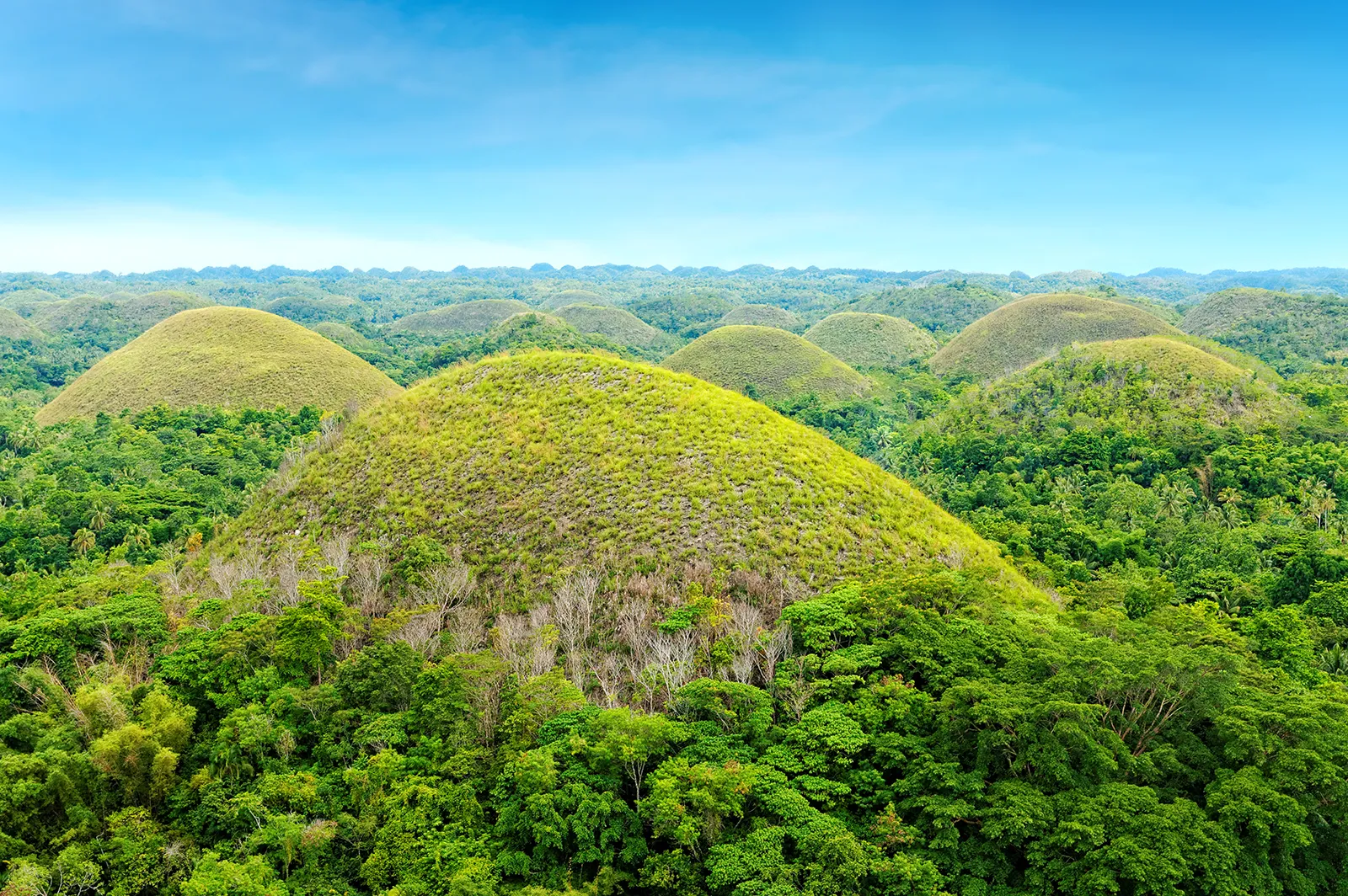
One of Bohol’s most iconic attractions is the Chocolate Hills, a series of over 1,200 limestone mounds spread across the island’s interior. These hills turn brown during the dry season, resembling giant chocolate drops, hence their name. Visitors can enjoy panoramic views from the Chocolate Hills Complex and hike up to viewing decks for a closer look at this natural wonder.

Tarsiers: The World’s Smallest Primates

Bohol is home to the Philippine tarsier, one of the world’s smallest primates. These nocturnal creatures can be observed in their natural habitat at the Tarsier Conservation Area in Corella. Visitors are encouraged to maintain silence and avoid flash photography to minimize stress on these delicate animals.

Exploring Bohol’s Beaches and Marine Life

Panglao Island: A Beach Lover’s Paradise

Connected to Bohol by bridges, Panglao Island is famous for its white sandy beaches and vibrant coral reefs. Alona Beach is particularly popular for its lively atmosphere and opportunities for snorkeling and diving. Divers can explore Balicasag Island, known for its rich marine biodiversity and vibrant coral gardens.

Diving and Snorkeling: A Marine Wonderland

Bohol offers excellent diving and snorkeling spots, including the Balicasag Marine Sanctuary and the Cabilao Island. Divers can encounter a variety of marine life, from colorful corals to schools of tropical fish, turtles, and sometimes even dolphins and whale sharks.

Cultural and Historical Sites

The Blood Compact Shrine: A Glimpse into History

The Blood Compact Shrine commemorates the first treaty of friendship between Filipinos and Spaniards in 1565. This historical landmark in Tagbilaran City is a popular stop for tourists interested in Bohol’s colonial history.

Baclayon Church: A Heritage Treasure

One of the oldest churches in the Philippines, Baclayon Church, showcases Spanish colonial architecture and houses a museum with religious artifacts dating back centuries. The church is a testament to Bohol’s rich cultural heritage and offers insight into the island’s historical journey.

Conclusion

Bohol Island, with its blend of natural beauty and cultural richness, is a must-visit destination for travelers seeking an unforgettable experience in the Philippines. Whether exploring the unique Chocolate Hills, diving into the vibrant underwater world, or immersing oneself in the island’s history, Bohol promises an adventure filled with wonder and discovery.

The X-Men: A Legacy of Mutant Heroes

johnbowe.info – The X-Men are a team of superheroes in the Marvel Comics universe. Created by writer Stan Lee and artist Jack Kirby, they first appeared in “The X-Men” #1 in September 1963. The team is composed of mutants, individuals born with superhuman abilities due to genetic mutation.

The Creation of the X-Men

Stan Lee and Jack Kirby introduced the X-Men during a time when the civil rights movement was gaining momentum. The comic book series was designed to explore themes of prejudice and discrimination, with the mutants representing marginalized groups in society.

The Core Members

The original lineup of the X-Men consisted of Cyclops, Marvel Girl, Beast, Angel, and Iceman. Each member brought unique powers to the team, such as Cyclops’ optic blasts and Beast’s superhuman strength and agility.

The X-Men’s Mission

The X-Men are led by Professor Charles Xavier, a powerful telepath who founded the Xavier Institute for Higher Learning. The team’s mission is to promote peaceful coexistence between humans and mutants and to protect the world from threats posed by both.

Notable Storylines

Over the years, the X-Men have been involved in numerous groundbreaking storylines. “The Dark Phoenix Saga” and “Days of Future Past” are among the most famous arcs, exploring themes of power, sacrifice, and dystopian futures.

Adaptations

The X-Men have been adapted into various forms of media, including animated TV series, live-action films, and video games. The film series, starting with “X-Men” in 2000, has brought the team to a wider audience and renewed interest in their comic book origins.

The Impact of the X-Men

The X-Men have had a significant impact on popular culture, addressing social issues and inspiring generations of fans. Their stories continue to resonate, highlighting the struggles and triumphs of being different in a complex world.

Conclusion

The X-Men remain a vital part of the Marvel Comics universe, embodying the spirit of diversity and acceptance. As new stories and adaptations continue to emerge, the legacy of these mutant heroes endures, captivating audiences with their ongoing adventures.

Exploring the Depths of Andrei Rublev (1966)

johnbowe.info – The 1966 film “Andrei Rublev,” directed by the visionary filmmaker Andrei Tarkovsky, stands as a monumental piece of cinematic art. This film offers a profound exploration of the life of Andrei Rublev, a 15th-century Russian icon painter, while delving into broader themes of faith, creativity, and the human condition amidst the tumult of medieval Russia.

Historical Context and Plot

Set against the backdrop of a turbulent period in Russian history marked by Tartar invasions and internal strife, “Andrei Rublev” chronicles the life and spiritual journey of the titular character. The film is structured into a series of episodes that depict Rublev’s evolution from an idealistic monk to a disillusioned artist, ultimately culminating in a spiritual and artistic rebirth.

Themes and Symbolism

Tarkovsky’s masterpiece is not just a biographical account but an allegorical meditation on the nature of art and the role of the artist in society. The film is rich with symbolism, exploring themes of faith, doubt, and redemption. It raises poignant questions about the relationship between suffering and creativity, illustrating how personal and societal turmoil can shape and redefine artistic expression.

Cinematic Techniques

“Andrei Rublev” is renowned for its innovative cinematic techniques. Tarkovsky employs striking visual imagery and a contemplative pacing that invites viewers to immerse themselves fully into the narrative. The use of black-and-white cinematography, interspersed with moments of color, enhances the film’s emotional and thematic depth, creating a visual poetry that is uniquely Tarkovsky’s.

Impact and Legacy

Despite facing censorship and limited distribution in the Soviet Union, “Andrei Rublev” has garnered critical acclaim and is celebrated as one of the greatest films of all time. Its influence extends beyond Russian cinema, impacting filmmakers and audiences worldwide with its profound exploration of the human spirit and the artist’s place in the world.

Conclusion

“Andrei Rublev” remains a timeless cinematic experience, offering viewers a profound reflection on the complexities of human existence and the enduring power of art. Tarkovsky’s masterpiece transcends its historical setting, resonating with universal themes of faith, resilience, and the transformative power of creativity.

Milk Varieties Around the World: A Tasting Adventure

johnbowe.info – Milk is a staple in many diets around the world, but the type of milk consumed can vary greatly depending on the region. From cow’s milk to more exotic options like camel or yak milk, each type offers unique flavors, nutritional benefits, and culinary uses. Embark on a tasting adventure as we explore the diverse world of milk varieties.

1. Cow’s Milk: The Global Staple

Cow’s milk is perhaps the most widely consumed type of milk worldwide. It is rich in calcium, protein, and essential vitamins. Cow’s milk comes in several forms, including whole, skimmed, and semi-skimmed, catering to different dietary preferences. Its neutral flavor makes it versatile for use in cooking and baking.

2. Goat’s Milk: The Tangy Alternative

Popular in many parts of the world, goat’s milk is known for its slightly tangy flavor and creamy texture. It is easier to digest for some people due to smaller fat globules and lower lactose content. Goat’s milk is a key ingredient in many cheese varieties, such as chèvre and feta.

3. Sheep’s Milk: The Creamy Delight

Sheep’s milk is a rich and creamy alternative to cow’s milk, often used in the production of gourmet cheeses like Roquefort and Pecorino Romano. It has a higher fat content and is packed with vitamins and minerals. Sheep’s milk yogurt is also a popular choice for those seeking a thick, luscious texture.

4. Buffalo Milk: The Nutrient Powerhouse

Buffalo milk is primarily consumed in South Asia, particularly in India and Pakistan. It is thicker and creamier than cow’s milk, with a higher fat and protein content. Buffalo milk is used to make traditional dairy products like paneer and ghee, as well as the famous Italian mozzarella cheese.

5. Camel Milk: The Desert Elixir

Camel milk is a staple in Middle Eastern and African countries. Known for its slightly salty taste and thin consistency, it is rich in iron, vitamin C, and antioxidants. Camel milk is gaining popularity worldwide for its purported health benefits, including anti-diabetic properties.

6. Yak Milk: The Himalayan Treasure

In the high altitudes of the Himalayas, yak milk is an important source of nutrition. It is rich in fat and has a slightly sweet, aromatic flavor. Yak milk is used to make butter, cheese, and a traditional tea known as butter tea, which is a staple for many Himalayan communities.

7. Plant-Based Milks: The Modern Choice

For those who are lactose intolerant or choose to follow a plant-based diet, plant-based milks offer a wide array of options. Almond, soy, oat, and coconut milks are among the most popular, each with its unique flavor profile and nutritional benefits. These milks are often fortified with vitamins and minerals to mimic the nutritional content of cow’s milk.

Conclusion

Exploring the variety of milk available around the world opens up a new realm of culinary possibilities and nutritional benefits. Whether you’re seeking the familiar taste of cow’s milk or venturing into the exotic flavors of camel or yak milk, there’s a world of milk waiting to be discovered. So, take a sip and enjoy this global tasting adventure!

Mengapa Kesehatan Tulang Penting dan Bagaimana Menjaganya?

Kesehatan tulang merupakan bagian penting dari kesehatan tubuh secara keseluruhan, meskipun sering kali terabaikan hingga muncul masalah seperti osteoporosis atau patah tulang. Tulang yang kuat dan sehat mendukung struktur tubuh, melindungi organ vital, serta memungkinkan tubuh untuk bergerak dan beraktivitas trisula88 login. Mari kita simak lebih lanjut mengapa kesehatan tulang sangat penting dan cara-cara untuk menjaganya.

Mengapa Kesehatan Tulang Itu Penting?

  1. Mendukung Struktur Tubuh Tulang berfungsi sebagai kerangka tubuh, memberikan bentuk, stabilitas, dan kekuatan. Tulang yang sehat memungkinkan kita untuk berdiri tegak dan melakukan berbagai aktivitas tanpa mengalami cedera atau nyeri.
  2. Melindungi Organ Vital Tulang melindungi organ-organ penting dari benturan dan cedera. Misalnya, tulang tengkorak melindungi otak, tulang rusuk melindungi jantung dan paru-paru, serta tulang belakang melindungi saraf tulang belakang.
  3. Menyimpan Mineral Penting Tulang juga merupakan tempat penyimpanan mineral penting seperti kalsium dan fosfor. Ketika tubuh membutuhkan mineral ini, tulang akan melepaskannya ke aliran darah, menjaga keseimbangan mineral dalam tubuh.
  4. Mendukung Fungsi Otot dan Mobilitas Tulang bekerja bersama otot dan sendi untuk mendukung gerakan tubuh. Dengan tulang yang kuat, kita bisa beraktivitas dan bergerak dengan nyaman tanpa mudah mengalami cedera atau rasa sakit.
  5. Mengurangi Risiko Penyakit Tulang Menjaga kesehatan tulang dapat mencegah berbagai masalah kesehatan seperti osteoporosis, pengeroposan tulang, dan patah tulang. Kondisi-kondisi ini sering kali muncul akibat tulang yang rapuh dan kekurangan kalsium.

Cara Menjaga Kesehatan Tulang

  1. Konsumsi Kalsium dan Vitamin D yang Cukup Kalsium adalah mineral penting untuk kesehatan tulang. Asupan kalsium yang cukup dapat diperoleh dari produk susu, sayuran hijau, kacang-kacangan, dan ikan. Vitamin D, yang membantu penyerapan kalsium, dapat diperoleh melalui sinar matahari atau suplemen dan makanan seperti telur, ikan berlemak, dan jamur.
  2. Aktif Bergerak dan Berolahraga Secara Teratur Olahraga yang melibatkan beban, seperti jalan kaki, lari, dan angkat beban, sangat baik untuk memperkuat tulang. Olahraga ini membantu meningkatkan massa tulang dan mencegah pengeroposan tulang seiring bertambahnya usia.
  3. Hindari Kebiasaan Buruk seperti Merokok dan Konsumsi Alkohol Berlebihan Merokok dan konsumsi alkohol dapat mengurangi kepadatan tulang dan meningkatkan risiko osteoporosis. Berhenti merokok dan mengurangi konsumsi alkohol adalah langkah penting untuk menjaga kesehatan tulang.
  4. Perhatikan Asupan Protein Protein sangat penting untuk pembentukan tulang yang sehat. Pastikan mengonsumsi protein dalam jumlah yang cukup setiap hari, baik dari sumber hewani maupun nabati.
  5. Konsumsi Suplemen dengan Bijak Jika sulit memenuhi kebutuhan kalsium dan vitamin D dari makanan, Anda dapat mempertimbangkan suplemen, tetapi pastikan berkonsultasi dengan dokter terlebih dahulu. Kelebihan suplemen dapat memiliki efek negatif pada kesehatan.
  6. Menjaga Berat Badan Ideal Berat badan yang terlalu rendah dapat meningkatkan risiko osteoporosis, sementara obesitas bisa memberi tekanan berlebih pada tulang dan sendi. Menjaga berat badan ideal dapat membantu melindungi kesehatan tulang.
  7. Lakukan Pemeriksaan Kesehatan Secara Rutin Pemeriksaan kesehatan tulang, terutama setelah memasuki usia lanjut, sangat penting untuk mendeteksi masalah sejak dini. Konsultasikan dengan dokter tentang tes kepadatan tulang jika Anda memiliki risiko osteoporosis.

Kesimpulan

Kesehatan tulang yang baik adalah fondasi bagi kualitas hidup yang optimal. Dengan memastikan asupan nutrisi yang cukup, berolahraga secara teratur, dan menjaga gaya hidup sehat, kita dapat memiliki tulang yang kuat dan mengurangi risiko penyakit tulang di masa depan. Ingat, menjaga kesehatan tulang sejak dini adalah investasi untuk menjalani kehidupan yang aktif dan bebas dari gangguan pada usia tua.

Exploring the Enchantment of “Spirited Away” (2001)

johnbowe.info – “Spirited Away,” directed by the legendary Hayao Miyazaki and produced by Studio Ghibli, is a 2001 Japanese animated fantasy film that has captivated audiences worldwide. Renowned for its stunning visuals and imaginative storytelling, the film has become a timeless classic, earning critical acclaim and numerous awards, including the Academy Award for Best Animated Feature. This article delves into the enchanting world of “Spirited Away,” exploring its themes, characters, and lasting impact.

The Story and Setting

The film follows the journey of a ten-year-old girl named Chihiro Ogino, who, along with her parents, stumbles upon an abandoned amusement park. As night falls, the park transforms into a magical realm inhabited by spirits, and Chihiro’s parents are turned into pigs. To rescue them, Chihiro must navigate this mysterious world, working in a bathhouse run by the enigmatic witch Yubaba.

Themes of Transformation and Identity

“Spirited Away” explores themes of transformation and identity, as Chihiro evolves from a timid girl to a courageous and resourceful young woman. Her journey is one of self-discovery, as she learns to adapt and assert herself in a world filled with challenges and strange creatures. The film also touches on environmental concerns and the loss of innocence, reflecting Miyazaki’s recurring themes of nature and personal growth.

Memorable Characters

The film is populated by an array of memorable characters, each contributing to Chihiro’s journey. Haku, a mysterious boy who helps Chihiro, is revealed to have a deep connection to her past. Yubaba, the formidable witch, embodies both menace and complexity, while her twin sister, Zeniba, offers guidance and wisdom. The enigmatic No-Face, a spirit capable of both kindness and destruction, symbolizes the dual nature of identity and desire.

Visual Style and Animation

One of the most striking aspects of “Spirited Away” is its breathtaking animation. Studio Ghibli’s meticulous attention to detail brings the spirit world to life, with vibrant colors, intricate backgrounds, and fluid character movements. The film’s visual style draws heavily on Japanese folklore and mythology, creating a rich tapestry of cultural and artistic references that enhance its narrative depth.

Cultural Impact and Legacy

Since its release, “Spirited Away” has left an indelible mark on the world of animation and cinema. It became the highest-grossing film in Japanese history at the time and introduced global audiences to the magic of Studio Ghibli. The film’s universal themes of courage, friendship, and resilience continue to resonate with viewers of all ages, making it a beloved classic that transcends cultural and linguistic barriers.

Conclusion

“Spirited Away” is more than just an animated film; it is a journey into a magical world that challenges and inspires. Its blend of fantasy, emotion, and artistry has secured its place as one of the greatest animated films of all time. As new generations discover Chihiro’s story, the film’s legacy of wonder and imagination will undoubtedly endure for years to come.

The Majestic Kunlun Mountains: A Natural Wonder

johnbowe.info – The Kunlun Mountains, known as 昆仑山 (Kūnlún Shān) in Chinese, are one of the most significant mountain ranges in Asia, spanning over 3,000 kilometers. These mountains hold immense geographical, historical, and cultural importance, forming a natural boundary between the Tibetan Plateau and the vast deserts of Central Asia. Known for their awe-inspiring landscapes and rich biodiversity, the Kunlun Mountains continue to captivate explorers, scientists, and nature enthusiasts alike.

Geographical Significance

Stretching from the Pamirs in the west to the Sino-Tibetan border in the east, the Kunlun Mountains form an integral part of the Asian mountain system. This range serves as a natural divider, influencing the climate and hydrology of the regions it spans. The mountains are characterized by towering peaks, with the highest, the Kunlun Goddess Peak, reaching an elevation of approximately 7,167 meters.

Geological Features

The Kunlun Mountains are primarily composed of volcanic and sedimentary rocks, offering a fascinating glimpse into the Earth’s geological history. The region is also known for its tectonic activity, with various fault lines running through the mountains. These geological features have contributed to the unique landforms and mineral wealth found in the area, including deposits of jade, gold, and other precious minerals.

Biodiversity and Ecology

The Kunlun Mountains support a diverse range of flora and fauna, thanks to their varied altitudes and climates. The lower slopes are home to temperate forests, while alpine meadows and tundra landscapes can be found at higher elevations. The region is also a haven for wildlife, including species such as snow leopards, Tibetan antelopes, and a variety of bird species. Conservation efforts are crucial to preserve this unique ecosystem and its inhabitants.

Cultural and Historical Importance

The Kunlun Mountains hold a revered place in Chinese mythology and literature. They are often depicted as the dwelling place of gods and immortals, a source of mysticism and inspiration for countless stories and legends. Throughout history, the mountains have also served as a natural barrier, influencing trade routes and cultural exchanges across the region. The ancient Silk Road, which facilitated the exchange of goods and ideas, passed through the southern fringes of the Kunlun range.

Modern Exploration and Tourism

In recent years, the Kunlun Mountains have attracted adventurers and tourists eager to experience their breathtaking beauty and challenging terrains. Hiking, mountaineering, and eco-tourism are popular activities, allowing visitors to explore the pristine landscapes and cultural heritage of the region. However, responsible tourism practices are essential to ensure the preservation of this fragile environment.

Conclusion

The Kunlun Mountains stand as a testament to the grandeur of nature, offering a unique blend of natural beauty, geological wonders, and cultural richness. Their significance extends beyond their physical presence, embodying the deep connection between nature and humanity. As interest in this majestic range continues to grow, efforts to protect and preserve its unique landscapes and biodiversity will be more important than ever.

Apa itu Paru-paru Dunia? Memahami Peran Hutan dalam Menjaga Keseimbangan Ekosistem

Istilah “Paru-paru Dunia” sering digunakan untuk merujuk kepada hutan-hutan yang memiliki peran krusial dalam menjaga keseimbangan ekosistem global. Hutan-hutan ini, terutama hutan hujan tropis, berfungsi sebagai penyerap karbon, penghasil oksigen, dan habitat bagi berbagai spesies slot mahjong. Dalam artikel ini, kita akan menjelajahi lebih dalam tentang apa itu Paru-paru Dunia dan pentingnya hutan bagi keberlanjutan planet kita.

1. Definisi Paru-paru Dunia

Paru-paru Dunia adalah istilah yang umumnya digunakan untuk menyebut hutan hujan tropis, dengan Amazon sebagai contoh paling terkenal. Hutan-hutan ini disebut demikian karena kemampuan mereka dalam menyerap karbon dioksida (CO2) dari atmosfer dan memproduksi oksigen (O2) melalui proses fotosintesis. Proses ini sangat penting untuk mengurangi efek pemanasan global dan menjaga kualitas udara.

2. Peran Hutan dalam Menjaga Keseimbangan Ekosistem

Hutan memiliki banyak peran yang sangat vital dalam menjaga keseimbangan ekosistem, antara lain:

  • Penyerap Karbon: Hutan menyerap CO2 dari atmosfer, membantu mengurangi konsentrasi gas rumah kaca dan mengatasi perubahan iklim. Diperkirakan bahwa hutan-hutan di dunia menyerap sekitar 2,6 miliar ton karbon setiap tahun.
  • Penghasil Oksigen: Proses fotosintesis di hutan menghasilkan oksigen yang dibutuhkan oleh hampir semua makhluk hidup di Bumi. Hutan hujan tropis, khususnya, berkontribusi sekitar 20% dari total oksigen di atmosfer.
  • Habitat Keanekaragaman Hayati: Hutan merupakan rumah bagi lebih dari 80% spesies darat yang ada di dunia, termasuk berbagai flora dan fauna. Keanekaragaman hayati ini sangat penting untuk menjaga ekosistem yang sehat dan berfungsi.
  • Pengaturan Siklus Air: Hutan membantu mengatur siklus air dengan menyerap air hujan dan melepaskannya ke atmosfer melalui transpirasi. Proses ini mendukung pola curah hujan yang stabil dan mencegah banjir.
  • Penyerapan Nutrisi Tanah: Hutan menjaga kesuburan tanah dengan menyimpan nutrisi dan mencegah erosi. Akar pohon membantu mengikat tanah, sehingga mengurangi risiko longsor.

3. Ancaman Terhadap Hutan dan Paru-paru Dunia

Meskipun peran hutan sangat penting, banyak hutan di dunia saat ini menghadapi ancaman serius, seperti:

  • Deforestasi: Penebangan hutan untuk pertanian, pemukiman, dan aktivitas industri mengurangi luas hutan dan mengganggu keseimbangan ekosistem. Deforestasi menjadi salah satu penyebab utama hilangnya keanekaragaman hayati.
  • Perubahan Iklim: Perubahan iklim mengancam kelangsungan hutan dengan menyebabkan perubahan pola cuaca, kebakaran hutan, dan peningkatan suhu yang dapat merusak habitat.
  • Pencemaran: Limbah industri dan polusi dapat merusak kualitas tanah dan air di hutan, berdampak negatif pada flora dan fauna yang ada di dalamnya.

4. Upaya Pelestarian Hutan

Untuk menjaga fungsi hutan sebagai Paru-paru Dunia, berbagai upaya pelestarian perlu dilakukan, antara lain:

  • Reboisasi: Penanaman kembali pohon di area yang telah ditebang untuk memulihkan ekosistem hutan. Reboisasi dapat membantu meningkatkan kualitas udara dan keanekaragaman hayati.
  • Konservasi: Membentuk kawasan lindung dan taman nasional untuk menjaga habitat alami dan melindungi spesies yang terancam punah.
  • Pendidikan dan Kesadaran: Meningkatkan kesadaran masyarakat tentang pentingnya hutan dan cara-cara untuk melindunginya melalui program pendidikan dan kampanye lingkungan.

Kesimpulan

Paru-paru Dunia, atau hutan, memiliki peran yang sangat penting dalam menjaga keseimbangan ekosistem global. Dengan kemampuannya dalam menyerap karbon dioksida, memproduksi oksigen, dan mendukung keanekaragaman hayati, hutan harus dilindungi dan dilestarikan. Melalui upaya kolektif dalam konservasi dan pelestarian, kita dapat memastikan bahwa hutan tetap berfungsi sebagai penyokong kehidupan di Bumi. Mari kita jaga Paru-paru Dunia demi keberlangsungan generasi mendatang.

Bo Kho: The Aromatic Vietnamese Beef Stew

johnbowe.info – Bo Kho is a beloved Vietnamese dish known for its rich, aromatic flavors and hearty ingredients. This slow-cooked beef stew is a perfect blend of spices and herbs, creating a comforting meal that is both nourishing and delicious. Whether served with crusty bread, rice, or noodles, Bo Kho makes for a satisfying dish that can be enjoyed at any time of the day.

The Origins of Bo Kho

Bo Kho has its roots in the culinary traditions of Vietnam, where it has been a staple for generations. The dish is thought to have originated in Southern Vietnam, where the tropical climate and fertile land provide a bounty of fresh ingredients. Over time, Bo Kho has become popular throughout the country, with each region adding its unique twist to the recipe.

Ingredients and Preparation

The key to a great Bo Kho lies in its ingredients. The stew typically includes:

  • Beef: Usually, a tougher cut like brisket or shank is used, which becomes tender and flavorful after slow cooking.
  • Aromatics: Lemongrass, ginger, garlic, and shallots provide a fragrant foundation for the stew.
  • Spices: Star anise, cinnamon, and cloves add depth and warmth to the dish.
  • Vegetables: Carrots and potatoes are often added for sweetness and texture.
  • Seasoning: Fish sauce, soy sauce, and sugar are used to balance the flavors.

To prepare Bo Kho, the beef is usually marinated with spices and aromatics, then seared to lock in flavor. The stew is then simmered slowly, allowing the flavors to meld and the beef to become tender. This process can take several hours, but the result is a deeply flavorful dish that is well worth the wait.

Serving Suggestions

Bo Kho is incredibly versatile and can be served in a variety of ways:

  • With Baguette: A popular choice is to serve Bo Kho with a warm, crusty baguette, perfect for soaking up the delicious broth.
  • Over Rice: For a more filling meal, Bo Kho can be served over steamed rice.
  • With Noodles: Some prefer to enjoy Bo Kho as a noodle soup, adding rice noodles or egg noodles for a comforting bowl.

Cultural Significance

Bo Kho holds a special place in Vietnamese cuisine, often enjoyed as a breakfast dish or a hearty meal during family gatherings. Its rich flavors and aromatic spices reflect the diverse culinary influences in Vietnam, from indigenous ingredients to French colonial influences.

Conclusion

Bo Kho is more than just a beef stew; it is a celebration of Vietnamese flavors and culinary heritage. Whether you’re a seasoned cook or a curious foodie, trying your hand at making Bo Kho can be a rewarding experience, offering a taste of Vietnam’s vibrant and aromatic cuisine.

Pontianak City: The Equatorial Jewel of Indonesia

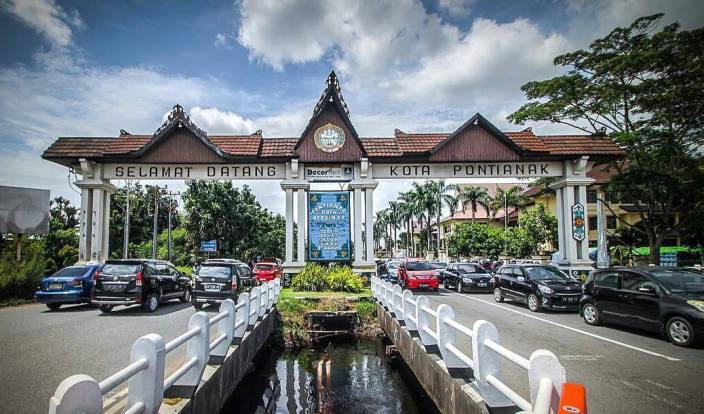
johnbowe.info – Pontianak is the capital city of the province of West Kalimantan in Indonesia, situated on the island of Borneo. Known for its unique geographical position, the city lies directly on the equator, earning it the nickname “Equator City” or “Kota Khatulistiwa.” This distinctive feature makes Pontianak a fascinating destination for travelers and cultural enthusiasts alike.

Historical Background

Founded in 1771 by Sultan Syarif Abdurrahman Alkadrie, Pontianak began as a small trading port and has since grown into a vibrant urban center. The city’s history is deeply intertwined with its strategic location on the banks of the Kapuas River, the longest river in Indonesia. Over the centuries, Pontianak has been a melting pot of various cultures, including Malay, Dayak, and Chinese, which have all contributed to its rich cultural tapestry.

Cultural and Natural Attractions

Pontianak offers a variety of attractions that reflect its diverse cultural heritage. One of the must-visit sites is the Equator Monument, where visitors can experience standing on the equator line. The city’s vibrant markets, such as Pasar Tengah and the Kapuas Besar, offer a glimpse into the daily lives of locals and a chance to sample traditional foods and crafts.

Nature enthusiasts will also appreciate the proximity to lush rainforests and the biodiversity of Borneo. The nearby Danau Sentarum National Park provides opportunities for wildlife sightings and eco-tourism adventures.

Modern Developments and Economy

Today, Pontianak is a thriving city with a growing economy driven by trade, agriculture, and tourism. The city’s infrastructure continues to develop, with improvements in transportation and services enhancing its appeal as a regional hub. The local government is actively promoting city branding to boost tourism and economic growth, focusing on its unique equatorial position and rich cultural heritage.

Conclusion

Pontianak City stands out not only for its equatorial location but also for its blend of cultures and history. Whether you’re drawn by the allure of standing on the equator or the rich cultural experiences, Pontianak offers a unique window into the heart of Borneo. As the city continues to grow and develop, it remains a captivating destination for those seeking adventure and cultural discovery.

Exploring the Functions of the Human Mouth

johnbowe.info – The human mouth is a remarkable structure that plays a crucial role in various essential functions. It serves as the entry point for food and air, and its complex anatomy is designed to facilitate multiple tasks that are vital for survival and communication. This article delves into the primary functions of the human mouth, highlighting its significance in digestion, speech, sensory perception, and protection.

1. Digestion

One of the primary functions of the mouth is to initiate the digestive process. It begins with the mechanical breakdown of food through chewing, which is facilitated by teeth. The saliva produced by salivary glands contains enzymes that begin the chemical breakdown of food, making it easier to swallow and digest further down the gastrointestinal tract. The tongue plays a crucial role in manipulating food within the mouth and pushing it towards the throat for swallowing.

2. Speech

The mouth is integral to the production of speech, which is a fundamental aspect of human communication. The coordinated movement of the tongue, lips, and palate allows for the articulation of sounds that form words. The oral cavity acts as a resonating chamber, enhancing the quality and clarity of speech. This intricate process enables humans to convey thoughts, emotions, and information effectively.

3. Sensory Perception

The mouth is home to taste buds, which are responsible for detecting different flavors. These taste buds are located on the tongue and allow individuals to experience the five basic tastes: sweet, sour, salty, bitter, and umami. The ability to taste not only enhances the enjoyment of food but also plays a protective role by identifying potentially harmful substances.

4. Protection

The mouth serves as a barrier against pathogens and foreign particles. Saliva contains antimicrobial agents that help prevent infections, while the mucous membranes lining the mouth act as a first line of defense. Additionally, the gag reflex helps protect the body from ingesting harmful substances by triggering a reflexive action to expel them.

5. Breathing

The mouth also serves as an alternative airway for breathing, especially when the nasal passages are blocked. While nasal breathing is generally more efficient and beneficial, mouth breathing can be necessary in certain situations, such as during intense physical activity or when experiencing nasal congestion.

Conclusion

The human mouth is a multifunctional organ that plays a pivotal role in various aspects of daily life. Its ability to aid in digestion, facilitate communication, enhance sensory experiences, provide protection, and support breathing underscores its importance to overall health and well-being. Understanding the functions of the mouth can help individuals appreciate the complexity of this vital organ and the ways it contributes to human survival and interaction.

The Dark Side of Cosmetic Ingredients: Chemical Reactions

johnbowe.info – In the world of beauty and personal care, cosmetics have become essential in our daily routines. From moisturizers and foundations to shampoos and perfumes, these products promise to enhance our appearance and boost our confidence. However, beneath their alluring promises lies a complex world of chemical reactions that can have unintended consequences. This article delves into the potential dark side of cosmetic ingredients, exploring the chemical interactions that can impact our health and environment.

Understanding Cosmetic Ingredients

Cosmetics are composed of a variety of ingredients, including water, emollients, surfactants, preservatives, fragrances, and colorants. Each component serves a specific purpose, from hydrating the skin to ensuring product longevity. However, many of these ingredients are synthesized chemicals that can interact in unexpected ways.

Commonly Used Chemicals and Their Reactions

Some of the most common chemicals found in cosmetics include parabens, phthalates, sulfates, and formaldehyde-releasing preservatives. These substances can interact with each other and with the human body, leading to potential risks:

  1. Parabens: Used as preservatives, parabens can mimic estrogen in the body, potentially disrupting hormonal balance and increasing the risk of breast cancer.
  2. Phthalates: Often used to make fragrances last longer, phthalates have been linked to reproductive health issues and are considered endocrine disruptors.
  3. Sulfates: Common in shampoos and cleansers, sulfates can strip the skin and hair of natural oils, leading to irritation and dryness.
  4. Formaldehyde-Releasing Preservatives: These chemicals prevent bacterial growth but can release formaldehyde, a known carcinogen, over time.

The Environmental Impact

The chemical reactions of cosmetic ingredients do not only affect human health; they also have a significant environmental impact. When washed off, these substances enter waterways, affecting aquatic life and contributing to pollution. Nanoparticles, often used in sunscreens and anti-aging products, can accumulate in marine organisms, disrupting ecosystems.

Steps Towards Safer Cosmetics

To address these concerns, consumers and manufacturers alike are turning towards more sustainable and safer alternatives:

  1. Natural and Organic Ingredients: Brands are increasingly using plant-based ingredients that are less likely to cause adverse reactions.
  2. Transparent Labeling: Providing clear information about ingredients allows consumers to make informed choices.
  3. Research and Innovation: Ongoing research into safer chemical alternatives and sustainable practices is crucial for reducing negative impacts.

Conclusion

While cosmetics can enhance our beauty and well-being, it is essential to be aware of the chemical reactions that their ingredients can trigger. By understanding the potential risks and advocating for safer products, consumers can make more informed decisions that benefit their health and the environment. As the industry continues to evolve, the focus on transparency, sustainability, and safety will be key to mitigating the dark side of cosmetic ingredients.

Kim Kardashian: Kontroversi Terbaru yang Menghebohkan

johnbowe.info – Kim Kardashian selalu menjadi sorotan publik, baik karena kariernya di dunia hiburan maupun kehidupan pribadinya yang penuh drama. Belakangan ini, ia kembali menjadi berita utama akibat sejumlah kontroversi yang mengejutkan dan memicu banyak perdebatan di kalangan penggemar dan media.

Skandal yang Mengguncang Media Sosial

Salah satu kontroversi terbaru yang melibatkan Kim adalah unggahan di media sosial yang menuai kritik luas. Dalam sebuah postingan, ia memperlihatkan produk kecantikan yang dinyatakan sebagai solusi instan untuk berbagai masalah kulit. Banyak pengamat dan penggemar menyebutnya sebagai bentuk “body shaming” dan menciptakan standar kecantikan yang tidak realistis. Hal ini memicu kemarahan di kalangan aktivis yang berjuang melawan diskriminasi berdasarkan penampilan fisik.

Perdebatan Seputar Budaya dan Aksesibilitas

Kontroversi lain muncul ketika Kim mempromosikan koleksi fashion terbaru yang terinspirasi dari budaya tertentu. Joker Slot Beberapa pihak menuduhnya melakukan “kultural apropriasi,” yaitu mengambil elemen budaya tanpa penghormatan yang layak. Ini memicu perdebatan tentang batasan antara inspirasi dan eksploitasi dalam industri mode, serta pentingnya menghargai budaya lain.

Hubungan Pribadi yang Diperbincangkan

Kehidupan pribadi Kim juga tak lepas dari sorotan. Hubungan terbarunya dengan seorang selebriti lain memicu spekulasi mengenai apakah ini akan menjadi hubungan jangka panjang atau hanya sekadar perhatian media. Publik selalu penasaran dengan dinamika hubungan Kim, terutama setelah perceraiannya yang cukup menghebohkan dengan Kanye West.

Dampak pada Karier dan Citra Publik

Kontroversi-kontroversi ini berdampak signifikan pada citra publik Kim Kardashian. Meskipun ia memiliki penggemar setia, banyak yang mulai mempertanyakan integritas dan nilai-nilai yang ia bawa. Namun, tidak dapat disangkal bahwa semua ini juga meningkatkan ketertarikan terhadap merek dan produk yang ia wakili, menunjukkan bahwa kontroversi sering kali berdampak positif pada visibilitas bisnis.

Kesimpulan

Kim Kardashian terus menjadi sosok yang kompleks dan penuh kontroversi. Setiap langkahnya selalu menarik perhatian dan memicu diskusi hangat di masyarakat. Meskipun banyak kritik yang ia terima, tidak dapat dipungkiri bahwa ia tetap menjadi salah satu ikon media yang paling berpengaruh. Seiring berjalannya waktu, akan menarik untuk melihat bagaimana ia mengatasi kontroversi ini dan bagaimana hal itu akan membentuk karier serta citra publiknya di masa depan.

Hamamatsu City: A Gem in Shizuoka Prefecture

johnbowe.info – Hamamatsu City, located in Shizuoka Prefecture, Japan, is a vibrant city known for its rich history, cultural diversity, and natural beauty. Nestled along the Pacific coast, Hamamatsu offers a unique blend of traditional Japanese culture and modern innovation. This article delves into the captivating aspects of Hamamatsu, from its historical significance to its contributions to music and industry.

A City Steeped in History

Hamamatsu has a storied past that dates back to ancient times. Historically, it served as a strategic location along the Tōkaidō road, which connected Kyoto to Edo (modern-day Tokyo). The city’s historical significance is highlighted by Hamamatsu Castle, a reconstructed castle that was originally built in the 16th century by Tokugawa Ieyasu, one of Japan’s most influential shoguns. The castle is now a symbol of the city’s historical heritage and offers panoramic views of the surrounding area.

The Heart of Musical Innovation

Hamamatsu is famously known as the “City of Music” due to its significant contributions to the music industry. It is home to renowned musical instrument manufacturers such as Yamaha and Kawai. These companies have not only put Hamamatsu on the global map for musical excellence but have also fostered a thriving local music culture. The city hosts the Hamamatsu International Piano Competition, attracting talented pianists from around the world, and the Hamamatsu Museum of Musical Instruments, showcasing a diverse collection of instruments from various cultures and eras.

Natural Beauty and Outdoor Activities

The natural landscape of Hamamatsu is diverse and breathtaking. The city stretches from the Pacific Ocean to the mountainous areas of the Tenryu region. Lake Hamana, Japan’s tenth-largest lake, is a popular spot for water sports, camping, and enjoying picturesque sunsets. The surrounding mountains offer excellent hiking trails, with lush greenery and stunning vistas, making it a haven for outdoor enthusiasts.

A Hub of Cultural Diversity

Hamamatsu is known for its cultural diversity, hosting a significant foreign population, including Brazilian, Filipino, and Peruvian communities. This multicultural environment enriches the city’s cultural landscape, offering a variety of international cuisines, festivals, and cultural events. The Hamamatsu Festival, held annually in May, is a lively celebration featuring kite flying, traditional music, and dance performances, reflecting the city’s vibrant community spirit.

Economic and Technological Advancements

As a city that balances tradition with modernity, Hamamatsu is also a hub of economic and technological growth. In addition to its musical heritage, the city is a center for manufacturing, particularly in the automotive and electronics industries. Companies like Honda have a significant presence in Hamamatsu, contributing to its reputation as a city of innovation and industry.

Conclusion

Hamamatsu City is a dynamic destination that offers a rich tapestry of experiences for visitors and residents alike. Whether you’re exploring its historical sites, enjoying its musical legacy, or immersing yourself in its natural beauty and cultural diversity, Hamamatsu provides a unique glimpse into the heart of Shizuoka Prefecture. With its blend of tradition and modernity, Hamamatsu is truly a city that has something for everyone.

“The Knife of Never Letting Go” by Patrick Ness

johnbowe.info – “The Knife of Never Letting Go” is the first book in the “Chaos Walking” trilogy by Patrick Ness. This young adult science fiction novel, published in 2008, has captivated readers with its unique premise, compelling characters, and thought-provoking themes. Set in a dystopian world where privacy is nonexistent due to constant mental noise, the story explores the struggles of growing up, the nature of power, and the complexities of human relationships.

Synopsis

The novel is set in Prentisstown, a settlement on an alien planet where all the women have mysteriously died, and the remaining men can hear each other’s thoughts in a phenomenon known as “Noise.” The protagonist, Todd Hewitt, is the last boy in the town on the verge of becoming a man. As he approaches his birthday, he discovers a secret about Prentisstown that forces him to flee with his loyal dog, Manchee.

Todd encounters Viola, a mysterious girl who is immune to the Noise, and together they embark on a journey to uncover the truth about their world. Along the way, they face numerous challenges, including pursuing Prentisstown’s sinister mayor, who seeks to control everything and everyone.

Themes

The Loss of Privacy

One of the central themes of the novel is the loss of privacy. The Noise represents the constant barrage of thoughts and emotions, making it impossible for characters to keep secrets or hide their true selves. This lack of privacy highlights the struggles of maintaining individuality and personal boundaries in a world where everyone is exposed.

The Journey to Adulthood

Todd’s journey is also a metaphor for the transition from childhood to adulthood. As he navigates the challenges of his world, he learns to make difficult decisions, confronts moral dilemmas, and grows into his own identity. The novel explores the complexities of growing up and the responsibilities that come with it.

Power and Control

The story delves into the themes of power and control, examining how those in authority manipulate information and people to maintain dominance. The mayor of Prentisstown exemplifies this, using the Noise as a tool to control others. The novel raises questions about the ethical use of power and the impact of authoritarian rule on society.

Writing Style

Patrick Ness employs a distinctive writing style in “The Knife of Never Letting Go,” using stream-of-consciousness narration to capture the chaotic nature of the Noise. The use of phonetic spelling and fragmented sentences reflects Todd’s perspective and immerses readers in his world. This innovative approach enhances the novel’s emotional intensity and immediacy.

Conclusion

“The Knife of Never Letting Go” is a gripping and thought-provoking novel that challenges readers to consider the implications of a world without privacy, the journey to adulthood, and the dynamics of power and control. Patrick Ness’s masterful storytelling and unique narrative style make this book a must-read for fans of science fiction and young adult literature. As Todd and Viola’s journey unfolds, readers are left eagerly anticipating the next installment in the Chaos Walking trilogy.

Keberlanjutan Pangan: Tren Diet Berbasis Nabati di Kalangan Milenial

johnbowe.info – Di era modern ini, kesadaran akan keberlanjutan pangan semakin meningkat, terutama di kalangan generasi milenial. Tren diet berbasis nabati menjadi salah satu cara yang dipilih oleh banyak orang untuk mendukung keberlanjutan lingkungan, kesehatan pribadi, dan kesejahteraan hewan. Artikel ini akan membahas alasan di balik tren ini, manfaatnya, dan tantangan yang dihadapi oleh milenial dalam mengadopsi pola makan nabati.

rekomendasi game casino tergacor : judi live casino online

Alasan di Balik Tren Diet Berbasis Nabati

  1. Kesadaran Lingkungan
    Milenial cenderung lebih sadar akan dampak lingkungan dari konsumsi pangan. Produksi makanan berbasis hewani sering kali terkait dengan emisi gas rumah kaca, deforestasi, dan penggunaan sumber daya air yang tinggi. Oleh karena itu, banyak milenial beralih ke diet nabati sebagai langkah untuk mengurangi jejak karbon mereka.
  2. Kesehatan Pribadi
    Penelitian menunjukkan bahwa diet berbasis nabati dapat membawa banyak manfaat kesehatan, termasuk penurunan risiko penyakit jantung, diabetes tipe 2, dan obesitas. Banyak milenial yang menyadari pentingnya pola makan sehat dan memilih untuk mengonsumsi lebih banyak sayuran, buah-buahan, biji-bijian, dan kacang-kacangan.
  3. Etika dan Kesejahteraan Hewan
    Keterikatan emosional terhadap hewan dan kesadaran akan perlakuan yang diterima oleh hewan dalam industri pangan mendorong banyak milenial untuk beralih ke diet nabati. Menjadi vegan atau vegetarian dianggap sebagai cara untuk menghindari kontribusi terhadap penderitaan hewan.

Manfaat Diet Berbasis Nabati

  • Ragam Nutrisi: Diet berbasis nabati kaya akan serat, vitamin, dan mineral. Dengan memilih berbagai jenis tanaman, milenial dapat memenuhi kebutuhan nutrisi mereka secara optimal.
  • Dukungan untuk Pertanian Berkelanjutan: Dengan memilih produk nabati, milenial mendukung pertanian yang lebih berkelanjutan dan berpotensi mengurangi ketergantungan pada praktik pertanian yang merusak lingkungan.
  • Inovasi Kuliner: Tren ini juga memicu inovasi dalam dunia kuliner. Banyak restoran dan brand makanan kini menawarkan menu nabati yang lezat dan menarik, menjadikan makanan sehat lebih mudah diakses dan menggugah selera.

Tantangan dalam Mengadopsi Diet Berbasis Nabati

  1. Akses dan Ketersediaan: Di beberapa daerah, akses ke bahan makanan nabati yang segar dan berkualitas mungkin terbatas. Ini dapat menjadi penghalang bagi milenial yang ingin menerapkan diet ini.
  2. Keterbatasan Pengetahuan: Meskipun semakin banyak informasi tersedia, tidak semua orang memiliki pengetahuan yang cukup tentang cara mengatur diet berbasis nabati yang seimbang dan bergizi.
  3. Stigma Sosial: Di beberapa budaya, masih ada stigma atau keraguan terhadap pilihan diet nabati. Hal ini dapat membuat individu merasa terasing atau tidak didukung dalam pilihan mereka.

Kesimpulan

Tren diet berbasis nabati di kalangan milenial mencerminkan perubahan yang signifikan dalam cara orang berpikir tentang makanan, kesehatan, dan keberlanjutan. Dengan semakin banyaknya informasi dan dukungan yang tersedia, generasi ini memiliki potensi untuk memimpin perubahan positif dalam sistem pangan global. Meskipun ada tantangan yang harus diatasi, langkah menuju keberlanjutan pangan melalui pola makan nabati adalah langkah yang patut dicontoh.

The Power of Emotion in Ang Lee’s Films

johnbowe.info – Ang Lee, a visionary director known for his diverse filmography, has a unique ability to capture the essence of human emotion in his work. From epic dramas to intimate character studies, Lee’s films explore the complexities of human relationships and the profound emotions that drive them. His storytelling transcends cultural and linguistic barriers, resonating with audiences worldwide.

A Master of Diverse Genres

Ang Lee’s versatility as a filmmaker is evident in his ability to navigate different genres while maintaining a consistent emotional core. Whether it’s the martial arts elegance of “Crouching Tiger, Hidden Dragon,” the poignant exploration of forbidden love in “Brokeback Mountain,” or the survival epic “Life of Pi,” Lee’s films are united by their emotional depth and the authenticity of their characters’ experiences.

Exploring Human Vulnerability

One of the hallmarks of Ang Lee’s filmmaking is his exploration of human vulnerability. His characters often face internal and external conflicts that test their emotional resilience. In “The Ice Storm,” Lee delves into the complexities of suburban life in the 1970s, portraying the fragile nature of familial relationships and the impact of societal changes. His keen insight into the human condition allows him to craft stories that are both relatable and profoundly moving.

Cultural Sensitivity and Universality

Lee’s films often bridge cultural divides, showcasing his sensitivity to different cultural contexts while emphasizing universal emotions. In “The Wedding Banquet” and “Eat Drink Man Woman,” he explores themes of family, tradition, and identity, highlighting the nuances of Taiwanese culture while appealing to a global audience. This ability to balance cultural specificity with universal themes is a testament to Lee’s skill as a storyteller.

Technological Innovation and Emotional Storytelling

Ang Lee is not only a master of emotional storytelling but also a pioneer in technological innovation. His use of advanced filmmaking techniques enhances the emotional impact of his narratives. In “Life of Pi,” Lee’s use of 3D technology creates a visually stunning experience that complements the film’s spiritual and emotional journey. This integration of technology and emotion sets Lee apart as a director who continually pushes the boundaries of cinematic storytelling.

Conclusion

The power of emotion in Ang Lee’s films lies in his ability to portray the intricacies of the human experience with compassion and insight. His stories resonate because they speak to the core of what it means to be human, exploring themes of love, loss, identity, and resilience. Ang Lee’s films are a celebration of emotion, capturing the beauty and complexity of life in a way that leaves a lasting impact on audiences around the world.

Norway’s Fjords: Nature’s Majestic Masterpieces

johnbowe.info – Norway’s fjords are often described as some of the most breathtaking natural wonders in the world. Carved by glaciers during the last Ice Age, these deep, narrow inlets are surrounded by towering cliffs and lush, green landscapes, creating a serene and majestic environment. Each fjord has its own unique charm and allure, making them a must-visit destination for nature lovers and adventure seekers alike.

The Formation of Fjords

The formation of fjords began millions of years ago during the Ice Age. Massive glaciers slowly carved through the land, creating deep valleys. As the glaciers retreated, these valleys flooded with seawater, forming the fjords we see today. This geological process resulted in the dramatic cliffs and deep waters that characterize Norway’s fjords, providing a stunning backdrop against the natural beauty of the region.

The Most Famous Fjords of Norway

Geirangerfjord

Geirangerfjord, a UNESCO World Heritage site, is perhaps the most famous of Norway’s fjords. Known for its deep blue waters and lush green mountains, it offers a spectacular view of waterfalls cascading down steep rock faces. The Seven Sisters and the Suitor are among the most photographed waterfalls here, each with its own local legend.

Sognefjord

Sognefjord, the largest and deepest fjord in Norway, stretches over 200 kilometers inland. This majestic fjord offers breathtaking views and numerous outdoor activities, including hiking, kayaking, and boat tours. The Nærøyfjord, a narrow arm of the Sognefjord, is also a UNESCO World Heritage site and is renowned for its dramatic scenery.

Hardangerfjord

Hardangerfjord is known for its stunning natural beauty and cultural significance. It is famous for its fruit orchards, particularly apple and cherry trees, which create a picturesque landscape during the blooming season. The fjord is also home to the Vøringsfossen waterfall, one of Norway’s most famous waterfalls.

Wildlife and Ecosystem

The fjords are not only visually stunning but also teeming with wildlife. The waters are rich in marine life, including seals, porpoises, and various fish species. The surrounding forests and mountains are home to diverse wildlife, such as eagles, deer, and even the elusive lynx. This rich biodiversity makes the fjords a vital ecosystem and a paradise for wildlife enthusiasts.

Activities and Exploration

Norway’s fjords offer a plethora of activities for visitors. From scenic cruises and kayaking adventures to hiking trails with panoramic views, there is something for everyone. The fjords also provide opportunities for cultural exploration, with quaint villages and historic sites scattered throughout the region. Visitors can immerse themselves in local traditions, cuisine, and the welcoming hospitality of the Norwegian people.

Conclusion

Norway’s fjords are truly nature’s majestic masterpieces, offering a unique blend of natural beauty, adventure, and cultural richness. Whether you’re seeking tranquility, exploration, or simply an awe-inspiring view, the fjords of Norway provide an unforgettable experience that captures the essence of the natural world.

Exploring the Vibrant City of Sydney

johnbowe.info – Sydney, the capital city of New South Wales, Australia, is a vibrant metropolis known for its stunning harbor, iconic landmarks, and dynamic cultural scene. Home to over five million residents, Sydney is a bustling hub of activity that combines natural beauty with a cosmopolitan lifestyle. In this article, we will explore the various facets that make Sydney an exciting destination for tourists and locals alike.

Iconic Landmarks

Sydney is home to some of the most recognizable landmarks in the world. The Sydney Opera House, with its distinctive sail-like design, is an architectural masterpiece and a UNESCO World Heritage Site. Nearby, the Sydney Harbour Bridge offers breathtaking views of the city and harbor, whether you choose to walk across or take part in the exhilarating BridgeClimb experience. Bondi Beach, known for its golden sands and surfing culture, is another must-visit destination for those seeking sun and sea.

Cultural Diversity

Sydney is a melting pot of cultures, and this diversity is reflected in its vibrant arts scene, eclectic cuisine, and numerous festivals. The city hosts a range of cultural events throughout the year, such as the Sydney Festival, Vivid Sydney, and the Sydney Film Festival, each celebrating different aspects of art, music, and performance. Food enthusiasts will delight in the diverse culinary offerings, from authentic Asian cuisine in Chinatown to contemporary Australian dishes at waterfront restaurants.

Natural Beauty

Beyond its urban attractions, Sydney is surrounded by natural beauty. The Royal Botanic Garden provides a peaceful escape with its lush landscapes and stunning harbor views. Just a short ferry ride away, Manly Beach offers a laid-back atmosphere perfect for surfing and relaxation. For those who love the outdoors, the nearby Blue Mountains and Royal National Park offer hiking trails and breathtaking vistas.

Conclusion

Sydney is a city that captivates visitors with its blend of natural beauty, iconic landmarks, and cultural richness. Whether you’re exploring historic neighborhoods, dining at world-class restaurants, or simply enjoying a day at the beach, Sydney offers a unique and unforgettable experience. As one of the most dynamic cities in the world, Sydney continues to attract people from all walks of life, making it a truly global destination.

Whale Wonders: The Mysteries of the Ocean’s Titans

johnbowe.info – The ocean is a vast and mysterious world, home to creatures both magnificent and enigmatic. Among these, whales stand out as some of the most awe-inspiring titans of the deep. With their immense size, intelligence, and complex social behaviors, whales have fascinated humans for centuries. This article delves into the wonders of these ocean giants, exploring their unique characteristics, behaviors, and the mysteries that continue to surround them.

The Majestic Giants

Whales are the largest animals on Earth, with the blue whale holding the title of the largest known animal to have ever existed. These majestic giants are divided into two main groups: baleen whales and toothed whales. Baleen whales, like the humpback and blue whale, use baleen plates to filter small fish and plankton from the water. Toothed whales, such as orcas and sperm whales, hunt larger prey and are equipped with echolocation abilities.

Intelligent and Social Creatures

Whales are renowned for their intelligence and complex social structures. Many species exhibit intricate communication systems, using a series of clicks, whistles, and songs to interact with one another. The songs of the humpback whale, in particular, are famous for their haunting beauty and complexity. Social bonds among whales can be strong, with some species forming long-lasting relationships and even cooperative hunting strategies.

Migration Marvels

One of the most remarkable aspects of whale behavior is their migratory patterns. Many species undertake long journeys across the oceans, traveling thousands of miles between feeding and breeding grounds. These migrations are not only impressive in their scope but also crucial for the survival of these species, as they follow the abundance of food and suitable conditions for raising their young.

Mysteries of the Deep

Despite extensive research, much about whales remains shrouded in mystery. Scientists continue to study their migratory routes, communication methods, and social dynamics to uncover the secrets of these ocean giants. Questions about the full extent of their intelligence, emotional capacity, and the impacts of environmental changes on their populations are still being explored.

Conservation Challenges

Whales face numerous threats in today’s world, from climate change and pollution to ship strikes and entanglement in fishing gear. Conservation efforts are crucial to protect these magnificent creatures and their habitats. Organizations and researchers around the globe are working tirelessly to understand and mitigate these threats, ensuring that future generations can continue to marvel at the wonders of whales.

Conclusion

Whales are truly wonders of the ocean, captivating our imaginations with their size, intelligence, and mysterious nature. As we strive to learn more about these incredible creatures, it is essential to protect them and their environments. By fostering a deeper understanding and appreciation for whales, we can help ensure their continued existence and the preservation of the ocean’s delicate ecosystems.

Budaya Jepang: Kimono dan Geisha

johnbowe – Budaya Jepang kaya akan tradisi dan keindahan, salah satunya terlihat melalui pakaian tradisionalnya, yaitu kimono, serta sosok geisha yang terkenal. Keduanya merupakan simbol penting dari warisan budaya Jepang dan mencerminkan keindahan, seni, dan kehidupan sosial masyarakat Jepang.

Kimono

Pengertian dan Sejarah

Kimono adalah pakaian tradisional Jepang yang memiliki desain unik dan penuh makna. Kata “kimono” secara harfiah berarti “sesuatu yang dikenakan” (着物). Sejarah kimono bermula pada periode Heian (794-1185), ketika pakaian ini mulai digunakan oleh masyarakat Jepang. Seiring berjalannya waktu, kimono mengalami berbagai perubahan dalam desain, bahan, dan cara pemakaian.

Ciri-ciri Kimono

Kimono biasanya terbuat dari sutra, katun, atau linen, dengan berbagai corak dan warna. Terdapat beberapa ciri khas kimono, antara lain:

  1. Bentuk: Kimono memiliki lengan panjang dan lebar, serta tidak memiliki kerah. Biasanya, kimono dipakai dalam beberapa lapisan, tergantung pada acara dan musim.
  2. Obi: Sabuk lebar yang mengikat kimono disebut obi. Obi memiliki berbagai jenis dan cara pengikatan yang mencerminkan status sosial serta gaya pemakai.
  3. Corak dan Warna: Motif pada kimono bisa sangat beragam, mulai dari bunga, hewan, hingga pola geometris. Setiap corak biasanya memiliki makna tertentu, seperti keberuntungan, cinta, atau kesuburan.

Pemakaian Kimono

Kimono tidak hanya dipakai dalam acara formal seperti pernikahan, upacara teh, dan festival, tetapi juga dapat digunakan dalam kehidupan sehari-hari. Di Jepang modern, kimono lebih sering dikenakan pada acara-acara khusus, sementara pakaian Barat lebih umum digunakan dalam kegiatan sehari-hari. Namun, terdapat usaha untuk melestarikan tradisi ini, termasuk sekolah-sekolah yang mengajarkan cara memakai kimono.

Geisha

Pengertian dan Sejarah

Geisha adalah seniman tradisional Jepang yang terlatih dalam berbagai seni, termasuk tarian, musik, dan permainan. Kata “geisha” (芸者) secara harfiah berarti “seniman” (芸) dan “orang” (者). Sejarah geisha dimulai pada abad ke-18, saat mereka mulai muncul di distrik hiburan seperti Gion di Kyoto. Awalnya, geisha adalah pria, tetapi seiring waktu, wanita mengambil alih peran ini.

Ciri-ciri Geisha

  1. Penampilan: Geisha dikenal dengan riasan wajah yang khas, yang mencakup kulit yang sangat putih, bibir merah, dan garis mata yang menonjol. Rambut mereka diatur dalam gaya tradisional dan dihiasi dengan berbagai aksesoris.
  2. Kimono: Geisha mengenakan kimono yang indah, biasanya terbuat dari bahan berkualitas tinggi dengan motif yang rumit. Kimono yang dikenakan geisha sering kali lebih mewah dibandingkan kimono biasa.
  3. Keterampilan: Geisha terlatih dalam berbagai keterampilan, termasuk menari, bernyanyi, dan memainkan alat musik tradisional Jepang seperti shamisen. Mereka juga ahli dalam seni percakapan dan permainan, yang membuat mereka menjadi penghibur yang menarik.

Peran dan Kehidupan Geisha

Geisha berfungsi sebagai penghibur dalam pertemuan sosial, terutama di rumah teh dan restoran tradisional. Mereka menciptakan suasana yang menyenangkan bagi tamu, sering kali dengan bercerita, bernyanyi, atau memainkan alat musik. Meskipun sering kali salah dimengerti sebagai pelacur, geisha sebenarnya adalah seniman yang menghargai seni dan budaya jepang slot.

Kimono dan geisha merupakan dua aspek penting dari budaya Jepang yang mencerminkan keindahan, seni, dan tradisi yang kaya. Keduanya tidak hanya memiliki nilai estetika tetapi juga menyimpan makna dan sejarah yang dalam. Dalam dunia yang semakin modern ini, usaha untuk melestarikan kedua simbol budaya ini sangat penting agar generasi mendatang dapat terus menghargai dan memahami warisan yang telah ada selama berabad-abad.

50 Cent: From Street Hustler to Hip-Hop Mogul

johnbowe.info – Curtis James Jackson III, known professionally as 50 Cent, is a name that resonates with success in the realms of music, business, and entertainment. Born on July 6, 1975, in Queens, New York, 50 Cent rose from humble beginnings to become one of the most influential figures in hip-hop. His journey from the streets to the top of the music charts is a remarkable story of resilience, talent, and entrepreneurial spirit.

Early Life and the Path to Music

Growing up in the tumultuous environment of South Jamaica, Queens, 50 Cent faced numerous challenges from an early age. His experiences with street life and the drug trade profoundly influenced his music, giving it an authenticity that resonated with listeners. In 1996, he began pursuing a career in music, eventually catching the attention of Jam Master Jay and honing his skills as a rapper.

Breakthrough with “Get Rich or Die Tryin’”

50 Cent’s career took a groundbreaking turn with the release of his debut studio album, “Get Rich or Die Tryin’,” in 2003. The album, featuring hits like “In Da Club” and “21 Questions,” was a commercial success and catapulted him to international fame. His gritty lyrics and charismatic persona captivated audiences, earning him accolades and establishing him as a major player in the hip-hop scene.

Expanding Horizons: Business Ventures and Acting

Beyond music, 50 Cent has proven himself to be a savvy businessman and actor. His ventures include the successful launch of G-Unit Records, clothing lines, and a stake in Vitaminwater, which netted him a substantial profit when the company was sold to Coca-Cola. Additionally, 50 Cent has made a name for himself in the entertainment industry, starring in films like “Get Rich or Die Tryin’” and producing the hit television series “Power.”

Overcoming Adversity and Legal Challenges

50 Cent’s journey has not been without its share of obstacles. He has faced multiple legal battles and financial setbacks, including a highly publicized bankruptcy filing in 2015. Despite these challenges, 50 Cent has consistently demonstrated resilience, using setbacks as stepping stones to further success. His ability to reinvent himself and adapt to changing circumstances has been a key factor in his enduring career.

Legacy and Influence in Hip-Hop

50 Cent’s impact on the music industry extends beyond his own discography. As a mentor and collaborator, he has helped shape the careers of numerous artists within his G-Unit collective and beyond. His influence is evident in the stylistic and thematic elements that continue to permeate hip-hop culture.

Conclusion: The Enduring Legacy of 50 Cent

50 Cent’s transformation from a street hustler to a hip-hop mogul is a testament to his determination, versatility, and business acumen. His contributions to music, business, and entertainment have left an indelible mark on popular culture. As he continues to evolve and expand his empire, 50 Cent remains a powerful figure whose legacy will inspire future generations.

The Geography and Natural Landscapes of Ukraine

johnbowe.info – Ukraine, the largest country entirely within Europe, boasts a diverse geography and a wealth of natural landscapes. From vast plains to mountainous regions, Ukraine’s geography plays a crucial role in its climate, biodiversity, and human activities. This article explores the various geographical features and natural landscapes that define Ukraine.

The Topography of Ukraine

Ukraine’s terrain is predominantly composed of fertile plains, known as steppes, which cover much of the central and southern regions. The country is bordered by several significant geographical features, including the Carpathian Mountains to the west and the Crimean Mountains to the south. These mountain ranges add to the country’s geographical diversity and provide important habitats for various species of flora and fauna.

The Carpathian Mountains

The Carpathian Mountains, stretching across western Ukraine, are known for their scenic beauty and rich biodiversity. This mountain range is home to several national parks and nature reserves, which protect unique ecosystems and endangered species. The highest peak, Hoverla, stands at 2,061 meters and is a popular destination for hikers and nature enthusiasts.

The Crimean Peninsula

The Crimean Peninsula, located in the southern part of Ukraine, is characterized by its mountainous terrain and picturesque coastlines along the Black Sea. The Crimean Mountains are known for their dramatic cliffs and lush vegetation, creating a unique landscape that attracts tourists from around the world.

Major Rivers and Bodies of Water

Ukraine is home to numerous rivers, the most notable being the Dnieper River, which flows from north to south, bisecting the country. The Dnieper is a vital waterway for transportation, agriculture, and industry. Other significant rivers include the Dniester, the Southern Bug, and the Danube, which flows along the southwestern border.

The country also features several important lakes and reservoirs, which play a crucial role in water supply and recreation. The largest lake, Lake Svityaz, is known for its clear waters and sandy beaches, making it a popular destination for locals and tourists alike.

The Diverse Flora and Fauna

Ukraine’s varied geography supports a wide range of ecosystems, from the temperate deciduous forests in the north to the steppes and semi-arid regions in the south. These diverse habitats are home to an array of plant and animal species, some of which are endemic to the region.

The country’s forests, which cover approximately 16% of its territory, are rich in biodiversity, featuring species such as oak, beech, pine, and spruce. The steppes, on the other hand, are characterized by grasses and shrubs, providing a habitat for numerous bird species and small mammals.

Conclusion

Ukraine’s geography and natural landscapes offer a fascinating blend of mountains, rivers, plains, and diverse ecosystems. This rich tapestry of natural beauty not only supports a wide array of biodiversity but also provides ample opportunities for outdoor recreation and tourism. Understanding and appreciating Ukraine’s geographical diversity is essential for preserving its natural heritage for future generations.

Pembangunan Berkelanjutan di Kamboja: Mencapai Tujuan SDGs

johnbowe.info – Kamboja, sebuah negara yang terletak di Asia Tenggara, telah mengalami perubahan signifikan dalam beberapa dekade terakhir. Dari negara yang dilanda konflik, kini Kamboja berusaha untuk membangun masa depan yang lebih baik dan berkelanjutan. Salah satu upaya utama dalam mencapai tujuan tersebut adalah melalui pembangunan berkelanjutan, yang sejalan dengan Tujuan Pembangunan Berkelanjutan (SDGs) yang ditetapkan oleh PBB. Artikel ini akan membahas tantangan, inisiatif, dan kemajuan yang dicapai Kamboja dalam mencapai SDGs.

rekomendasi game casino tergacor : judi mega wheel

Tantangan Pembangunan Berkelanjutan di Kamboja

Meskipun Kamboja telah menunjukkan kemajuan dalam berbagai sektor, tantangan tetap ada. Beberapa tantangan utama yang dihadapi Kamboja dalam pembangunan berkelanjutan antara lain:

  1. Kemiskinan dan Ketidaksetaraan: Meskipun terjadi penurunan tingkat kemiskinan, masih ada sekitar 17% penduduk Kamboja yang hidup di bawah garis kemiskinan. Ketidaksetaraan dalam akses pendidikan, kesehatan, dan peluang ekonomi juga menjadi masalah yang signifikan.
  2. Kerusakan Lingkungan: Eksploitasi sumber daya alam yang berlebihan, seperti penebangan hutan dan penangkapan ikan yang tidak berkelanjutan, telah menyebabkan kerusakan lingkungan yang serius. Hal ini mengancam keanekaragaman hayati dan kualitas hidup masyarakat.
  3. Perubahan Iklim: Kamboja rentan terhadap dampak perubahan iklim, termasuk banjir dan kekeringan yang dapat mempengaruhi pertanian dan ketahanan pangan.

Inisiatif Pembangunan Berkelanjutan

Kamboja telah meluncurkan berbagai inisiatif untuk mencapai tujuan SDGs. Beberapa di antaranya adalah:

  1. Strategi Nasional untuk Pembangunan Berkelanjutan: Pemerintah Kamboja telah merumuskan strategi jangka panjang yang mencakup aspek sosial, ekonomi, dan lingkungan untuk mendorong pembangunan berkelanjutan.
  2. Pendidikan dan Kesadaran Lingkungan: Upaya peningkatan pendidikan dan kesadaran masyarakat tentang isu-isu lingkungan dan keberlanjutan telah dilakukan melalui program-program di sekolah dan komunitas.
  3. Kemitraan dengan Organisasi Internasional: Kamboja bekerja sama dengan berbagai organisasi internasional dan LSM untuk mendapatkan dukungan dalam mencapai SDGs, termasuk dalam bidang kesehatan, pendidikan, dan lingkungan.

Kemajuan yang Dicapai

Kamboja telah mencapai beberapa kemajuan dalam upayanya untuk mencapai SDGs:

  1. Peningkatan Akses Pendidikan: Angka partisipasi pendidikan dasar telah meningkat, dengan lebih banyak anak-anak yang mendapatkan akses ke pendidikan. Hal ini berkontribusi pada peningkatan literasi dan keterampilan di kalangan generasi muda.
  2. Pengurangan Angka Kematian Ibu dan Anak: Program kesehatan yang ditargetkan telah membantu mengurangi angka kematian ibu dan anak, meskipun masih ada tantangan dalam meningkatkan akses layanan kesehatan di daerah terpencil.
  3. Pelestarian Lingkungan: Beberapa inisiatif berhasil melestarikan area hutan dan keanekaragaman hayati, termasuk pembentukan taman nasional dan area perlindungan.

Kesimpulan

Pembangunan berkelanjutan di Kamboja merupakan proses yang kompleks, namun pemerintah dan masyarakat berkomitmen untuk mengatasi tantangan yang ada. Dengan adanya strategi yang jelas, dukungan dari mitra internasional, dan partisipasi aktif masyarakat, Kamboja memiliki potensi untuk mencapai tujuan SDGs. Pembangunan berkelanjutan bukan hanya tentang pertumbuhan ekonomi, tetapi juga tentang meningkatkan kualitas hidup dan menjaga lingkungan bagi generasi mendatang.

Exploring Albania’s Rich Cultural Heritage

johnbowe.info – Albania, a small Balkan nation nestled between Greece and Montenegro, is a treasure trove of cultural and historical wonders. With a history that spans millennia, this often-overlooked country boasts a rich tapestry of traditions, ancient ruins, and architectural marvels. Let’s embark on a journey to explore the vibrant cultural heritage of Albania.

The Historical Tapestry of Albania

Albania’s history is a complex blend of influences from various civilizations, including the Illyrians, Greeks, Romans, Byzantines, Ottomans, and more. Each of these cultures has left an indelible mark on the country’s traditions, language, and architecture. The ancient city of Butrint, a UNESCO World Heritage Site, offers a glimpse into this multifaceted history, with ruins dating back to the Greek, Roman, and Byzantine eras.

Architectural Marvels

One of the most striking features of Albania’s cultural heritage is its diverse architecture. The country is home to an array of Ottoman-era buildings, particularly in cities like Gjirokastër and Berat, both of which are UNESCO World Heritage Sites. Berat, often called the “City of a Thousand Windows,” is renowned for its well-preserved Ottoman houses that cascade down the hillside. In Gjirokastër, visitors can explore traditional stone houses and the imposing Gjirokastër Castle, which offers panoramic views of the surrounding landscape.

Vibrant Traditions and Festivals

Albania’s cultural heritage is not only visible in its historical sites but also in its vibrant traditions and festivals. The country celebrates numerous cultural events throughout the year, showcasing traditional music, dance, and cuisine. One such event is the National Folklore Festival held in Gjirokastër, where performers from across the country gather to celebrate Albania’s rich folklore through music and dance.

The Influence of Religion

Religion has played a significant role in shaping Albania’s cultural landscape. The country is unique for its religious tolerance and diversity, with Islam, Christianity, and Bektashism coexisting harmoniously. This diversity is reflected in the country’s religious architecture, from the stunning Et’hem Bey Mosque in Tirana to the Orthodox churches and monasteries scattered throughout the country.

Preserving and Promoting Cultural Heritage

Efforts to preserve and promote Albania’s cultural heritage have been gaining momentum in recent years. The government, along with various cultural organizations, is working to protect historical sites and promote cultural tourism. Initiatives like the restoration of ancient monuments and the promotion of traditional crafts are helping to ensure that Albania’s rich cultural heritage is preserved for future generations.

Conclusion

Albania’s cultural heritage is a fascinating blend of history, architecture, and traditions that reflect the country’s diverse past. From its ancient ruins to vibrant festivals, Albania offers a unique and enriching experience for those who venture to explore its cultural treasures. As efforts to preserve and promote this heritage continue, Albania is poised to become an increasingly popular destination for cultural tourism in the Balkans.

Baltic Jewel: Discovering Lithuania

johnbowe.info – Lithuania, a gem in the Baltic region, is a country rich in history, culture, and natural beauty. Nestled between Latvia, Belarus, Poland, and the Kaliningrad Oblast of Russia, Lithuania offers a unique blend of historical charm and modern vibrancy. This article will guide you through some of the most captivating aspects of Lithuania that make it a must-visit destination.

Historical Richness

Lithuania’s history is both complex and fascinating. As the largest of the Baltic States, it was once the heart of the Grand Duchy of Lithuania, which stretched from the Baltic to the Black Sea. The capital city, Vilnius, is a testament to this rich history with its well-preserved medieval architecture. The Old Town, a UNESCO World Heritage Site, boasts cobblestone streets, baroque churches, and the stunning Vilnius Cathedral.

Cultural Vibrancy

Lithuania is a cultural powerhouse, offering a mix of traditional and contemporary arts. The country’s folklore is deeply embedded in its identity, with traditional music and dance being an integral part of Lithuanian festivals. The National Opera and Ballet Theatre in Vilnius showcases world-class performances, while the contemporary art scene thrives in creative spaces like the MO Museum.

Natural Beauty

From its sandy beaches along the Curonian Spit to the lush forests of Aukštaitija National Park, Lithuania is a paradise for nature lovers. The Curonian Spit, a UNESCO World Heritage Site, is a unique sand dune peninsula that separates the Curonian Lagoon from the Baltic Sea. It’s an ideal spot for hiking, bird watching, and enjoying the tranquil landscape.

Gastronomic Delights

Lithuanian cuisine is a delightful blend of hearty and flavorful dishes. Traditional foods such as cepelinai (potato dumplings), šaltibarščiai (cold beet soup), and kugelis (potato pudding) reflect the country’s agricultural roots. Vilnius and other major cities offer a range of dining experiences, from rustic taverns serving traditional fare to modern restaurants with innovative menus.

Conclusion

Lithuania is a country that captivates visitors with its historical depth, cultural vitality, and stunning natural landscapes. Whether you’re exploring the cobbled streets of Vilnius, soaking up the sun on the Baltic coast, or indulging in the local cuisine, Lithuania promises a memorable experience for every traveler. Discover the Baltic jewel that is Lithuania and uncover its many treasures.

Water Scarcity in Yemen: Challenges and Solutions

johnbowe.info – Water scarcity is a critical issue facing Yemen, a country that has long struggled with limited water resources. The situation has been exacerbated by ongoing conflict, economic instability, and climate change, leading to severe humanitarian challenges. This article explores the factors contributing to water scarcity in Yemen, its impacts on the population, and potential solutions to address this pressing issue.

Challenges of Water Scarcity in Yemen

Geographical and Climatic Factors

Yemen’s arid climate and rugged terrain significantly limit the availability of freshwater. The country receives minimal rainfall, and its water resources are unevenly distributed. Groundwater, which supplies the majority of Yemen’s water needs, is being depleted at an alarming rate due to over-extraction.

Conflict and Infrastructure Damage

The ongoing conflict in Yemen has severely damaged the infrastructure necessary for water distribution and sanitation. Bombings and attacks have destroyed pipelines, pumps, and sewage systems, making it difficult for communities to access clean water. The lack of maintenance and repair further exacerbates the situation.

Economic Challenges

Yemen’s economic collapse has made it difficult for the government and local authorities to invest in water infrastructure and management. With limited financial resources, there is little capacity to improve water access or implement sustainable management practices.

Population Growth and Urbanization

Rapid population growth and urbanization have increased the demand for water in Yemen. Cities like Sana’a are experiencing water shortages as the demand outpaces the available supply. This has led to increased competition for water resources, further straining an already stressed system.

Impacts of Water Scarcity

Health and Sanitation

Water scarcity has dire consequences for public health. Limited access to clean water increases the risk of waterborne diseases such as cholera, which have become prevalent in Yemen. Poor sanitation conditions exacerbate the spread of disease, leading to significant morbidity and mortality.

Food Security

Agriculture is a major source of livelihood in Yemen, but water scarcity threatens food production. Farmers struggle to irrigate their crops, leading to reduced yields and food shortages. This contributes to widespread malnutrition and hunger across the country.

Social and Economic Stability

The scarcity of water resources often leads to conflicts between communities, exacerbating social tensions. The inability to secure reliable water access undermines economic stability, as businesses and households face increased costs and reduced productivity.

Solutions to Address Water Scarcity

Improving Water Management

Effective water management is crucial for addressing scarcity. This includes better regulation of groundwater extraction, investment in rainwater harvesting, and the development of desalination plants. Implementing policies that promote efficient water use can help conserve resources.

Infrastructure Rehabilitation

Rebuilding and maintaining water infrastructure is essential for improving access. International aid and partnerships can support the reconstruction of pipelines, wells, and sewage systems, ensuring communities have reliable water supplies.

Community Engagement and Education

Engaging local communities in water management and conservation efforts can lead to more sustainable practices. Education campaigns can raise awareness about the importance of water conservation and encourage behavioral changes to reduce water waste.

International Cooperation

The international community can play a vital role in addressing Yemen’s water crisis. Providing humanitarian aid, technical expertise, and financial support can help Yemen build resilient water systems and address immediate needs.

Conclusion

Water scarcity in Yemen is a complex challenge that requires a multifaceted approach. Addressing the root causes of scarcity, rebuilding infrastructure, and promoting sustainable practices are essential steps toward ensuring water security for Yemen’s population. With concerted efforts from the Yemeni government, local communities, and international partners, it is possible to mitigate the impacts of water scarcity and improve the quality of life for millions of Yemenis.

Lebanon’s Economy: Challenges and Opportunities

johnbowe.info – Lebanon’s economy has long been characterized by its resilience and adaptability, shaped by a complex history of political upheaval and regional instability. Today, the country faces significant economic challenges, but it also has unique opportunities for growth and development. This article explores the current state of Lebanon’s economy, highlighting both the obstacles and potential paths forward.

Economic Challenges

Political Instability

One of the most pressing challenges facing Lebanon’s economy is ongoing political instability. Frequent government changes and political gridlock have hindered effective policymaking and economic reform. This instability contributes to a lack of investor confidence and hampers long-term economic planning.

Financial Crisis

Lebanon has been grappling with a severe financial crisis since 2019, marked by a banking sector meltdown, currency devaluation, and soaring inflation. The Lebanese pound has lost much of its value, severely impacting purchasing power and leading to widespread poverty. The crisis has also led to a sharp decline in GDP and increased unemployment rates.

Infrastructure Deficiencies

The country’s infrastructure has suffered from years of neglect and underinvestment. Power shortages, inadequate transportation networks, and limited access to clean water are major issues that affect daily life and economic productivity. These deficiencies hinder the country’s competitiveness and ability to attract foreign investment.

Governance and Corruption

Corruption and governance issues have long plagued Lebanon, undermining public trust and deterring international aid and investment. Efforts to implement reforms have been slow, and the lack of transparency and accountability continues to be a barrier to economic recovery.

Economic Opportunities

Natural Resources and Energy

Lebanon has untapped potential in natural resources, particularly in the energy sector. The discovery of offshore oil and gas reserves presents a significant opportunity for economic growth and energy independence. Proper management and investment in this sector could provide a much-needed boost to the national economy.

Tourism and Culture

Despite current challenges, Lebanon remains a culturally rich and geographically diverse country with significant tourism potential. Its historical sites, vibrant cities, and beautiful landscapes have long attracted visitors from around the world. Revitalizing the tourism industry could generate substantial revenue and create jobs, contributing to economic recovery.

Agriculture and Agribusiness

Lebanon’s fertile valleys, such as the Bekaa Valley, offer opportunities for growth in agriculture and agribusiness. Investment in modern farming techniques, infrastructure, and export markets could enhance productivity and support rural development. This sector has the potential to increase food security and reduce dependency on imports.

Innovation and Entrepreneurship

Lebanon has a young and dynamic population with a strong entrepreneurial spirit. Supporting startups and innovation, particularly in technology and digital sectors, can drive economic diversification and growth. Initiatives that foster entrepreneurship and provide access to funding and mentorship are crucial in unlocking this potential.

Conclusion

Lebanon’s economy is at a crossroads, facing significant challenges that require urgent attention and reform. However, the country also has unique opportunities that, if leveraged correctly, can lead to sustainable growth and development. Addressing the root causes of the financial crisis, improving governance, and investing in key sectors are essential steps toward building a more resilient and prosperous economy for future generations.

Taiwan’s Film Industry: From Local Stories to Global Screens

johnbowe.info – Taiwan’s film industry has undergone a remarkable transformation, evolving from a focus on local narratives to gaining international acclaim on global screens. This article delves into the journey of Taiwan’s cinema, highlighting the key milestones, influential filmmakers, and the cultural impact that has propelled Taiwanese films onto the world stage.

The Roots of Taiwanese Cinema

  • Early Beginnings: The Taiwanese film industry began in the early 20th century, initially producing films that reflected local culture and traditions. The 1960s and 1970s saw a rise in popularity of “Taiwanese-dialect” films, which catered to domestic audiences.
  • New Taiwanese Cinema Movement: In the 1980s, a new wave of filmmakers emerged, shifting the focus to more artistic and realistic storytelling. This movement, led by directors like Edward Yang and Hou Hsiao-hsien, brought critical acclaim and international recognition to Taiwanese cinema.

Cultural Narratives and Global Recognition

  • Local Stories with Universal Themes: Taiwanese films often explore themes of identity, family, and societal change, resonating with audiences both locally and globally. Films like “A City of Sadness” and “Yi Yi” have garnered international awards, showcasing Taiwan’s unique cultural narratives.
  • International Film Festivals: Taiwanese films have been prominently featured at prestigious film festivals, such as Cannes and Venice, further cementing their place on the global stage. Directors like Ang Lee, who achieved worldwide fame, have played a crucial role in bringing Taiwanese cinema to international audiences.

Influential Filmmakers and Productions

  • Pioneering Directors: Visionary directors like Tsai Ming-liang and Hou Hsiao-hsien have pushed the boundaries of storytelling and cinematic style, influencing filmmakers worldwide. Their works are celebrated for their artistic depth and innovative approaches.
  • Successful Co-Productions: Collaborations with international studios have allowed Taiwanese filmmakers to reach broader audiences. Co-productions have led to films that blend Taiwanese stories with global appeal, expanding their reach and impact.

Challenges and Opportunities

  • Balancing Tradition and Modernity: The industry faces the challenge of preserving traditional narratives while embracing modern filmmaking techniques and global trends. Striking this balance is crucial for continued success.
  • Government Support and Funding: Continued support from the Taiwanese government, through funding and policy initiatives, is vital for nurturing emerging talent and sustaining the industry’s growth.

Conclusion

Taiwan’s film industry has made significant strides from its humble beginnings, evolving into a vibrant and influential force on the global stage. By staying true to its cultural roots while embracing innovation, Taiwanese cinema continues to captivate audiences worldwide. As the industry looks to the future, it remains poised to tell compelling stories that resonate with both local and international viewers.

TRISULA88 LOGIN: Panduan Praktis

Dalam dunia perjudian daring, mencari pengalaman yang mulus dan aman adalah prioritas utama bagi setiap pemain. Di sinilah ALTERNATIF TRISULA88 hadir sebagai solusi cerdas untuk Anda yang ingin menikmati hiburan tanpa batas. Dengan menggunakan TRISULA88 ALTERNATIF, para anggota bisa dengan mudah mengakses berbagai permainan menarik meskipun ada kendala pada situs utama. Proses LOGIN TRISULA88 menjadi semakin praktis berkat keberadaan LINK ALTERNATIF TRISULA88, yang dirancang khusus agar tidak terputus dalam kesenangan bermain. Jika Anda belum bergabung, jangan ragu untuk melakukan DAFTAR TRISULA88 sekarang juga dan rasakan kemudahan serta keuntungan menanti di depan mata! Setiap langkah menuju kesenangan dimulai dengan pilihan bijak dari berbagai peluang yang ditawarkan oleh TRISULA 88, menjadikan setiap momen bermain lebih berharga dan mendebarkan.

Di tengah berkembangnya dunia perjudian online, ALTERNATIF TRISULA88 hadir sebagai solusi menarik bagi para pecinta permainan daring. Dengan berbagai pilihan yang ditawarkan, TRISULA88 ALTERNATIF memberikan pengalaman bermain yang lebih variatif dan menyenangkan. Melalui proses LOGIN TRISULA88 yang mudah, anggota baru dapat dengan cepat DAFTAR TRISULA88 untuk memasuki dunia mengasyikkan ini. Beragam fitur menarik yang tersedia di platform ini menjadikan setiap langkah permainan semakin seru. Bagi Anda yang mencari LINK ALTERNATIF TRISULA88, jangan khawatir karena kami menyediakan akses cepat dan aman sehingga Anda bisa langsung terjun ke dalam keseruan tanpa hambatan. Nikmati ragam permainan dari TRISULA 88 dan rasakan sensasi berjudi dengan cara yang inovatif!

Di dunia perjudian online, kehadiran ALTERNATIF TRISULA88 menjadi angin segar bagi para pemain yang mencari pengalaman bermain yang seru dan menguntungkan. Dengan menggunakan TRISULA88 ALTERNATIF, Anda dapat menjelajahi berbagai jenis permainan tanpa khawatir mengalami gangguan akses. Proses LOGIN TRISULA88 pun sangat mudah, memberikan kemudahan bagi member baru untuk langsung menikmati fitur-fitur menarik. Bagi yang belum bergabung, proses DAFTAR TRISULA88 dirancang simpel dan cepat, sehingga semua orang bisa segera terjun ke dalam petualangan digital ini. Pastikan juga untuk mencatat informasi terbaru seputar LINK ALTERNATIF TRISULA88, agar Anda tidak ketinggalan momen emas dalam setiap kesempatan bertaruh di platform yang semakin populer ini. Bersiaplah merasakan sensasi luar biasa dari main judi online di TRISULA 88, tempat di mana keberuntungan menanti hanya beberapa klik saja!

Dalam dunia perjudian online di Indonesia, ALTERNATIF TRISULA88 menjadi pilihan yang semakin populer bagi para pemain yang mencari pengalaman bermain yang aman dan menyenangkan. Dengan berbagai opsi permainan menarik, pengguna kini dapat menjelajahi lebih banyak melalui platform TRISULA88 ALTERNATIF. Proses untuk LOGIN TRISULA88 pun sangat mudah, memberikan kemudahan akses untuk semua member baru yang ingin DAFTAR TRISULA88 dan bergabung dalam keseruan ini. Bagi mereka yang mengalami kesulitan dengan situs utama, hadirnya LINK ALTERNATIF TRISULA88 memastikan bahwa setiap pemain tetap bisa menikmati permainan favorit mereka tanpa hambatan. Tidak hanya itu, atmosfer komunitas di dalam TRISULA 88 membuat setiap sesi bermain menjadi lebih seru dengan interaksi positif antar pemain. Dalam suasana seperti ini, orang tak hanya bertaruh; mereka membangun koneksi dan merasakan kebersamaan sambil mengejar kemenangan!

Tourism in Pakistan: Top Destinations to Visit

johnbowe.info – Pakistan, a land of diverse landscapes and rich cultural heritage, offers a plethora of breathtaking tourist destinations. From majestic mountains and serene valleys to historical landmarks and vibrant cities, Pakistan is a treasure trove for travelers seeking adventure and beauty. Here, we explore some of the top destinations that make Pakistan a must-visit country.

The Magnificent Northern Areas

The northern regions of Pakistan are renowned for their stunning natural beauty. The Karakoram Range, home to some of the world’s highest peaks, including K2, attracts climbers and trekkers from around the globe. Hunza Valley, with its picturesque landscapes and hospitable people, offers a tranquil retreat. The Fairy Meadows, with its lush greenery and stunning views of Nanga Parbat, is a paradise for nature lovers.

The Cultural Richness of Lahore

Lahore, the cultural heart of Pakistan, is a city steeped in history and tradition. The Lahore Fort and Shalimar Gardens, both UNESCO World Heritage Sites, reflect the grandeur of the Mughal era. The bustling streets of the Walled City and the vibrant food scene offer a glimpse into the city’s lively spirit. Lahore’s cultural festivals and artistic expressions make it a hub of creativity.

The Ancient Ruins of Mohenjo-Daro

For history enthusiasts, the ancient ruins of Mohenjo-Daro provide a fascinating insight into the Indus Valley Civilization. This archaeological site, located in Sindh, showcases the impressive urban planning and architectural prowess of one of the world’s earliest civilizations. Walking through its streets offers a unique glimpse into the past.

The Serene Beauty of Swat Valley

Often referred to as the “Switzerland of the East,” Swat Valley is renowned for its lush landscapes, gushing rivers, and snow-capped mountains. Mingora, the largest town, serves as a gateway to the region’s many attractions, including Malam Jabba, a popular ski resort, and the historical sites of Butkara and Udegram.

The Bustling Metropolis of Karachi

Karachi, Pakistan’s largest city, is a vibrant metropolis that offers a mix of modernity and tradition. The city’s bustling markets, such as Saddar and Zainab Market, are perfect for shopping enthusiasts. Clifton Beach provides a relaxing escape, while the city’s diverse culinary scene caters to all tastes.

Conclusion

Pakistan’s diverse landscapes and rich cultural heritage make it a captivating destination for travelers. Whether you’re seeking adventure in the northern mountains, exploring ancient ruins, or immersing yourself in vibrant city life, Pakistan offers something for everyone. As tourism in Pakistan continues to grow, these top destinations stand out as must-visit locations, each offering a unique and unforgettable experience.

Syria’s Cultural Heritage: A Journey Through Time

johnbowe.info – Syria, a land of ancient civilizations and rich histories, stands as a testament to the enduring legacy of human achievement and cultural development. From the bustling streets of Damascus to the ruins of Palmyra, Syria’s cultural heritage offers a captivating journey through time. This article explores the significant historical landmarks and cultural heritage sites that define Syria, highlighting their importance and the challenges they face today.

Ancient City of Damascus

The Ancient City of Damascus is one of the oldest continuously inhabited cities in the world. Known for its rich history and cultural significance, Damascus is home to numerous historical sites, including the Umayyad Mosque, one of the largest and oldest mosques in the world. The city’s narrow alleys and bustling markets provide a glimpse into its vibrant past and present.

Palmyra: The Desert Jewel

Palmyra, often referred to as the “Bride of the Desert,” was an ancient city that served as a crucial trading hub linking the Roman Empire with Persia, India, and China. Its monumental ruins, including the Temple of Bel and the Roman theater, are a testament to its historical significance. Despite the damage caused by recent conflicts, efforts are underway to preserve and restore this UNESCO World Heritage site.

The Ancient City of Aleppo

Aleppo, another of the world’s oldest cities, boasts a rich tapestry of history and culture. The city’s Citadel, a large medieval fortress, stands as a symbol of Aleppo’s historical resilience. The traditional souks and the Great Mosque of Aleppo add to the city’s cultural wealth, although they have suffered significant damage in recent years.

Bosra and its Ancient Theater

Bosra, an ancient city in southern Syria, is renowned for its well-preserved Roman theater. The theater, still used for performances today, offers a unique glimpse into the entertainment and architectural advancements of the Roman era. Bosra’s ruins, including early Christian churches and Islamic monuments, reflect its diverse historical influences.

Preserving Cultural Heritage Amidst Conflict

Syria’s cultural heritage has faced significant threats due to ongoing conflicts and political instability. The destruction and looting of cultural sites pose a grave challenge to preserving Syria’s historical legacy. International organizations, such as UNESCO, are actively working to safeguard and restore these heritage sites, emphasizing the importance of cultural preservation for future generations.

Conclusion

Syria’s cultural heritage is a profound reflection of the country’s rich history and the diverse civilizations that have shaped its identity. Despite the challenges posed by conflict and modernization, Syria’s historical sites continue to inspire and educate people worldwide. As efforts to preserve these treasures continue, they serve as a reminder of the enduring power of culture and history in shaping human civilization.

Resep Makanan Sehat dan Enak untuk Diet Seimbang

Berikut adalah beberapa resep makanan sehat yang lezat dan cocok untuk diet seimbang. Setiap resep ini mengandung bahan-bahan alami dan rendah kalori serta dipenuhi dengan nutrisi penting. Alternatif Trisula88

1. Salad Quinoa dan Sayuran

Bahan-bahan:

  • 1 cangkir quinoa, dimasak sesuai petunjuk
  • 1/2 cangkir paprika merah dan kuning, potong dadu
  • 1/2 cangkir mentimun, potong dadu
  • 1/2 cangkir tomat ceri, belah dua
  • 1/4 cangkir kacang almond, panggang
  • 2 sdm minyak zaitun
  • 1 sdm perasan lemon
  • Garam dan lada secukupnya
  • Daun peterseli cincang sebagai hiasan (opsional)

Cara Membuat:

  1. Campurkan semua sayuran dan quinoa yang telah dimasak dalam mangkuk besar.
  2. Tambahkan minyak zaitun, perasan lemon, garam, dan lada.
  3. Aduk hingga semua bahan tercampur rata.
  4. Taburi kacang almond panggang di atasnya dan hias dengan daun peterseli jika suka.

2. Ikan Panggang dengan Sayuran

Bahan-bahan:

  • 200 gram fillet ikan salmon atau ikan lainnya
  • 1 buah zucchini, potong tipis
  • 1 buah wortel, potong tipis
  • 1/2 buah paprika merah, potong dadu
  • 1 sdm minyak zaitun
  • Garam, lada, dan rempah-rempah pilihan (seperti oregano atau basil) secukupnya
  • 1 sdm perasan lemon

Cara Membuat:

  1. Panaskan oven ke suhu 180°C.
  2. Lumuri ikan dengan minyak zaitun, perasan lemon, garam, lada, dan rempah-rempah.
  3. Letakkan ikan dan sayuran di atas loyang yang dilapisi kertas panggang.
  4. Panggang selama 15-20 menit hingga ikan matang dan sayuran lembut.
  5. Sajikan selagi hangat.

3. Oatmeal Buah dan Kacang

Bahan-bahan:

  • 1/2 cangkir oatmeal instan
  • 1 cangkir susu almond atau susu rendah lemak
  • 1/4 cangkir potongan pisang atau apel
  • 1 sdm almond atau kacang kenari, cincang
  • 1 sdt biji chia (opsional)
  • Madu secukupnya sebagai pemanis (opsional)

Cara Membuat:

  1. Masak oatmeal dengan susu almond di atas api sedang hingga kental.
  2. Angkat dan tambahkan buah potong, almond cincang, dan biji chia.
  3. Sajikan hangat dengan tambahan madu jika diinginkan.

4. Tumis Sayuran dan Tahu

Bahan-bahan:

  • 150 gram tahu, potong dadu
  • 1 buah wortel, iris tipis
  • 1 buah paprika merah, potong dadu
  • 1/2 cangkir brokoli
  • 1 siung bawang putih, cincang halus
  • 1 sdm minyak kelapa
  • 1 sdm kecap rendah sodium
  • Garam dan lada secukupnya

Cara Membuat:

  1. Panaskan minyak kelapa di wajan.
  2. Tumis bawang putih hingga harum, lalu masukkan tahu dan sayuran.
  3. Tambahkan kecap, garam, dan lada. Aduk rata dan masak hingga sayuran matang tapi tetap renyah.
  4. Angkat dan sajikan.

5. Smoothie Hijau Sehat

Bahan-bahan:

  • 1 cangkir bayam segar
  • 1 buah pisang beku
  • 1/2 cangkir potongan mangga atau nanas
  • 1 cangkir air kelapa
  • 1 sdt biji chia atau flaxseed (opsional)

Cara Membuat:

  1. Masukkan semua bahan ke dalam blender.
  2. Haluskan hingga semua tercampur dan bertekstur halus.
  3. Tuang ke dalam gelas dan nikmati segera.

Makanan-makanan ini sangat mudah dibuat dan cocok untuk dimasukkan dalam menu diet sehari-hari. Semoga resep ini dapat membantu Anda menjalani gaya hidup sehat dan tetap menikmati makanan yang lezat!

Download APK Slot777: Akses Permainan Favorit Anda dengan Lebih Mudah!

Nikmati kemudahan bermain dan akses permainan kesayangan Anda dengan Download APK Slot777! Dengan menggunakan slot777 gacor, pengalaman bermain Anda akan semakin seru dan menguntungkan. Cukup melakukan slot 777 login, Anda dapat langsung memasuki dunia penuh warna dari 777 slot online yang siap menggoda setiap pemain. Apakah anda sudah mencoba keberuntungan di berbagai jenis game di slot 777? Pastikan untuk memanfaatkan semua fitur menarik yang ditawarkan oleh slot777 ini. Bagi anda yang suka bertualang dalam dunia permaianan daring, situs slot777 login memberikan akses cepat dan aman menuju ribuan pilihan permainan slots favorit. Unduh sekarang juga slot777 apk untuk merasakan sensasi serunya bermain kapan saja dan di mana saja! Tidak ada alasan untuk menunggu lagi; biarkan keberuntungan menghampiri Anda dengan hanya satu klik pada aplikasi luar biasa ini!

Dengan aplikasi slot777 gacor, pengalaman bermain permainan kasino online menjadi semakin seru dan praktis. Sekarang kamu bisa menikmati keseruan dari slot 777 login kapan saja dan di mana saja hanya dengan satu sentuhan jari. Aplikasi ini dirancang khusus untuk memudahkan para penggemar 777 slot online dalam mengakses beragam jenis permainan yang menarik. Jangan lewatkan kesempatan untuk mencoba berbagai fitur terbaru dari slot 777 yang tersedia di situs slot777 login. Dengan menggunakan slot777 apk, kamu dapat merasakan sensasi menang besar setiap kali melakukan putaran! Apakah kamu siap menjelajahi dunia keberuntungan bersama kami? Bersiaplah untuk mendapatkan jackpot luar biasa melalui game-game menawan di platform kami!

kemudahan yang ditawarkan oleh slot777 apk, kini Anda dapat menikmati pengalaman bermain slot 777 kapan saja dan di mana saja. Apakah Anda mencari permainan yang paling gacor? Slot777 gacor adalah pilihan sempurna untuk meningkatkan kesenangan bermain sambil berkesempatan mendapatkan jackpot besar. Tak perlu bingung lagi ketika ingin masuk, cukup lakukan slot 777 login melalui situs resmi kami dan nikmati berbagai jenis permainan menarik yang tersedia dalam koleksi 777 slot online. Setiap putaran memberikan sensasi tersendiri, dan setiap klik bisa jadi langkah menuju kemenangan yang tidak terduga. Jangan lewatkan kesempatan emas ini; unduh segera slot777 dan rasakan serunya dunia taruhan yang lebih praktis dan mengasyikkan!

Semua penggemar permainan slot dapat merasakan keseruan bermain di slot777 gacor hanya dengan sekali klik! Dengan aplikasi slot777 apk, pengalaman bermain Anda akan semakin mengasyikkan dan praktis. Cukup melakukan slot 777 login, dan Anda sudah bisa menikmati beragam pilihan game dari berbagai tema yang siap menggugah semangat. Di dalam dunia 777 slot online, pelayanan terbaik dan keamanan data menjadi prioritas utama situs kami. Jangan sampai ketinggalan untuk menjelajahi kehebatan slot 777 yang selalu memberikan jackpot menanti setiap pemainnya. Bergabunglah bersama komunitas kami di situs slot777 login dan nikmati kemudahan akses serta berbagai promo menarik lainnya! Rasakan sensasi tak terlupakan saat meraih kemenangan besar melalui platform gaming terbaru ini, karena setiap putaran di slot777 gacor memiliki peluang untuk membawa pulang hadiah yang fantastis!

Proyek Konservasi Satwa Liar di Kamboja: Upaya Menyelamatkan Keanekaragaman Hayati

johnbowe – Kamboja, salah satu negara di Asia Tenggara yang kaya akan keanekaragaman hayati, kini menghadapi tantangan serius dalam menjaga keberlangsungan hidup satwa liar. Perambahan hutan, perburuan liar, dan perdagangan satwa ilegal menjadi ancaman besar bagi spesies-spesies yang tinggal di wilayah tersebut. Sebagai upaya untuk mengatasi masalah ini, pemerintah Kamboja, bersama dengan berbagai organisasi internasional dan lokal, telah meluncurkan sejumlah Proyek Konservasi Satwa Liar yang bertujuan untuk melindungi dan memulihkan populasi satwa liar yang terancam punah.

Kamboja memiliki beberapa kawasan hutan tropis terbesar di Asia Tenggara, termasuk Taman Nasional Virachey dan Cagar Biosfer Prek Toal, yang menjadi rumah bagi berbagai spesies langka seperti gajah Asia, macan dahan, beruang madu, dan burung bangau. Namun, tekanan terhadap habitat alami satwa liar semakin meningkat akibat eksploitasi lahan untuk perkebunan, pertambangan, dan pembangunan infrastruktur. Selain itu, perburuan dan perdagangan satwa untuk diambil daging, kulit, atau dijadikan hewan peliharaan eksotis terus berlangsung, memperburuk kondisi populasi satwa liar.

Menurut laporan dari World Wildlife Fund (WWF), Kamboja telah kehilangan sekitar 20% dari total hutan alaminya dalam dua dekade terakhir. Akibatnya, banyak spesies satwa liar mengalami penurunan drastis, bahkan mendekati kepunahan.

Menanggapi kondisi ini, beberapa proyek konservasi diluncurkan untuk melindungi satwa liar dan habitat mereka. Salah satu proyek yang menonjol adalah Program Konservasi Gajah Kamboja, yang didukung oleh Wildlife Conservation Society (WCS) dan WWF. Program ini berfokus pada perlindungan gajah liar melalui patroli anti-perburuan, penyuluhan masyarakat, dan pembentukan koridor satwa liar untuk menghubungkan habitat yang terpisah.

Selain itu, Kamboja juga aktif dalam Proyek Reintroduksi Harimau, yang bertujuan untuk mengembalikan populasi harimau Indocina yang telah punah di alam liar Kamboja sejak tahun 2007. Upaya ini melibatkan kerja sama antara pemerintah dan organisasi konservasi internasional untuk mendatangkan harimau dari negara tetangga seperti India dan Thailand serta memastikan habitat yang aman bagi mereka.

Sementara itu, untuk melindungi spesies burung yang terancam punah, Kamboja juga menjalankan Proyek Pelestarian Burung Air di Prek Toal, yang menjadi tempat berkumpulnya beberapa spesies burung air paling langka di dunia. Melalui program ini, pemerintah bekerja sama dengan komunitas lokal untuk mencegah perburuan burung dan menjaga kelestarian habitat rawa yang menjadi tempat berkembang biak burung-burung tersebut.

proyek-konservasi-satwa-liar-di-kamboja-upaya-menyelamatkan-keanekaragaman-hayati

Proyek konservasi satwa liar di Kamboja tidak hanya melibatkan pemerintah dan organisasi internasional, tetapi juga komunitas lokal. Masyarakat yang tinggal di sekitar kawasan hutan diajak untuk berpartisipasi dalam program patroli dan pemantauan satwa liar. Selain itu, pendidikan lingkungan juga diberikan untuk meningkatkan kesadaran akan pentingnya melindungi satwa dan ekosistem hutan.

Contohnya, di Taman Nasional Virachey, masyarakat adat diberikan pelatihan tentang cara-cara ramah lingkungan dalam memanfaatkan sumber daya alam, sehingga mereka dapat turut menjaga kelestarian hutan tanpa merusak habitat satwa liar. Pendekatan ini membantu mengurangi konflik antara kebutuhan manusia dan upaya konservasi.

Meskipun banyak upaya telah dilakukan, proyek konservasi satwa liar di Kamboja masih menghadapi berbagai tantangan, terutama dalam hal pendanaan dan penegakan hukum. Perburuan liar masih marak terjadi, dan tidak jarang satwa yang dilindungi jatuh ke tangan pedagang ilegal yang beroperasi secara rahasia.

Namun, dengan meningkatnya perhatian dunia terhadap isu konservasi, ada harapan bahwa dukungan internasional dan kesadaran lokal akan terus berkembang. Beberapa hasil positif telah terlihat, seperti peningkatan populasi gajah di beberapa kawasan dan kembalinya beberapa spesies burung langka ke habitat alami mereka.

Keberhasilan proyek-proyek ini menunjukkan bahwa kolaborasi antara pemerintah, organisasi konservasi, dan masyarakat lokal adalah kunci dalam menyelamatkan satwa liar Kamboja. Jika terus didorong, Kamboja berpotensi menjadi model keberhasilan konservasi satwa liar di Asia Tenggara.

Proyek konservasi satwa liar di kamboja slot merupakan langkah penting dalam menjaga keanekaragaman hayati di negara ini. Dengan tantangan yang masih menghadang, kerja sama lintas sektor dan kesadaran masyarakat lokal menjadi elemen krusial untuk melindungi spesies yang terancam punah dan memastikan kelestarian ekosistem hutan di Kamboja. Proyek-proyek ini memberi harapan baru bagi masa depan satwa liar di tengah gempuran perburuan dan perusakan habitat, serta menegaskan bahwa konservasi bukanlah tugas yang mudah, tetapi sangat mungkin dilakukan dengan komitmen yang kuat.

Heritage Trails: Exploring Historic Malacca

johnbowe.info – Malacca, also known as Melaka, is a city rich with history and culture in Malaysia. As a UNESCO World Heritage Site since 2008, Malacca offers a unique blend of cultures, architecture, and traditions, making it a fascinating destination for travelers interested in exploring the past.

The Historical Significance of Malacca

Malacca’s history dates back to the 15th century when it was a major trading hub in Southeast Asia. It was founded by Parameswara, a Sumatran prince, and quickly became an important port city due to its strategic location along the Malacca Strait. Over the centuries, Malacca was ruled by the Portuguese, Dutch, and British, each leaving their mark on the city’s cultural and architectural landscape.

Exploring the Heritage Trails

One of the best ways to experience Malacca’s rich history is by embarking on a heritage trail. These trails take you through the city’s historic sites and offer a glimpse into its vibrant past. Here are some must-visit places along the trails:

A Famosa

Built by the Portuguese in the early 16th century, A Famosa is one of the oldest surviving European architectural remains in Southeast Asia. Although much of the fort has been destroyed, the iconic Porta de Santiago gate still stands and serves as a reminder of Malacca’s colonial history.

St. Paul’s Hill and Church

Located on a hill overlooking the city, St. Paul’s Church was originally built in 1521 by the Portuguese. It later served as a burial ground for Dutch nobility. The ruins of the church are a testament to the city’s colonial past and offer panoramic views of Malacca.

The Stadthuys

The Stadthuys, a striking red building, was built by the Dutch in 1650 as the official residence of the Dutch governor. It is now home to the History and Ethnography Museum, where visitors can learn about Malacca’s diverse cultural heritage.

Jonker Street

Jonker Street, or Jalan Hang Jebat, is the heart of Malacca’s Chinatown. Known for its vibrant night market, antique shops, and Peranakan architecture, Jonker Street is a must-visit for those looking to experience the local culture and cuisine.

Cultural Experiences

Beyond its historical sites, Malacca offers a variety of cultural experiences. Visitors can explore traditional Peranakan houses, taste local delicacies like chicken rice balls and cendol, and witness traditional performances such as the Dondang Sayang.

Conclusion

Malacca’s heritage trails provide a captivating journey through the city’s rich history and cultural diversity. Whether you’re an avid history buff or simply looking to explore a unique destination, Malacca offers a memorable experience with its blend of old-world charm and vibrant culture. Embark on a heritage trail today to uncover the stories and secrets of historic Malacca.

Kecanduan Makanan Cepat Saji: Bagaimana Itu Terjadi?

Kecanduan makanan cepat saji telah menjadi masalah yang semakin umum di masyarakat login trisula88, terutama dengan meningkatnya aksesibilitas dan popularitas makanan ini. Makanan cepat saji sering kali dikaitkan dengan rasa yang lezat, kemudahan dalam penyajian, dan harga yang terjangkau. Namun, di balik semua kelebihan tersebut, ada faktor-faktor yang dapat menyebabkan kecanduan makanan cepat saji. Berikut adalah beberapa penjelasan tentang bagaimana kecanduan makanan cepat saji dapat terjadi:

1. Kandungan Gizi yang Tidak Seimbang

Makanan cepat saji umumnya tinggi kalori, gula, garam, dan lemak jenuh, tetapi rendah nutrisi penting seperti serat, vitamin, dan mineral. Konsumsi makanan yang tinggi kalori namun rendah nutrisi ini dapat memicu rasa lapar lebih cepat, sehingga mendorong individu untuk terus makan meskipun tubuh sebenarnya tidak membutuhkan asupan tambahan.

2. Rasa dan Aroma yang Menarik

Makanan cepat saji sering kali dirancang untuk memiliki rasa yang sangat menarik dan menggugah selera. Penggunaan bahan tambahan seperti perasa buatan, gula, dan garam dapat menciptakan kombinasi rasa yang sangat menyenangkan bagi lidah. Aroma makanan yang harum dan menggoda juga dapat merangsang nafsu makan dan membuat seseorang ingin terus mengonsumsinya.

3. Kenyamanan dan Aksesibilitas

Kemudahan mendapatkan makanan cepat saji, baik melalui restoran fisik maupun layanan pesan antar, membuatnya semakin populer. Aksesibilitas yang tinggi ini mendorong konsumen untuk memilih makanan cepat saji daripada memasak makanan sehat di rumah, terutama ketika mereka sedang sibuk atau lelah.

4. Pengiklanan dan Pemasaran yang Agresif

Perusahaan makanan cepat saji sering kali menggunakan strategi pemasaran yang sangat agresif, termasuk iklan di media sosial, televisi, dan billboard. Mereka juga sering menggandeng tokoh publik atau selebriti untuk mempromosikan produk mereka. Strategi ini menciptakan citra positif dan menarik perhatian konsumen, terutama anak-anak dan remaja, yang lebih rentan terhadap pengaruh iklan.

5. Kebiasaan Sosial

Makanan cepat saji sering kali menjadi pilihan dalam berbagai situasi sosial, seperti pertemuan dengan teman, pesta, atau perjalanan. Kebiasaan ini dapat menyebabkan seseorang mengasosiasikan momen-momen bahagia atau santai dengan makanan cepat saji, yang dapat memicu keinginan untuk mengonsumsinya lebih sering.

6. Dampak Psikologis

Banyak orang mengandalkan makanan cepat saji sebagai cara untuk mengatasi stres, kecemasan, atau emosi negatif lainnya. Konsumsi makanan ini dapat memberikan sensasi kenyamanan atau kepuasan sementara, yang membuat individu ingin mengulang pengalaman tersebut saat merasa tertekan.

7. Efek Ketergantungan pada Gula dan Lemak

Beberapa penelitian menunjukkan bahwa konsumsi gula dan lemak dapat memicu pelepasan neurotransmitter seperti dopamin, yang berkaitan dengan perasaan bahagia dan kepuasan. Ketika seseorang terus-menerus mengonsumsi makanan tinggi gula dan lemak, mereka mungkin menjadi ketagihan, mirip dengan kecanduan pada zat-zat tertentu.

8. Perubahan Gaya Hidup dan Pola Makan

Perubahan gaya hidup modern, seperti kesibukan kerja dan kurangnya waktu untuk memasak, sering kali mengarah pada pola makan yang tidak sehat. Kebiasaan makan yang buruk ini dapat memicu keinginan untuk mengonsumsi makanan cepat saji sebagai solusi praktis dan cepat.

Kesimpulan

Kecanduan makanan cepat saji adalah masalah yang kompleks yang melibatkan berbagai faktor, termasuk kandungan gizi, rasa, aksesibilitas, pemasaran, dan dampak psikologis. Untuk mengatasi kecanduan ini, penting bagi individu untuk lebih sadar akan pilihan makanan mereka dan berusaha untuk mengadopsi pola makan yang lebih sehat. Mengurangi konsumsi makanan cepat saji dan menggantinya dengan makanan yang lebih bergizi dapat membantu meningkatkan kesehatan fisik dan mental secara keseluruhan.

Laos’ Religion: Buddhism and Other Beliefs

johnbowe.info – Religion in Laos is a rich tapestry woven primarily from Theravada Buddhism, which plays a central role in the spiritual and cultural life of the nation. Alongside Buddhism, various other beliefs and practices coexist, reflecting the country’s diverse ethnic and cultural heritage.

Theravada Buddhism: The Dominant Faith

Core Beliefs and Practices

Theravada Buddhism, the predominant religion in Laos, emphasizes the teachings of the Buddha as a path to enlightenment. Central to Buddhist practice are the concepts of karma, reincarnation, and the Four Noble Truths. Monastic life is highly respected, with many young men spending time as monks to gain spiritual merit.

Temples and Monasteries

Temples, or “wats,” are the heart of spiritual life in Laos. These beautifully crafted structures serve as centers for worship, education, and community gatherings. Notable temples, such as Wat Si Saket and Wat Xieng Thong, are not only places of spiritual significance but also architectural marvels that attract tourists and pilgrims alike.

Festivals and Ceremonies

Buddhist festivals, such as Boun Pi Mai (Lao New Year) and Boun Ok Phansa (End of Buddhist Lent), are celebrated with great enthusiasm. These events involve colorful processions, temple visits, and traditional rituals, reinforcing community bonds and cultural identity.

Other Beliefs and Indigenous Practices

Animism

In addition to Buddhism, animism is practiced by many ethnic minority groups in Laos. Animism involves the belief in spirits that inhabit natural objects and phenomena. Rituals and ceremonies are conducted to honor these spirits, seek their protection, and ensure harmony with nature.

Baci Ceremony

The Baci ceremony, a traditional Lao ritual, is an important cultural practice that transcends religious boundaries. It involves tying cotton strings around a person’s wrist to preserve good luck and bring balance to their spiritual essence. The Baci is performed during significant life events, such as weddings, births, and departures.

Christianity and Other Religions

While Buddhism and animism are the most prevalent, other religions such as Christianity, Islam, and the Bahá’í Faith are also present in Laos. These communities, though smaller, contribute to the country’s cultural diversity and are generally free to practice their faiths.

Religious Harmony and Coexistence

Laos is known for its religious tolerance and harmonious coexistence among different belief systems. The government recognizes the importance of religion in cultural identity and supports the preservation of religious heritage while promoting unity and respect among various faiths.

Conclusion

Religion in Laos is a profound aspect of daily life, with Theravada Buddhism at its core, complemented by animistic traditions and other minority faiths. This rich spiritual landscape reflects the diverse cultural heritage of the Laotian people, fostering a sense of community, continuity, and mutual respect. As Laos continues to modernize, its religious traditions remain vital in preserving cultural identity and guiding social values.

The Vatican: A Tour of Its Most Iconic Sites

johnbowe.info – The Vatican, an independent city-state enclaved within Rome, Italy, is not only the spiritual center of the Roman Catholic Church but also a treasure trove of art, history, and culture. Home to some of the world’s most iconic sites, the Vatican attracts millions of visitors each year. This tour will take you through the must-see locations that define the heart and soul of this unique city-state.

St. Peter’s Basilica: A Marvel of Architecture and Faith

St. Peter’s Basilica, one of the largest churches in the world, is a masterpiece of Renaissance architecture. Designed primarily by Bramante, Michelangelo, Maderno, and Bernini, it stands as a testament to the faith and artistic prowess of the Catholic Church. The basilica is renowned for its breathtaking interior, adorned with marble, gilt, and some of the most famous works of art, including Michelangelo’s Pietà. The dome, engineered by Michelangelo, offers a panoramic view of Rome and is a must-visit for those willing to climb its steps.

The Vatican Museums: A Journey Through Art and History

The Vatican Museums are a vast complex housing some of the most important art collections in the world. The museums contain over 70,000 works, though only a small portion is on display at any given time. Highlights include the Raphael Rooms, a suite of apartments decorated by Raphael and his assistants, and the Gallery of Maps, featuring topographical maps of Italy during the Renaissance. However, the crown jewel of the Vatican Museums is the Sistine Chapel, famous for Michelangelo’s ceiling and the Last Judgment fresco.

The Sistine Chapel: Michelangelo’s Masterpiece

The Sistine Chapel is perhaps the most famous chapel in the world, renowned for its decoration by the greatest artists of the Renaissance, including Michelangelo, Botticelli, Perugino, Pinturicchio, and Ghirlandaio. Michelangelo’s ceiling, featuring scenes from the Book of Genesis, and his fresco of the Last Judgment on the altar wall are unparalleled in their artistic achievement. The chapel also serves as the venue for the election of new popes by the College of Cardinals.

St. Peter’s Square: Bernini’s Grand Design

St. Peter’s Square, designed by Gian Lorenzo Bernini, is a grand elliptical space that can hold up to 300,000 people. The square is dominated by the magnificent colonnade, symbolizing the motherly embrace of the Church. The central obelisk, brought from Egypt in the 1st century AD, stands in the middle of the square, flanked by two fountains. The square is a gathering place for pilgrims and visitors from around the world, especially during the Papal audiences.

The Vatican Gardens: A Tranquil Retreat

The Vatican Gardens, covering about a third of the Vatican City, are a tranquil retreat from the hustle and bustle of the museums and basilica. These gardens are home to a variety of plants, medieval ruins, and modern sculptures. A walk through the gardens offers a glimpse into the daily life of the Vatican, including the Pope’s residence, the Apostolic Palace, and the Helicopter Pad.

Conclusion

The Vatican is a place where art, history, and faith converge to create an unforgettable experience. From the awe-inspiring St. Peter’s Basilica to the artistic wonders of the Sistine Chapel, each site within the Vatican tells a story of human achievement and spiritual devotion. A visit to the Vatican is not just a tour of its iconic sites but a journey through the heart of Western civilization.

Canada: The Second Largest Country in the World

johnbowe.info – Canada, a country renowned for its vast landscapes and multicultural heritage, holds the distinction of being the second-largest country in the world by total area. Spanning across an impressive 9.98 million square kilometers, Canada is only surpassed in size by Russia. This article delves into the geographical, cultural, and economic aspects that make Canada a unique and significant nation on the global stage.

Geographical Overview

Canada’s immense size is a result of its extensive landmass, which stretches from the Atlantic Ocean in the east to the Pacific Ocean in the west, and northward into the Arctic Ocean. This vast expanse encompasses a diverse range of geographical features, including mountains, plains, forests, and tundra.

Diverse Landscapes

The country’s landscape is characterized by its natural beauty, with the Rocky Mountains in the west, the Great Lakes in the south, and the Arctic tundra in the north. Canada is also home to Niagara Falls, one of the most famous waterfalls in the world.

Climate Variations

Given its size, Canada experiences a wide range of climates, from the temperate maritime climate of the west coast to the subarctic climate of the northern territories. This diversity in climate contributes to the country’s rich biodiversity and offers a variety of outdoor activities for residents and visitors alike.

Cultural Tapestry

Canada’s cultural landscape is as diverse as its geographical one, with a population that reflects a blend of indigenous peoples, British, French, and a multitude of other ethnic groups. This multiculturalism is a defining feature of Canadian society, celebrated through festivals, cuisine, and art.

Multiculturalism

Canada’s multicultural policy, officially adopted in 1971, has fostered an inclusive society where people of different ethnicities, languages, and cultures can coexist and thrive. This policy has not only enriched Canadian society but has also contributed to its reputation as a welcoming country for immigrants.

Indigenous Cultures

The indigenous peoples of Canada, including First Nations, Inuit, and Métis, have a rich cultural heritage that dates back thousands of years. Their contributions to Canadian society are increasingly recognized, with efforts to preserve their languages, traditions, and rights.

Economic Strength

Canada’s economy is one of the largest in the world, driven by abundant natural resources, a well-educated workforce, and a stable political environment. The country is a leading exporter of natural resources such as oil, gas, minerals, and lumber.

Natural Resources

Canada’s vast natural resources have been a cornerstone of its economy, with the oil sands in Alberta being one of the largest deposits of crude oil in the world. Additionally, Canada is a significant producer of minerals such as nickel, gold, and uranium.

Innovation and Technology

Beyond natural resources, Canada has made significant contributions to innovation and technology. The country is home to a growing number of tech companies and startups, particularly in cities like Toronto, Vancouver, and Montreal. Canada’s commitment to research and development has led to advancements in fields such as artificial intelligence, clean technology, and biotechnology.

Conclusion

Canada’s status as the second-largest country in the world is a testament to its geographical vastness and cultural richness. From its stunning landscapes to its diverse population, Canada offers a unique blend of natural beauty, cultural heritage, and economic opportunity. As the country continues to grow and evolve, it remains a significant player on the global stage, celebrated for its inclusivity, innovation, and natural splendor.

Luxembourg’s Sports: A Passion for Fitness & Competition

johnbowe.info – Luxembourg, despite its small size, boasts a vibrant and diverse sports culture. From cycling to football, and from athletics to e-sports, Luxembourgish athletes and sports enthusiasts demonstrate a profound passion for fitness and competition. This article explores the key sports in Luxembourg, the achievements of its athletes, and the infrastructure that supports sports development in the country.

Cycling: A National Obsession

Cycling is arguably the most popular sport in Luxembourg, with a rich history and numerous successes on the international stage. The country has produced several world-class cyclists, including the legendary Charly Gaul, known as the “Angel of the Mountains,” and more recently, Fränk and Andy Schleck, who have achieved significant victories in major tours such as the Tour de France.

The Tour de Luxembourg

The Tour de Luxembourg is a prestigious cycling event that attracts top international cyclists. This multi-stage race showcases the beautiful landscapes of Luxembourg and serves as a platform for both local and international talent to shine.

Football: The National Pastime

Football (soccer) is another popular sport in Luxembourg, with a strong following among the local population. The Luxembourg National Football Team competes in international competitions, and while it may not rank among the top teams globally, the passion and support it receives are unwavering.

The National Division

The National Division is the top tier of football in Luxembourg, featuring professional clubs that compete for the national title. The league has contributed to the development of football in the country and has produced players who have gone on to play in foreign leagues.

Athletics: A Growing Presence

Athletics, including track and field, has been gaining popularity in Luxembourg. The country has invested in facilities and training programs to support athletes in various disciplines. Luxembourgish athletes have achieved notable results in international competitions, showcasing the country’s growing presence in the world of athletics.

E-Sports: The New Frontier

E-sports is an emerging sector in Luxembourg, attracting a new generation of competitors and fans. The country has hosted international e-sports events and is developing infrastructure to support the growth of competitive gaming. This includes the establishment of e-sports teams and academies, reflecting Luxembourg’s commitment to embracing new forms of sports and competition.

Sports Infrastructure

Luxembourg’s commitment to sports is evident in its infrastructure. The country boasts modern sports facilities, including stadiums, velodromes, and training centers. These facilities not only support professional athletes but also encourage participation and fitness among the general population.

Conclusion

Luxembourg’s sports culture is a testament to the country’s passion for fitness and competition. From traditional sports like cycling and football to emerging disciplines like e-sports, Luxembourgish athletes and enthusiasts demonstrate a dedication to excellence and participation. With continued investment in sports infrastructure and development, Luxembourg is poised to further its reputation as a nation of sports enthusiasts and competitors.

England: The Virgin Queen – Queen Elizabeth I

johnbowe.info – Queen Elizabeth I, known as the “Virgin Queen,” ruled England and Ireland from 1558 to 1603. Her reign is often remembered as the golden age in English history, marked by significant naval triumphs over the Spanish Armada, the flourishing of the arts, and the establishment of the Church of England. Elizabeth’s long rule brought stability to the country after years of religious and political upheaval, and her legacy is one of strength, diplomacy, and cultural advancement.

Early Life and Accession

Elizabeth was born on September 7, 1533, to Henry VIII and his second wife, Anne Boleyn. Her birth was a disappointment to her father, who had hoped for a male heir. Despite this, Elizabeth received an excellent education, which was unusual for women at the time. Her tutors included some of the most learned men in England, and she became fluent in several languages, including Latin, French, and Italian.

Elizabeth’s early life was marked by the tumultuous events surrounding her parents’ marriage. Anne Boleyn was executed in 1536, and Elizabeth was declared illegitimate. However, her fortunes changed when her half-sister, Mary I, died without an heir, and Elizabeth ascended to the throne on November 17, 1558.

The Virgin Queen

Elizabeth never married and had no children, earning her the nickname “The Virgin Queen.” Her decision to remain unmarried was a strategic one, allowing her to avoid being dominated by a husband and to use the promise of marriage as a diplomatic tool. She famously declared that she was married to her kingdom and her subjects were her children.

Religious Settlement

One of Elizabeth’s first acts as queen was to establish the Elizabethan Religious Settlement, which aimed to find a middle ground between Catholicism and Protestantism. This settlement re-established the Church of England, with Elizabeth as its supreme governor. Although it did not please everyone, it brought a degree of religious stability to England.

The Spanish Armada

One of the most significant events of Elizabeth’s reign was the defeat of the Spanish Armada in 1588. Philip II of Spain sought to invade England to restore Catholicism and end English support for the Dutch Revolt. However, a combination of English naval tactics, bad weather, and the use of fire ships led to the destruction of much of the Spanish fleet. This victory solidified England’s status as a major naval power.

Patron of the Arts

Elizabeth’s reign was a golden age for English culture and the arts. She was a patron of poets, playwrights, and musicians, and her court was a center of cultural activity. The era saw the works of William Shakespeare, Christopher Marlowe, and Edmund Spenser, among others. The theater flourished, and the Globe Theatre was built during her reign.

Legacy

Elizabeth I left a lasting legacy on England and the world. Her reign saw the expansion of the British Empire, with the establishment of colonies in the Americas and the East Indies. She is remembered as a strong and capable ruler who navigated the complex political and religious landscape of her time with skill and determination. Her long reign brought stability and prosperity to England, setting the stage for the country’s future as a global power.

Greening the Future: Singapore’s Environmental Initiatives

johnbowe.info – Singapore, a low-lying island state, faces significant challenges from climate change, including rising sea levels, extreme weather patterns, and disruptions to global supply chains. Despite these challenges, Singapore has been a pioneer in sustainable development, transforming itself into a “City in a Garden” and one of the greenest cities in the world. This article explores Singapore’s environmental initiatives and its ambitious plans to achieve a sustainable future.

A Brief History of Singapore’s Sustainable Development

Singapore’s commitment to sustainable development dates back several decades. The country has set aside large nature reserves, with about a third of its land covered by trees. It has also implemented strict measures to ensure public cleanliness and hygiene, crucial in its hot and humid urban environment. Additionally, Singapore is unique in its approach to vehicle population control, being the only country to freeze the growth of its vehicle population, and it has closed the water loop, reusing every drop of water repeatedly.

The Singapore Green Plan 2030

In February 2021, Singapore launched the Singapore Green Plan 2030, a comprehensive and ambitious agenda aimed at advancing the country’s sustainable development. The plan is a whole-of-nation movement that touches on almost every aspect of life in Singapore, from energy use to waste management and green living.
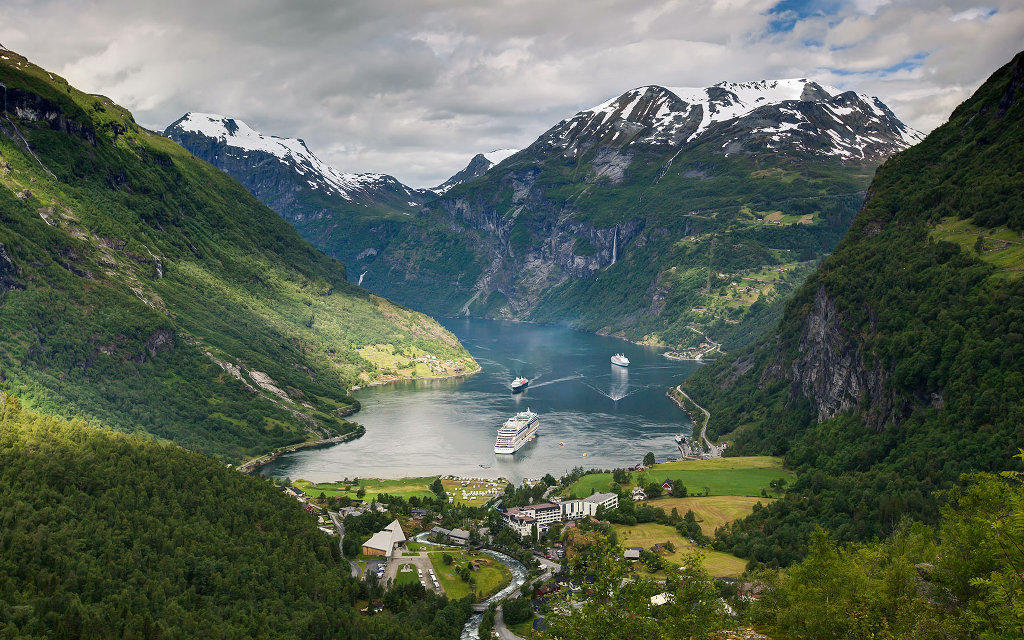
Key Targets of the Green Plan 2030

  1. Planting One Million More Trees: By planting an additional one million trees, Singapore aims to sequester another 78,000 tonnes of CO2, providing cleaner air and cooler shade for its residents.
  2. Quadrupling Solar Energy Deployment: By 2025, Singapore plans to quadruple its solar energy deployment, including installing solar panels on the rooftops of public housing blocks. By 2030, solar energy deployment will be five times that of today.
  3. Reducing Waste Sent to Landfill: The plan includes a target to reduce the waste sent to landfill by 30% by 2030.
  4. Carbon Neutral Schools: At least 20% of schools will be carbon neutral by 2030.
  5. Cleaner-Energy Cars: All newly registered cars will be cleaner-energy models from 2030 onwards110.

Pillars of the Green Plan 2030

The Green Plan 2030 is structured around five key pillars:

  1. City in Nature: Enhancing green spaces and biodiversity.
  2. Energy Reset: Transitioning to cleaner energy sources and improving energy efficiency.
  3. Sustainable Living: Promoting sustainable practices in daily life.
  4. Green Economy: Encouraging sustainable economic growth.
  5. Resilient Future: Building resilience against climate change impacts.

Achievements and Innovations

Singapore has already made significant strides in its sustainability journey. For instance, it has one of the world’s largest floating solar systems at Tengeh Reservoir, which generates enough power to make its waterworks one of the few in the world to be 100% green1. The country has also shifted to using natural gas for power generation, which is the cleanest form of fossil fuel, and plans to progressively transition to greener energy sources.

Challenges and Future Directions

Despite its achievements, Singapore faces geographical constraints that limit its options for renewable energy deployment. The country lacks the natural resources, land area, and climatic conditions for large-scale renewable energy projects. However, Singapore is leveraging its technological and policy expertise to overcome these challenges. It aims to be a living laboratory for other cities facing similar constraints, sharing its solutions and innovations globally.

Conclusion

Singapore’s environmental initiatives, encapsulated in the Singapore Green Plan 2030, demonstrate a strong commitment to sustainable development. By focusing on green spaces, clean energy, waste reduction, and sustainable living, Singapore is not only securing a better future for its residents but also setting an example for other cities around the world. As a hub for green dialogue and innovation, Singapore continues to play a pivotal role in the global effort to combat climate change and achieve a sustainable future.

The Title of Princess: The Female Equivalent of a Prince

johnbowe.info – The title of Princess is one of the most recognizable and romanticized titles in the world, often associated with fairy tales and royal lineage. Historically, the term “Princess” has been used to denote the female equivalent of a Prince, typically reserved for the wives of Princes. This title carries with it a sense of nobility, grace, and often, a role within the political and social hierarchy of a monarchy.

The Role of a Princess in Royal Families

In many royal families, the title of Princess is not merely ceremonial but comes with specific duties and responsibilities. A Princess is expected to support her husband in his royal duties, attend state functions, and participate in charitable and public service work. The role of a Princess is multifaceted, requiring a balance between public life and personal privacy, as well as the ability to navigate the complexities of royal protocol and etiquette.

The Modern Interpretation of the Title

In contemporary times, the title of Princess has evolved to reflect the changing nature of monarchies and the public’s perception of royalty. Modern Princesses are often seen as trendsetters, philanthropists, and advocates for various causes. They use their platform to raise awareness and support for issues such as education, health, and environmental conservation. The modern Princess is a symbol of progress and change, embodying the values of service and leadership.

Notable Princesses Throughout History

Throughout history, there have been numerous Princesses who have left an indelible mark on the world. From Princess Diana of Wales, known for her humanitarian work and charismatic personality, to Princess Grace of Monaco, celebrated for her elegance and philanthropic efforts, these women have shaped the role of a Princess in the public consciousness. Their legacies continue to influence the expectations and responsibilities associated with the title.

The Future of the Title “Princess”

As monarchies adapt to the 21st century, the title of Princess is likely to continue evolving. Future Princesses will face the challenge of upholding traditional values while embracing modern ideas and technologies. The title will remain a symbol of royalty and nobility, but it will also be a testament to the strength, independence, and compassion of the women who carry it. As such, the role of a Princess will continue to be a subject of fascination and admiration for generations to come.

Cara Menghemat Uang di Jepang: Trik dan Tips untuk Kehidupan Finansial yang Lebih Baik

Jadi gini, guys! Kalau lo mau hemat uang di Jepang sambil tetap menikmati semua kesenangan yang ditawarkan, ada beberapa trik jitu yang bisa dicoba. Pertama, jangan lupa manfaatin situs Jepang slot yang lagi booming; banyak promo menarik dan bonus yang bikin dompet tetap aman! Misalnya, cari tahu tentang slot gacor Jepang dijamin menguntungkan! Selain itu, ada juga server Jepang slot gacor yang bisa kasih lo pengalaman main seru tanpa harus ngeluarin banyak duit. Trik lainnya adalah pilih makan di kedai lokal atau konbini daripada restoran mahal; rasanya enak-enak banget dan harganya bersahabat! Jangan lewatkan kesempatan untuk bawa pulang oleh-oleh dari pasar tradisional dengan harga super miring. Dengan semua tips ini plus sedikit keberuntungan dari game-slot gacor, hidup finansial lo bakal lebih asyik saat menjelajahi negeri sakura ini!

Kalau kamu mau merantau ke Jepang dan ngincar cara menghemat uang, ada banyak trik yang bisa dicoba! Pertama-tama, jangan lupa mampir ke situs jepang yang sering ngasih info tentang slot-slot gacor. Yup, slot jepang gacor bukan cuma buat ajang hiburan doang, tapi bisa jadi sumber pendapatan tambahan juga loh! Kunjungi situs slot server jepang untuk cari tahu game-game terbaru dengan peluang menang yang tinggi. Selain itu, manfaatin promo-promo dari berbagai tempat makan dan transportasi di sana; misalnya beli kartu prepaid yang bikin kamu hemat pas naik kereta. Jangan ragu juga untuk explore kuliner lokal di kios-kios pinggir jalan biar tidak boros saat makan! Pokoknya dengan sedikit riset di dunia server jepang dan update trend terkini, pasti hidupmu bakal lebih hemat dan seru sambil berpetualang di negeri sakura ini!

Jadi, jika kamu mau tahu cara menghemat uang di Jepang sambil tetap menikmati semua keindahan yang ditawarkan, ada beberapa trik kece yang bisa kamu terapkan! Pertama-tama, jangan lupa untuk memanfaatkan situs Jepang slot yang sering bagi-bagi promo menarik. Siapa bilang main slot gacor itu cuma buang-buang duit? Dengan mencari informasi tentang slot server Jepang yang lagi hits, kamu bisa menang banyak tanpa harus merogoh kocek terlalu dalam. Selain itu, cobalah kunjungi situs slot server Jepang karena mereka sering memberikan bonus harian dan jackpot gede yang bikin dompetmu makin tebel! Gak kalah pentingnya, daftar di forum-forum atau grup media sosial tempat para pemain berbagi tips seputar strategi bermain agar bisa hoki terus setiap kali coba peruntungan di slot gacor Jepang. Nah, dengan begitu hidupmu bakal lebih ceria dan finansial pun semakin teratur!

The Charismatic Star of WWE: AJ Styles

johnbowe.info – AJ Styles, born Alexander James Cooper, is a renowned American professional wrestler currently signed with WWE, performing on the SmackDown brand. Known for his charismatic personality and exceptional in-ring skills, AJ Styles has become one of the most recognizable faces in professional wrestling. This article delves into the career, achievements, and impact of AJ Styles in the world of wrestling.

Early Career and Rise to Fame

AJ Styles began his professional wrestling career in 2002, making his debut in the independent circuit. His early years were marked by performances in various promotions, including Ring of Honor (ROH) and Total Nonstop Action Wrestling (TNA), where he quickly gained recognition for his high-flying style and technical prowess.

Success in Ring of Honor

In Ring of Honor, AJ Styles won the ROH World Championship twice, solidifying his status as a top-tier wrestler. His matches in ROH were known for their technical complexity and storytelling, earning him a dedicated fan base.

Dominance in TNA

AJ Styles’ time in TNA was equally impressive. He won the TNA World Heavyweight Championship multiple times and was a key figure in the promotion’s most memorable storylines. His feud with Jeff Hardy in 2007 is often cited as one of the greatest rivalries in TNA history.

Transition to WWE

AJ Styles made his WWE debut in 2016, signing with the company after a successful run in New Japan Pro-Wrestling (NJPW). His transition to WWE was seamless, and he quickly became a fan favorite due to his unique style and engaging personality.

WWE Championships and Feuds

In WWE, AJ Styles has won numerous titles, including the WWE Championship, United States Championship, and Intercontinental Championship. His feuds with John Cena, Seth Rollins, and Randy Orton have been some of the most watched and discussed storylines in recent WWE history.

Impact on WWE’s Main Event Scene

AJ Styles’ presence in WWE has significantly impacted the main event scene. His ability to blend technical wrestling with high-flying maneuvers has set a new standard for in-ring entertainment. His matches are often praised for their storytelling and execution, making him a standout performer in the company.

Personal Life and Philanthropy

Beyond his wrestling career, AJ Styles is known for his philanthropic efforts. He has been involved in various charitable causes, including supporting children’s hospitals and disaster relief efforts. His dedication to giving back to the community has earned him respect both inside and outside the wrestling world.

Conclusion

AJ Styles’ journey from the independent circuit to becoming a WWE superstar is a testament to his talent, dedication, and passion for wrestling. His impact on the sport is undeniable, and his contributions to both in-ring entertainment and philanthropy make him a true legend in the world of professional wrestling. As he continues to perform on the SmackDown brand, fans can expect more thrilling matches and memorable moments from the Charismatic One.

The Impact of World War II on the Solomon Islands

johnbowe.info – The Solomon Islands, a nation in the South Pacific, played a significant role during World War II, particularly during the Pacific War. The conflict had profound and lasting effects on the islands, influencing their political, social, and economic landscapes. This article explores the various impacts of World War II on the Solomon Islands, drawing from historical accounts and contemporary analyses.

The Solomon Islands Campaign

The Solomon Islands campaign was a major theater of the Pacific War, beginning with Japanese landings and the capture of several areas in the British Solomon Islands and Bougainville in the Territory of New Guinea during the first six months of 1942. The Japanese occupied these locations to construct naval and air bases, which were crucial for their strategic plans in the Pacific. The campaign saw fierce battles, notably the Guadalcanal campaign, which lasted from August 1942 to February 1943 and was a pivotal point in the Pacific War.

Immediate Impacts

The immediate impacts of World War II on the Solomon Islands were devastating. The islands experienced extensive destruction due to the intense fighting, with infrastructure, homes, and natural resources severely damaged. The local population faced significant hardships, including displacement, loss of life, and the disruption of traditional ways of life. The war also led to the introduction of new technologies and military equipment, which had both positive and negative consequences for the local communities.

Long-term Social and Political Changes

The war had long-lasting social and political effects on the Solomon Islands. The involvement of Allied forces, particularly the United States and Australia, brought about changes in the political landscape. The war efforts led to the strengthening of colonial administration and the introduction of new governance structures, which laid the foundation for post-war political developments. Additionally, the war experiences fostered a sense of national identity and unity among the Solomon Islanders, contributing to their eventual independence in 1978.

Economic Consequences

Economically, the war had both immediate and long-term impacts. The destruction of infrastructure and resources during the war years led to a significant economic downturn. However, the post-war period saw efforts to rebuild and develop the islands, with the introduction of new industries and economic policies aimed at recovery and growth. The war also left a legacy of unexploded ordnance (UXO), which continues to pose a threat to the local population and hinders economic development.
Environmental and Cultural Impacts

The environmental impact of the war was substantial, with extensive damage to the natural landscape and ecosystems. The construction of military bases, the use of heavy machinery, and the presence of unexploded ordnance have all contributed to environmental degradation. Culturally, the war introduced new influences and technologies, which have been integrated into the local culture over time. Oral histories and cultural practices have been shaped by the war experiences, reflecting the resilience and adaptability of the Solomon Islanders.

Conclusion

World War II had a profound and multifaceted impact on the Solomon Islands. The immediate destruction and loss were followed by long-term changes in politics, society, and the economy. The legacy of the war continues to influence the islands today, with ongoing efforts to address the remaining challenges, such as the clearance of unexploded ordnance. The Solomon Islands’ experience during World War II serves as a testament to the resilience and strength of its people in the face of adversity.

The Role of Women in Sierra Leone: A Comprehensive Overview

johnbowe.info – Sierra Leone, a country in West Africa, has a rich history and a diverse culture. The role of women in Sierra Leone is multifaceted, encompassing various aspects of socio-economic, political, and cultural life. This article explores the significant contributions and challenges faced by women in Sierra Leone, highlighting their impact on the nation’s development.

Historical Context

The role of women in Sierra Leone’s socio-political development is not a new phenomenon. Historically, women have played crucial roles in decision-making processes, although their participation has often been marginalized due to traditional and cultural constraints.

Political Participation

Despite constitutional rights, women in Sierra Leone face numerous barriers to political participation. These barriers include discriminatory practices, lack of access to resources, and societal norms that limit their involvement in formal politics. However, there have been notable efforts to enhance women’s political participation. For instance, the passing of landmark legislation aimed at advancing women’s rights in 2023 marked a significant step towards gender equality in the country.

Socio-Economic Contributions

Women in Sierra Leone are the backbone of the country’s agricultural sector, comprising 70% of the agricultural workforce. They play a vital role in food production and natural resource management, yet they often face discrimination and lack of access to land ownership. Efforts to address these issues include the implementation of the Voluntary Guidelines on the Responsible Governance of Tenure of Land, Fisheries, and Forests, which aim to ensure equitable access to land and resources for all citizens.

Post-Conflict Empowerment

Sierra Leone’s recovery from a decade-long civil war has seen significant efforts to empower women. Women’s experiences during and after the conflict have been critical in shaping post-conflict agency and empowerment initiatives. Organizations and activists have worked tirelessly to raise awareness about gender inequalities and to promote women’s rights.

Challenges and Barriers

Despite progress, women in Sierra Leone continue to face numerous challenges. Discriminatory practices related to customary law, particularly in areas such as marriage and divorce, persist. Additionally, the lack of explicit laws against female genital mutilation and other forms of gender-based violence remains a significant concern.

Conclusion

The role of women in Sierra Leone is pivotal to the country’s socio-economic and political development. While there have been significant strides in advancing women’s rights and participation, ongoing efforts are necessary to address the remaining challenges and ensure gender equality. The empowerment of women is not only a matter of justice but also a key factor in achieving sustainable development and peace in Sierra Leone.

Micronesia’s Climate & Weather Patterns

johnbowe.info – Micronesia, a collection of islands in the western Pacific Ocean, experiences a diverse range of climate and weather patterns due to its geographical spread. The climate varies between the eastern and western islands, with distinct characteristics that influence the daily life and ecosystems of the region.

Climate Overview

Eastern Islands

The eastern islands of Micronesia, including the Federated States of Micronesia, experience a tropical rainforest climate. This climate is characterized by high temperatures and abundant rainfall throughout the year. The eastern islands receive higher rainfall compared to the western islands, with some areas, like the island of Pohnpei, recording over 3,000 millimeters of precipitation annually, making it one of the wettest places on Earth1.

Western Islands

In contrast, the western islands, such as the Republic of the Marshall Islands, have a tropical savanna climate. This climate is marked by a distinct wet and dry season. The dry season typically occurs from December to March, while the wet season spans from April to November1.

Temperature and Humidity

The overall climate of Micronesia is hot, oppressive, windy, and overcast. Throughout the year, temperatures usually range between 26°C and 30°C (79°F to 86°F), with rare instances of temperatures dropping below 24°C (75°F) or rising above 32°C (90°F). The high humidity levels, often exceeding 70%, contribute to the oppressive feel of the climate, making it uncomfortable for many visitors and residents alike.

Rainfall Patterns

Micronesia’s rainfall patterns are influenced by its tropical climate. The eastern islands receive consistent rainfall throughout the year, while the western islands experience a more pronounced wet season. The annual rainfall in Micronesia averages around 2,000 millimeters, with some areas, like Pohnpei, recording significantly higher amounts.

Seasonal Variations

Wet Season

The wet season, from April to November, is characterized by heavy rainfall and occasional typhoons. This period sees the highest precipitation levels, which can lead to flooding in some areas. The wet season is also marked by high humidity and frequent cloud cover, reducing the amount of direct sunlight.

Dry Season

The dry season, from December to March, brings a relative decrease in rainfall and a slight drop in humidity. However, temperatures remain high, and the climate remains warm and windy. This period is generally considered more comfortable for visitors due to the reduced humidity and fewer rainy days.

Future Climate Projections

Climate change is expected to have significant impacts on Micronesia’s climate. Projections indicate increasing temperatures, rising sea levels, ocean acidification, and changes in rainfall patterns. The number of very hot days is expected to increase, posing challenges to the region’s ecosystems and human settlements.

Conclusion

Micronesia’s climate is a complex interplay of tropical rainforest and tropical savanna conditions, with distinct wet and dry seasons. The high temperatures and humidity levels, combined with abundant rainfall, create a unique environment that supports diverse ecosystems but also presents challenges for human habitation. As climate change continues to evolve, the region faces the need to adapt to new weather patterns and environmental conditions.

From Colonialism to Independence: The History of Kiribati

johnbowe.info – Kiribati, an island nation in the central Pacific Ocean, has a rich history marked by periods of colonization and a significant journey towards self-determination. This article explores the historical trajectory of Kiribati, from its early inhabitants to its status as an independent nation within the Commonwealth of Nations.

Early Inhabitants and European Contact

Kiribati’s history dates back to the prehistoric period when the islands were inhabited by people of the Malayo-Polynesian language group. These early settlers arrived around 3000 years ago, establishing communities and cultures that would later evolve into the unique Kiribati identity.

European contact with Kiribati began in the 16th century, with the first recorded sighting by Spanish explorers in 1526. However, it was not until the late 19th century that significant European influence began to shape the islands’ future.

Colonial Rule

In 1892, the Gilbert Islands and parts of the Ellice Islands were declared a British protectorate. This marked the beginning of British colonial rule, which would last for nearly a century. The British administration focused on exploiting the islands’ resources, particularly phosphate mining, which became a significant economic activity until its decline in the 1980s.

In 1916, the Ellice Islands were formally incorporated into the British colony, which was then known as the British Gilbert and Ellice Islands Colony. This period was marked by administrative challenges and tensions, particularly between the Gilbert and Ellice Islands, which had distinct cultural and linguistic differences.

Path to Independence

The mid-20th century saw a shift towards self-determination as part of the global decolonization movement. The United Nations Special Committee on Decolonization played a crucial role in initiating the process of decolonization in the Pacific region.

In 1974, a referendum was held in the Ellice Islands, leading to their separation from the Gilbert Islands. This was followed by the establishment of the independent nation of Tuvalu in 1975. The Gilbert Islands, now known as Kiribati, continued on its path towards independence.

Independence and Beyond

Kiribati achieved full independence on July 12, 1979, under the name of the Republic of Kiribati. This was a significant milestone, marking the end of British colonial rule and the beginning of a new era of self-governance.

The first constitution of Kiribati came into effect on the same day, establishing a parliamentary system with a president as the head of state and government. Since independence, Kiribati has focused on economic development, particularly in the areas of fishing and tourism, while also addressing the challenges of climate change and environmental sustainability.

Conclusion

The history of Kiribati is a testament to the resilience and determination of its people. From its early inhabitants to its status as an independent nation, Kiribati’s journey is marked by periods of colonization, struggle, and eventual self-determination. Today, Kiribati continues to navigate the complexities of modern international relations while preserving its unique cultural heritage and identity.

Kiribati’s story is a reminder of the importance of sovereignty and the enduring human spirit in the face of adversity. As the nation looks to the future, it does so with a deep sense of pride in its past and a commitment to shaping a prosperous and sustainable future for its people.